President Trump’s 2025 Middle East Diplomatic Tour: Mission, Achievements, and Significance
Introduction
President Donald Trump’s current diplomatic mission to the Middle East represents his first major foreign tour during his second term, building upon relationships cultivated during his previous administration while pursuing ambitious economic and strategic objectives.
According to the FAF comprehensive review, the trip has already yielded significant economic commitments and marked notable shifts in U.S. foreign policy toward the region, with more to come from the United Arab Emirates.
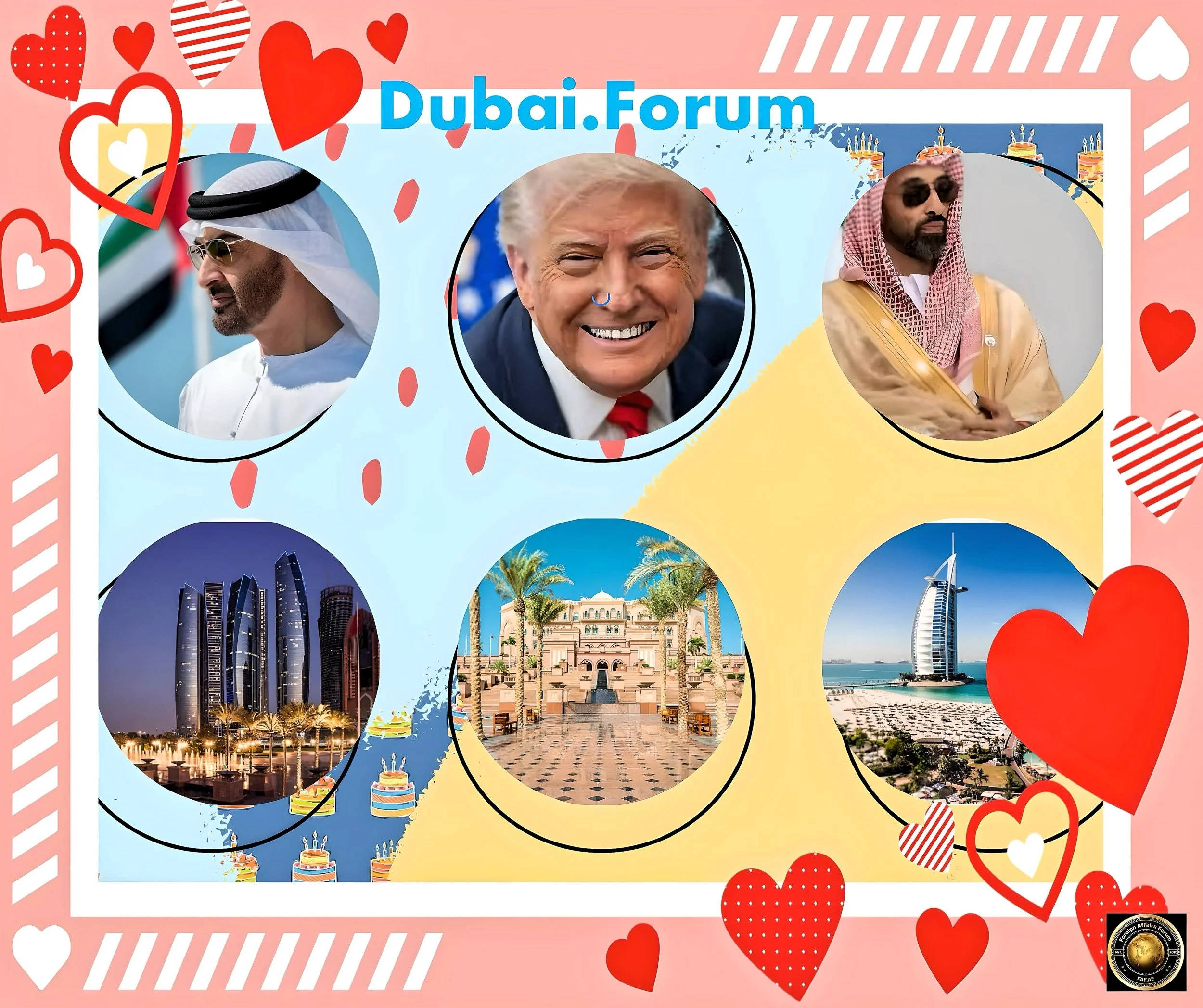
Updates to follow on Dubai.Forum
Trip Itinerary and Delegation
President Trump’s four-day Middle East tour runs from May 13-16, 2025, encompassing visits to three wealthy Gulf nations: Saudi Arabia, Qatar, and the United Arab Emirates (UAE).
The presidential delegation includes several key cabinet members: Secretary of State Marco Rubio, Defense Secretary Pete Hegseth, and Treasury Secretary Scott Bessent.
Commerce Secretary Howard Lutnick and special presidential envoy Steve Witkoff may also be participating in the delegation.
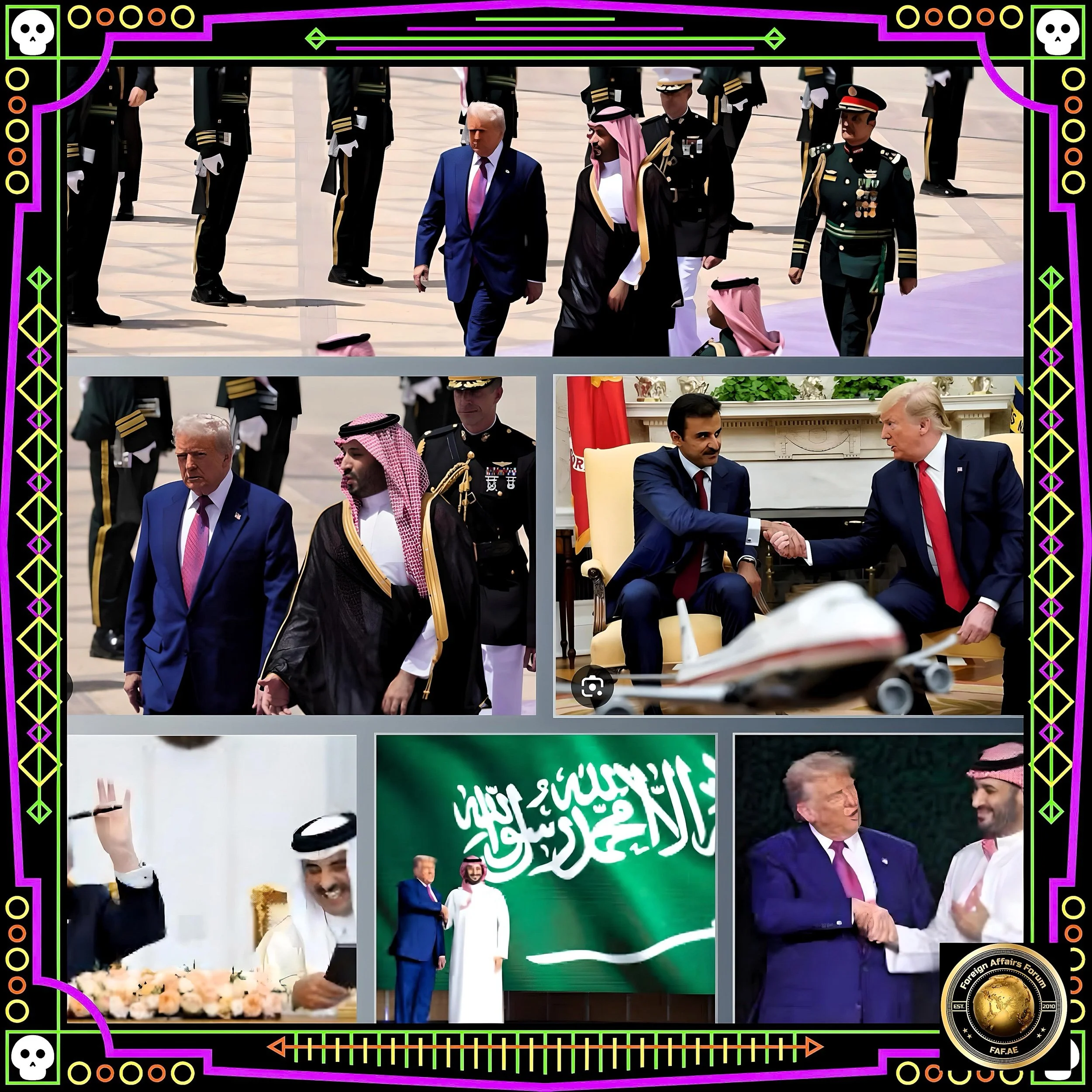
Trump arrived in Riyadh, Saudi Arabia on Tuesday, May 13, where he was greeted on the tarmac by Crown Prince Mohammed bin Salman.
After concluding his Saudi Arabia visit, Trump is scheduled to travel to Qatar on Wednesday, May 14, to meet with Sheikh Tamim bin Hamad Al Thani, and will conclude his trip in the UAE on Thursday, May 15.
This Middle East tour notably mirrors Trump’s first major international trip during his initial term in 2017, when he also selected Saudi Arabia as his inaugural foreign destination, breaking with the presidential tradition of visiting Canada or Mexico first.
Mission and Strategic Objectives
Economic Investment Priorities
The primary mission of Trump’s Middle East tour centers on securing substantial investments from the oil-rich Gulf states into the American economy.
The administration has ambitious targets, with Trump reportedly instructing his advisers to secure commitments exceeding $1 trillion during the trip.
White House Chief of Staff Susie Wiles emphasized the business-focused nature of the visit, stating that the trip is “almost entirely about business deals and investment in the United States by all three countries,” adding that there would be “across-the-board investments, and they’re very substantial”.
These investments are intended to focus on cutting-edge technologies, particularly artificial intelligence, energy, and defense sectors.
Strategic Diplomatic Goals
Beyond economic objectives, Trump’s visit carries significant diplomatic weight. The trip aims to strengthen ties with key Gulf allies after relationships were reportedly strained during the Biden administration.
Former President Biden had vowed to make Saudi Crown Prince Mohammed bin Salman a “pariah” over the 2018 killing of journalist Jamal Khashoggi, a stance that Trump has reversed in favor of a more transactional approach.
Additional diplomatic priorities include addressing regional security concerns, particularly regarding Iran’s nuclear program, discussing the Israeli-Palestinian conflict and Gaza war, and exploring avenues to influence global oil prices.
White House Press Secretary Karoline Leavitt characterized the mission as part of Trump’s broader vision that “extremism is defeated through commerce and cultural exchanges”.
The Saudi Arabia Visit: Key Developments
High-Profile Meetings and Forums
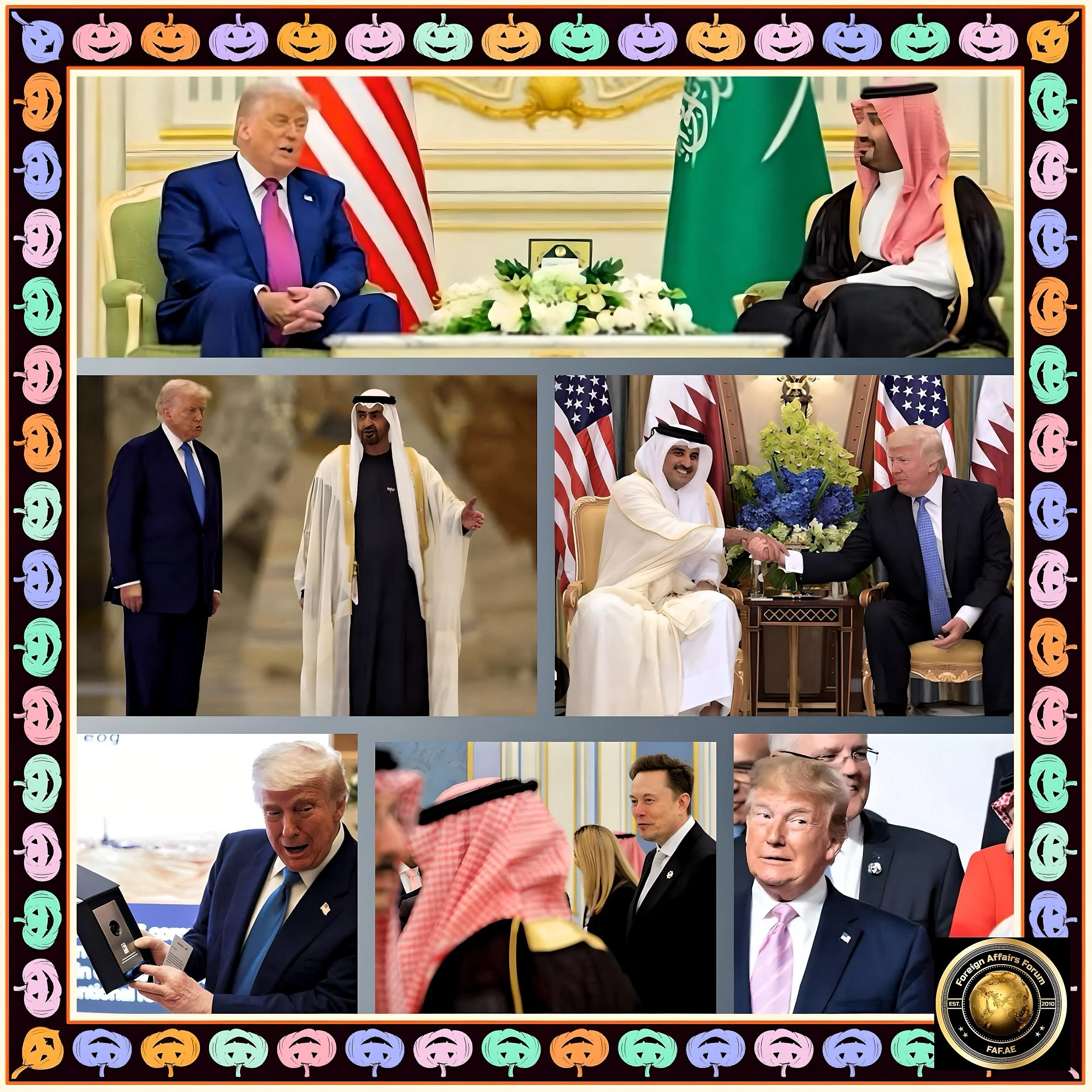
The Saudi Arabia leg of the trip featured several significant events, including bilateral meetings with Crown Prince Mohammed bin Salman and Trump’s participation in a U.S.-Saudi investment forum in Riyadh.
The president was joined by prominent business figures, including billionaire Elon Musk, at what was described as an “extravagant luncheon”.
During his nearly hour-long address at the forum, Trump emphasized the strength of U.S.-Saudi relations, declaring that the United States has “no stronger partner” than Saudi Arabia and characterizing the alliance as “more powerful than ever before”.
He also expressed personal affinity for Crown Prince Mohammed bin Salman, remarking, “I like him too much”.
Major Policy Announcements
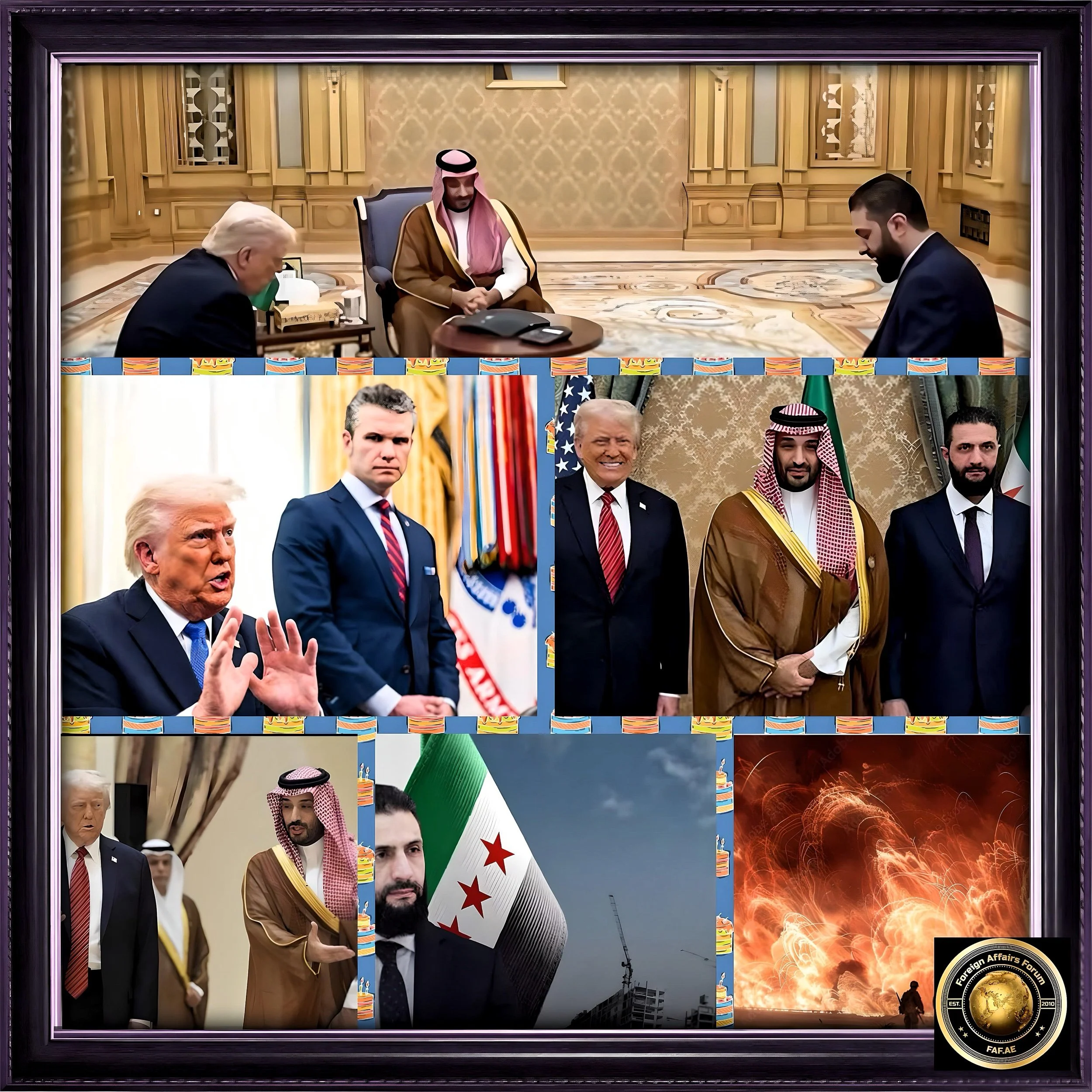
In a surprising development during his speech in Riyadh, Trump announced his decision to lift U.S. sanctions on Syria to “give them a chance at greatness”.
This announcement received enthusiastic applause and a standing ovation from the audience.
The move represents a significant shift in U.S. policy toward Syria and is expected to provide critical economic support to a nation devastated by nearly 14 years of civil conflict.
Trump is scheduled to meet with Syria’s newly appointed president, Ahmed al-Shara, on Wednesday in Saudi Arabia.
Al-Shara previously led the coalition of rebels that successfully ousted President Bashar al-Assad in December.
Additionally, Trump expressed his “dream” for Saudi Arabia to join the Abraham Accords-the diplomatic framework established during his first administration that normalized relations between Israel and certain Arab nations.
However, this remark reportedly received a notably muted response, as the normalization of relations with Israel remains unpopular among Saudis, with officials maintaining that recognition would depend on the establishment of a Palestinian state.
Economic Agreements and Investments
Saudi Investment Commitments
The economic dimension of Trump’s visit has already produced substantial results. Saudi Arabia has pledged a $600 billion investment commitment to the United States.
However, this falls short of Trump’s reported goal of securing $1 trillion in Saudi investments.
A significant component of the Saudi commitment is a monumental arms agreement valued at $142 billion.
The package also encompasses extensive training and support aimed at enhancing the capabilities of the Saudi armed forces.
Technology and AI Investments
The visit has catalyzed numerous high-profile business deals focused on artificial intelligence and emerging technologies. Among the most notable:
Saudi Arabian DataVolt plans to invest $20 billion in AI data centers and energy infrastructure in the United States.
Amazon Web Services and Saudi Arabia’s AI startup Humain announced plans for a $5 billion-plus strategic partnership to build an “AI Zone” in the kingdom.
U.S. chip firm AMD and Humain unveiled plans to build AI infrastructure with up to $10 billion in investments to deploy 500 megawatts of AI computing capacity over the next five years.
Google, DataVolt, Oracle, Salesforce, AMD, and Uber are collectively committing to invest $80 billion in technologies in both countries.
Qatar’s Aircraft Offer
In a notable gesture ahead of the trip, the royal family of Qatar offered the United States a $400 million Boeing 747-8 jumbo jet to serve as a temporary Air Force One amid delays with Boeing’s next-generation presidential aircraft.
This offer underscores the complex relationships between Trump, his administration, and the wealthy Gulf states.
Foreign Policy Shifts and Pronouncements
Iran Approach
During his speech in Saudi Arabia, Trump delivered pointed criticism of Iran, labeling it “the largest and most destructive” entity jeopardizing the stability and prosperity of the Middle East.
He asserted that Iran would never achieve nuclear capability.
Simultaneously, however, Trump extended what some analysts have characterized as an “olive branch” to Tehran, offering Iran “a new path and a much better future”.
In a notable statement, he declared: “I have never believed in having permanent enemies”.
This dual approach signals a complex stance toward Iran that mixes firm deterrence with potential diplomatic openings.
Before departing Washington on Monday, Trump told reporters: “We’re in the midst of talking to them and right now they are acting very intelligent.
We want Iran to be wealthy and wonderful and happy and great, but they can’t have a nuclear weapon, it’s straightforward”.
Syria Policy Reversal
The president’s announcement regarding the lifting of sanctions on Syria represents a major foreign policy shift.
Syria’s foreign minister, Saad Hassan-Shaibani, praised the decision as “a triumph of justice and reaffirmation of Arab sovereignty,” calling it “a new beginning on the path to reconstruction”. Syrian President invited Trump to build Trump Tower in Damascus.
Trump explained that his decision followed discussions with Turkey’s president, Recep Tayyip Erdogan, and Saudi Crown Prince Mohammed bin Salman.
According to a White House representative, Trump agreed to “say hello” to the Syrian president during their scheduled meeting in Saudi Arabia.
Israel Omission
Notably absent from Trump’s Middle East itinerary is Israel, a traditional close U.S. ally in the region.
Former Senator Jon Tester (D-Mont.) characterized this omission as sending a “hell of a message” about Trump’s position on the ongoing conflict in Gaza.
“I believe that his decision to bypass Israel on this visit communicates a powerful message,”
Tester stated during an appearance on MSNBC. “If Israel hasn’t picked up on this message, they must be tone-deaf. The message is quite evident, I think, to everyone around him: if you wish to engage in the Middle East, you must maintain good relations with others, especially given the numerous issues that have arisen in recent years”.
This omission comes amid ongoing Israeli military operations in Gaza and the West Bank, and as the Trump administration’s focus has reportedly shifted toward securing the release of American hostages held by Hamas.
Regional Implications and Significance
Gulf States’ Strategic Positioning
For Saudi Arabia, Qatar, and the UAE, Trump’s visit represents a crucial opportunity to cement their roles as vital security and economic allies of the United States.
The Gulf states perceive this moment as ideal for solidifying their relationship with Washington and possibly gaining enhanced advantages in their dealings with the U.S..
These nations have meticulously orchestrated their outreach to Trump, aiming to maximize their own benefits while reinforcing their strategic importance.
Each country has distinct objectives, with Saudi Arabia primarily focused on “security, security, and security,” according to Ali Shihabi, a commentator on Saudi political and economic affairs.
Mediation and Regional Influence
The Gulf states have strategically positioned themselves as essential mediators in various conflicts, including those in Gaza, Ukraine, and Iran.
Qatar in particular has played a vital role as a mediator in conflicts in Gaza and Afghanistan, which experts suggest is part of its strategy to maintain relevance in Washington’s eyes.
“Gulf nations perceive conflict mediation as a source of influence and prestige, successfully positioning themselves as crucial partners in Trump’s political agenda,” explained Hasan Alhasan, a senior fellow at the International Institute for Strategic Studies in Bahrain.
Conclusion and Outlook
President Trump’s 2025 Middle East tour represents a significant reorientation of U.S. foreign policy in the region, combining economic deal-making with strategic diplomatic initiatives.
The trip has already yielded substantial investment commitments and marked notable policy shifts, particularly regarding Syria.
As Trump continues his journey to Qatar and the UAE, the full diplomatic and economic impact of this visit remains to develop.
The administration’s ability to translate investment pledges into concrete benefits for the U.S. economy, while navigating complex regional dynamics, will ultimately determine the long-term significance of this diplomatic mission.
The combination of business transactions, military agreements, and diplomatic realignments underscores the multifaceted nature of U.S. engagement with the Gulf states under Trump’s administration.
Whether this approach will succeed in advancing U.S. interests while contributing to regional stability remains to be seen, but it signals Trump’s intention to prioritize transactional relationships and economic benefits in his foreign policy approach.