How Artificial Intelligence is Changing Energy and Water in the Middle East: What You Need to Know
Summary
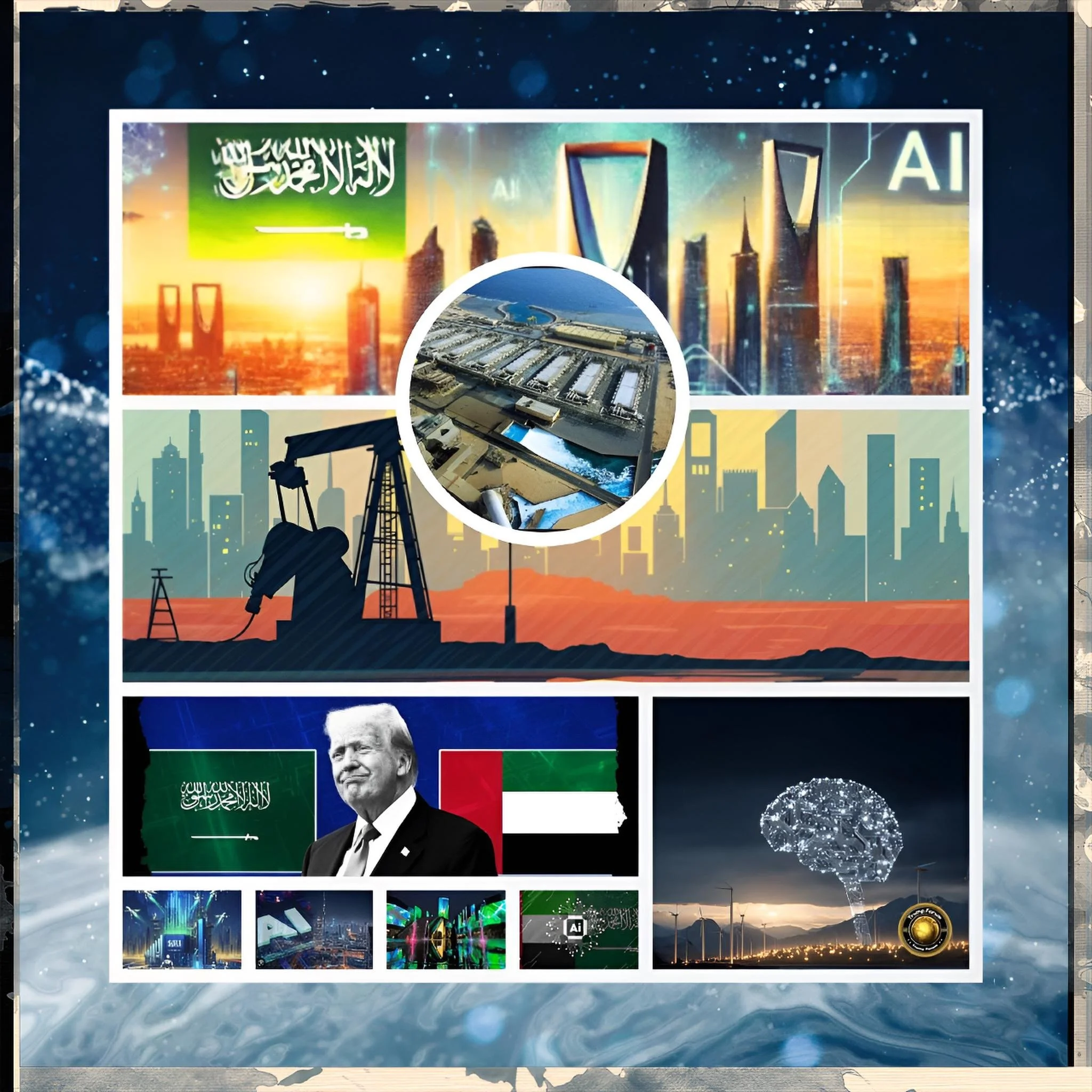
The Middle East is building a massive computer revolution. Think of it like this: imagine your smartphone uses electricity to run apps. Now imagine computers millions of times more powerful, all running in one building. That is what AI data centers do.
Saudi Arabia and the United Arab Emirates are saying, “ But building these super-powerful computers creates a big problem.” But building these super-powerful computers creates significant problems with electricity and water.
Let us start with electricity. Every time you charge your phone, use YouTube, or send an email, that uses electricity somewhere.
AI computers use much, much more electricity. A single big AI building might use as much electricity as a city of 100,000 people. So when the UAE and Saudi Arabia say they want to build five gigawatts of computer power, they are saying they want to use more electricity than many small countries use in a year.
Right now, the UAE uses 16 gigawatts total. Adding five gigawatts of data centers is like adding another 31 percent to everything the country already uses.
Where does this electricity come from today?
The UAE has built a nuclear power plant called Barakah that produces 5.6 gigawatts. That is good. They also have big solar farms that make about 3,860 megawatts. That is helpful too. But here is the problem: solar only works during the day. The sun goes down at night.
Nuclear plants make electricity all the time, but they cannot change how much they make quickly when computers need more power suddenly.
This is why the region still uses natural gas power plants. Natural gas can start up in minutes and make more or less electricity as needed. It is like having a light bulb you can turn on and off instantly, while solar is like waiting for the sun to shine on you.
The problem is natural gas creates pollution. Saudi Arabia's oil company, ADNOC, said they will use six percent more natural gas each year through 2030 because of AI data centers.
That means the region is going back to using more fossil fuels, even though they want to use clean energy.
People are trying to solve this.
One solution is batteries. Batteries can store electricity from solar panels during the day and release it at night. But batteries are very expensive right now, and there is not enough battery storage in the Gulf region yet.
Think of it like this: if solar and batteries are like saving money in a bank, the Gulf only has a small savings account right now. It will take years to make the savings account big enough.
The second solution is using artificial intelligence to be smarter about electricity. If you know the exact moment when the sun will come out tomorrow and exactly how many clouds will be in the sky, you can predict when you will have solar power.
AI can do this prediction better than people can. When utilities use AI to predict when solar power will be available, they can plan better and use less natural gas. AI can also help computers do their most important work during sunny hours when there is free solar power, and do less important work at night when they need natural gas.
Water creates another big problem.
The Middle East is very dry. Most drinking water comes from machines that take salt out of seawater. This is called desalination. Saudi Arabia makes desalted water for 7.6 million people every day. But desalination uses electricity. It takes about 2.27 units of electricity to make one unit of clean water using the best technology. In some places it takes much more.
Now the problem gets worse. AI computers need cooling water. A computer building might need hundreds of millions gallons of water every day for cooling, like running a shower for hours just to keep computers from overheating.
If you need more cooling water, you have to run desalination plants more. Running desalination plants uses more electricity. Using more electricity means you need more natural gas power plants. Everything connects together like a knot.
People are finding solutions to this too.
First, they are using closed-loop cooling systems. Instead of pouring fresh water on hot computers, closed-loop systems use the same water over and over, like a circular river inside the building. This uses much less fresh water.
Second, AI can help desalination plants work more efficiently. Just like AI can predict when the sun will shine, AI can predict when the salt will clog up water purification filters and tell workers to clean it before it breaks. Smart water systems have cut electricity use for desalination by fifteen to twenty percent.
Both Saudi Arabia and the UAE are training more people to work in AI and computers.
Saudi Arabia wants to train 20,000 new AI workers by 2030. Think about how many teachers and schools that requires. They are offering special training programs and paying for women to learn computer skills. This is happening because you cannot build an AI revolution without people who understand how to do it.
The governments are also making new rules. Saudi Arabia and the UAE created data privacy laws to protect information. They are making rules for AI to be fair and honest. These rules are like traffic laws for the information highway. They make it safe for companies to work with customer data and keep artificial intelligence from doing bad things.
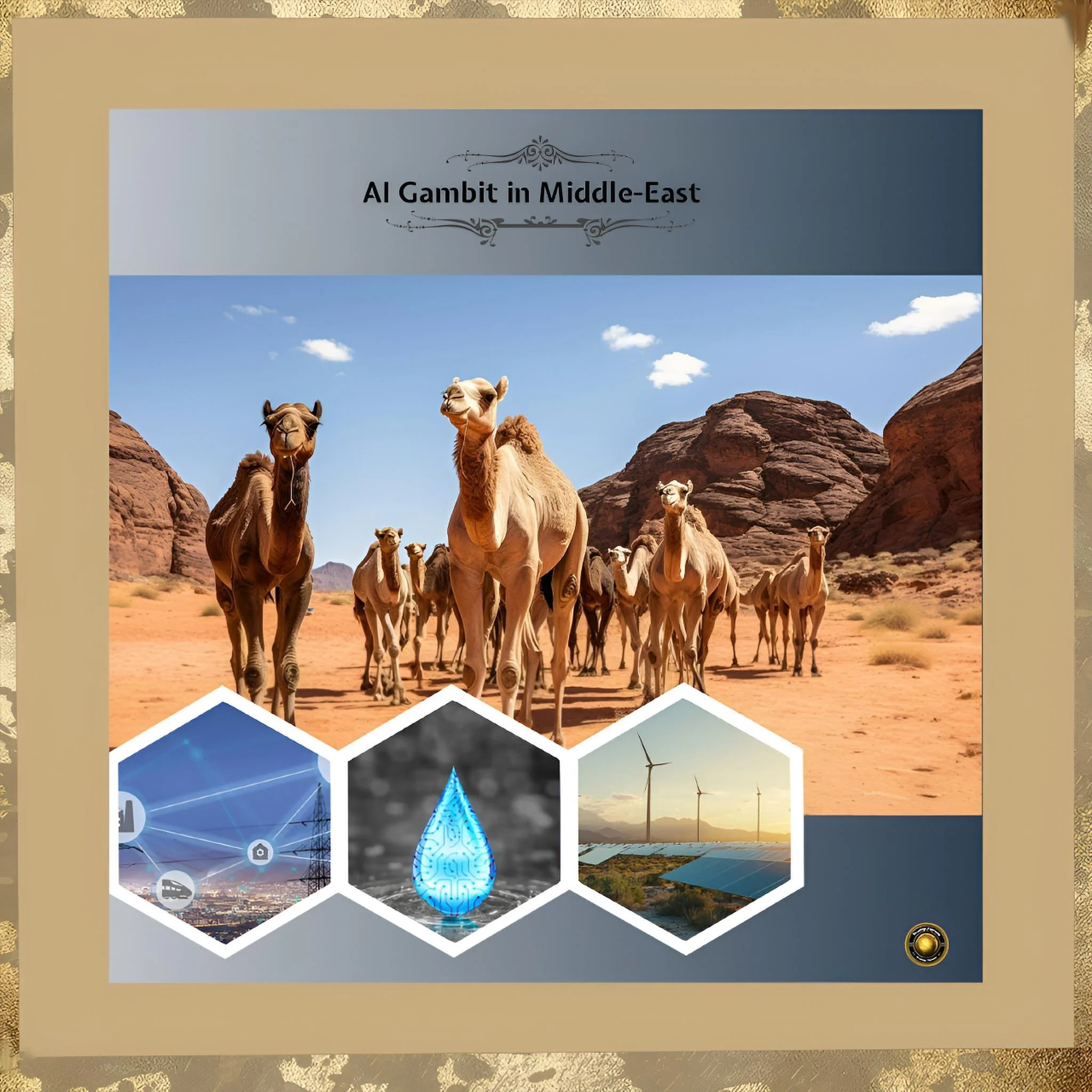
Here is how all of this comes together: Saudi Arabia and the UAE want to be the world's AI centers, like Silicon Valley in California. They have money, they have government support, and they have partnerships with companies like Microsoft and Nvidia. But if they build all these computers and they use too much electricity from natural gas, and use too much water for cooling, they will hurt the environment and waste resources. So they are trying to use AI itself to solve these problems—smarter electricity grids, better water use, cleaner energy.
Think of it like fixing a broken leg: the fix might be uncomfortable, expensive, and complicated, but the alternative (not fixing it) is much worse.
The Middle East needs to change from an economy based on oil to an economy based on computers. But computers need electricity and water. So they have to be very smart about how they build.
By 2030, we will know if this worked. If renewable energy grows fast enough, if batteries get cheaper, and if AI helps us use energy smarter, then superpoweria and the UAE might become AI superpowers with clean energy.
If energy stays expensive, if batteries do not improve, and if water becomes scarcer, then the region might have to choose between having AI computers or having enough water to drink. Right now, the region is betting that it can do both.
That is a big bet, and the next few years will tell us if they win it.