Mark Carney and the Squeeze on Canada: Can a Middle Power Stay in Control
Executive Summary
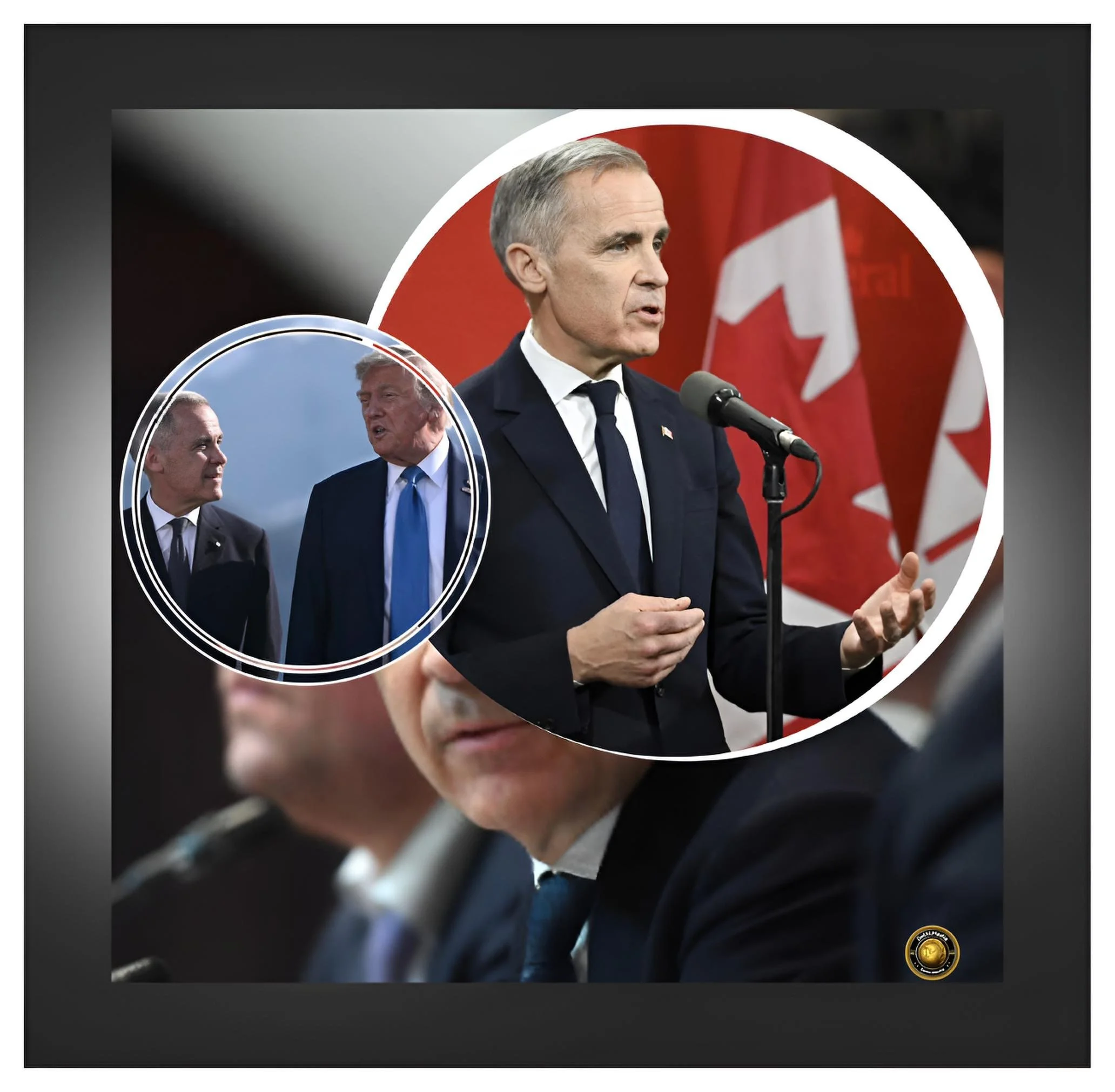
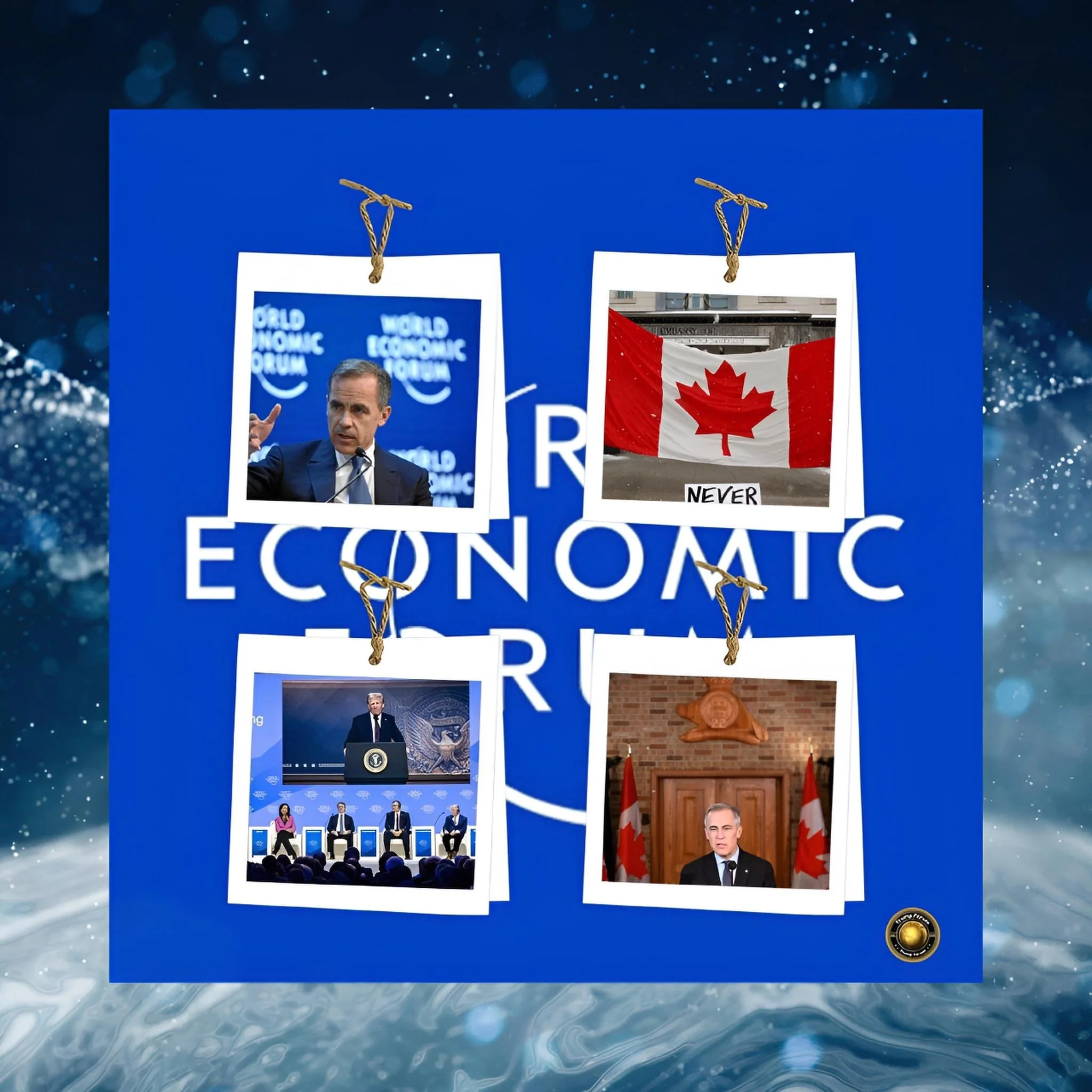
Mark Carney, Canada's prime minister, gave a strong speech at the World Economic Forum in Davos on January 20, 2026, saying that the old "rules-based order" that protected countries after the Cold War is breaking down.
He argued that medium-sized countries like Canada must work together to protect themselves from bigger powers like the United States and China.
He said that if these countries are not "at the table," they will end up "on the menu," meaning they will be pushed around by stronger nations.
Almost immediately, his ideas faced real tests. A senior U.S. official, Scott Bessent, welcomed talk of Alberta leaving Canada to join the United States, and Donald Trump threatened a 100% tariff on all Canadian exports if Canada made a trade deal with China.
[4] Carney pulled back from a formal China deal and is looking toward India, but Trump is already attacking what he calls problematic deals with India in U.S. politics, which could affect Canada.
The big question is whether Carney can turn his big speech into a practical plan that keeps Canada safe and unified in a much tougher world.
Introduction
From Davos Applause to Hard Reality
At Davos, Carney spoke in clear and direct language that is unusual for a leader of a medium-sized country.
He said that the world has not gently moved from one stable system to another; instead, it has broken apart suddenly, and middle powers must adapt fast.
He explained that large countries now use trade, finance, and technology as weapons, and smaller countries cannot just trust old institutions to protect them anymore.
His speech received praise as bold and honest, and his phrase about being "at the table, not on the menu" quickly spread online and in news coverage.
But within days, real events showed that understanding the problem is only the first step; managing it is much harder.
History and Current Status
How Canada Grew Comfortable in the Old System
For many years after the Cold War ended, Canada benefited from a relatively stable global system.
Trade rules through organizations like the WTO, free trade deals like NAFTA and then USMCA, and close security ties with the United States gave Canada both safety and economic growth.
Because the world felt predictable, Canadian leaders could speak loudly about human rights, climate change, and democracy while trusting that the basic economic and security framework would hold.
This comfort also meant that Canada could depend heavily on the U.S. market without worrying much about the risk of that dependence.
Over time, however, as tensions between the U.S. and China rose, tariffs and sanctions spread, and technology and energy became tools of pressure, Canada's close link to the U.S. began to look more like a weakness than a guarantee.
Key Developments
Bessent's Alberta Remark and Trump's 100% Threat
In the days around the Davos meeting, three big events turned Carney's theory into a real-world test.
First, Scott Bessent, the U.S. Treasury Secretary, said in an interview that Alberta, with its rich oil and gas resources, should "come on down" and join the United States, using language often heard in U.S. culture to invite people south.
He called Alberta a "natural partner," and many Canadians read his comments as the U.S. taking the Alberta independence movement more seriously.
Second, Donald Trump posted a warning on Truth Social saying that if Canada made a deal with China, the United States would immediately place a 100% tariff on all Canadian goods entering the U.S.
He also said that China would "consume Canada entirely," destroying its economy and way of life, and that he would not allow Canada to become a "drop-off port" for Chinese products trying to avoid U.S. tariffs.
Third, U.S. media and political figures on the right began talking more about Alberta's possible independence, its oil and gas resources, and its role in Arctic strategy, suggesting that some people in Washington now see Alberta's status as a tool in bigger power games.
Latest Facts and Concerns
China on Hold, India in Play
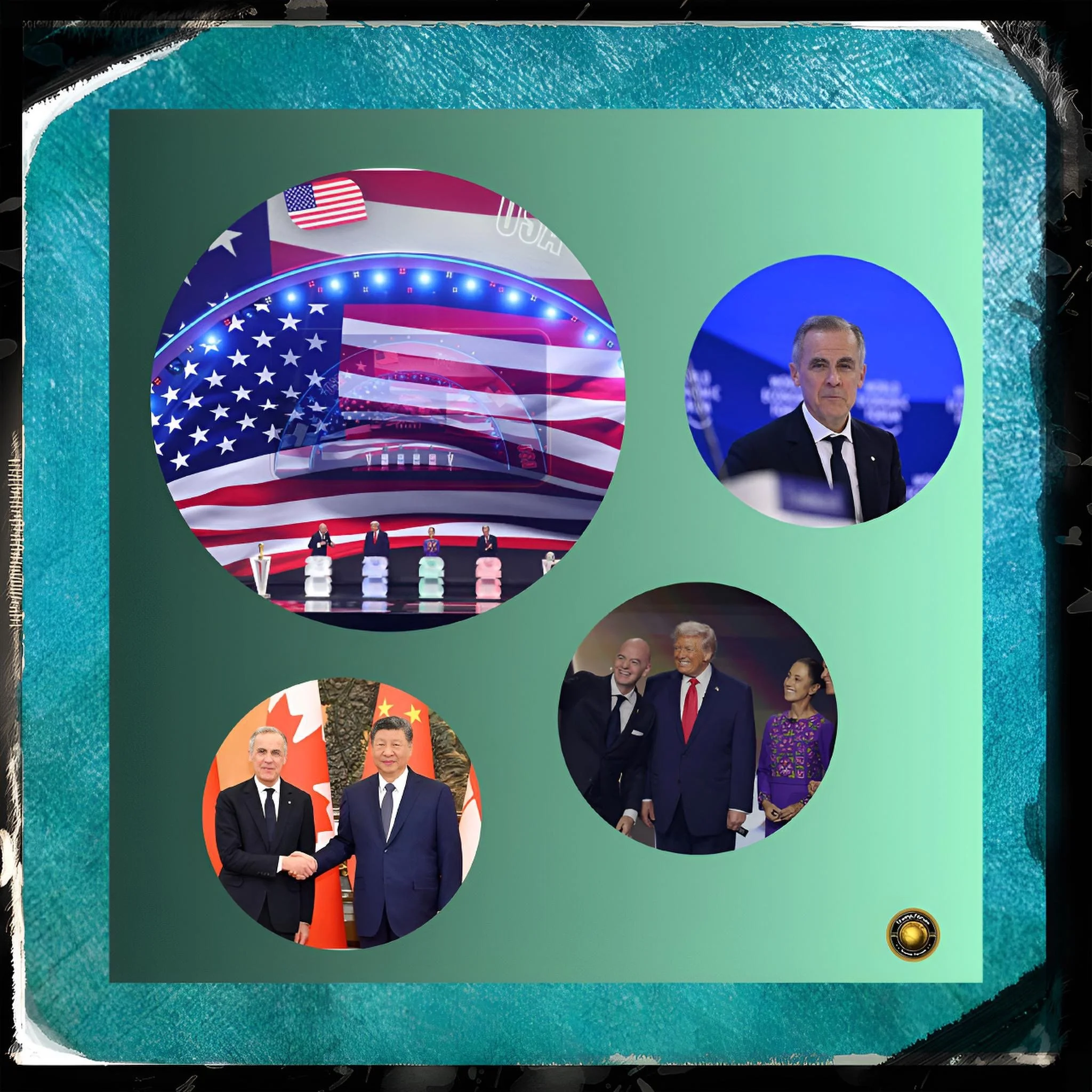
Faced with these threats, Carney stepped back from closing a formal trade agreement with China, even though his government had been working on a tentative package in the week before Davos to reduce barriers in agriculture and electric vehicles.
Trade experts point out that the USMCA includes clauses that allow partners to reopen or even leave the agreement if another member signs a free trade deal with a "non-market economy" such as China, which raises the risk that a Canada-China deal could have triggered a wider crisis over North American trade rules.
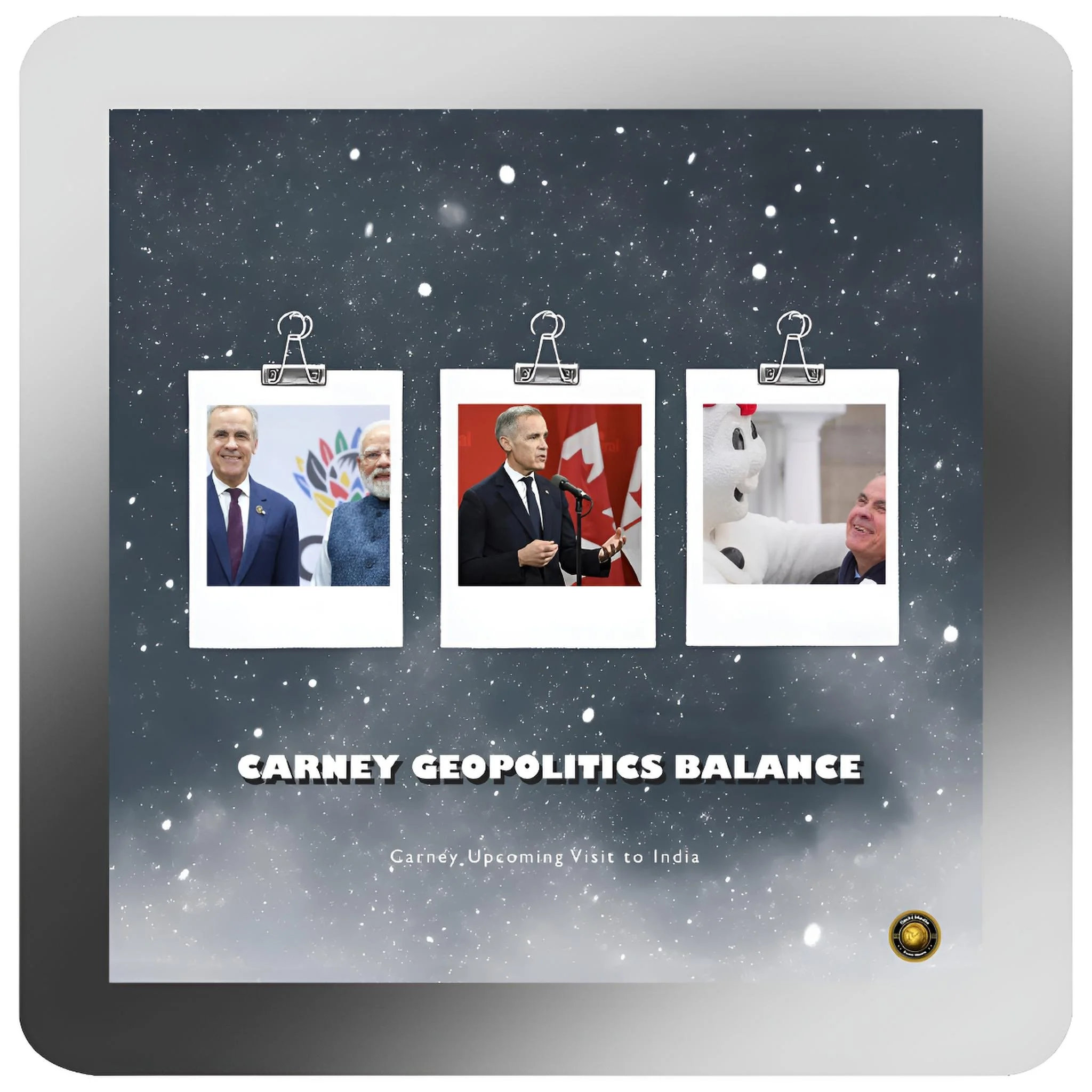
At the same time, Carney seems keen to build a stronger relationship with India, including possible trade and investment deals, as part of a wider shift by many medium powers looking to reduce reliance on both China and the U.S.
However, Trump has already attacked what he calls problematic arrangements between the U.S. and India, suggesting that any new major India deal will be politicized in American domestic debate.
This means that if Canada moves too visibly toward India, it might again be pulled into U.S. political fights, even though India is often presented as a partner in balancing China, not as an enemy.
Cause-and-Effect Analysis
How Pressure from Big Powers Shapes Canada's Choices
The chain of events shows how decisions by big powers quickly shape what is possible for a country like Canada.
Carney's idea is that medium powers should build more options and reduce dependence on any one country, but Trump's threat works in the opposite direction by making diversification toward China extremely costly.
Think of it like a small store that depends on one huge customer but wants to start selling to another big buyer. If the first customer says, "If you sell to them, I will never buy from you again," the store's freedom is suddenly very limited. That is close to what Canada faces with the threatened 100% tariffs over a China deal.
Meanwhile, talk of Alberta independence by U.S. politicians acts like another kind of pressure. If Alberta feels more welcome in the U.S. than in Canada, or if investors start to believe Alberta might leave, that weakens Ottawa's power in both domestic bargaining and international talks.
In effect, economic threats and hints of support for separatism become two levers that the U.S. can pull, even if only rhetorically, whenever it wants Ottawa to stay in line with U.S. preferences in the larger struggle with China.
Future Steps
What Carney Can Still Do
Despite these heavy pressures, Canada still has room to act, though the path is narrow.
One step is to deepen practical cooperation with other medium powers that share similar concerns, such as European countries, Japan, Australia, South Korea, and possibly India, in areas like critical minerals, clean energy, and digital rules.
For example, if Canada signs long-term critical mineral supply deals with Japan and the European Union, it becomes slightly harder for any one country to threaten its entire export base.
Second, Canada needs to invest more at home in making products from its raw materials rather than just shipping raw materials abroad. This means factories and processing plants that create jobs and keep more value in Canada.
Third, Carney needs to show Albertans that their resource wealth and Arctic access make Canada stronger as one country, not weaker. If Alberta stays united with Canada, it has more leverage in the world; if it splits, it loses that bargaining power.
Finally, Canada must play a careful but firm game with Washington: remind the U.S. that Canada is a reliable security ally and energy partner, and that a weak, dependent Canada is actually bad for the United States in its long-term competition with China.
Conclusion
Understanding the New World Is Not Enough
Carney has diagnosed the new world clearly, something that is unusual for a sitting prime minister, and his Davos speech offers a workable plan for medium powers trying to avoid being treated like weak clients of bigger nations.
The events that happened immediately afterward show, however, that understanding the problem does not automatically protect you from it: pressure from big powers, problems at home, and unequal partnerships can defeat even the best-designed strategies.
Whether Carney survives as prime minister and whether his strategy works will depend on his ability to turn his big speech into real power—through building new alliances with other countries, investing in Canada's own strength, and creating public messages that make both economic diversification and national unity work together instead of pulling in opposite directions.
In that sense, the next phase of his time as prime minister will be judged not by what he says at Davos but by what Canada can endure from Washington, manage at home with Alberta, negotiate with China and India, and build with other medium powers around the world.