Can Canada Survive Without America? What You Need to Know About the Trump-Carney Fight
Executive Summary
Canada and the United States are in a serious trade dispute. Donald Trump is the U.S. President, and Mark Carney is Canada's Prime Minister.
They have very different ideas about how much Canada should depend on America. This article explains what is happening, why it matters, and what could happen next. The short answer: Canada can survive without America, but it will be painful. America can also survive without Canada, but it will cost more money.
What Is Happening? A Simple Story
Imagine you have a friend who gives you 80% of your food. You depend on them entirely. One day, your friend says, "Give me more stuff.” You are in a weak position because you have no other food sources. That is Canada's situation with America right now.
Mark Carney became Canada's Prime Minister in March 2025. He is very smart—he ran the Bank of Canada during the 2008 financial crisis, and then he ran the Bank of England through Brexit.
When Carney took office, Donald Trump was already President. Trump said he would put 25% taxes (called tariffs) on goods coming from Canada. This means Canadian products would become 25% more expensive in America.
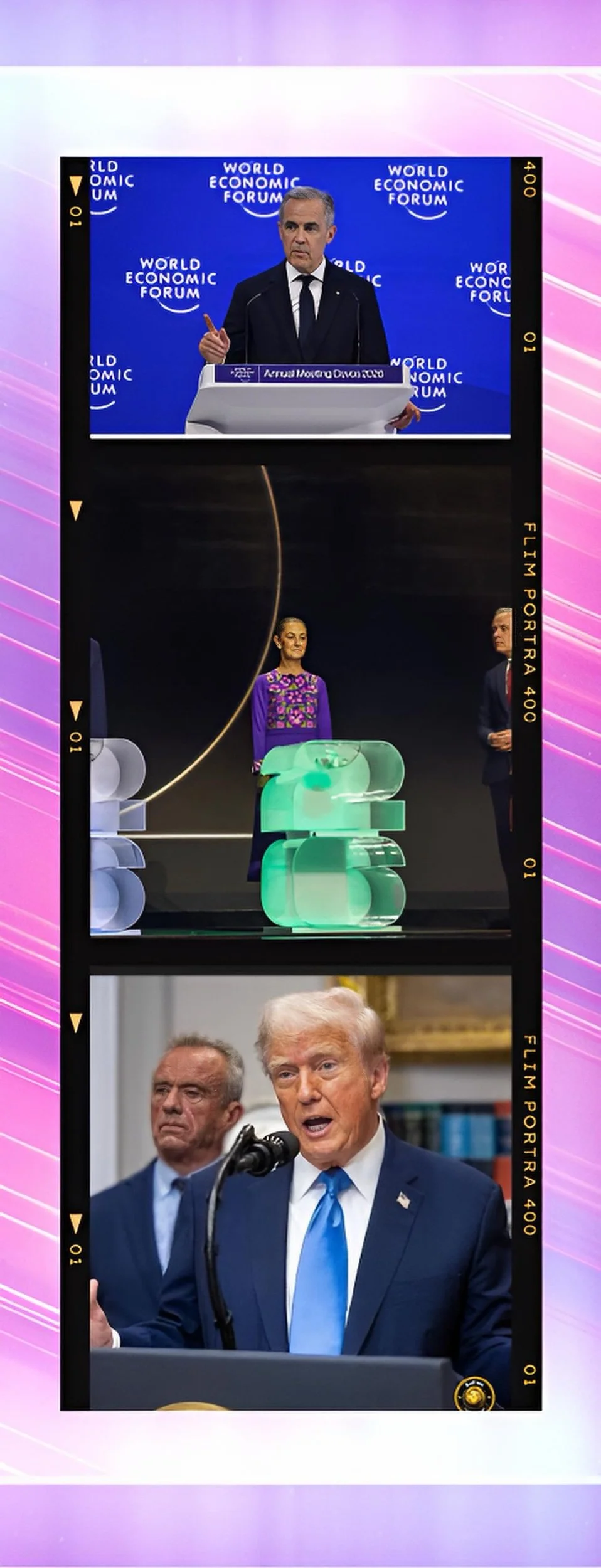
In January 2026, Carney gave a speech at Davos, Switzerland. He said Canada cannot keep depending only on America. He said Canada would make new trade deals with other countries like India, China, and countries in Southeast Asia. Trump got angry. He said if Canada made a deal with China, he would put 100% taxes on Canadian goods. Then he said he would put 50% taxes on Canadian airplanes.
This fight is called the Trump-Carney chaos. It will decide Canada's future for the next 10 years.
The History
How Canada Became So Dependent on America
In 1988, Canada's Prime Minister Brian Mulroney and America's President Ronald Reagan made a huge decision.
They signed a free trade agreement. This meant that Canada and America could trade without paying taxes on goods. Everyone thought this was good. Canada said yes. America said yes.
But something unexpected happened. Canada started sending more and more products to America. In 1988, Canada sent 75% of all its exports to America. By 2026, that number became 80%. It got worse, not better.
Why? Because companies liked selling to America. The U.S. market was huge. There were 330 million people there.
Why would a Canadian company sell to 40 million Canadians when it could sell to 330 million Americans?
So Canadian companies built factories close to America. They built pipelines to America. They trained workers to work for American companies. Everything pointed south.
This created a problem. Canadian companies forgot how to sell to other countries. Canadian ports on the west coast did not have pipelines to send oil to Asia.
Canadian workers did not know how to make products for Indian or Chinese customers. The entire Canadian economy became shaped like an arrow pointing at America.
Then, trade became 2/3 of Canada's economy. That means 2 out of every 3 dollars that Canada made came from buying and selling things with other countries. Most of that trade was with America.
For comparison, trade is only 3% of America's economy. So America depends much less on Canada than Canada depends on America. This is the problem.
Today's Crisis
Trump Says No to Canadian Goods
In February 2025, Trump put 25% taxes on Canadian goods. He said he would do this for 30 days, then stop. But things got complicated.
In January 2026, Carney said Canada would not be scared. He said Canada would make deals with India, China, and other countries. This made Trump very angry. Trump said: "If Canada makes a deal with China, I will put 100% taxes on Canadian stuff."
A 100% tax means the price would double. If a Canadian product cost $100, it would now cost $200 in America. No American would buy it.
Trump also said he would put 50% taxes on Canadian airplanes. Canada makes airplanes in Quebec. Trump said American airports would not use them anymore.
Why is this such a big problem?
(1) Canada sends most of its stuff to America: 80% of everything Canada exports goes to America. Only 5% goes to China.
(2) Jobs are at risk: 1 out of every 10 Canadian workers works in jobs that depend on selling to America. This includes people who work in steel factories, aluminum plants, oil drilling, and car factories in Ontario.
(3) Money gets weaker: The Canadian dollar lost value. In March 2025, 1 Canadian dollar was worth only $0.68 U.S. That means Canadians got less money when they sold things to other countries.
(4) Companies are scared: 30% of Canadian companies that work with America are thinking about moving their factories to the U.S. They think it is too risky to stay in Canada.
The Silver Lining
Canada Has Some Power Too
But here is something important: America also needs Canada. America is not as hurt as Canada, but it will pay a price.
America buys 4 million barrels of oil from Canada every day. That is where all of America's extra oil comes from. Without Canadian oil, American prices at the gas pump would go up.
America also needs Canadian aluminum. America only makes 16% of the aluminum it uses. The rest comes from other countries, including Canada. If Trump puts taxes on aluminum, American airplane makers and car makers will have to pay more money. Their products will get more expensive. American customers will be angry.
Also, cars made in Michigan and Ohio need parts from Canada. These parts go back and forth across the border up to 8 times before the car is finished. If Canada and America stop trading, these car factories will have big problems.
So Trump can hurt Canada, but Canada can hurt America too. This is why Carney is fighting back.
What Canada Is Trying to Do
The Diversification Plan
Carney has a strategy. He wants Canada to stop depending only on America. He wants Canada to sell things to other countries too.
In January 2026, Canada made a big deal with India. Canada will send oil and natural gas to India. India has 1.4 billion people. India is getting richer. India needs more energy. So this is good for Canada.
Canada also made a deal with China. This deal is worth $118 billion is just a reset not a new deal.
Canada will send natural gas to China. This is interesting because Canada and China had problems before. But Carney says business is business. If China buys Canadian gas, that is good.
Canada is also in a club called CPTPP. This club has 12 countries including Japan, Vietnam, Singapore, Australia, and Mexico.
These countries trade with each other without taxes. This is good for Canada because Canada can sell to them.
Carney said Canada wants to double its trade with countries that are not America by 2030.
That means instead of sending 80% of stuff to America, Canada would send 60% to America and 40% to other countries.
Is this possible
Partly yes, partly no.
In 2025, Canada already sent 13% more stuff to countries that are not America. That is good news. But Canada's infrastructure was built to send stuff to America.
There are pipelines to America. There are ports that only ship to America. Ports on Canada's east coast are frozen half the year. The west coast ports cannot move all the oil and gas yet. So changing this will take time and money.
Problems With the Diversification Plan
Carney's plan sounds good, but it has problems.
First, geography is hard to change. Canada is right next to America. It is easier to send a truck to Michigan than to send a ship to India. The distance is only 500 kilometers to Michigan but 14,000 kilometers to India.
Second, other countries do not want as much Canadian stuff as America does. America has 330 million people. India has 1.4 billion people, but Indians are not as rich as Americans.
They do not buy as much. So even if Canada sends more stuff to India, it cannot replace what it sells to America.
Third, infrastructure takes years to build. Canada is building new pipelines to the west coast to send oil to Asia. But these pipelines cost billions of dollars and take 5 to 10 years to build. The Trans Mountain Pipeline just finished in 2024. It took 10 years and cost over $12 billion.
Fourth, Carney has a weak government. In January 2026, an important minister named Chrystia Freeland quit her job.
Now Carney's government has very few extra votes in Parliament. If a few people leave, Carney's government could fall. This makes it hard for him to make big changes.
The Economics
Will Canada Have a Recession?
A recession is when an economy gets smaller instead of bigger. Canada is on the edge of a recession right now.
Here is what the experts say: In 2025, Canada's economy grew only 1.1%. Normal growth is 2% to 3%. So Canada is growing slowly.
In 2026, growth will be only 0.9%. That is terrible. That means the economy will barely grow. If things get worse, Canada could have a real recession.
A recession means:
(1) Companies lose money
(2) People lose their jobs
(3) Families have less money to spend
(4) Schools and hospitals get less money
40% of Canadian industries are shrinking right now. That is very bad. These industries make chemicals, metal, car parts, and wood products. They are shrinking because of the tariffs.
The Canadian dollar is also getting weaker. It was worth $0.75 in 2020. By March 2025, it was worth only $0.68. This is bad because Canadians have to pay more for American things.
But there is good news too: The trade deal between Canada and America (called USMCA) protects 85% of Canadian trade from tariffs. So most Canadian stuff can still go to America without taxes. This is keeping Canada out of a real recession.
The Big Test
July 2026
The most important date is July 1, 2026. On that day, Canada and America have to decide what to do with their trade deal.
The current deal is called USMCA. It has a special rule that says it must be checked every 6 years. 2026 is the 6-year mark.
So on July 1, 2026, the United States, Canada, and Mexico have to decide:
Do we keep this deal? Do we change it? Do we get rid of it?
If they all agree to keep it, the deal will continue for another 16 years (until 2042). If they do not agree, they have to talk every year for 10 years.
If they still do not agree, the deal ends in 2036.
Trump has said he wants to "reassess" the deal. This means he wants to change it. He probably wants to:
(1) Keep 25% taxes on steel, aluminum, and lumber
(2) Demand that more cars be made in America
(3) Get Mexico to control the border better (this is not about trade, but Trump wants it)
Carney will probably say:
(1) Keep the deal mostly the same
(2)Allow some small taxes on metals
(3) Keep the low taxes on other goods
(4) Make new deals with other countries at the same time
The July 2026 negotiation will be very hard. Both leaders want different things. But both know that a deal is better than no deal. If there is no deal, everyone loses money.
What Happens If There are Is No Deal?
If America and Canada cannot agree, the USMCA deal could end in 2036. What happens then?
If the deal ends, Canadian goods going to America would have 25% taxes. Canadian companies would have to raise prices. American customers would buy less. Canadian companies would lose money. Canadian workers would lose jobs.
At the same time, American companies would lose their advantage in Canada. Everything would get more complicated.
This would be bad for both countries. So both countries will try to make a new deal.
The Most Likely Future
What will probably happen?
(1) By July 2026, Carney and Trump will make a new deal. It will not be perfect, but it will keep the USMCA mostly alive.
(2) Some taxes might stay on metals, but other taxes will go away.
(3) Canada will keep making new trade deals with India, China, and other countries. But these will not be big enough to replace America.
(4) By 2030, Canada might send 65% of stuff to America instead of 80%. That is progress, but America will still be the biggest customer.
(5) The Canadian dollar might stay weak. This makes Canadian products cheaper for Americans to buy, which is good for Canadian companies.
(6) A few Canadian companies will move to America. But most will stay in Canada because they have factories and workers there.
(7) Carney will probably win respect from Trump because he fought back. Trump respects fighters.
(8) By 2027-2028, growth will return to normal. Canada will not have a big recession, but growth will be slow.
Conclusion
Survival Is Possible But Painful
Can Canada survive without America?
Yes, but it will be hard.
Canada has oil, natural gas, minerals, and smart workers. Canada can make deals with India, China, Japan, and other countries. Over time, Canada can reduce its dependence on America from 80% to maybe 60%.
But this will take 5 to 10 years. Companies will have to build new factories. Workers will have to learn new jobs. Families will have less money for a while. Some people will lose their jobs.
Can America survive without Canadaq?
Yes, but it will cost money.
America has to buy oil from other countries. America has to buy aluminum from other countries. American products will get more expensive. American customers will pay more at the store.
But America can survive. It is a big country with a big economy.
The real answer is: They need each other, but not as much as Canada needs America.
Trump and Carney will probably make a deal in 2026. Canada will promise to be more independent. America will agree to keep the trade deal. Both countries will claim victory. Life will go on.
But Canada will never forget that America can hurt it badly. Canada will spend the next 10 years trying to find new friends to buy Canadian stuff. Canada will build pipelines to the west coast. Canada will teach people to speak Chinese and Hindi and Spanish. Canada will become less like an arrow pointing at America and more like a compass pointing in many directions.
This is not what Canada wanted. But it is what Trump forced Canada to do. In the end, maybe this is good for Canada. Maybe Canada needed to grow up and stop depending on one big friend. Maybe Canada will be stronger in 2035 than it was in 2025.
But the next 2 years will be hard. That is what the Trump-Carney chaos means.