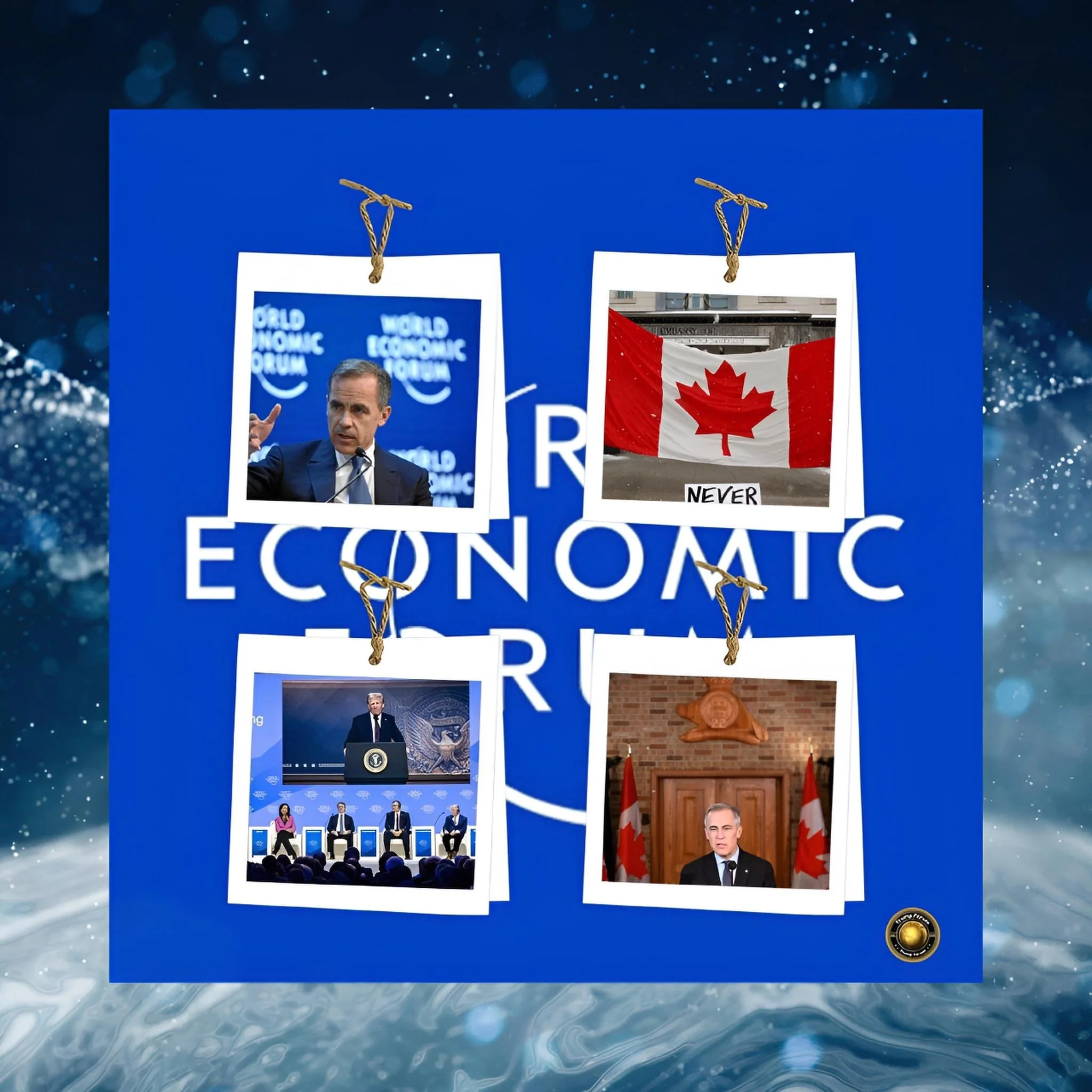
Taking Down the Signs: How Mark Carney’s Davos Speech Shook the World’s Power Brokers
Summary
The Fiction Crumbles
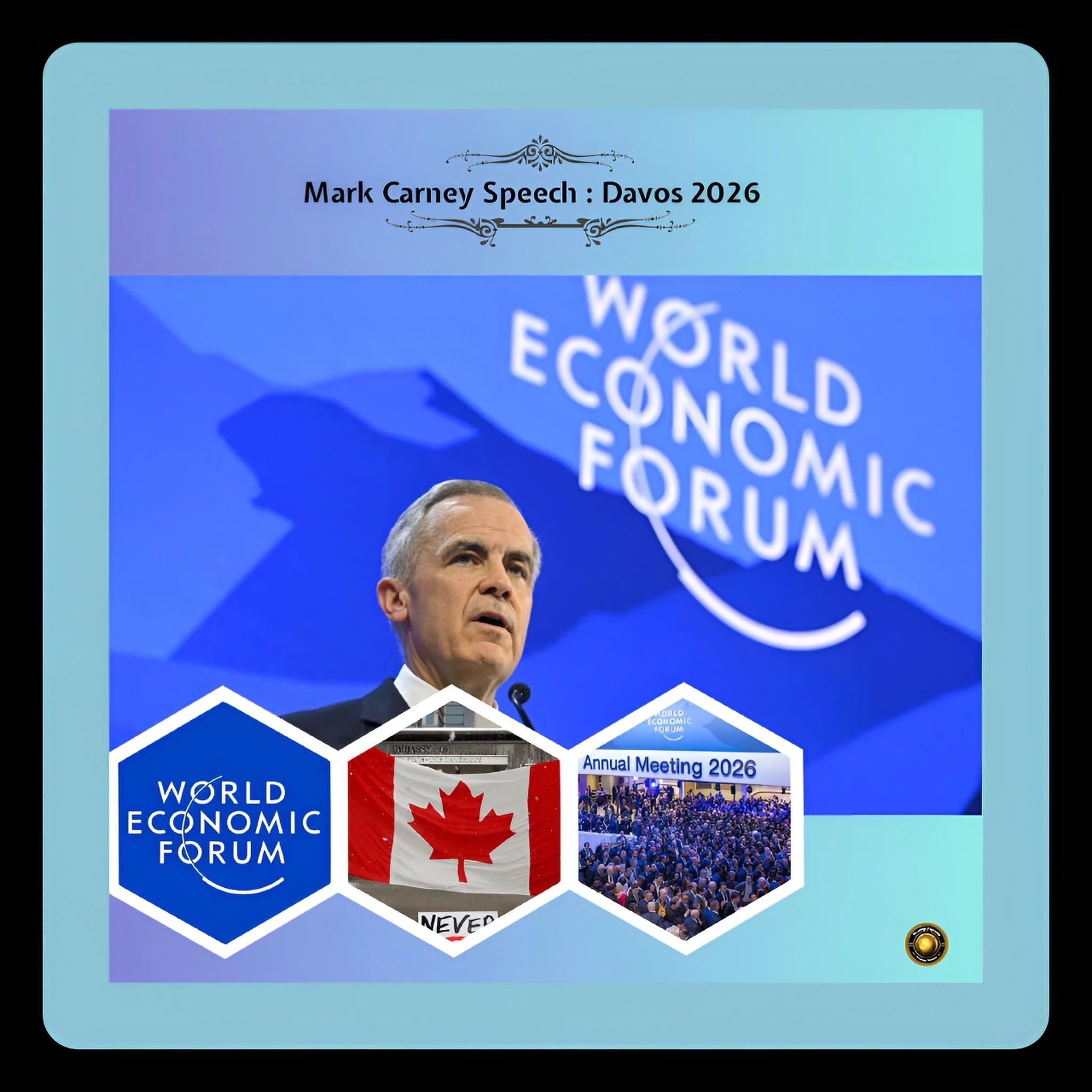
Imagine standing in a room full of the planet’s wealthiest and most influential people, the snow-capped Alps outside, and telling them the old world order is dead. That’s exactly what Canada’s Prime Minister Mark Carney did on January 20, 2026, at the World Economic Forum in Davos, Switzerland. His speech wasn’t just words—it was a wake-up slap to leaders from Europe to Asia, telling them to stop pretending everything’s fine and start building real strength. Leaders around the world took notice, from European presidents praising his guts to whispers in Washington about a new rival voice rising from the north.
Carney, once a top banker who helped save the world from a 2008 financial meltdown, now leads Canada with the same straight talk. He grabbed attention by quoting an ancient Greek historian, Thucydides: “The strong do what they can, and the weak suffer what they must.” Ouch. But he didn’t stop there. Using a story from a Czech writer about a shopkeeper faking support for communism to get by, Carney said countries like Canada have been doing the same for years—putting up fake signs saying “rules-based order rocks!” while knowing big powers bend the rules whenever they want. His message? Rip those signs down. Build your own power—team up with other mid-sized countries. Don’t beg the giants for scraps.
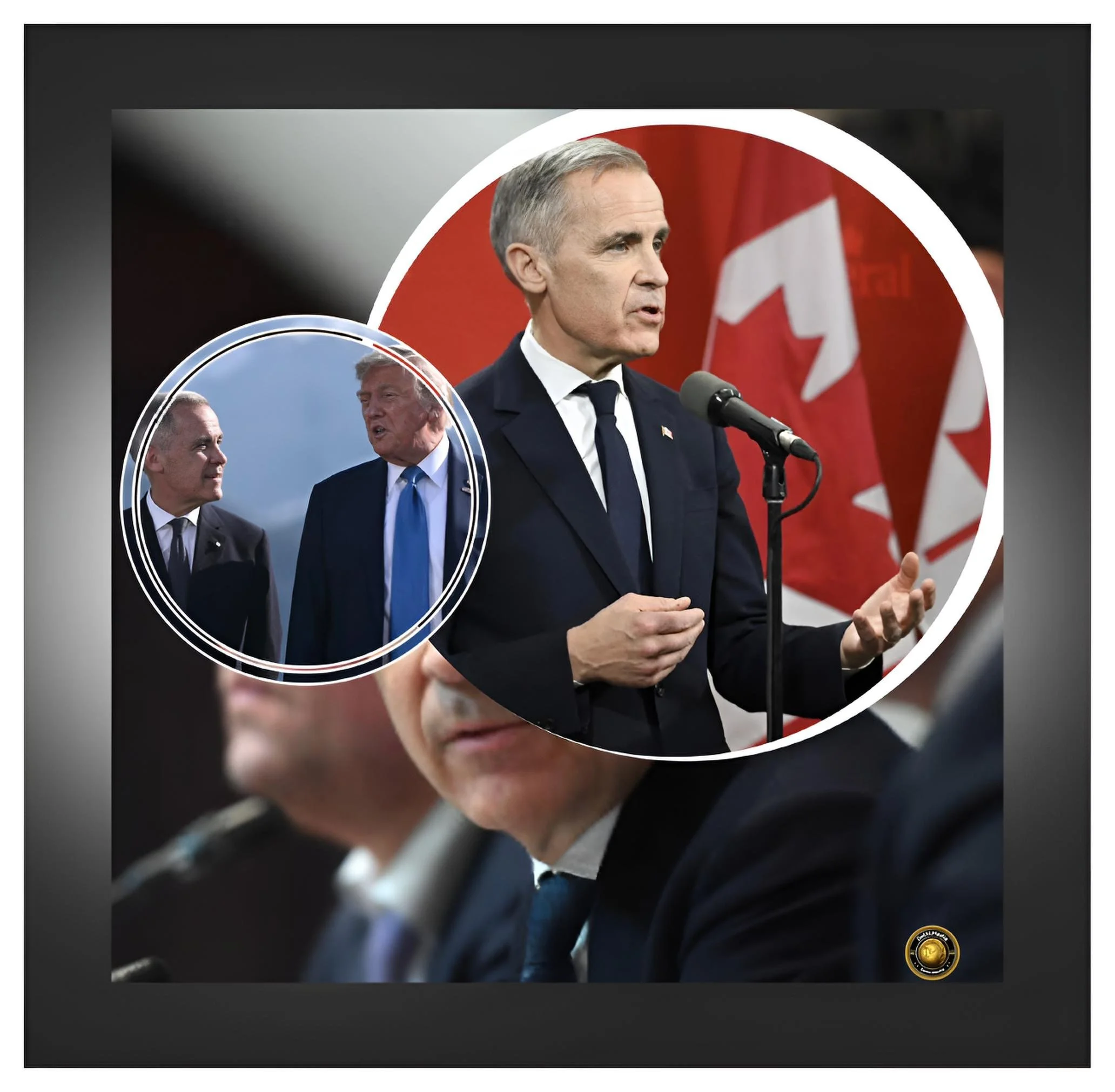
This hit hard because it’s happening now. U.S. President Donald Trump, back in office since 2025, has been slapping tariffs left and right, eyeing places like Greenland for military bases, and pushing “America First” hard. China locks down tech and minerals. Russia invades its neighbors. No one follows the old rulebook anymore. Carney’s speech went viral—millions watched the video, leaders quoted it, and even Trump fired back on social media, calling Canada “weak sauce.” But Canadians rallied behind Carney, giving him sky-high approval. Why? Because he spoke the truth that others whisper.
Executive Hook
The Fiction Crumbles
Let’s rewind. After World War II, the world built big clubs like the United Nations, World Trade Organization, and NATO. The U.S. was the big boss, keeping sea lanes open, dollars stable, and wars at bay. Smaller countries like Canada tagged along, trading freely, pushing human rights, and feeling safe. It was like living in a big, cozy neighborhood where the strongest guy mows everyone’s lawn.
But cracks showed early. Think 2008 financial crash—banks too connected, one falls, all tumble. COVID proved supply chains are weapons: masks stuck in China, chips halting cars worldwide. Then the Ukraine war: energy prices skyrocket, food shortages hit Africa. Now, tariffs fly like confetti. Trump slaps tariffs on Canadian steel, China bans Aussie coal, and Europe slaps fees on U.S. tech. Carney nailed it: globalization turned from friend to foe. Countries woke up realizing, “Hey, if we can’t feed or defend ourselves, we’re toast.”
Today, that old system is toast too. WTO paralyzed, UN toothless on big fights, climate talks stalled. Middle powers—think Canada, Australia, Germany, Japan, Brazil—feel squeezed. Giants bully; they can’t bully back alone. Carney’s status update: rupture, not repair. Time to adapt or get eaten.
Power Plays Unpacked
From Taxes to Tanks
Carney didn’t just complain—he showed his homework. Since becoming PM, Canada slashed taxes on jobs, investments, and business startups. No more red tape blocking trade between provinces. They’re pouring a trillion dollars into power plants, AI supercomputers, rare earth mines, and new shipping routes. Defense budget doubles by 2030, buying radars, subs, jets—not just gear, but factories to build them at home.
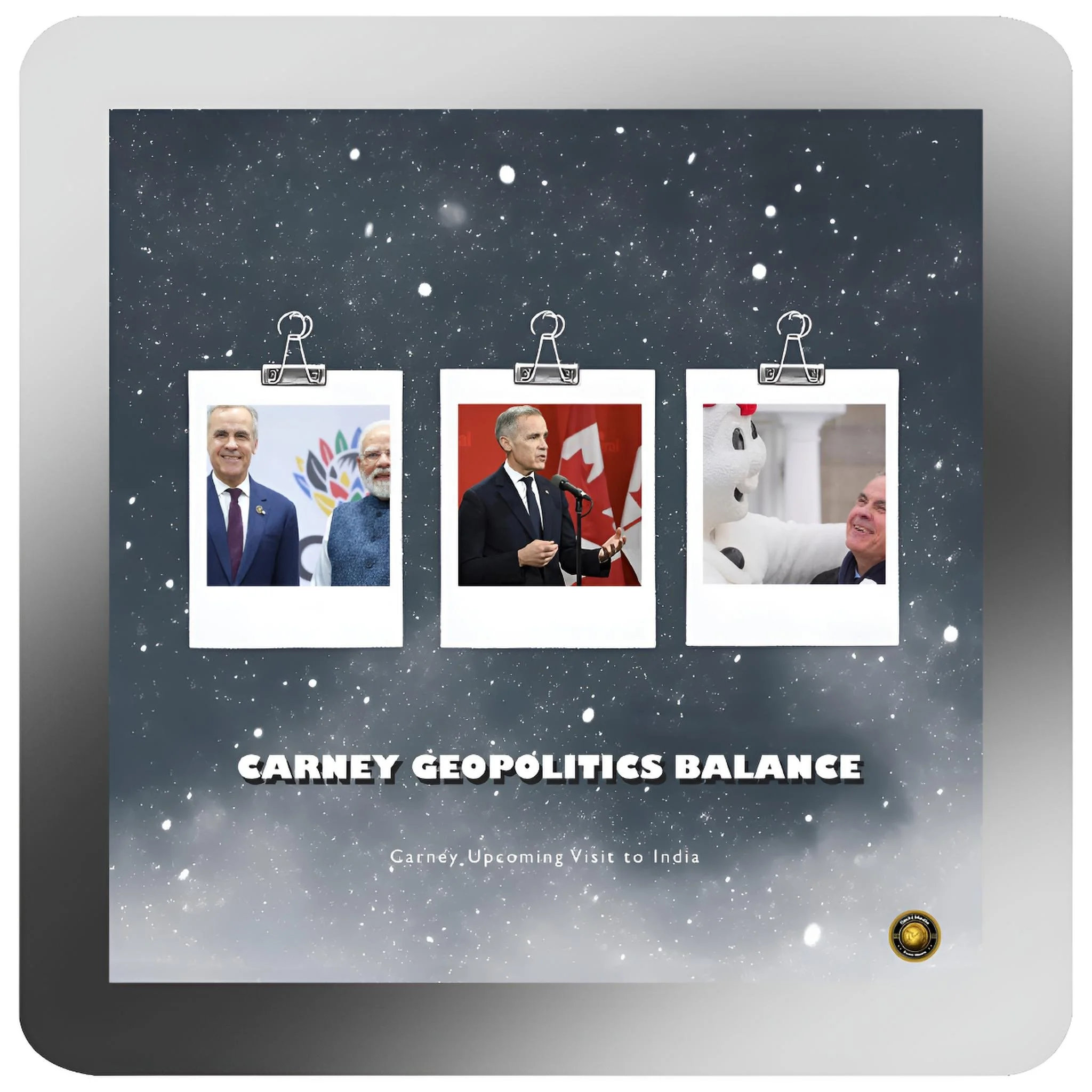
Real examples make it pop. Canada inked a massive deal with the European Union for defense buys and trade. Signed 12 more pacts across continents in months. Fresh partnerships with China for minerals and with Qatar for energy. Talking free trade with India (imagine endless hockey sticks from Mumbai factories), Southeast Asia, and South America’s significant bloc. In Ukraine, Canada is a top donor per person, shipping ammo and training troops, and in the Arctic, backing Greenland against land grabs, beefing up NATO’s cold front with Norway and Finland—boots on ice, eyes in the sky.
For minerals like lithium for EV batteries, Canada’s starting “buyers clubs” with G7 pals to dodge China’s monopoly. On AI, teaming with democracies so no one forces a pick between U.S. or Chinese tech overlords. It’s “variable geometry”—pick partners per problem, no all-or-nothing alliances. Smart, right?
Fresh Alerts
What’s Hot and Risky
Fast facts from Davos: Carney’s speech got a standing ovation—rare there. Trump spoke the same week, pushing walls and deals; Carney stole the show by naming the elephant without naming Trump. Polls show 70% Canadians back his tough line. World reactions? EU leaders like Finland’s president called it “values-based realism.” India nodded on trade bridges. Even some Chinese media reposted clips approvingly.
Worries linger. If everyone builds walls, trade shrinks—poorer everyone, like 1930s depression redux. Inconsistent talk: bash one bully, ignore another? Hypocrisy kills cred. Middle powers fighting each other for giant favors? Like crabs in a bucket, pulling down. And Arctic tensions: Trump’s Greenland push sparked Carney’s firm “no,” calling for talks, not tariffs. Plus, AI race—lose it, lose the future.
Ripple Effects
Why This Causes That
Cause and effect is Carney’s core. Big powers weaponize trade? Effect: everyone scrambles for self-reliance. Example: Europe post-Russia gas cut—now LNG from Canada, Qatar everywhere. U.S. tariffs? Canada diversifies to Asia, and sales boom. But chain reaction: fortresses mean higher prices, slower growth.
Flip it: Carney’s path breaks the cycle. A strong home base lets you say no. Canada cuts energy reliance on U.S., now exports more LNG. Builds leverage for principled stands—like slamming Arctic threats. Middle powers unite? Power multiplies. TPP-EU mega-trade bloc: 1.5 billion people, dwarfs single deals. Effect: giants negotiate seriously, not dictate. Havel’s greengrocer quits faking—illusion cracks, truth spreads. One country rips a sign, others follow. Boom—new order.
No team-up? Doom loop: bilateral begs, weakness exposed, more bullying. See Mexico in USMCA fights—bent over backward. Carney flips script: collective strength equals absolute sovereignty.
Road Ahead
Building the New Game
What’s next? Carney maps it. Governments: pump economies first—tax cuts, infra booms, skills training. Example: Canada’s pension funds investing in homes in mines, creating a job loop. Diversify smart: no China-only for chips, mix suppliers.
Build coalitions, not castles. Trade: link the Pacific and Europe pacts. Defense: EU-Canada buys save cash, share tech. Minerals: G7 pools cash for African mines, ethical digs. AI: open standards club, no monopoly. Arctic: NATO beef-up in the north, joint patrols. Ukraine: keep cash flowing, train locals.
Issue calls: Europe, wake up—stop nostalgia. Asia, join trade bridges. Brazil, minerals pact? Leaders must name reality publicly—no whispers. Track records: consistent standards or bust. Governments prioritize home strength now. Risks? Costly in the short term, but insurance against crashes.
The Big Finish
Canada’s Open Door
Carney wrapped with fire: “The powerful have their power. But we have something too—the capacity to stop pretending.” Canada’s got oil, minerals, brains, money—the world wants it. Pluralistic, green, reliable. No more sidekick. Path open to all.
World leaders heard. EU talks speed up. Japan eyes join. Australia nods. Even skeptics admit: game’s changed. Carney didn’t just speak—he started a movement. From Davos boardrooms to Beijing streets, the question echoes: rip your sign down?
Conclusion
The Big Finish
This speech? Game-changer. Middle powers rising. Watch Canada lead—the rupture births renaissance—if we grab it.