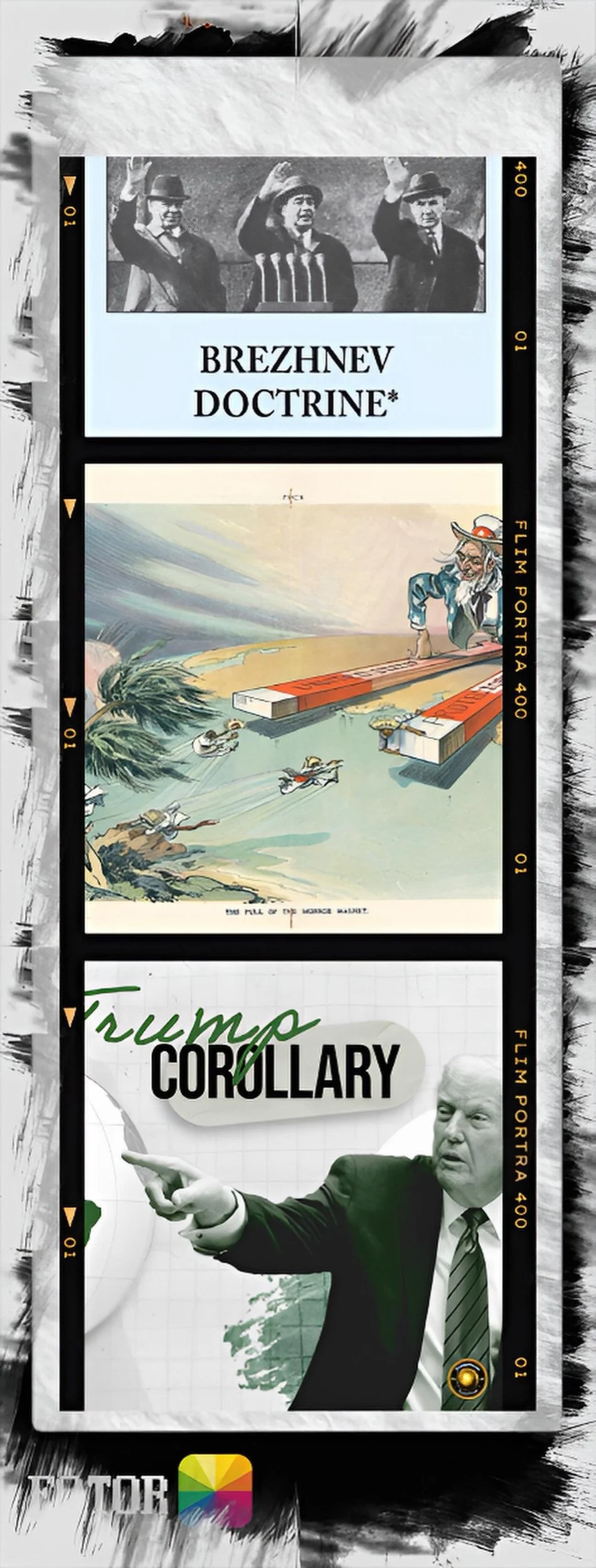
From Soviet Tanks to Delta Force Raiders: How America is Now Acting Like the Soviet Union Did in 1968
EXECUTIVE SUMMARY
Maduro's Capture, Annexation Threats, and Trade War Show Trump Corollary Moving from Words to Military Action
In 1968, the Soviet Union invaded Czechoslovakia. The Soviet leader Leonid Brezhnev then announced a rule: countries in the Soviet area could not truly be independent. If they tried to change, the Soviet Union would invade to stop them.
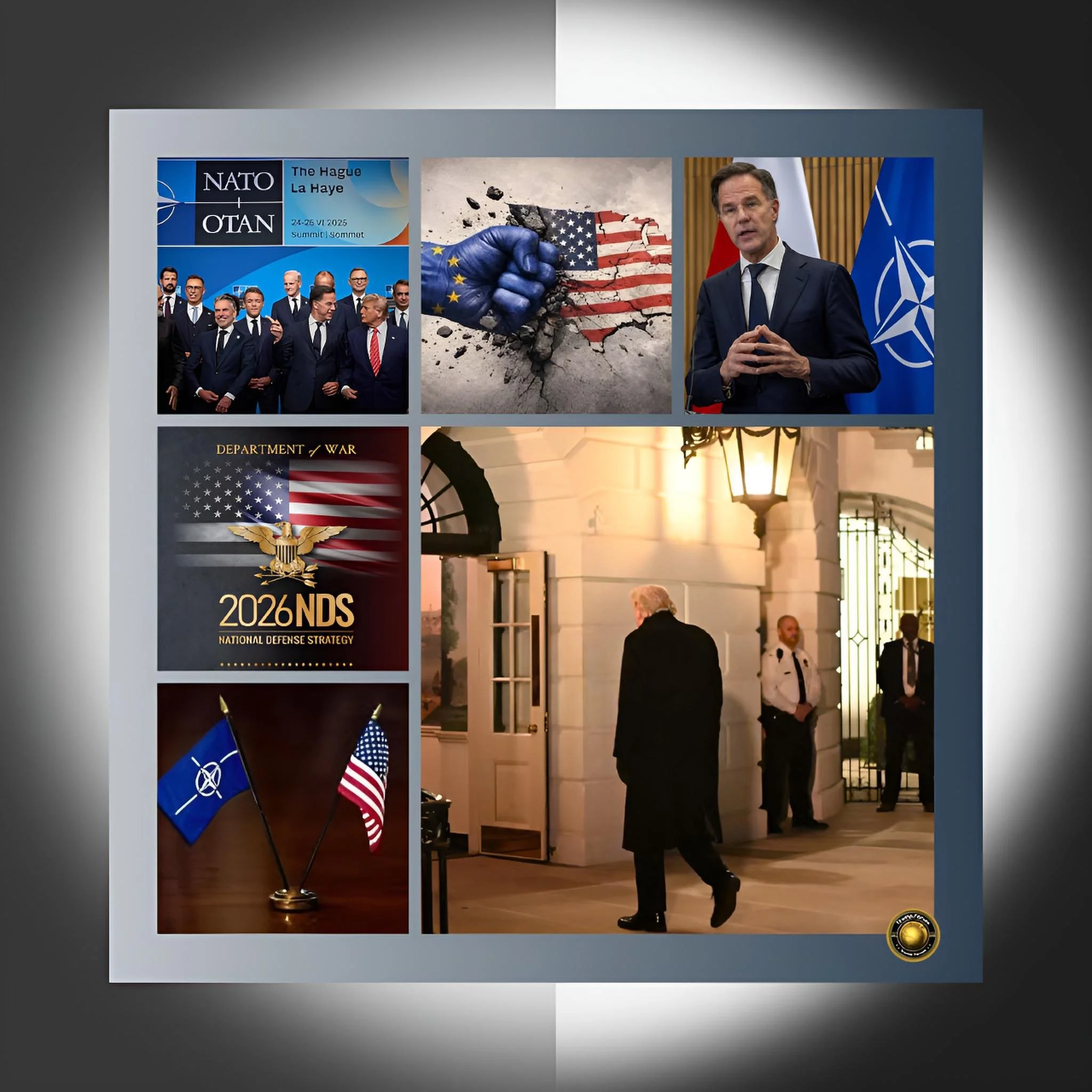
Nearly sixty years later, in January 2026, the American president announced something very similar about the Americas. In his National Defense Strategy of January 23, 2026, he said America would not allow China or any other country to have military power in the Americas. America would conduct military operations anywhere in the hemisphere to enforce this.
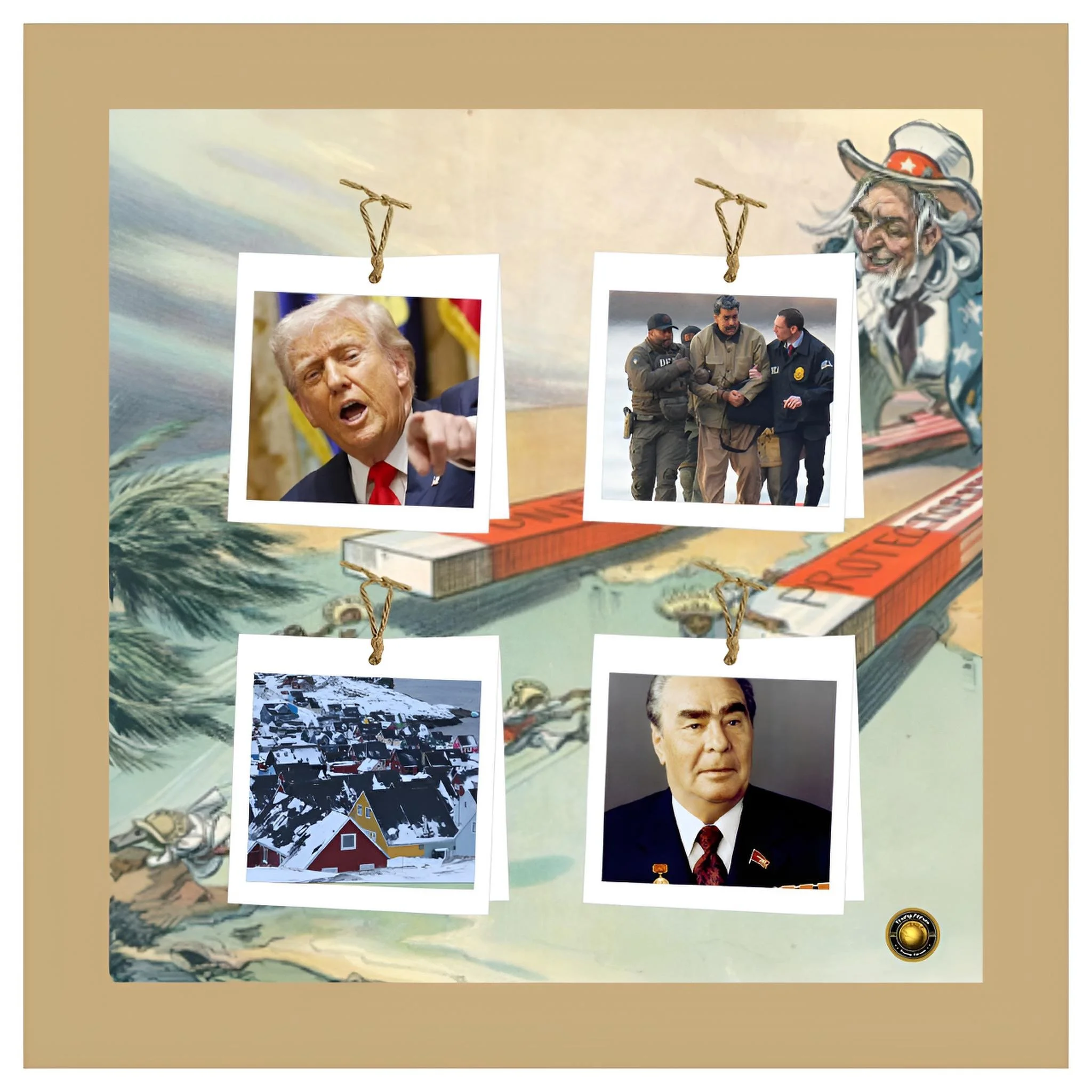
But that was just the beginning. Within ten days, on January 3, 2026, the Trump administration did something shocking: it sent American military forces into Venezuela and captured President Nicolás Maduro. They took him and his wife out of the country in military planes. Maduro now faces criminal charges in New York.
At the same time, Trump started talking about annexing—meaning taking over—Cuba, Colombia, Mexico, and Greenland. He was saying these territories should belong to America to ensure American security and control.
On January 24, 2026, Trump threatened 100 percent tariffs on Canada if Canada makes a trade deal with China. This was economic punishment for refusing to obey American orders.
What is happening is that the Trump administration is moving from talking about controlling the Americas to actually using military force to control it, threatening to take over neighboring countries, and using trade punishment to force obedience. This is exactly what the Brezhnev Doctrine was about in 1968. It is exactly what great powers do when they believe they have the right to control their neighborhoods through whatever force necessary.
This article explains what has happened in January 2026, why it is similar to the Brezhnev Doctrine, what it means for the world, and what might happen next.
INTRODUCTION: FROM DOCTRINE TO MILITARY RAIDS IN TEN DAYS
For most of history, great powers have wanted to control the countries next to them. What is new and shocking is when they stop just talking about it and actually start doing it. Even more shocking is when they do it openly, announcing their intentions in official documents, then conducting military operations just days later.
The Trump administration has done exactly this in January 2026. On January 23, it released an official National Defense Strategy that said America would control the Western Hemisphere. On January 3, before even announcing this strategy officially, it conducted a military raid that captured the leader of Venezuela.
What makes this moment so important is that the world is watching a great power move from theory to practice. We can see what happens when a powerful country decides to enforce its claims to control its neighbors.
The Brezhnev Doctrine was similar. Brezhnev announced in 1968 that communist countries were not truly independent. Then the Soviet Union enforced this claim by keeping Eastern Europe under military control for more than twenty years. Today, we are watching America do the same thing in the Americas.
WHAT WAS THE BREZHNEV DOCTRINE? HISTORY REPEATING ITSELF
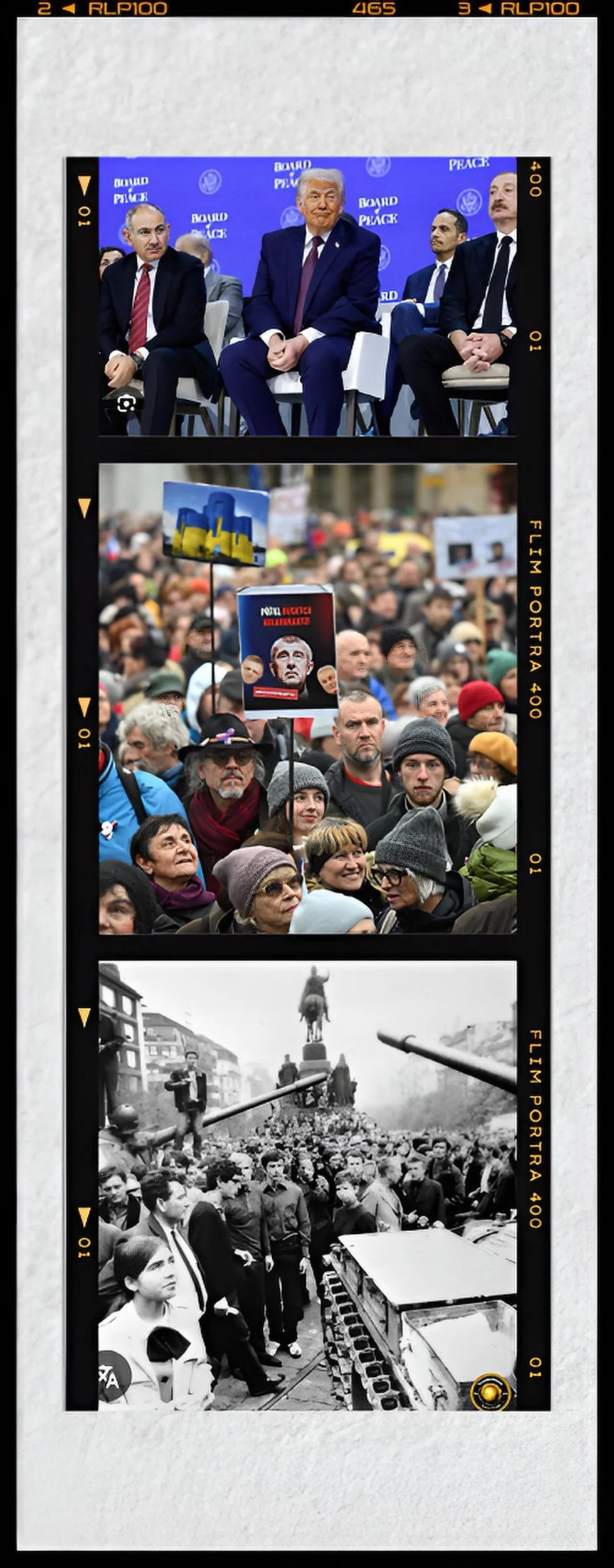
In August 1968, the Soviet Union invaded Czechoslovakia because it wanted to make its government and people more free and open. After the invasion, the Soviet leader Leonid Brezhnev explained his new rule. He said communist countries could not be truly independent. They belonged to a Soviet-controlled group. They could only do what the Soviet Union told them to do. If they tried to change or move toward the West, the Soviet Union would invade them.
This explanation became known as the Brezhnev Doctrine. It meant: you communist countries are not truly independent. You belong to the Soviet Union. You must obey. If you do not obey, we will invade you with military force.
The Brezhnev Doctrine kept Eastern Europe under Soviet control for more than twenty years. Poland, Hungary, and Czechoslovakia could not become more democratic or more free. They lived under the threat of Soviet military invasion. People in these countries knew that if they pushed for freedom or tried to move away from Soviet control, tanks would come and crush them.
The doctrine taught the Soviet military that they could use force without the West fighting back. When Soviet tanks invaded Czechoslovakia in 1968, America did not send tanks to fight them. NATO did not attack. There was no direct military war between the Soviet Union and the West. The Soviet leaders learned that they could invade countries in their sphere without risking a major war.
WHAT IS THE TRUMP COROLLARY? FROM ANNOUNCEMENT TO ACTION
The Monroe Doctrine was announced by American President James Monroe in 1823. It said the Americas were America's region to control. European powers should stay out. For almost two hundred years, America used this to justify controlling Latin America and the Caribbean.
In January 2026, Trump announced what is called the Trump Corollary. A corollary is something that follows naturally from something else. Trump said America would control the Western Hemisphere. China could not have military bases here. America would conduct military operations anywhere in the Americas. Any country that did not obey America would face military action.
The Trump Corollary basically said: the Americas are America's region. America is now in charge. Any country that does not obey will be dealt with.
But the Trump Corollary was not just a policy paper. It became a real military operation within days.
MADURO'S CAPTURE: FROM WORDS TO MILITARY ACTION IN TEN DAYS
On January 3, 2026, the United States conducted a military raid inside Venezuela. American Delta Force soldiers, armed with an experimental weapon called a "discombobulator," entered Venezuela and captured President Nicolás Maduro and his wife. They took both of them out of the country by military planes.
Maduro now faces criminal charges in New York. The American government announced that it is now "in charge" of Venezuela and will control Venezuela until it puts a new government in place.
This was an extraordinary action. America did not invade because Venezuela attacked America. It did not invade because of a humanitarian crisis (though Venezuela does have serious problems). It invaded to capture the leader of a country because that leader did not obey American orders and because America believed Venezuela was too close to China.
This is different from just announcing a doctrine. This is actually using military force to remove the leader of a neighboring country and take control of it.
The Brezhnev Doctrine worked the same way. Brezhnev announced the rule, then the Soviet Union enforced it by invading Czechoslovakia and keeping control of Eastern Europe for decades.
Now America is doing the same thing in the Americas. It announced the Trump Corollary. Then it conducted a military raid to enforce it.
ANNEXATION THREATS: FROM VENEZUELA TO CUBA, COLOMBIA, MEXICO, AND GREENLAND
After capturing Maduro, Trump started talking about annexing other countries. Annexing means taking over. He said America might take over Cuba, Colombia, Mexico, and Greenland.
For Cuba: Trump said America needed to control Cuba to prevent China from establishing military bases there. Controlling Cuba would give America complete control of the Caribbean.
For Colombia and Mexico: Trump said America needed to control these countries to fight drug trafficking organizations and to control the border.
For Greenland: Trump said America needed Greenland to control Arctic resources and sea routes. He said Denmark should either sell Greenland to America or let America take it over.
These are not jokes or casual comments. These are serious policy statements by the American president about taking over neighboring countries.
This is annexation. This is saying that America has the right to take territory from other countries if America believes it needs it for security or strategy.
International law says this is illegal. The United Nations says countries cannot take over other countries and steal their territory. This was the rule created after World War II to prevent powerful countries from conquering weaker ones.
But Trump is saying that America does not care about this rule. America will take whatever territory it needs if it serves American security interests.
This is exactly what Brezhnev did in a different way. Brezhnev said Soviet interests were more important than the independence of neighboring countries. Trump is saying American interests are more important than the independence and territory of neighboring countries.
THE 100 PERCENT TARIFF THREAT AGAINST CANADA
On January 24, 2026, Trump threatened 100 percent tariffs on Canadian goods if Canada makes a free trade deal with China. One hundred percent tariffs means the price of Canadian goods would double when entering America. It would make it impossible for Canada to sell anything to America.
Canada is America's closest neighbor and its largest trading partner. If America puts 100 percent tariffs on Canadian goods, it would hurt both Canada and America. American consumers would pay more for everything from Canada. Canadian workers would lose their jobs because nobody could buy Canadian products.
Trump is saying that if Canada does not obey America's orders about not trading with China, America will use tariffs as punishment. This is using economic war to force obedience.
This adds a third weapon to the Trump Corollary. First is military force (the raid on Venezuela). Second is territorial threats (annexation of Cuba, Colombia, Mexico, Greenland). Third is economic punishment (tariffs against Canada).
Any country in the Americas now knows: if you do not obey American orders, America might invade you, might take over your territory, or might destroy your economy through tariffs. You have no real choice. You must obey.
This is the Trump Corollary in action. This is what it really means.
FIVE SURPRISING SIMILARITIES BETWEEN BREZHNEV AND TRUMP
When you look at what Brezhnev did in 1968 and what Trump is doing in 2026, you see five striking similarities.
First similarity
Both say neighboring countries do not have true independence. Brezhnev said communist countries belonged to the Soviet Union and had to obey Soviet orders. Trump is saying countries in the Americas belong to America and have to obey American orders. Neither allows neighboring countries to make their own free choices.
Second similarity
Both use military force to enforce their orders. Brezhnev invaded Czechoslovakia with tanks to enforce Soviet control. Trump sent Delta Force to capture Maduro to enforce American control. Both are willing to invade neighboring countries to make them obey.
Third similarity
Both threaten to take over the territory of neighboring countries if it serves their interests. Brezhnev kept all of Eastern Europe under Soviet military control and Soviet-controlled governments. Trump is threatening to annex Cuba, Colombia, Mexico, and Greenland. Both believe they have the right to control their neighbors' territory.
Fourth similarity
Both use economic and military punishment to force obedience. Brezhnev used Soviet military power to threaten Eastern European countries into obedience. Trump uses military raids and tariff threats to force obedience. Both say: do what we want or we will punish you.
Fifth similarity
Both claim they are acting for the good of the region. Brezhnev said he was protecting communism and the socialist bloc. Trump says he is protecting American security and the hemisphere from Chinese invasion. Both use noble-sounding language to hide what is really happening: the powerful country is using force to control the weak countries.
WHY THEY DID IT: THE THREATS THEY SAW
Brezhnev believed communism was under threat. If communist countries became too free and too open, people might choose to leave communism and move toward the West. Brezhnev believed if he did not stop this, all of Eastern Europe would eventually break away from Soviet control.
Trump believes America is losing control of the Americas. He sees China trying to establish bases and political power in the hemisphere. He sees Venezuela, Nicaragua, and Cuba as being too friendly with China. He sees drug trafficking organizations as out of control. He believes if he does not reassert American dominance, China will eventually control the Americas and challenge American power.
Both leaders see threats to their regional dominance. Both believe they must use military force and territorial control to maintain their power. Whether these threats are as large as these leaders believe is a different question. But the important point is that both leaders convinced themselves that their region was under threat and that they needed to use military force to respond.
WHAT HAPPENED AFTER THE BREZHNEV DOCTRINE: TWENTY YEARS OF CONTROL
After Brezhnev announced his doctrine, the Soviet Union kept Eastern Europe under strict military control for more than twenty years. Countries like Poland, Hungary, and Czechoslovakia could not become more democratic. They could not move toward the West. They had to stay communist and stay loyal to the Soviet Union.
The people in these countries lived with the fear that if they pushed too hard for freedom, Soviet tanks would come and crush them. They remembered what happened to Czechoslovakia in 1968. They knew the Soviet Union was willing to invade.
This control lasted until the Soviet Union itself fell apart in 1991. By that time, the Soviet Union was so exhausted from trying to control Eastern Europe and from fighting in Afghanistan that it could not hold itself together. The rigid control that Brezhnev imposed eventually contributed to the Soviet Union's collapse.
WHAT COULD HAPPEN AFTER THE TRUMP COROLLARY
If the Trump Corollary follows the same pattern as the Brezhnev Doctrine, we could see American military forces operating throughout the Americas for decades. We could see American control of Venezuela, Cuba, and potentially other countries.
But we are already seeing response and resistance. The question is whether the Trump administration can actually enforce its will across the entire hemisphere for a long time.
Brazil, Mexico, Colombia, and other large countries are watching what is happening to Venezuela. They are calculating: how can we survive in this situation? How can we keep our independence?
These countries might try to make secret deals with China or Russia to balance American power. They might try to arm themselves better to resist American military pressure. They might try to coordinate with each other to resist American demands.
China is watching too. China might offer military and economic support to countries that America is threatening. This could lead to China and America fighting over influence in the Americas.
WHY THIS MATTERS IN 2026
We are watching something that usually happens in history books, not in real time. We are watching a great power move from talking about dominance to using military force and territorial threats to actually dominate a region.
In 1968, we could only read about what the Soviet Union did in Czechoslovakia. But today, we are watching America do similar things in Venezuela in real time. We are seeing the Trump administration announce annexation threats against neighboring countries. We are seeing it use economic punishment to force obedience.
This matters because it shows that the world's rules about international law and respecting other countries' independence are not as strong as we thought. If a powerful country decides to ignore these rules, what can stop it?
It also matters because other powerful countries will watch what happens to America when it tries to dominate the Americas. If America succeeds without punishment, Russia will feel justified in doing the same thing in Ukraine and other former Soviet countries.
China might feel justified in taking military action against Taiwan. If the world allows America to break the rules, other countries will break the rules too.
WHAT COULD GO WRONG
Several bad things could happen if the Trump Corollary continues along its current path.
First, there could be war between great powers. If America tries to prevent China from having any influence in the Americas, and China tries to establish that influence anyway, American and Chinese military forces could fight each other. This could start a war between the two biggest military powers in the world.
Second, there could be huge suffering for people in the hemisphere. Military raids, annexations, and economic punishment through tariffs would hurt ordinary people. Venezuela has already suffered economic collapse. If America invades and tries to control it, the suffering could become even worse.
Third, the international legal system could break down completely. The United Nations and international law are based on the idea that countries cannot invade other countries and steal their territory. If America ignores this rule, other countries will ignore it too. Russia has already ignored this rule in Ukraine. If America also ignores it, the whole legal system falls apart.
Fourth, countries could develop weapons of mass destruction to defend themselves. If Mexico or Colombia believes America might invade and take over their territory, they might try to develop nuclear weapons to prevent invasion. This could spread nuclear weapons throughout the Americas.
WHAT SHOULD HAPPEN NEXT
To prevent the Trump Corollary from causing even more conflict and suffering, several things should happen.
First, countries in the Americas should work together to defend their independence. Brazil, Mexico, Colombia, and other large countries should coordinate their policies and build alliances with each other. Countries in Eastern Europe protected themselves by joining NATO and the European Union. Latin American countries might need to do something similar to protect themselves from American domination.
Second, the international community should make clear that annexation and military invasion are not acceptable. The United Nations should pass strong statements against the Trump Corollary. Other countries should impose costs on America if it continues annexation talk or military raids.
Third, smaller countries should try to make themselves valuable to multiple great powers. By trading with China, Europe, and Russia, as well as America, they can prevent any single power from dominating them completely.
Fourth, America and China should agree on rules about competition in the Americas. They should accept that they will compete for influence, but within limits that do not involve military invasion or military threats.
CONCLUSION: HISTORY KEEPS REPEATING
The Brezhnev Doctrine and the Trump Corollary are separated by nearly sixty years.
They come from different countries, different leaders, and different times. But they express the same idea: powerful countries have the right to control their neighbors, and if neighbors do not obey, powerful countries will use military force to make them obey.
The difference between them is that Brezhnev just announced the doctrine and then enforced it over decades.
Trump announced the doctrine on January 23, 2026, and started military operations on January 3, 2026. Trump is moving much faster to put the doctrine into practice.
The big question facing the world in 2026 is whether this pattern will be allowed to continue.
The Brezhnev Doctrine led to the Soviet Union controlling Eastern Europe for decades. It made the Soviet Union rigid and unable to change.
Eventually, this helped cause the Soviet Union to fall apart.
The Trump Corollary could follow a similar path. If America tries to control the entire Western Hemisphere through military force and military threats, it could create huge resentment and resistance. Other great powers will not accept being excluded from the Americas. Smaller countries will try to keep their independence and their ability to trade with multiple powers.
The doctrines of Brezhnev and Trump show us that great powers believe they have the right to control their regions. But history also teaches us that such control is ultimately unsustainable and often leads to conflict and suffering.
Watching what happens next will be one of the most important geopolitical events of 2026.
Will the international community accept American dominance of the Americas, or will it resist?
Will other countries follow America's example and declare their own spheres of dominance?
Will the world fall into a system where powerful countries control their regions through military force, or will countries find ways to maintain independence and peace?
These are the questions that January 2026 has put before us.