Europe’s Need for America: Why Mark Rutte Says Europe Cannot Defend Itself
Summary
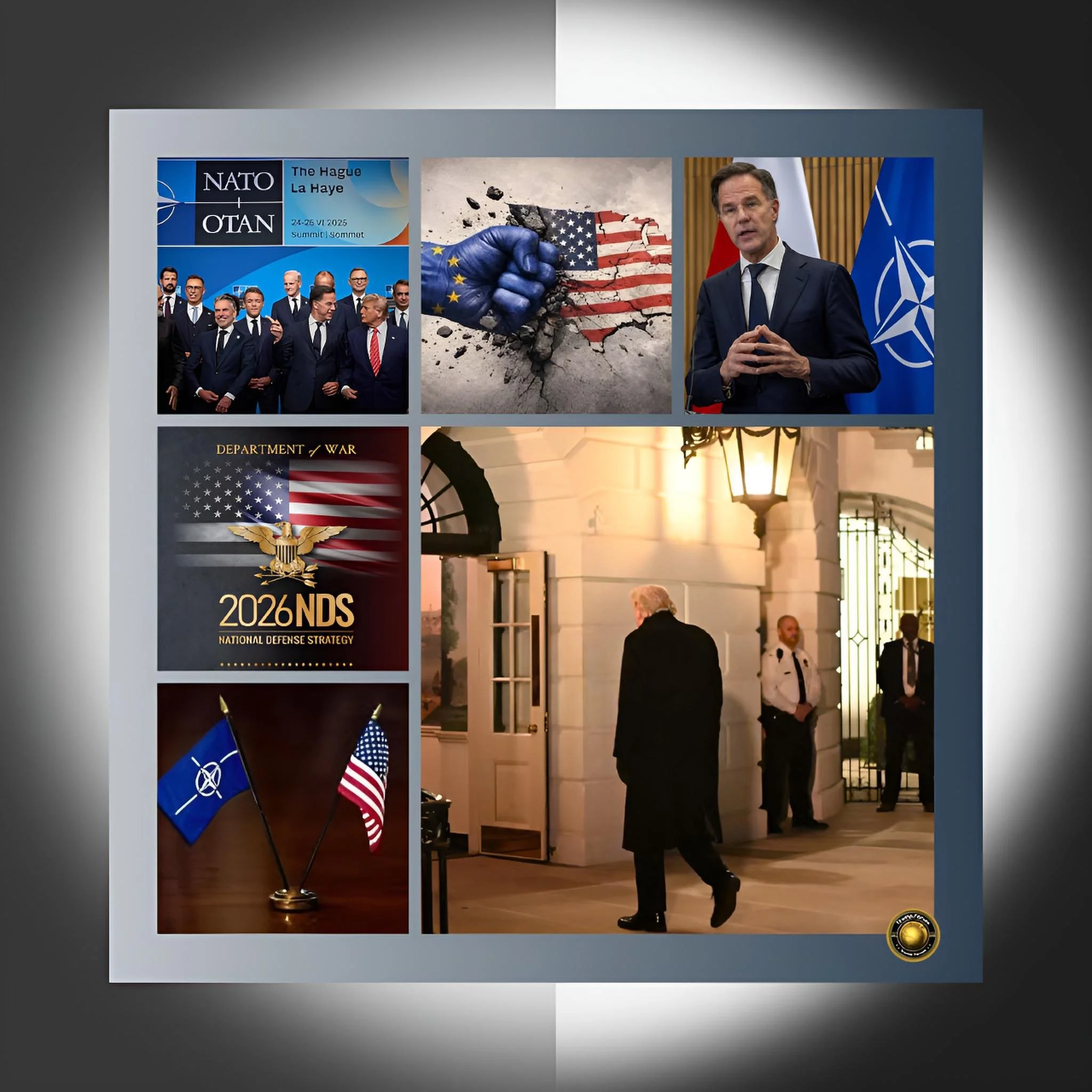
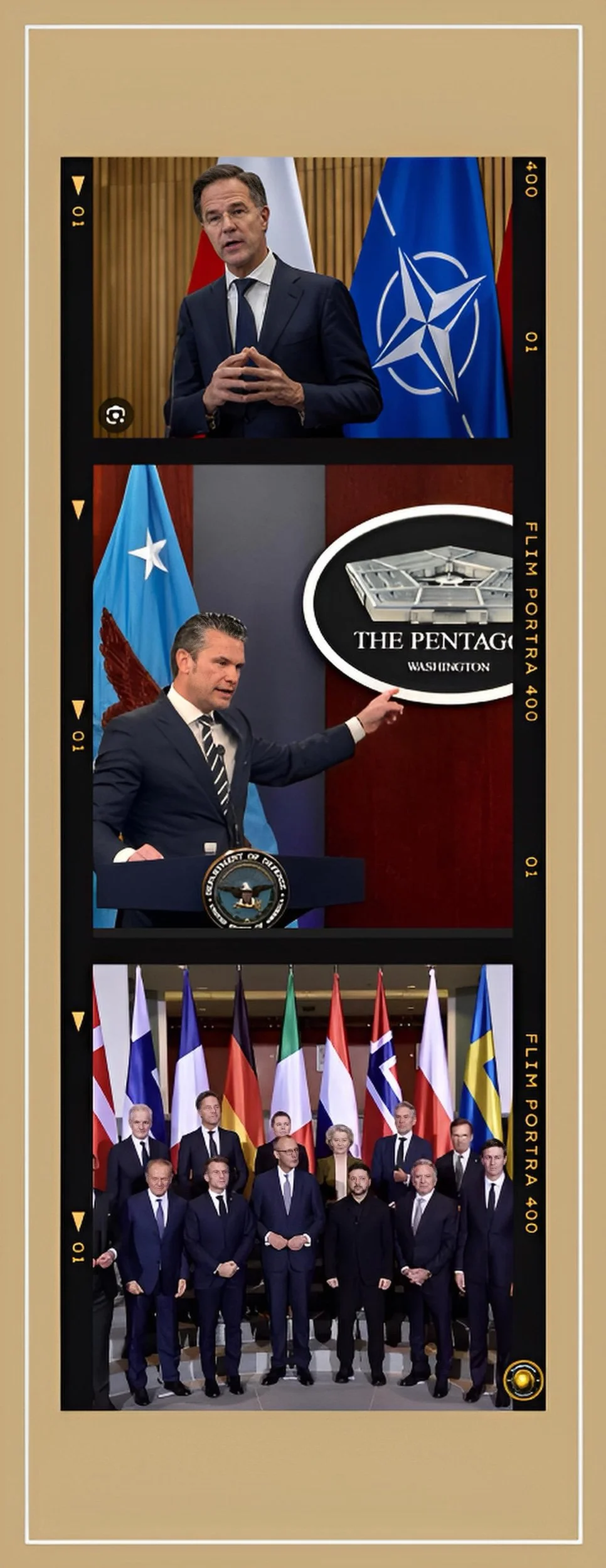
Mark Rutte, who leads NATO (the military alliance of North American and European countries), recently made a bold statement. On January 26, 2026, he said something very clear: Europe cannot defend itself without the United States. This statement shocked some people, inspired debates, and raised important questions. This article explains what Rutte means, whether he is correct, and what it means for Europe's future security. We will also examine why Rutte makes this statement and what the Pentagon (America's military leadership) thinks about European defense.
What is NATO and Why Does It Matter?
NATO stands for the North Atlantic Treaty Organization. Think of it as a military club created after World War II ended in 1945. The basic rule of this club is simple: if one country in NATO gets attacked, all the other countries must help defend it. This is called Article 5, and it has become the foundation of European security for more than 70 years.
The European countries that belong to NATO include Germany, France, Italy, Poland, and many others. The United States is also part of NATO. When NATO was created, Europe was completely destroyed after World War II. The American military was strong and had lots of weapons. So Europe depended on American soldiers and American weapons to stay safe.
For seventy years, this arrangement worked well. American soldiers stayed in Europe. American weapons protected Europe. Europe paid for some costs but not all of them. Many Europeans became comfortable with this arrangement. They spent less money on their own militaries because they knew America would help if Russia attacked.
Then everything started to change in 2024 and 2025. A new American president named Donald Trump returned to power and started asking tough questions: Why does America spend so much money protecting Europe? Why don't European countries spend more on their own defense? These questions changed everything.
What Does Mark Rutte Say About European Defense?
Mark Rutte is the Secretary General of NATO—basically the most important person at NATO's headquarters in Brussels. He used to be the Prime Minister of the Netherlands for twelve years. When he became NATO's leader in 2025, he had to convince everyone that he was the right person for the job.
Rutte says something specific and important: "Europe cannot defend itself without the United States." He has repeated this statement many times since January 2026. What does this mean exactly?
Think of it this way. Imagine your house gets attacked by a robber. You can lock your doors and windows (that is like European air defense). You can call the police (that is like NATO soldiers). But if the robber has huge equipment and lots of helpers, you might still need your neighbor (America) to help you defeat the robber. That is what Rutte means.
Is Mark Rutte Telling the Truth?
This is a complicated question because Europe has different abilities in different areas. Let's break this down:
Areas Where Europe Is Strong:
Europe has excellent fighter jets, air defense systems, and navy ships. France has nuclear weapons. Germany has well-trained soldiers. Poland is building one of Europe's biggest armies. When it comes to flying airplanes and fighting in the air, Europe can compete with Russia. When it comes to defending against electronic attacks and computer attacks (cyber warfare), Europe is actually quite good. When it comes to fighting at sea, European navies can defend the coastline. These things show that Europe is not completely helpless.
Areas Where Europe Is Weak:
But here is where the problem starts. Russia has enormous armies with millions of soldiers trained to fight on the ground. Imagine two boxers fighting. One boxer is very small but very fast. The other boxer is huge but a bit slow. In an immediate fight, who would win? The huge boxer probably wins. That is Europe versus Russia in ground fighting.
Also, Europe cannot quickly move large armies across long distances without American airplanes. America has special giant airplanes that can carry tanks, trucks, and soldiers across the world in hours. Europe does not have these airplanes. So if Russia attacks Poland or the Baltic countries, Europe cannot quickly send massive reinforcements. That takes time. Too much time.
Additionally, when someone needs to hit targets very far away with extreme accuracy, that requires special missiles and satellites. America has these. Europe does not have many of these capabilities.
A Specific Example:
Imagine Russia attacks Estonia (a small country next to Russia that is in NATO). Experts say European countries could defend Estonia fairly well for 72 hours—that is three days. European planes could protect the sky. European soldiers could fight on the ground. But after three days, if America does not help, Europe starts running out of ammunition, running out of people, and running out of ideas.
Without American help, European countries might eventually defend Estonia, but only after many months and with much bigger costs. With American help, NATO could stop Russia in days. That is the difference. Europe is not defenseless. But Europe is much weaker without America than with America.
What Did the Pentagon Say in Its 2026 Defense Strategy?
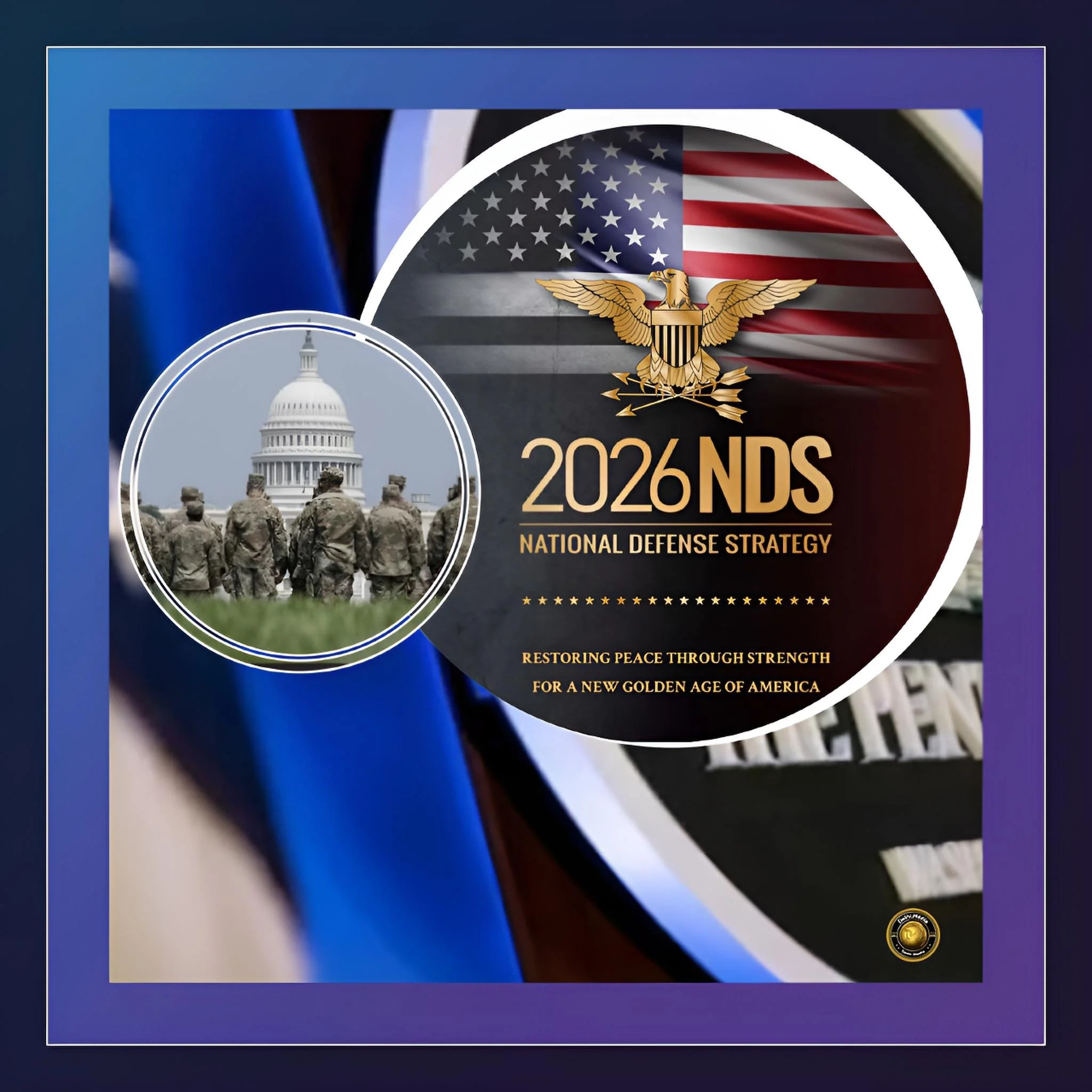
The Pentagon is America's military leadership. In January 2026, it published a big report called the National Defense Strategy. This report explains what America's military priorities are for the future.
What surprised many people is that America said Russia is only a "persistent but manageable" threat. That sounds like America is saying Russia is not so dangerous anymore. But that is not the full story. America was trying to send a different message: Europe needs to take more responsibility for defending itself.
The Pentagon strategy basically says: America is going to spend less time protecting Europe. Instead, America will focus on two things. First, protecting America's own homeland. Second, competing with China in Asia.
That message means: European countries need to spend much more money on their own military forces. Much more than they have spent before.
The Pentagon strategy also says allies should spend 5 percent of their national income (called GDP) on defense. Currently, most European countries spend only 2 percent. Five percent is enormous—that is 2.5 times more money.
Why Is Spending So Important?
Think of military defense like a fitness program. If you do not exercise regularly, you become weak. If you stop paying for new equipment, your weapons become old. If you do not train your soldiers, they become less effective. European countries stopped paying enough for military spending after the Cold War ended in 1991. For 30 years, European countries paid less and less for defense.
Now, Russia has invaded Ukraine and Europe suddenly realizes: We need stronger militaries. We need newer weapons. We need more soldiers trained and ready. But building these things takes money—lots and lots of money.
In 2025, NATO countries promised to spend 5% of their national income on defense by 2035. That means:
Germany would spend 190 billion dollars per year (instead of about 100 billion)
France would need to increase significantly
Poland is already spending 3.8 percent and increasing further
Estonia, Latvia, and Lithuania are spending 3 percent or more
This costs so much money that some countries are asking: Where do we get this money? The answer is: we have to reduce spending on schools, hospitals, and roads. Or we have to raise taxes on citizens. That is unpopular with voters. So European leaders are moving slowly.
The Trump Corollary to the Monroe Doctrine: What Does It Mean?
In November 2025, President Trump introduced something called the "Trump Corollary to the Monroe Doctrine." This sounds complicated, so let us explain it simply.
In 1823, President James Monroe said: America controls the Western Hemisphere. No other countries can have power here. That was the original Monroe Doctrine.
Trump updated that idea. He says: America will control the Americas (North America, South America, Central America, and the Caribbean islands). That includes Greenland. That includes the Panama Canal. That means America does not want Russia or China having any power or influence in these regions.
Why does this matter for Europe? Because it means America is focusing on its own hemisphere. America is saying: We cannot protect Europe as much anymore because we are busy protecting our own hemisphere and competing with China in Asia.
Think of it like this: Imagine a security guard who used to protect three buildings. The guard decides to focus on one building only. The other buildings must hire their own guards or get less protection. That is what America is telling Europe.
The Different Possible Futures
Europe and America could go in several different directions from here:
Possible Future Number One: Alliance Holds Strong
America keeps protecting Europe with soldiers and weapons. Europe spends 5 percent of national income on defense as promised. NATO stays together. Russia does not attack anyone new. Ukraine gets peace. This future would take about 10 years, but eventually Europe would become stronger militarily. Rutte would be correct that Europe needs America NOW, but less correct in 10 years. This is the best-case future for Europe.
Possible Future Number Two: America Gradually Withdraws
America removes some soldiers from Europe and moves them to Asia or America's southern border. Europe still has to spend 5 percent on defense, but without American soldiers and American weapons, Europe becomes more vulnerable. Russia sees this and becomes more aggressive. Ukraine might lose territory. The Baltic countries might feel very scared. This is a medium-risk future.
Possible Future Number Three: NATO Breaks Apart
America and Europe have a huge argument. America leaves NATO completely. Europe must defend itself against Russia immediately, before European weapons are ready. This would be very bad for Europe. Russia might attack smaller countries like the Baltic states. This is the worst-case future for Europe but currently still possible because President Trump has made threats about NATO.
Possible Future Number Four: Europe Becomes Independent
Over the next 10 years, Europe invests heavily in military equipment and training. France shares its nuclear weapons capability more openly with other European countries. Germany becomes a military superpower. Poland builds a huge army. Europe says: We do not need America anymore. We can defend ourselves. This future would cost Europe enormous amounts of money and take many years. It might happen eventually, but not soon.
Is Rutte Telling the Truth or Protecting His Own Job?
This is a fair question. Mark Rutte has a job as NATO Secretary General. If Europe said "We do not need America, we can defend ourselves alone," then NATO would become less important. Rutte would have less power. So Rutte has an incentive to say: Europe needs America. NATO is essential. Let us all work together.
Also, Rutte's job depends on keeping America interested in NATO. President Trump did not like NATO for many years. Trump threatened to leave NATO. Rutte convinced Trump to stay in NATO by agreeing with Trump's demands.
Rutte agreed that Europe should spend 5% on defense. Rutte said nice things about Trump. Some people call Rutte the "Trump Whisperer" because he seems to know how to make Trump happy.
So is Rutte telling the truth? The answer is: Rutte is telling a partial truth. Europe really does need America for now—the military facts support that. But Rutte also benefits personally if people believe Europe needs America. So Rutte might emphasize European weakness more than necessary.
Additionally, Rutte's position connects to defense companies. When Europe buys weapons, defense companies make profits. When Europe buys American weapons, American defense companies make profits. Rutte travels around telling defense companies to make more weapons. This benefits defense companies. So there is some connection between Rutte's position and the defense industry. But this does not mean Rutte is lying—it just means he benefits when countries spend more on defense.
The Bottom Line: What Should We Understand?
Here is the key takeaway: Mark Rutte's statement that Europe cannot defend itself without America is basically accurate right now, in 2026. Europe has real military weaknesses that America can fix. But this might not be true forever. Over the next 10 years, if Europe spends enough money on defense, Europe could become stronger. Eventually, Europe might defend itself.
However, in the short term (2026 to 2030), Rutte is correct.
Europe needs America. Here is why:
Russia has huge ground armies that Europe cannot match quickly
Europe depends on American airplanes to move soldiers quickly
Europe depends on American satellites and intelligence
Europe depends on American nuclear weapons to scare Russia
But things could change. If America leaves NATO, Europe must learn to defend itself fast. If Europe spends trillions on weapons over ten years, Europe becomes stronger. If China and Russia become less aggressive, Europe feels safer.
Why This Matters for Regular People
You might be wondering: Why should I care about Mark Rutte and NATO and defense spending?
Here is why
This affects your money. When countries spend more on defense, they spend less on schools, hospitals, and roads. You pay taxes for these things. If defense spending increases, your taxes might increase. Or your schools might have less money.
Also, NATO keeps Europe peaceful. If NATO breaks apart, wars could happen. If wars happen, economies suffer. Prices go up. People lose jobs. That affects your life.
Finally, your future might depend on this. If you are a young person in Europe, you want to know: Will I have to join the military? Will I have to move because of a war? Will my country be safe? These questions depend on whether NATO stays strong and whether America keeps protecting Europe.
Conclusion
A Complicated Truth
Mark Rutte says Europe cannot defend itself without America. This statement contains truth. Europe really does depend on America right now. But the statement also serves Rutte's interests in keeping NATO important and America engaged. Both things are true at the same time.
The real question is: How long will Europe depend on America? The answer is: At least until 2030-2035, probably. Maybe longer. It depends on spending, weapons production, political unity, and Russian decisions.
For now, Europe needs America. That is a fact. Europe is working to become less dependent over the next decade. That is also a fact. Whether Europe succeeds depends on decisions made today.