Zelenskyy's Davos 2026 Address: Europe's Crisis of Agency and Ukraine's Path Forward
Executive Summary
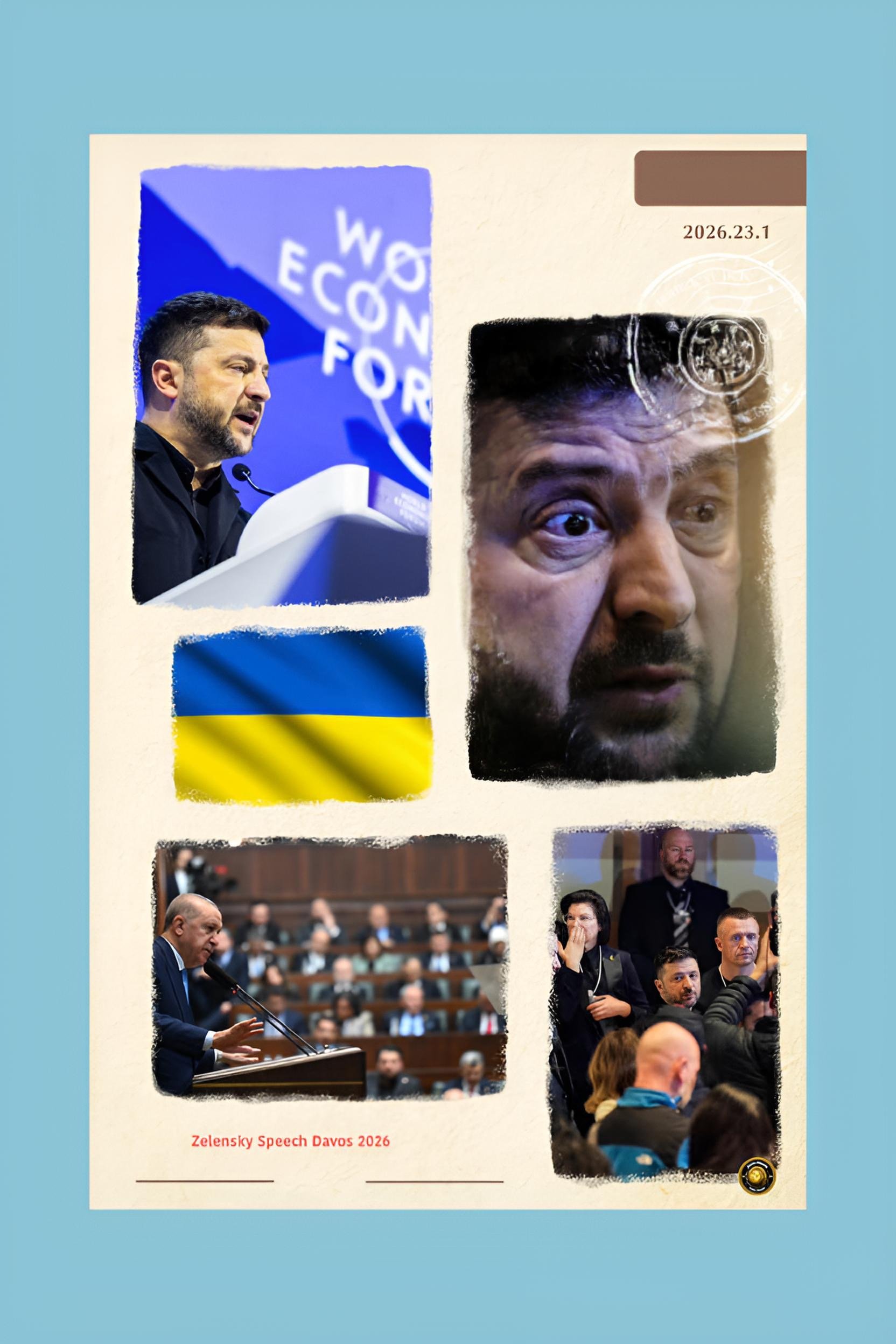
Ukrainian President Volodymyr Zelenskyy delivered a scathing and consequential address at the World Economic Forum's 56th Annual Meeting in Davos on January 22, 2026, representing perhaps the most forceful critique of European inaction that the Ukrainian leader has articulated since Russia's full-scale invasion commenced in February 2022. His speech transcended conventional diplomatic courtesy to articulate a fundamental challenge to European agency, strategic autonomy, and political will.
Zelenskyy employed the metaphorical framework of "Groundhog Day," the 1993 American film depicting a protagonist forced to relive the same day repeatedly, to characterize Europe's stagnant response to existential security threats despite a year of rhetorical commitment to enhanced self-defense. He called Europe "lost," questioned NATO's tested capabilities and readiness, and explicitly demanded that European nations cease their passive reliance on American security guarantees while simultaneously failing to develop credible, independent defense postures.
Simultaneously, Zelenskyy announced productive meetings with United States President Donald Trump on security guarantees and post-war reconstruction frameworks, signaling optimism about peace negotiations while maintaining firm positions on territorial integrity and international justice.
His address crystallized a fundamental paradox within which Ukraine operates: the need to pursue a negotiated settlement with Russia while demanding that the Western alliance demonstrate a credible commitment to Ukraine's independence and the European security architecture.
FAF analysis examines the substantive content of Zelenskyy's Davos address, contextualizes it within broader geopolitical dynamics at the forum, evaluates reception from European leadership and global business communities, analyzes the implications for ongoing peace negotiations, and assesses future trajectories for European defense posture, international support for Ukraine, and the architecture of post-war security arrangements in Eastern Europe.
Introduction
The Moment and the Message
Zelenskyy's arrival in Davos on January 22, 2026, came amid extraordinary circumstances that reflected the perpetual urgency of Ukraine's existence since the 2022 invasion. Kyiv, Ukraine's capital, remained partially without electricity following sustained Russian bombardment targeting energy infrastructure.
The Russian strategy of systematically destroying electrical generation and transmission capacity had created humanitarian emergency conditions affecting millions of civilians. Despite these immediate crises demanding his attention, Zelenskyy departed Ukraine for Switzerland to conduct critical meetings with United States President Donald Trump regarding security guarantees and post-war reconstruction frameworks that could determine Ukraine's trajectory for decades.
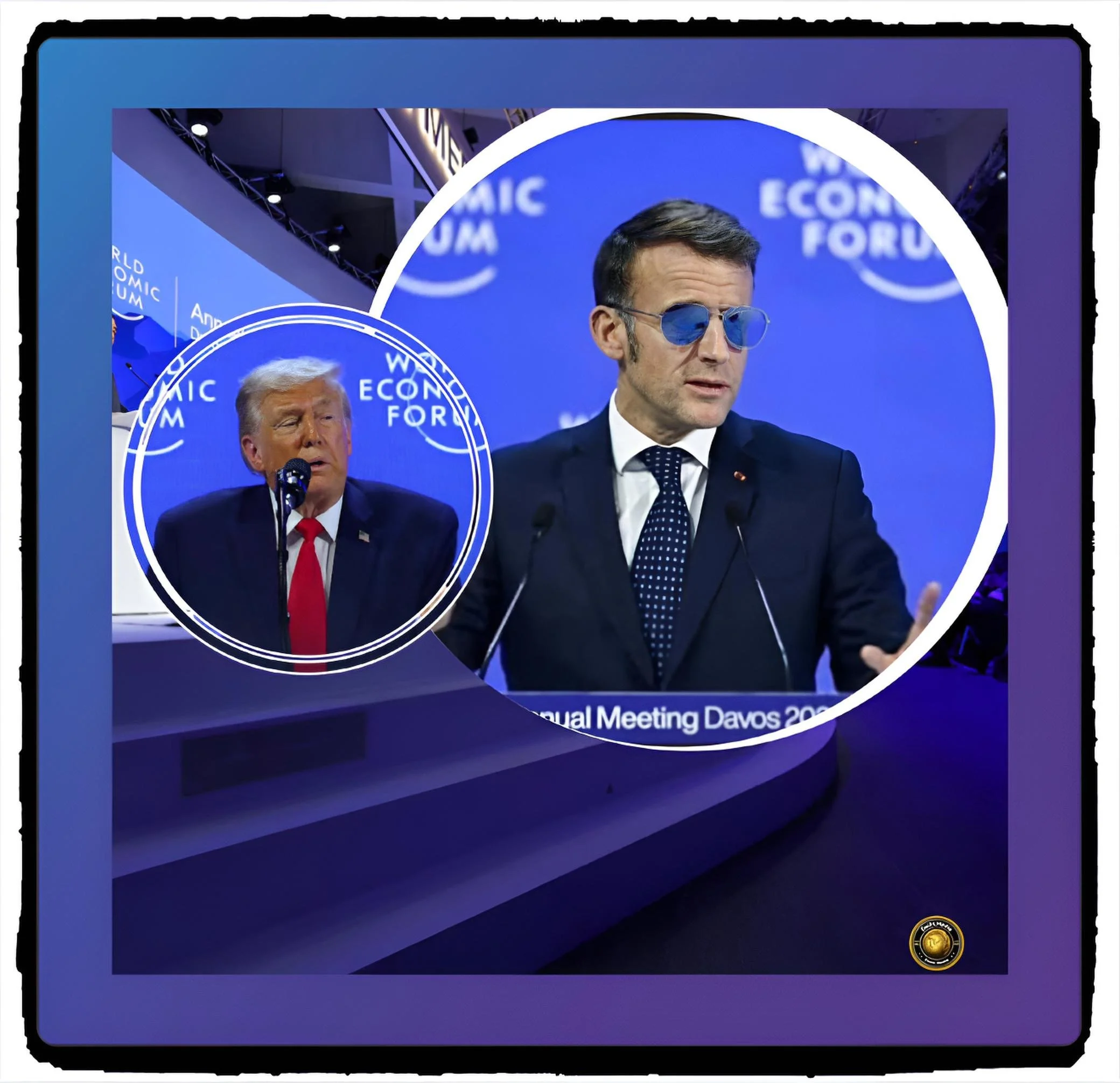
The context surrounding Davos 2026 itself was extraordinarily volatile. Earlier in the week, Trump had threatened to impose massive tariffs against eight European nations, all NATO allies, unless these countries capitulated to his demands to negotiate the transfer of Greenland from Denmark to the United States. Though Trump ultimately withdrew this threat, it demonstrated the profound unpredictability characterizing American foreign policy under his administration. This unpredictability had created urgent necessity for European leadership to contemplate strategic autonomy and defense capabilities that could not depend indefinitely on American commitment.
Against this backdrop, Zelenskyy's address represented something beyond conventional diplomatic communication. His speech constituted a fundamental recalibration of Ukrainian strategic messaging toward European allies.
Throughout the conflict, Zelenskyy had cultivated warm rhetoric toward the European Union, emphasizing shared values and mutual interests. His Davos address marked a significant departure from this rhetorical approach, substituting emphasis on European shortcomings and strategic paralysis. The shift reflected not antipathy toward European nations but rather urgency regarding the necessity of European mobilization and action.
Ukraine could not indefinitely survive through European expressions of solidarity unsupported by decisive action.
The Diagnosis: Europe's Paralysis and Lost Agency
Zelenskyy's address commenced with what constituted a fundamental and withering diagnosis of European condition and capacity. The "Groundhog Day" metaphor served as organizing framework for this diagnostic argument.
Zelenskyy recounted that precisely one year prior, at the 2025 Davos gathering, he had concluded his remarks with explicit appeal to European nations: "Europe needs to know how to defend itself." That statement had been offered as urgent imperative, not as rhetorical flourish. One year had elapsed since that appeal. Nothing had changed.
Europe remained in the identical position in which it had existed when Zelenskyy issued his appeal for enhanced defense capabilities and strategic autonomy.
The metaphor of Groundhog Day captured something more fundamental than simple temporal recurrence. The film depicted a protagonist trapped in temporal loop, forced to relive the same day repeatedly despite conscious awareness of the situation.
The repetition created psychological torment deriving from the apparent impossibility of advancement or escape from the constraining cycle. Zelenskyy suggested that Ukraine and the broader international system faced an analogous situation regarding European capacity for decisive action.
Statements regarding enhanced defense and strategic autonomy circulated annually among European leadership. Yet the years accumulated without corresponding transformation of European military capabilities, defense spending, or strategic autonomy. The cycle repeated perpetually, generating the peculiar form of despair that characterizes situations where recognition of necessity exceeds capacity or willingness to act.
Zelenskyy extended the psychological dimension of his metaphor explicitly toward Ukraine itself. Ukrainians, he suggested, lived within this Groundhog Day existence continuously. The population repeated "the same thing for weeks, months and, of course, for years." They endured the same Russian attacks, repeated warnings regarding energy infrastructure, recurring humanitarian crises stemming from electrical system destruction.
The repetition extended across nearly four years of warfare. Yet from the perspective of international attention and support dynamics, the situation manifested as recurring cycle in which the same warnings, the same requests for weaponry, the same calls for action repeated without apparent progression toward resolution.
Central to Zelenskyy's diagnosis involved a fundamental question concerning European orientation toward international security. Europe, he argued, had effectively outsourced security decision-making and capability development to the United States through NATO. This outsourcing had become so complete that European strategic thinking had atrophied.
European leaders appeared incapable of contemplating scenarios in which American commitment to European defense might waver or become conditional upon political considerations unrelated to European security.
Zelenskyy posed questions designed to force European confrontation with this cognitive gap. If Russia attacked Lithuania or Poland, who would respond?
The answer, Zelenskyy suggested, was that contemporary NATO lacked tested capability or demonstrated willingness to mount independent response absent American commitment.
This critique extended beyond generic expressions of concern regarding American reliability. Rather, Zelenskyy articulated a specific paradox within which European security architecture operated. NATO's entire credibility rested upon implicit assumption that the United States would intervene militarily to defend NATO members against Russian aggression.
Yet this assumption had never been tested. No NATO member had experienced direct Russian military attack since NATO's expansion into Eastern Europe. The alliance's credibility therefore rested on untested assumptions regarding American willingness to risk nuclear confrontation with Russia for defense of Eastern European territory. Zelenskyy suggested that contemporary European leaders, particularly those in Western Europe, had never seriously entertained the possibility that American security commitment might prove conditional or circumstantial.
The Trump presidency and particularly Trump's statements and actions regarding Greenland and tariffs had created circumstances forcing European confrontation with this dormant recognition. If Trump could threaten American NATO allies with massive tariffs over a territorial acquisition, if he could weaponize trade policy in pursuit of geopolitical objectives, if he could demonstrate willingness to disrupt established transatlantic relationships through unpredictable policy announcements, then the foundational assumptions underlying European security architecture required urgent re-examination.
Zelenskyy's diagnostic statement therefore articulated something many European leaders had begun to contemplate but few dared articulate publicly: the question "What if it does not?" regarding American commitment to NATO defense had become unavoidable.
Zelenskyy's diagnosis of European paralysis extended beyond security architecture to encompass broader patterns of strategic inaction and delegation of responsibility. He observed that European leaders commonly articulated rhetorical commitment to standing strong and maintaining resolve. Yet these same leaders habitually sought guidance regarding duration of commitment, with preferences extending "preferably until the next election."
This pattern reflected the subordination of strategic necessity to electoral calendars and domestic political pressures. European governments appeared incapable of sustaining commitment to strategic objectives across political cycles. Such temporal fragmentation rendered impossible the development of credible long-term defense postures or security strategies.
European paralysis manifested across multiple specific dimensions that Zelenskyy enumerated.
On sanctions regarding Russian aggression, Europe had implemented restrictions yet failed to enforce them comprehensively or effectively. Russian oil remained cheaper but continued flowing despite sanctions, indicating that European enforcement mechanisms remained porous.
Russian corporations funding Putin's war machine continued operating, suggesting that European sanctions architecture lacked either sufficient scope or sufficient enforcement rigor to achieve genuine economic pressure.
Zelenskyy explicitly contrasted European ineffectiveness with American sanctions implementation, which he characterized as substantially more comprehensive and enforceable.
On the issue of supplying Russian war production with critical components, Zelenskyy articulated another dimension of European complicity through inaction.
Russia required electronic components and semiconductors from multiple countries including Taiwan, America, and Europe. These components were essential for production of advanced weaponry including missiles targeting Ukrainian civilian infrastructure. Yet European nations, American officials, and Taiwanese companies continued supplying these components while expressing rhetorical commitment to supporting Ukraine. Zelenskyy posed this as explicit strategic question: if these supply chains could be severed or significantly disrupted, Russia's capacity to produce advanced weaponry would be substantially constrained. Yet this relatively straightforward policy option appeared beyond European capability or willingness to implement.
Europe's Response to Threats Beyond Ukraine Constituted Another Critical Dimension of Zelenskyy's Diagnosis
Zelenskyy cited the example of Iran, where he suggested that European nations displayed pervasive passivity regarding geopolitical threats emanating from that jurisdiction.
When crises emerged involving Iran, European leadership waited for American decision-making and action. Europe articulated no independent strategy regarding Iranian regional assertiveness, nuclear development, or proxy forces. Similarly, European response to the Belarusian crisis of 2020 had been characterized by inaction, despite Zelenskyy's explicit calls for European intervention.
The consequence, he argued, was now manifest: Russian missiles had been deployed in Belarus within range of most European capitals precisely because European nations had failed to support Belarusian pro-democracy movements when opportunity existed. The cost of European inaction had materialized in form of increased security threats to European territory.
Zelenskyy's broader point transcended criticism of specific policy failures. Rather, he articulated a fundamental pattern in which European strategic thinking had been degraded through decades of reliance on American security guarantees and American strategic decision-making capacity.
European leaders had ceased to conceive of themselves as agents capable of shaping international events. Instead, they had adopted postures of reactive observers waiting for American leadership. This mental orientation had become so pervasive that European nations appeared incapable of independent strategic action even when American interests and European interests diverged.
This diagnosis possessed particular force coming from Zelenskyy because Ukraine itself had pursued integration into European and transatlantic institutions as core element of its strategic orientation.
Zelenskyy had long advocated for NATO membership as most credible security guarantee. He had championed European Union integration. His criticism of European strategic paralysis therefore represented not rejection of European alignment but rather frustrated recognition that the institutions within which Ukraine sought security membership were themselves characterized by significant strategic limitations.
Key Challenges and Criticisms Regarding European Defense and Effectiveness
Zelenskyy articulated multiple specific criticisms regarding European defense posture and effectiveness that warranted expanded examination. First, regarding the question of European military response capacity and NATO's demonstrated capability, Zelenskyy posed fundamental questions regarding whether NATO possessed credible capacity to mount successful response to renewed Russian aggression against NATO member states.
The alliance had evolved through Cold War as deterrent force resting on presumed American nuclear commitment and overwhelming conventional superiority in Europe during that era. However, Soviet military capacity had been substantially degraded through dissolution of the Soviet Union and subsequent Russian economic contraction.
Contemporary Russia possessed formidable military capabilities particularly regarding nuclear weapons and advanced missile systems, yet Russia's overall military-industrial complex remained substantially inferior to combined NATO capacity.
However, Zelenskyy's question regarding NATO readiness transcended simple capacity metrics. Rather, his concern involved political credibility and demonstrated willingness to deploy military force in response to aggression. NATO had conducted extensive military exercises and maintained substantial force readiness.
However, the alliance had never mounted sustained combat operations in response to direct Russian aggression against a NATO member. This untested status created uncertainty regarding whether political will would materialize if confronted with actual necessity of response.
Zelenskyy suggested that European publics and European leaders remained uncertain regarding whether they possessed willingness to sustain military conflict with nuclear-armed Russia in defense of distant Eastern European territory.
Second, Zelenskyy criticized what he characterized as inadequate European military response to the Greenland situation. NATO had deployed military forces to Greenland as signal of solidarity with Denmark following Trump's acquisition threats. However, the scale of this deployment—Zelenskyy specifically referenced sending 40 soldiers—appeared to him as grossly inadequate signal of resolve.
The quantity of troops deployed suggested that Europe was performing minimal gesture intended to demonstrate support without incurring significant military commitment. Such gestures, Zelenskyy suggested, communicated weakness rather than strength to potential adversaries.
More fundamentally, the deployment indicated that European military capacity remained severely constrained, suggesting that Europe could not mount meaningful military response to serious threats without American support.
Zelenskyy suggested an alternative approach that was characteristically creative: Ukraine possessed demonstrated capacity to attack Russian military capabilities at considerable distances from Ukrainian territory through advanced drone technologies. Ukraine could potentially assist in destruction of Russian warships positioned near Greenland, thereby demonstrating tangible contribution to defense of NATO territory.
This suggestion possessed multiple dimensions of significance. Practically, it indicated Ukraine's capacity to contribute to NATO defense through capabilities that NATO members themselves lacked. Symbolically, it indicated the inversion of expected security relationships: Ukraine, itself under military attack and lacking NATO membership, possessed greater capacity to project military power at strategic targets than did formal NATO members.
This inversion highlighted the extent to which European military capacity had atrophied through reliance on American guarantees.
Third, Zelenskyy criticized European failure to mobilize economic power and resources in support of Ukraine. He noted that despite rhetorical commitment to supporting Ukraine, European deployment of resources remained limited relative to both European capacity and the strategic importance of the issue.
European nations had not implemented comprehensive sanctions regimes targeting Russian trade. European funding for Ukrainian defense acquisition remained substantially lower than American contributions. European reconstruction planning for post-war Ukraine had not been translated into binding financial commitments. This pattern suggested to Zelenskyy that European commitment to Ukraine's independence remained rhetorical rather than substantive.
Zelenskyy's characterization of Europe as "not a real political force, not a great power" articulated the culmination of his diagnostic argument. Europe possessed substantial economic resources, significant military potential through NATO aggregation, and demonstrated technological and industrial capabilities.
Yet Europe appeared incapable of translating these material advantages into coherent strategic action. Instead, Europe remained "more like a geography, history, a tradition" than like an actual political force capable of shaping international events.
This characterization suggested that European capacity for agency had been so substantially degraded that Europe could no longer function as independent actor in international system. Europe had become appendage to American power projection rather than independent political entity.
The Trump Connection: Productive Meetings and Strategic Calculations
Counterbalancing his sweeping criticisms of European strategic paralysis, Zelenskyy announced that his meeting with President Trump had proven "productive and substantive." This characterization merited careful examination because it signaled important shifts in Ukrainian strategic calculations regarding American engagement. Trump had previously been characterized by Zelenskyy as unpredictable and potentially threatening to Ukraine's interests.
Trump had suggested that he could rapidly end the Ukraine conflict through negotiation, implying that he might pressure Ukraine to accept unfavorable territorial or sovereignty concessions. Trump's Greenland threats and tariff announcements had demonstrated his willingness to weaponize foreign policy instruments in pursuit of geopolitical objectives.
Yet Zelenskyy's description of the Trump meeting as productive suggested that direct engagement had altered his assessment of Trump's approach to Ukrainian peace negotiations. Zelenskyy noted that his teams were meeting with American representatives "almost every day" and that "the documents aimed at ending this war are nearly, nearly ready." This characterization signaled that serious diplomatic progress had been achieved.
The existence of substantially finalized documents addressing war termination suggested that Trump's diplomatic apparatus had engaged with Ukrainian concerns regarding security guarantees and post-war reconstruction.
Zelenskyy emphasized that security guarantees remained essential element of any settlement. He noted that post-war security guarantees had been substantially agreed between American and Ukrainian teams. The agreement specified that guarantees would require ratification by both the United States and Ukraine.
This language was significant because it ensured that America could not unilaterally modify security arrangements without Ukrainian consent and formal parliamentary ratification. Additionally, Zelenskyy noted that the United Kingdom and France had already committed to deployment of forces on Ukrainian soil during the post-war period, creating multinational framework for security. However, Zelenskyy repeated the formulation that "no security guarantees work without the US," indicating that American backing remained essential element of any credible post-war security architecture.
Zelenskyy explicitly thanked Trump for provision of Patriot air defense systems, which had proven instrumental in defending Ukrainian cities against Russian missile attacks. Russia had shifted strategy toward targeting civilian infrastructure including electrical generation and water supply systems.
Advanced air defense systems including Patriot missiles had become essential components of Ukrainian defensive capability. Zelenskyy's public expression of gratitude regarding these systems appeared designed to reinforce positive relationship with Trump while simultaneously demonstrating Trump's commitment to supporting Ukraine.
Zelenskyy's announcement of trilateral talks involving Ukraine, Russia, and the United States represented perhaps the most significant strategic development articulated in his address. These talks, scheduled for Abu Dhabi on January 23-24, 2026, represented the first trilateral engagement since the initiation of full-scale Russian invasion. The existence of such talks signaled that Trump's diplomatic machinery had achieved sufficient progress with both Ukrainian and Russian representatives to enable substantive multilateral engagement.
Zelenskyy characterized these discussions as "first trilateral" and noted that they would occur at technical level, suggesting participation by specialists and negotiators rather than heads of state.
Zelenskyy's framing of these negotiations balanced realistic acknowledgment of difficulty with expression of hope. He acknowledged that "the last mile" of negotiations would be "most difficult." Territorial issues regarding eastern Ukraine remained substantially unresolved. He stated explicitly that "it's all about the land" and that territorial disposition of eastern Ukraine represented the critical sticking point preventing agreement.
This statement clarified that while security guarantees and reconstruction frameworks had been substantially negotiated, the fundamental question of territorial integrity remained contested.
Zelenskyy's position regarding territorial negotiations reflected Ukraine's historical stance: Ukraine would not formally accept transfer of any significant Ukrainian territory to Russia as permanent condition of peace settlement.
This position had been backed by NATO allies and Western nations throughout the conflict. However, Trump's approach to negotiations might potentially involve pressure on Ukraine to accept territorial concessions as price for achieving cessation of hostilities. Zelenskyy's explicit statement that territorial issues remained unresolved signaled Ukraine's intention to resist such pressure.
Notably, Zelenskyy stated that "everybody has to be ready, not only Ukraine," implying that Russia must also demonstrate willingness to accept compromises. This formulation attempted to shift negotiating burden away from Ukraine by emphasizing mutual necessity of compromise.
It suggested that Ukraine had already made concessions or demonstrated flexibility regarding multiple elements of proposed settlements, and that Russia must reciprocate such flexibility rather than expecting Ukraine to absorb the costs of settlement entirely.
Zelenskyy's characterization of ongoing Russian attacks despite peace negotiations signaled continuity of warfare. He noted that "we are under attack, people live without electricity" and that Ukraine "are answering on their attacks." This language indicated that despite peace negotiations occurring at diplomatic level, military operations continued at tactical and operational levels.
The willingness of both sides to negotiate while simultaneously conducting warfare suggested that negotiations represented hedging strategy for both Ukraine and Russia rather than commitment to immediate cessation of hostilities.
Business Community Reception and Investment Momentum
A significant dimension of Zelenskyy's address involved implicit messaging toward global business community regarding investment opportunities in Ukraine. Zelenskyy noted that real support for Ukraine consisted not of rhetorical solidarity or political statements but rather of concrete business investment and employment creation.
He explicitly challenged business leaders assembled at Davos: if they truly believed in Ukraine's future and committed to support for Ukrainian independence, they should invest in opening offices and establishing business operations in Ukraine. Such investment would constitute genuine demonstration of confidence in Ukraine's post-war future.
This messaging resonated with global business community represented at Davos. During the conference, Ukraine House Davos facilitated significant investment commitments totaling approximately €350 million across two substantial funds. Horizon Capital secured approximately €150 million for its Catalyst Fund on January 20, 2026.
Subsequently, Dragon Capital and Amber Infrastructure announced a new infrastructure fund attracting approximately €200 million, with target capitalization of €350 million. These funds were designated specifically for reconstruction and modernization of Ukrainian infrastructure in energy, transportation, and digital sectors.
The investment commitments signaled important dynamics regarding global business assessments of Ukraine's post-war potential. Despite ongoing warfare and substantial uncertainty regarding peace negotiations, major institutional investors and asset managers assessed that Ukraine represented attractive investment opportunity.
This assessment reflected confidence that war would eventually conclude and that reconstruction investment would generate substantial returns. The timing of these investments during active negotiations suggested that investor confidence in negotiated settlement had increased.
Additionally, Ukraine House Davos facilitated meetings between Ukrainian government representatives and major global business leaders and financial institutions. Participants included BlackRock Chairman and CEO Larry Fink, World Bank President Ajay Banga, European Commissioners for Enlargement and Economy, and representatives of major multinational corporations.
These meetings addressed reconstruction frameworks, investment opportunities, and mechanisms for enabling business continuity in Ukraine during remaining conflict period. The engagement of such major institutional actors signaled that global financial and business leadership was positioning itself to participate in Ukrainian reconstruction and development.
Ukrainian success stories were highlighted as confidence-building measures for potential investors. Kyivstar, a major Ukrainian telecommunications company, had achieved listing on NASDAQ despite ongoing conflict, demonstrating that Ukrainian businesses could operate and achieve growth even in conditions of active warfare. Ukrainian defense production capacity had been expanded substantially, with defense production reportedly reaching $35 billion annually.
Minerals and critical materials had become focus of international investment, with deals initiated at the 2025 Davos forum beginning implementation. These accomplishments suggested that Ukraine possessed resilient business community capable of innovation and growth despite extraordinary challenges.
The U.S. International Development Finance Corporation expressed enthusiasm regarding investment opportunities and committed to facilitating capital flows into Ukraine over the subsequent three to six months.
This timing aligned with peace negotiations, suggesting that major developmental institutions were positioning to deploy substantial capital immediately following cessation of hostilities.
The coordination between peace negotiations and investment preparation indicated that diplomatic and business communities were operating in parallel toward objective of rapid post-war reconstruction and development.
Global and Regional Reactions to Zelenskyy's Address
Zelenskyy's characterization of Europe as "lost" and his sweeping criticisms of European strategic paralysis generated significant reactions across European political and institutional leadership. The criticism was notably sharper than previous Zelenskyy messaging and represented departure from carefully cultivated diplomatic relationships with European allies.
European leaders had consistently positioned themselves as Ukraine's strongest supporters, providing more total aid in absolute terms than the United States and maintaining stronger rhetorical commitment to Ukrainian victory and territorial restoration.
Zelenskyy's criticism therefore created tension within transatlantic alliance regarding relative contributions and strategic commitment. American leadership had been characterized by Trump administration as unpredictable and potentially threatening to Ukraine's interests.
Yet Zelenskyy's Davos remarks elevated European deficiencies to level of explicit criticism while simultaneously describing Trump meetings as productive and constructing positive framework for continued engagement. This rhetorical positioning appeared designed to incentivize enhanced European effort while maintaining diplomatic engagement with American leadership.
European response to Zelenskyy's address reflected recognition that Ukraine's criticisms possessed substantial factual basis. Multiple European nations had failed to meet NATO defense spending targets. European military contribution to Ukraine, while meaningful, remained limited relative to European capacity.
European sanctions implementation had been constrained by economic linkages to Russian trade and energy. European defense capabilities had atrophied through Cold War emphasis on American security guarantees. European leaders could not credibly dispute Zelenskyy's fundamental diagnosis regarding degradation of European strategic capacity and agency.
NATO leadership, represented by Secretary General Mark Rutte, acknowledged ongoing tensions within the alliance. Rutte noted that "there are tensions at the moment" around Trump's Greenland designs and other matters but suggested that "the only way to deal with it is through thoughtful diplomacy."
This characterization implicitly acknowledged that Trump's threats to NATO solidarity had created genuine strains within the alliance requiring diplomatic effort to manage. Rutte's emphasis on diplomacy suggested recognition that NATO required conscious effort to maintain coherence amid evolving American strategic positioning.
Business community reaction to Zelenskyy's address emphasized the investment opportunities he had articulated. Global institutional investors demonstrated willingness to commit significant capital to Ukrainian reconstruction and development.
This willingness reflected assessments that Ukraine possessed substantial post-war economic potential. Ukrainian natural resources, agricultural capacity, technological innovation, and manufacturing potential could generate substantial returns on reconstruction investment.
Additionally, supporting Ukraine's post-war development aligned with geopolitical interests of Western nations committed to countering Russian influence in Eastern Europe.
Financial market reactions to Zelenskyy's address were broadly positive, particularly regarding Ukrainian securities and Ukraine-focused investment vehicles. Ukrainian government bonds appreciated on secondary markets, reflecting improved assessments of credit risk associated with Ukrainian debt. Ukrainian corporate securities similarly appreciated.
Exchange rates and currency values reflected optimism regarding peace negotiations and post-war reconstruction potential. These market reactions suggested that investor communities assessed Zelenskyy's announcements as signaling meaningful progress toward negotiated settlement.
Cause-and-Effect Analysis: Zelenskyy's Strategic Positioning Within Broader Dynamics
Understanding the significance of Zelenskyy's Davos address requires situating it within multiple causal chains spanning diplomatic dynamics, military developments, and geopolitical alignments. Several critical causal connections merit examination.
Trump's Diplomatic Engagement and Ceasefire Momentum
The first critical causal chain involved Trump's shift toward active engagement in Ukraine-Russia negotiations following his presidential restoration. Trump's previous tenure as president had been characterized by skepticism regarding sustained American commitment to European security and defense. His return to the presidency had created uncertainty regarding American support for Ukraine. However, Trump's Davos engagement signaled that he had concluded negotiated settlement represented achievable objective meriting diplomatic investment.
This shift created enabling conditions for the diplomatic momentum Zelenskyy described. Trump dispatched senior envoys to conduct intensive shuttle diplomacy between Ukrainian and Russian representatives. These envoys reported that negotiations had advanced to point where only "one issue" remained unresolved, though the envoy declined to specify whether this issue involved territory or other substantive disagreements. The intensity of American diplomatic engagement created circumstances enabling the trilateral talks Zelenskyy announced.
This causal chain reflected Trump's apparent judgment that negotiated settlement in Ukraine served American interests more effectively than indefinite support for continued Ukrainian resistance. Trump had prioritized reduction of American military expenditures and commitments in foreign conflicts. Ukraine had represented significant continuing expenditure. Negotiated settlement promised to reduce American defense spending obligations while potentially generating political credit for Trump through achievement of peace agreement.
This motivation structure created incentives for Trump to invest diplomatically in achieving settlement.
European Strategic Autonomy Imperatives and Alliance Pressure
A second causal chain involved broader European realization that American security commitment could no longer be assumed as permanent or unconditional. Trump's Greenland threats and tariff announcements had catalyzed European recognition that American foreign policy had shifted toward more transactional and unpredictable orientation.
This recognition had prompted major European leaders, including French President Emmanuel Macron, to articulate visions of European strategic autonomy and independence from American security guarantees.
Zelenskyy's criticism of European strategic paralysis operated within this context of shifting European consciousness. Rather than representing criticism designed to alienate European allies, Zelenskyy's remarks functioned as urgency-inducing pressure designed to accelerate European mobilization. By characterizing Europe as "lost" and paralyzed, Zelenskyy created reputational incentives for European leaders to demonstrate enhanced commitment through concrete action.
European nations faced choice between accepting Zelenskyy's characterization as accurate or mobilizing resources and political will to demonstrate alternative reality.
Reconstruction Investment and Business Confidence
A third causal chain involved the relationship between peace negotiation progress and business confidence in post-war investment opportunity. As diplomatic indications suggested that settlement was achievable, major institutional investors began positioning capital for deployment in Ukrainian reconstruction. The substantial investment commitments announced at Davos reflected this positioning.
Conversely, these investment commitments created political pressure on all parties to achieve settlement, because failure to achieve peace would render these investments unrecoverable and costly.
This dynamic represented positive reinforcement loop encouraging settlement. As business positioned capital for reconstruction, the cost of continued warfare increased for all parties. Russia faced prospect that failure to achieve settlement would result in indefinite military expenditure without opportunity to access reconstruction investment and economic integration. Ukraine faced prospect that failure to achieve settlement might result in continuation of warfare beyond point where European and American support remained sustainable.
American leadership faced prospect that failure to achieve settlement would prevent both reduction of military expenditure and the business opportunities associated with reconstruction contracts.
Future Developments and Implementation Pathways
The trajectory following Zelenskyy's Davos address involved several critical junctures and implementation pathways that would determine whether diplomatic progress translated into actual settlement and reconstruction commencement.
Trilateral Negotiation Outcomes
The trilateral talks scheduled for Abu Dhabi on January 23-24, 2026, represented critical test of whether diplomatic progress had achieved sufficient momentum to address remaining substantive disagreements.
Territorial issues remained explicitly unresolved. Questions regarding whether Russia would accept Ukrainian security guarantees backed by American and European forces remained unaddressed. Implementation mechanisms for ceasefire and demobilization required detailed negotiation. Technical discussions at the level Zelenskyy described would address these issues.
The success or failure of these negotiations would substantially influence the trajectory of Ukrainian-Russian conflict and settlement prospects. Failure would suggest that fundamental disagreements remained insurmountable and that warfare would continue. Success would signal that settlement could be achieved within proximate timeframe.
European Defense Mobilization
Zelenskyy's criticism of European strategic paralysis created explicit pressure for European nations to demonstrate enhanced defense capabilities and strategic commitment. NATO members faced collective and individual incentives to demonstrate response to Zelenskyy's critique. This could manifest through increased defense spending, acceleration of arms transfers to Ukraine, or more aggressive sanctions implementation against Russia.
However, translating these incentives into actual policy implementation faced substantial obstacles. European governments operated under budget constraints limiting expansion of defense expenditure. European electorates in some nations remained skeptical regarding sustained military support for Ukraine. The transition from rhetoric to sustained commitment represented genuine challenge requiring political will and resource allocation.
Post-War Reconstruction and Investment Deployment
The investment commitments announced at Davos would require conversion into actual capital deployment and reconstruction projects. This process would require establishment of appropriate governance frameworks, selection of reconstruction priorities, and actual capital flows from international investors into Ukrainian projects.
The $800 billion prosperity package referenced by Zelenskyy had not been formally agreed but represented target toward which negotiations aimed.
The transformation of investment promises into actual reconstruction progress would require sustained commitment from international institutions, national governments, and business investors. Early momentum in establishing reconstruction frameworks would be essential to maintain confidence that post-war development would proceed as anticipated.
Challenges, Limitations, and Risks
While Zelenskyy's Davos address articulated compelling vision of European mobilization and peace settlement, substantial challenges and risks threatened successful implementation of the frameworks he described.
Russian Compliance with Territorial Agreements
A first significant risk involved Russian willingness to accept settlement terms regarding territorial issues. Zelenskyy had identified territory as the remaining critical point of disagreement. Russia had invested enormous military resources and accepted substantial casualties in pursuit of territorial conquest in eastern Ukraine.
Russian leadership might prove unwilling to accept settlement that required relinquishment of conquered territory. The trilateral talks would test whether Russia possessed flexibility regarding territorial arrangements or whether Russia would maintain demands for territorial control as precondition of settlement.
American Political Commitment and Reliability
A second risk involved question of whether American security guarantees would survive American political transitions and changing political conditions. Trump had characterized his approach to Ukraine as goal of achieving settlement and reducing American military commitment.
Future American administrations might not share this prioritization. Security guarantees required sustained American commitment across multiple presidential administrations and changing geopolitical circumstances.
The vulnerability of such guarantees to American political change created uncertainty regarding whether post-war security arrangements would remain durable.
European Capacity for Sustained Commitment
A third risk involved whether European nations possessed capacity for sustained commitment to defense spending, military innovation, and strategic autonomy. Zelenskyy's criticism highlighted the reality that European commitment had been characterized by rhetorical expression unsupported by commensurate resource allocation.
Translating Zelenskyy's critique into sustained behavioral change required overcoming substantial institutional and political inertia within European nations. Electoral cycles, budget pressures, and competing priorities threatened to erode political will for sustained military mobilization.
Business Investment Risk and Economic Viability
A fourth risk involved whether reconstruction investment would generate returns sufficient to justify capital commitment. Ukraine faced prospect of substantial destruction requiring comprehensive reconstruction. The cost of comprehensive reconstruction exceeded available capital. Investors would require credible frameworks ensuring investment viability and return generation.
Political and security instability following settlement could undermine investment returns, creating disincentive for capital deployment. The transformation of investment promises into actual capital flows remained uncertain pending clarity regarding post-war circumstances.
Geopolitical Uncertainty and Multipolarity
A broader risk involved the degree to which settlements negotiated during period of American strategic uncertainty would prove durable and implementable. Trump's approach to geopolitics differed fundamentally from traditional American alignment with European and democratic allies.
Russia and China possessed incentives to disrupt post-war arrangements if such disruption advanced their respective interests. The international system had shifted toward greater multipolarity and unpredictability, creating circumstances where even detailed agreements might prove difficult to implement if geopolitical circumstances shifted.
Conclusion
Zelenskyy's Davos 2026 address represented a culminating expression of Ukrainian frustration with European strategic paralysis and implicit warning regarding the necessity of European mobilization. His critique of European inaction possessed substantial factual foundation. European defense capabilities had substantially atrophied.
European strategic autonomy had been progressively delegated to American leadership. European nations had failed to demonstrate capacity for sustained independent action regarding geopolitical threats.
Simultaneously, Zelenskyy's description of productive Trump meetings and substantial diplomatic progress regarding security guarantees signaled important movement toward negotiated settlement of the Ukraine-Russia conflict.
The announcement of trilateral talks represented breakthrough in diplomatic engagement. The substantial investment commitments signaled business confidence in post-war reconstruction.
The significance of Zelenskyy's address extended beyond specific policy proposals to encompass a broader reassessment of European agency and American reliability. Zelenskyy's criticism of European paralysis implicitly suggested that Europe must accelerate the development of strategic autonomy and defense capabilities regardless of the outcome of the Ukraine conflict.
The shift toward the Trump administration's prioritization of negotiated settlement signaled that American commitment to indefinite military support for Ukraine could not be assumed. Both developments created imperatives for European and Ukrainian adjustment.
Whether the frameworks articulated in Zelenskyy's address would translate into durable peace settlement and successful reconstruction remained uncertain. Territorial disagreements remained unresolved. American security commitment across political transitions was not guaranteed. European capacity for sustained mobilization was untested. Business investment deployment would require political stability and credible governance.
Nevertheless, Zelenskyy's address marked moment of significant progress toward resolution of conflict that had dominated international attention and consumed extraordinary resources for nearly four years.