American Hegemonic Assertion: Trump's Davos Pronouncements and the Recalibration of Transatlantic Relations
Executive Summary
American Economic Nationalism Weaponized: Tariffs as Instruments of Geopolitical Coercion
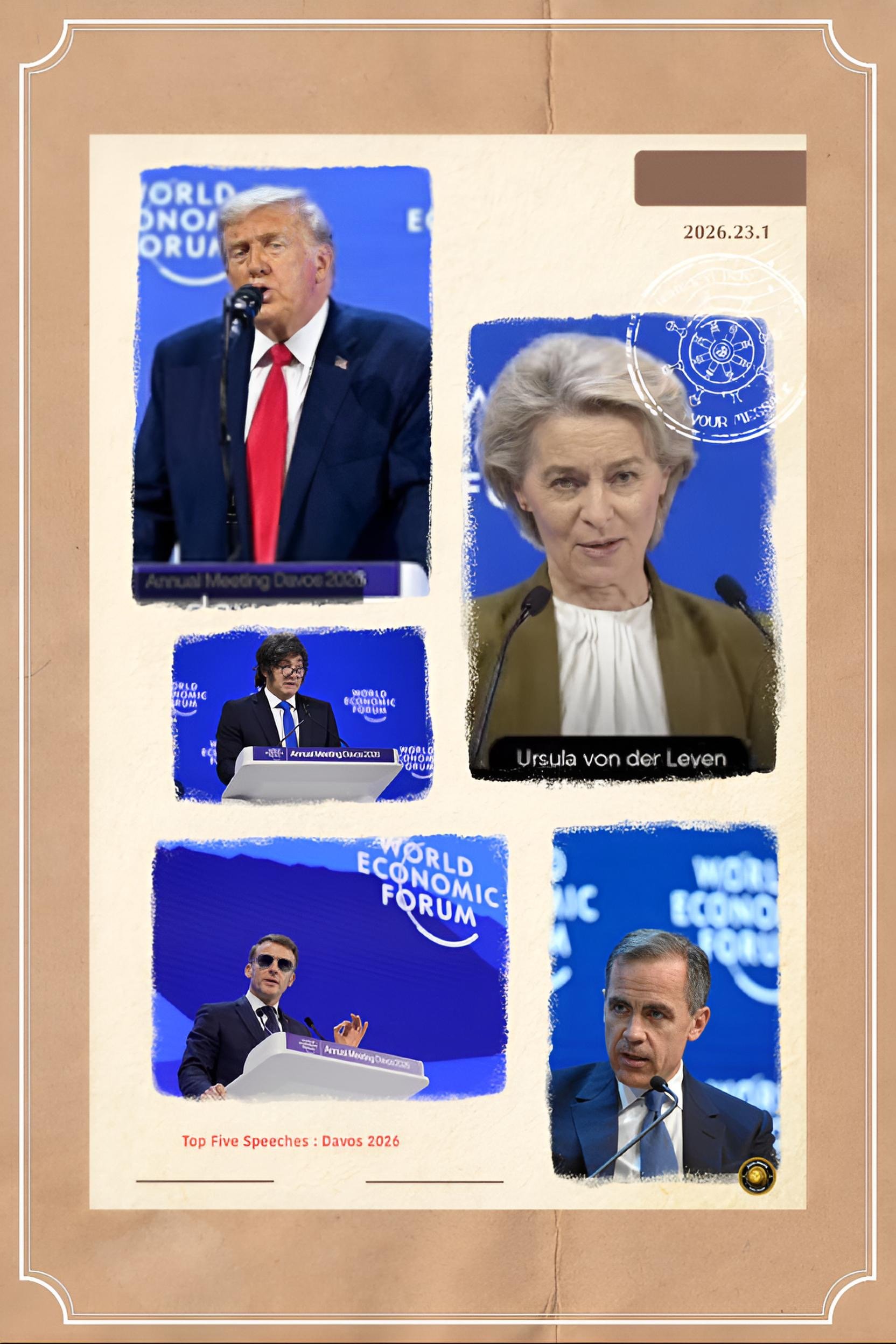
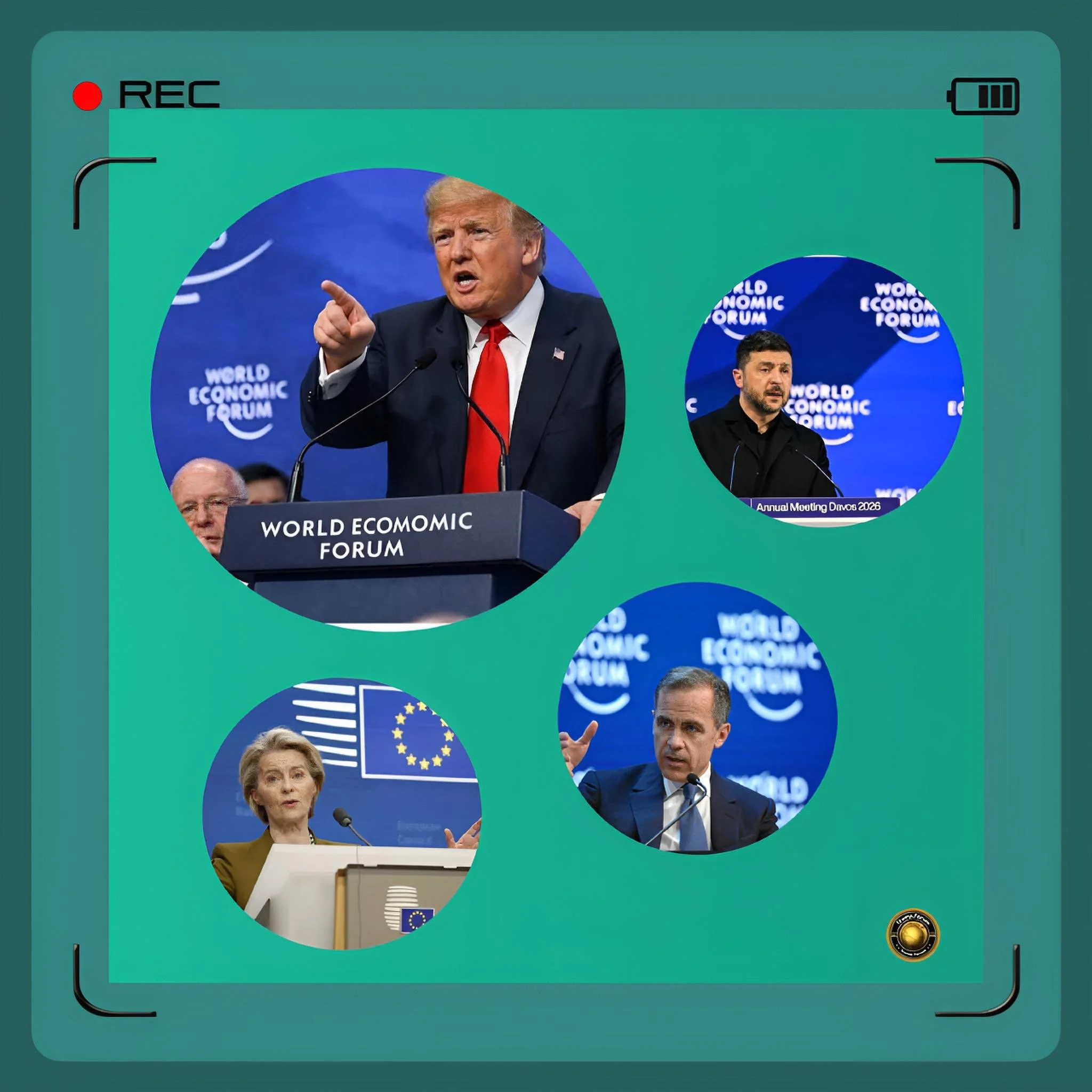
On January 21, 2026, President Donald Trump delivered an extensive address at the World Economic Forum in Davos, Switzerland, articulating a comprehensive vision of American geopolitical primacy and economic nationalism.
The discourse encompassed multiple domains of international relations—territorial acquisition (Greenland), security architecture (NATO reform), trade policy (tariff escalation), conflict mediation (Ukraine-Russia peace initiative), and hemispheric dominance (Venezuela intervention).
Trump's rhetoric demonstrated an escalatory pattern regarding territorial claims, assertive critiques of allied nations, and conditional offers of continued security guarantees contingent upon economic and political concessions.
This address constitutes a watershed moment in contemporary transatlantic relations, revealing the administration's willingness to weaponize economic instruments against allied states and its fundamental reorientation toward unilateral hegemonic assertion.
Introduction: The Davos Platform and Contemporary Geopolitical Discourse
The World Economic Forum's Annual Meeting at Davos represents the paramount convening of global political and business leadership, functioning as a nexus for international consensus-building and strategic repositioning. Within this institutional context, presidential addresses assume heightened significance, serving as declarations of national intent and international expectations.
Trump's 2026 address departed markedly from conventional diplomatic protocols, employing confrontational rhetoric while simultaneously advancing specific territorial and economic demands.
The speech's architecture—alternating between threat, inducement, and grievance articulation—reveals a deliberate strategy of hegemonic reaffirmation coupled with systematic questioning of the post-Cold War international order.
History and Current Status
The Evolution of American Strategic Positioning
The United States has maintained technological, military, and economic preeminence since the terminal phase of the Cold War, buttressing its position through multilateral institutions, alliance structures, and institutional arrangements such as NATO.
Trump's articulation during his previous tenure and his current administration has consistently challenged the architecture of this multilateralism, characterizing American commitments to alliance systems as economically extractive without commensurate benefit.
The current discourse represents an acceleration of this questioning, transforming previous rhetorical criticism into actionable policy instruments—specifically, tariff escalation and territorial acquisition demands.
The administration's characterization of NATO as a financial liability upon the United States contradicts conventional analyses demonstrating reciprocal security benefits, yet this framing has achieved sufficient resonance within portions of the American electorate to constitute operative policy guidance.
Key Developments
The Multilayered Demands and Strategic Initiatives
Greenland Acquisition and Arctic Security
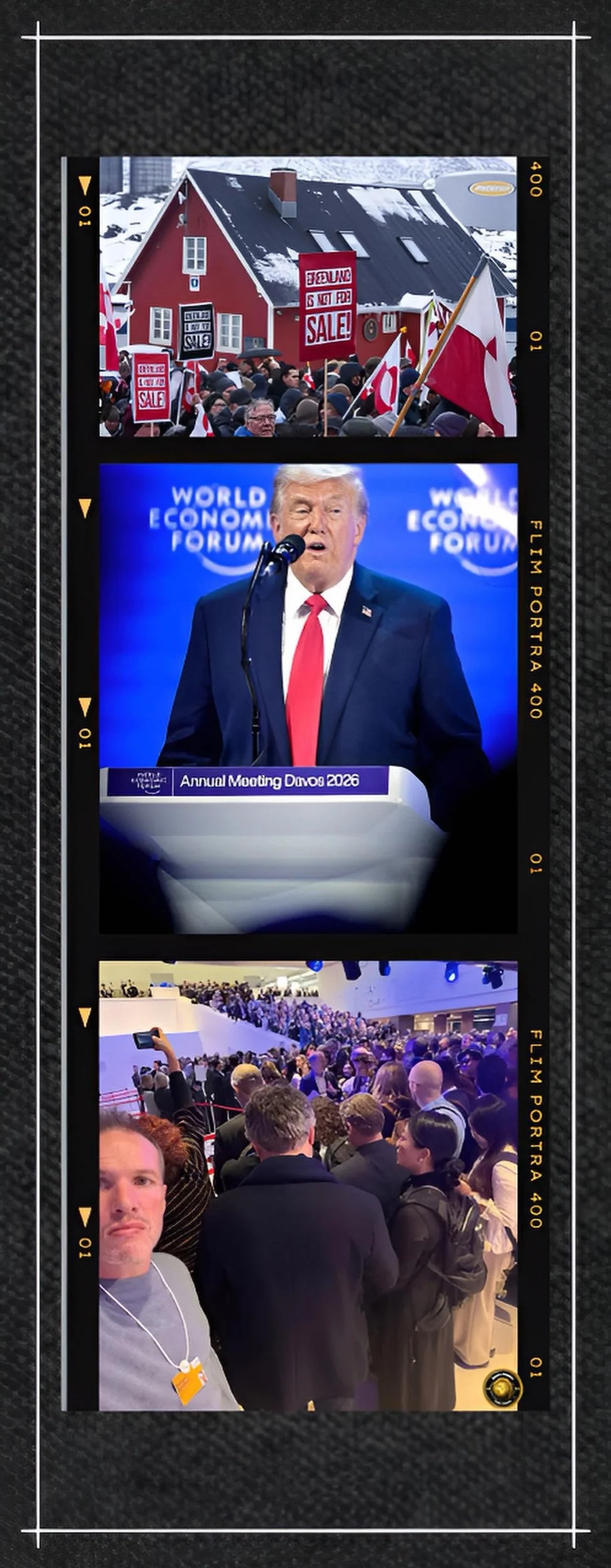
Trump's most provocative initiative concerns the acquisition of Greenland from Denmark, predicated on assertions of national security imperatives.
The administration contends that Greenlandic territory constitutes a vital component of North American defense, particularly regarding potential military positioning by adversarial powers (China, Russia).
Trump characterized the acquisition demand as "a very small ask" relative to historical American security investments in Europe, employing historical reference—specifically references to American intervention in World War II—as justification for European acquiescence.
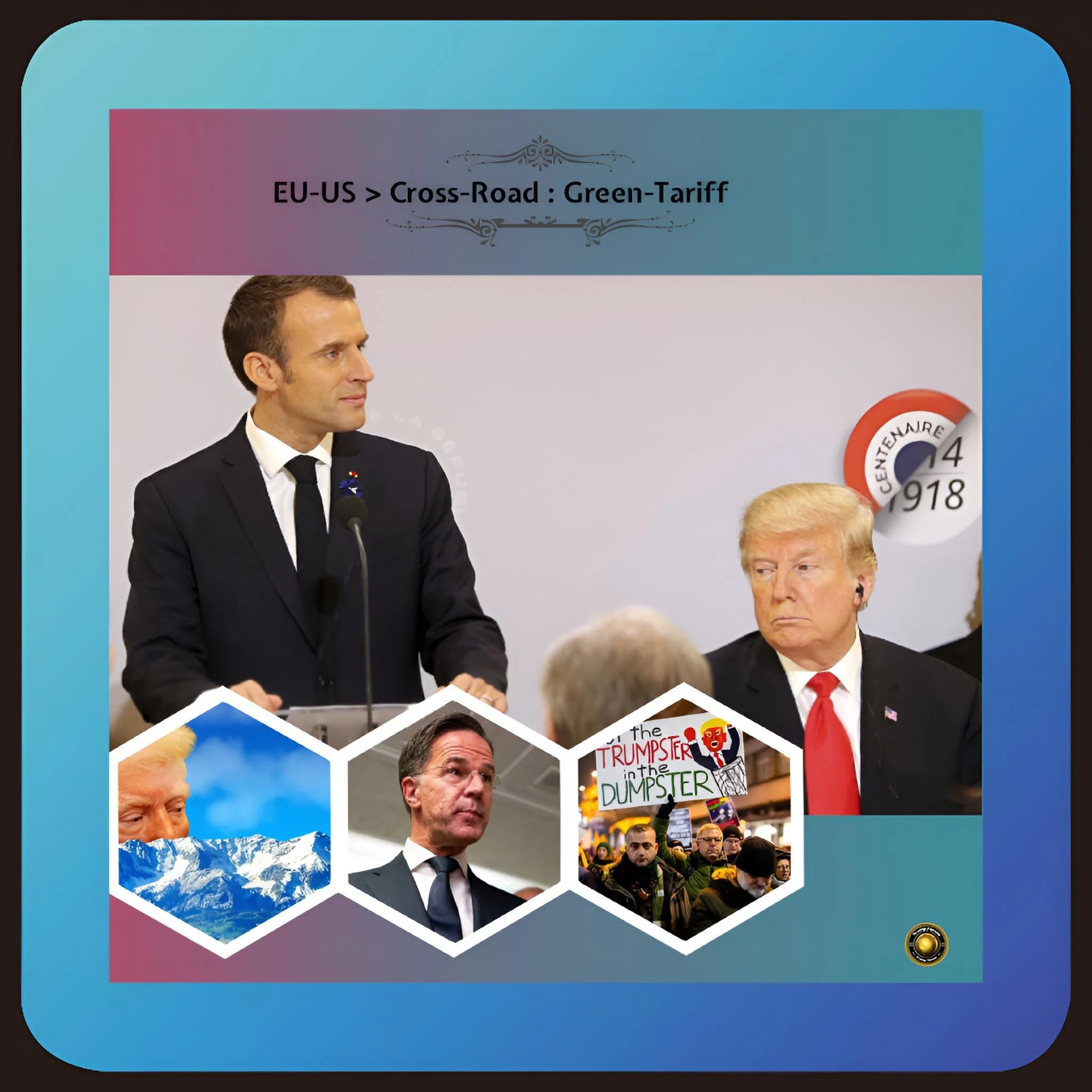
The temporal escalation pattern is noteworthy: from preliminary discussions regarding acquisition to tariff threats (10 percent rising to 25 percent) against eight European NATO allies within a matter of weeks.
Subsequently, Trump announced a "framework of a future deal" with NATO Secretary-General Mark Rutte, precipitating the suspension of threatened tariffs scheduled for February 1, 2026.
This tactical retreatment, however, conceals continued pursuit of substantive territorial concessions, with negotiations now focused upon mineral rights and security cooperation arrangements.
Ukraine-Russia Conflict Mediation
Trump articulated an optimistic assessment regarding the proximity of a Ukraine-Russia peace settlement, asserting that both Vladimir Putin and Volodymyr Zelensky possess convergent interests in conflict termination.
This assessment contradicts European and Ukrainian leadership interpretations, which emphasize Russian intransigence regarding territorial acquisitions.
The administration's "Board of Peace" initiative, proposed as a multi-lateral mechanism for conflict resolution, incorporates Russian participation—a positioning that generates substantial anxiety among Ukrainian and European leadership regarding potential pressure upon Ukraine to accept territorial concessions.
Diplomatic envoys (Steve Witkoff, Jared Kushner) have conducted substantive negotiations with Russian counterparts, characterizing discussions as "very positive" and "constructive."
The presence of "land deals" upon the negotiating agenda indicates a potential willingness to accept territorial adjustments as components of any putative peace settlement.
Trade Policy and Tariff Architecture
Trump's tariff strategy demonstrates a fundamental reconceptualization of trade instruments as mechanisms of coercive statecraft.
The administration has implemented an eclectic tariff regime encompassing base rates of 10 percent with threatened escalation to 25 percent or higher against variegated trading partners.
Notably, tariff suspension was predicated upon capitulation to Greenland acquisition demands—illustrating the instrumentalization of economic policy toward non-economic objectives.
Trump's claims regarding tariff efficacy—specifically a 77 % reduction in monthly trade deficits within a single year—exceed mainstream economic analyses and warrant substantial empirical scrutiny.
The administration's characterization of protectionist measures as compatible with low inflation contradicts conventional macroeconomic modeling, which anticipates tariff-induced cost-push inflationary pressures.
Venezuela and Hemispheric Dominance
The January 2026 military intervention in Venezuela, culminating in the capture and extradition of Nicolás Maduro, represents the administration's application of what Trump characterizes as the "Donroe Doctrine"—an updated formulation of the Monroe Doctrine emphasizing unilateral hemispheric dominance.
Trump's subsequent positioning of the interim administration, led by Delcy Rodríguez, as a cooperative partner contingent upon acceptance of American oil production oversight demonstrates instrumentalization of regime-change operations toward extractive economic objectives.
The administration's openness to sustained occupation pending "safe transition" presages potential long-term military presence within a major Latin American nation-state.
Latest Facts and Concerns
Economic Claims and Empirical Assessment
Trump's pronouncements regarding economic achievement warrant careful empirical scrutiny. The assertion that inflation has been "defeated" and reduced to "virtually no inflation" represents a substantial oversimplification.
Federal data indicates core inflation at approximately 2.6 percent, exceeding the Federal Reserve's 2 percent target and remaining elevated relative to pre-2022 baselines.
Claims regarding tariff-induced trade deficit reduction prove difficult to fully substantiate, as tariff pass-through to consumers remains incomplete, with anticipated consumer cost burdens of $1,000 to $1,700 annually contingent upon full tariff implementation.
The assertion of an unprecedented one-year economic transformation lacks comparative historical specificity and oversimplifies complex economic dynamics attributable to monetary policy normalization and demand-supply rebalancing.
The European response to Trump's rhetoric demonstrates mounting alarm regarding alliance cohesion.
Trump's characterization of European cities as "not even recognizable anymore"—a euphemistic reference to immigration dynamics—combined with attacks upon green energy policies and technological sectors, signals a comprehensive interrogation of European societal organization rather than narrow policy disagreements.
The suspension of trade deal agreements by European parties in response to tariff threats indicates a potential strategic pivot toward alternative partnerships and security arrangements, potentially including enhanced European military autonomy and reduced dependence upon American security guarantees.
The personal attacks upon allied leadership—specifically Canadian Prime Minister Mark Carney—represent departures from conventional diplomatic protocol.
Trump's assertion that "Canada lives because of the United States" and Carney's obligation to demonstrate "gratitude" reflects a transactional conceptualization of alliances fundamentally at variance with reciprocal partnership frameworks.
This rhetoric presages potential future pressure upon Canadian autonomy regarding North American security arrangements and economic cooperation.
Cause-and-Effect Analysis
Strategic Logic and Systemic Implications
Trump's Davos address reveals a coherent underlying strategic logic, albeit one substantially at variance with post-Cold War consensus regarding multilateral cooperation. The administration operates from a zero-sum conceptualization of international relations wherein American security and prosperity necessitate relative disadvantaging of allied and competitor states.
This framework justifies territorial acquisition demands (Greenland), unilateral trade protection (tariffs), regime-change operations (Venezuela), and conditional security provision (NATO).
The administration's willingness to weaponize tariffs and tariff suspension as instruments of diplomatic coercion indicates a fundamental transformation of trade policy from economic optimization toward political coercion.
The causal pathway connecting Greenland acquisition to American security appears substantially attenuated.
Greenland's strategic significance derives primarily from Arctic positioning relative to potential Russian military activities, yet this positioning remains unchanged whether Greenland remains under Danish administration or transitions to American control.
The administration's arguments regarding the necessity of American stewardship—that only the United States possesses capability and will to develop and defend the territory—presume European incapacity rather than demonstrating Greenlandic necessity.
The invocation of World War II American intervention appears designed to mobilize guilt-based compliance rather than to advance rationally grounded security arguments.
The Ukraine peace initiative's incorporation of "land deals" indicates a potential framework wherein Ukrainian territorial concessions would constitute the price of conflict termination.
This configuration would represent a substantial departure from the Biden administration's support for Ukrainian territorial integrity and would fundamentally alter the post-Cold War principle of territorial inviolability.
The potential precedent established—that military conquest followed by negotiated settlement yields territorial legitimacy—would possess ramifications extending far beyond the Ukraine context, potentially encouraging territorial revisionism throughout the international system.
Future Steps and Trajectory
Trump's Territorial Ambitions Reshape the Arctic and Atlantic Alliances
The suspension of NATO tariffs following the Greenland "framework" agreement does not signify Trump's abandonment of acquisition ambitions; rather, it represents a tactical adjustment toward negotiation within a framework of conditional cooperation.
Future diplomatic initiatives will likely continue exploring mechanisms through which Greenland might transition toward American governance or security control, potentially through mechanisms short of formal territorial acquisition such as extended lease arrangements, mineral rights monopolies, or military base expansions.
The Ukraine peace process trajectory remains uncertain, contingent upon the extent to which Putin and Zelensky interpret Trump's assertions regarding proximity to settlement as reflecting genuine American mediation capacity versus American pressure upon Ukraine.
The administration's engagement with Russian diplomats and the inclusion of "land deals" upon negotiating agendas suggests a framework prioritizing conflict termination over Ukrainian territorial preservation.
Should negotiations progress toward territorial concessions, the resultant settlement would constitute a substantial geopolitical victory for Russian military objectives, potentially encouraging future revisionism.
Trade negotiations will likely continue utilizing tariff threats and suspension as primary instruments of diplomatic leverage.
The rapid capitulation of European negotiators following the Greenland framework announcement indicates that tariff threats possess substantial coercive capacity against allied nations.
Future iterations of this dynamic may involve broader sectors (automobiles, energy, technology) and escalating tariff rates contingent upon compliance with diverse American demands spanning trade balances, energy policy, immigration frameworks, and security contributions.
Conclusion
The Reconfiguration of Western Transatlantic Architecture
Trump's Davos address constitutes a systematic interrogation of post-Cold War multilateralism and the institutional arrangements undergirding Western alliance cohesion.
Rather than seeking incremental reforms to NATO or trade frameworks, the administration appears committed to fundamental restructuring of transatlantic relations predicated upon explicit recognition of American dominance hierarchies.
The willingness to impose tariffs upon allies, demand territorial acquisition, and engage in military intervention on hemispheric bases signals an American grand strategy fundamentally reconceptualized toward unilateral hegemonic assertion.
The ramifications extend beyond immediate policy domains. Should the Greenland framework ultimately result in American acquisition or control mechanisms, a precedent would be established facilitating future territorial demands.
Should Ukraine peace negotiations culminate in significant territorial concessions, the principle of territorial inviolability—central to post-World War II international order—would be substantially compromised.
Should tariff mechanisms continue to substitute economic coercion for diplomatic negotiation, alliance relationships would increasingly function as asymmetric hierarchies rather than reciprocal partnerships.
The European response remains inchoate, with some leadership advocating enhanced security autonomy and alternative partnerships while others attempt accommodation with American demands.
This bifurcation between European strategic accommodation and European strategic independence will likely constitute the defining transatlantic dynamic throughout Trump's current presidential term, potentially restructuring European defense cooperation, technological development, and trade relationships in ways not witnessed since the post-World War II reconstruction period.