The Shah’s Son as Savior? Reza Pahlavi and Iran’s Revolutionary Moment
Executive summary
When a Crown Prince Becomes a Revolutionary
Reza Pahlavi, son of Iran’s last shah, has transformed from decades of quiet exile into the most visible leader of Iran’s opposition movement during the 2025-2026 uprising.
Born into a dynasty on the verge of collapse, exiled since age 17, he now commands defection channels used by over 50,000 regime insiders and leads a unified opposition coalition that convened 500 delegates from diverse ethnic, religious, and political backgrounds in Munich in July 2025.
His five-pillar framework—maximum pressure, support, defections, mobilization, and post-regime planning—provides the first structured roadmap for democratic transition in Iran since the 1979 revolution. Protest chants have evolved from reformist appeals to open monarchist nostalgia, with demonstrators waving the Lion-and-Sun flag and calling for his return.
Yet his indispensability rests on a paradox: he is a hereditary prince leading a democratic revolution, a former insider challenging the system from without, and a unifying figure in a movement fractured by decades of ideological division. Whether he can convert symbolic authority into effective transition governance remains the central question as protests intensify and security forces show signs of fracture.
Introduction
Born in a Crumbling Palace, Destined for Exile
The birth of Reza Pahlavi on October 31, 1960, occurred at a moment of acute dynastic anxiety. His father, Shah Mohammad Reza Pahlavi, needed a male heir to secure the Peacock Throne’s succession amid mounting pressures from economic transformation and social upheaval.
The White Revolution’s land reforms, women’s enfranchisement, and educational expansion had begun dismantling Iran’s traditional hierarchies, provoking fierce opposition from clerical circles led by Ruhollah Khomeini, then an obscure figure whose street mobilizations would eventually topple the monarchy.
The infant prince was immediately anointed crown prince, his destiny seemingly preordained. None could have foreseen that he would spend his adult life in exile, only to return decades later not as monarch but as a self-styled facilitator of democratic revolution.
History and current status
Four Decades in the Wilderness, One Year in the Spotlight
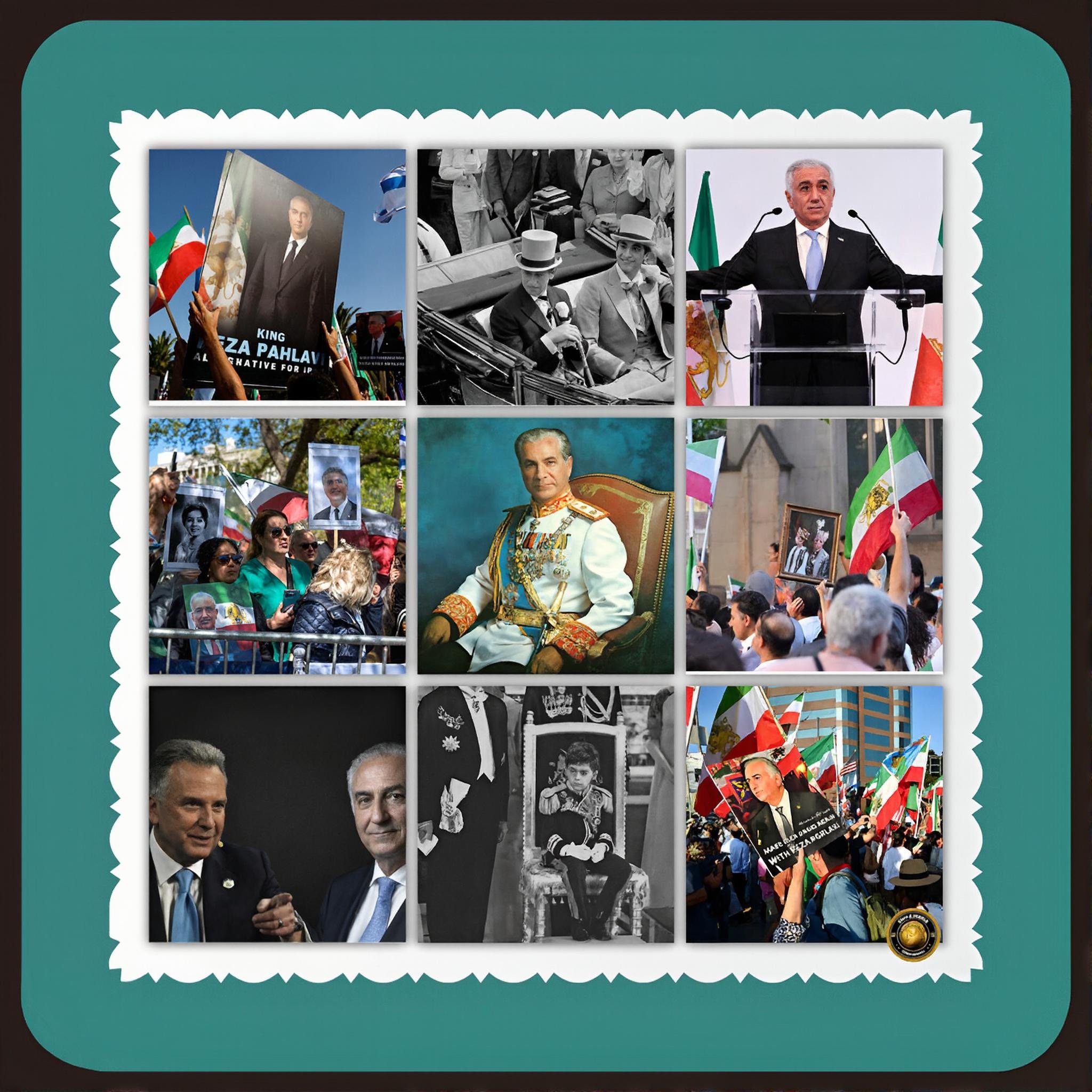
The 1979 Islamic Revolution exiled the 17-year-old prince along with his family, severing him from a country he had barely known as an adult. For decades, Pahlavi maintained a low profile, training as a fighter pilot in the United States and cultivating a base among monarchist exiles.
His public presence remained largely symbolic throughout the 1980s and 1990s, his calls for regime change overshadowed by organized opposition groups like the Mujahedin-e Khalq (MEK) and reformist currents within Iran.
The 2009 Green Movement marked a turning point. As internal reformist slogans gave way to chants rejecting the Islamic Republic’s entire managed spectrum—“Reformist, principlist—the game is over”—Pahlavi began articulating a more active role. The 2019 fuel-price protests and the 2022 “Woman, Life, Freedom” uprising further eroded faith in internal reform, creating space for alternative leadership structures.
By 2024, protest chants explicitly invoked Pahlavi: “Crown Prince, where are you? Come to our aid.” The Lion-and-Sun flag of the former monarchy appeared at demonstrations nationwide, from Tehran to Pasargadae.
Current status shows Pahlavi at the apex of his influence. The July 2025 Munich Convention of National Cooperation to Save Iran convened over 500 representatives—including Baluchi, Kurdish, and other ethnic minority leaders, former political prisoners, and even republican activists historically opposed to monarchy.
All signed a statement pledging unity “regardless of background” and “regardless of political orientation.” Princess Noor Pahlavi, his daughter, participated prominently, signaling generational continuity. Nobel laureate Shirin Ebadi delivered a video message emphasizing that defeating tyranny required unity above ideological preferences, explicitly stating she was “neither a Monarchist nor a Republican.”
Key developments
The Munich Convention and the Five Pillars That Could Topple a Theocracy
The most significant development is Pahlavi’s evolution from symbolic figurehead to operational leader.
His five-pillar framework—maximum pressure, maximum support, maximum defections, maximum mobilization, and developing a post-regime vision—transforms abstract opposition into a strategic program. Maximum pressure leverages international isolation to weaken the regime’s capacity.
Maximum support cultivates foreign government and civil society backing. Maximum defections operates through secure communication channels reportedly used by over 50,000 regime officials considering defection. Maximum mobilization has nearly tripled opposition group participation in the Munich framework. The post-regime vision includes the Iran Prosperity Project, producing detailed plans for rebuilding infrastructure, economy, and governance.
The Prince Who Would Save Iran: Reza Pahlavi’s Unlikely Path From Exile to Revolution
The Emergency Transitional Government Plan, unveiled at Munich, outlines a temporary executive team for interim administration and a National Uprising Council as a provisional legislative body until free elections. Crucially, Pahlavi reiterated he is not personally seeking political office, positioning himself as a transitional facilitator rather than a restorationist monarch.
Protest leadership has become overtly practical. Pahlavi provides concrete instructions: stay on main streets, avoid isolated alleys, move in large crowds, maintain cohesion. His calls for Thursday-Friday evening demonstrations followed by weekend strikes demonstrate staged escalation learning from past failures where momentum alone proved insufficient. His declaration—“I too am preparing to return to the homeland so that at the time of our national revolution’s victory, I can be beside you”—transforms exile from passive refuge to active preparation.
Latest facts and concerns
From “Death to the Dictator” to “Long Live the Shah”
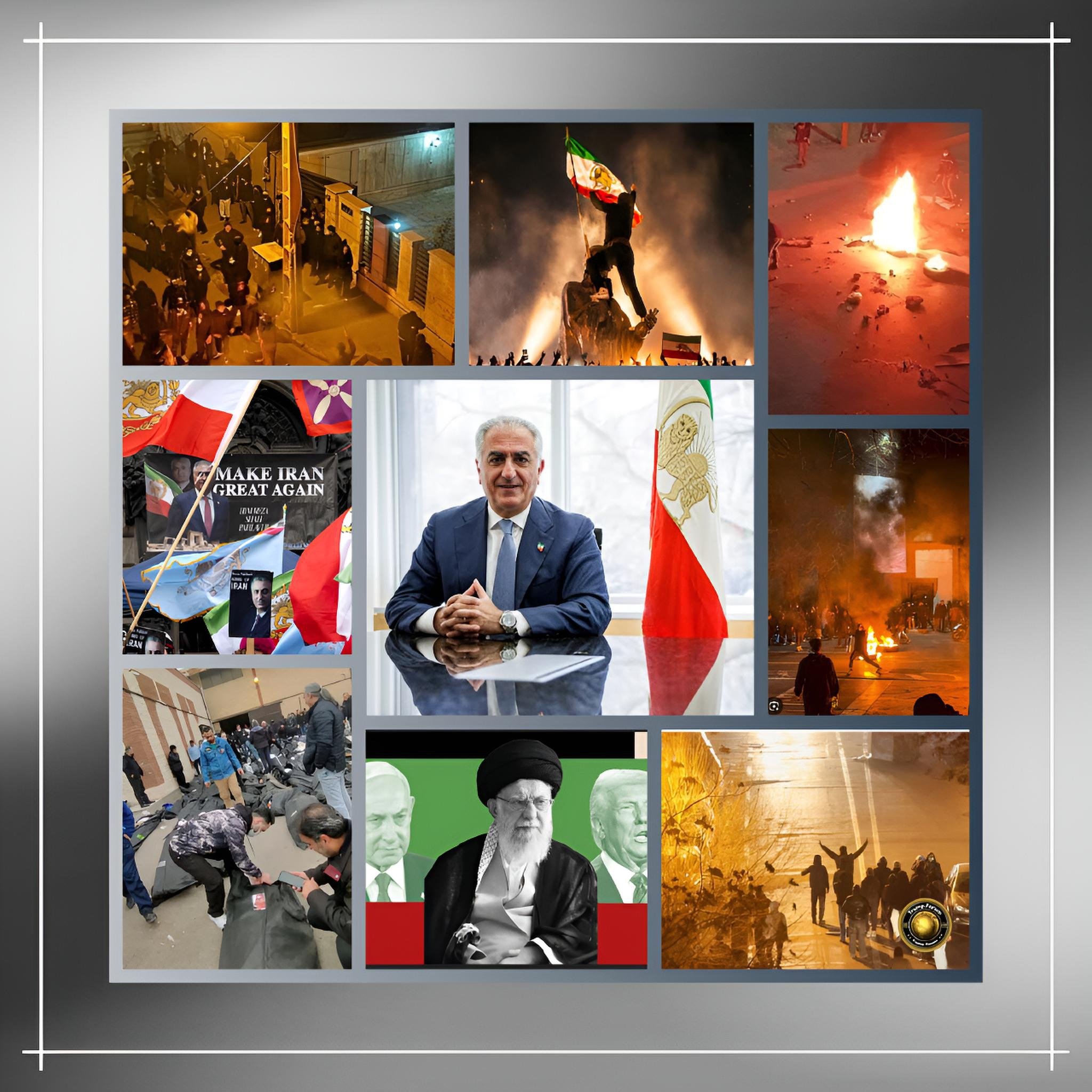
As of January 2026, anti-government demonstrations have spread to nearly 200 cities, intensifying despite escalating regime violence. Supreme Leader Khamenei has characterized protesters as “terrorists” and “tools of outside powers,” while acknowledging the Islamic Republic “came to power with the blood of hundreds of thousands” and “will not back down.”
This rhetoric signals preparation for massive force, yet reports indicate security personnel are increasingly hesitant to execute orders, with some failing to report for duty.
The protest movement’s ideological composition has shifted dramatically. Chants evolved from 2009’s reformist appeals to 2018’s system rejection to 2022’s “Woman, Life, Freedom” and now to explicit monarchist nostalgia. Videos show crowds at historic sites chanting pro-Pahlavi slogans, while the Lion-and-Sun flag becomes ubiquitous. This shift concerns republican activists who fear replacing one authoritarianism with another. The MEK and leftist groups counter with “Neither Shah nor Clergy” chants, highlighting the opposition’s internal schism.
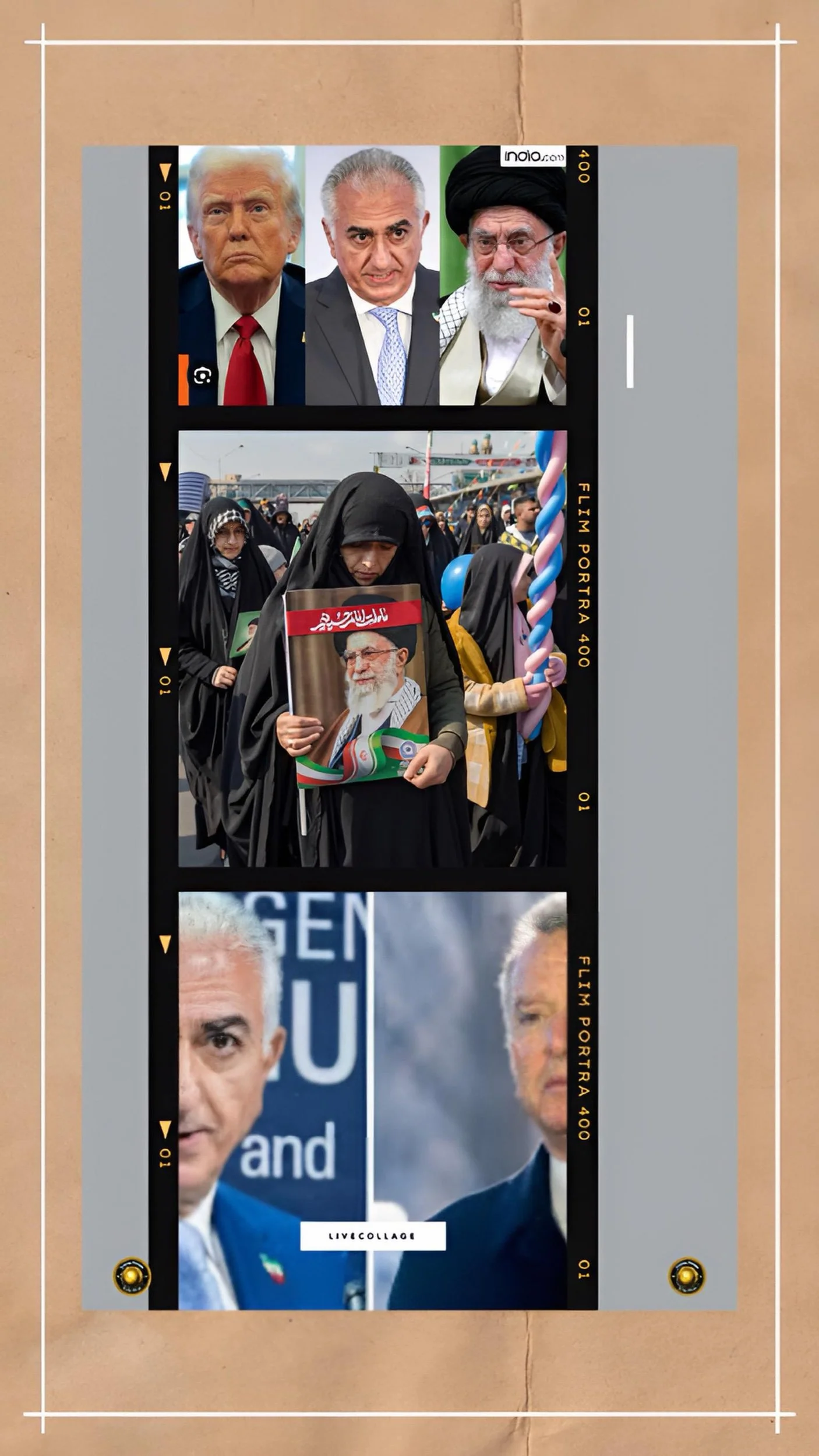
International positioning remains ambiguous. Pahlavi has met with U.S. officials and praised President Trump as “a man of his word,” while Trump has threatened “bombing the hell out of Iran” on social media. This alignment risks associating the democratic opposition with foreign military intervention, potentially undermining domestic legitimacy. Conversely, European governments remain cautious, engaging Pahlavi while maintaining diplomatic channels with Tehran.
The regime’s internal cohesion is cracking. Succession struggles around Khamenei’s replacement intensify factional infighting, weakening command structures. Environmental degradation, infrastructure collapse, and economic freefall—Pahlavi attributes these directly to regime mismanagement—have created a parallel state of failure that fuels protest participation beyond ideological commitment.
Cause-and-effect analysis
How the Islamic Republic Created Its Own Royal Opposition
Several causal chains explain Pahlavi’s emergence as an indispensable figure. The first chain originates in the Islamic Republic’s systematic closure of reformist pathways. The 2009 Green Movement’s suppression, 2019’s massacre of fuel-price protesters, and 2022’s hijab crackdown demonstrated that internal reform is impossible. This created a demand for external leadership that Pahlavi, with name recognition and institutional memory, uniquely satisfied.
The second chain involves the failure of alternative opposition structures. The MEK’s history of violence and cult-like internal dynamics limits its domestic appeal. Reformist figures from within the system, like Mousavi and Khatami, remain discredited by their association with the regime’s survival. Pahlavi’s distance from both violence and the Islamic Republic’s internal politics positions him as a clean break.
The third chain concerns generational change. Young protesters, born after the revolution, exhibit no attachment to the Islamic Republic’s founding mythology. For them, the Pahlavi era represents modernity, regional prestige, and economic development—nostalgia for a past they never experienced but can access through family memory and social media. Pahlavi’s direct appeals to youth, his daughter’s participation, and his use of digital platforms bypass state media censorship.
The fourth chain links international dynamics to domestic legitimacy. EU and U.S. sanctions, while punishing the regime, also impoverish ordinary Iranians. Pahlavi’s promise to end Iran’s pariah status, restore international economic integration, and leverage the diaspora’s expertise directly addresses this pain point. His roadmap for post-theocracy Iran—ending nuclear militarization, ceasing support for terrorist groups, opening to foreign investment—contrasts sharply with the regime’s confrontational doctrine.
Future steps
A 100-Day Transition or a Century of Chaos?
The immediate future hinges on three scenarios. First, regime collapse through internal defection and protest paralysis. Pahlavi’s defection channels and the reported hesitancy of security forces suggest this is increasingly plausible. His 100-day transition plan would activate, with him returning to oversee a constitutional conference and referendum on the future system—monarchy or republic.
Second, prolonged stalemate where protests continue but the regime maintains enough coercive capacity to survive. This would require Pahlavi to sustain momentum through continued strikes, economic disruption, and international pressure while avoiding protester fatigue. The opposition’s internal divisions—monarchists versus republicans, ethnic minorities versus Persian centralists—could surface destructively.
Third, regime counter-offensive using overwhelming force, potentially triggering foreign intervention. Trump’s threats and Israel’s regional posture create a combustible backdrop. Pahlavi would need to navigate between welcoming international support and preventing his movement from being discredited as foreign puppetry.
Long-term steps involve institutionalizing the transitional framework. The Iran Prosperity Project’s detailed sectoral plans must be converted into implementable policies. The National Uprising Council needs formal recognition by foreign governments as Iran’s legitimate interim authority. Constitutional design must balance unitary state traditions with ethnic minority demands for autonomy, likely requiring federalist compromises.
Conclusion
Can a Prince Deliver Democracy?
Reza Pahlavi’s journey from teenaged exile to indispensable opposition leader reflects both his personal evolution and the Islamic Republic’s terminal decay. He has positioned himself not as a restorationist monarch but as a transitional facilitator whose hereditary legitimacy provides symbolic unity for a fragmented opposition. His five-pillar framework offers the first comprehensive strategy for democratic transition, while his defection channels and practical protest guidance demonstrate operational capacity.
Yet indispensability does not guarantee success. The opposition’s internal schisms, the risk of foreign intervention tainting the movement, and the regime’s potential for catastrophic violence all pose existential threats. Pahlavi’s promise to remain outside formal political office and submit his future role to referendum addresses republican concerns but also creates a vacuum: who governs during transition?
The 2025-2026 uprising may be Iran’s revolutionary moment. Whether it produces democracy or chaos depends significantly on whether Pahlavi can convert symbolic authority into effective governance without reproducing the authoritarianism he seeks to abolish. His indispensability is thus contingent: he is the figure around whom unity coalesces, but unity itself must be transformed into durable institutions.
The crown prince has become indispensable; whether that proves sufficient will be determined on Iran’s streets and in its constitutional convention halls.