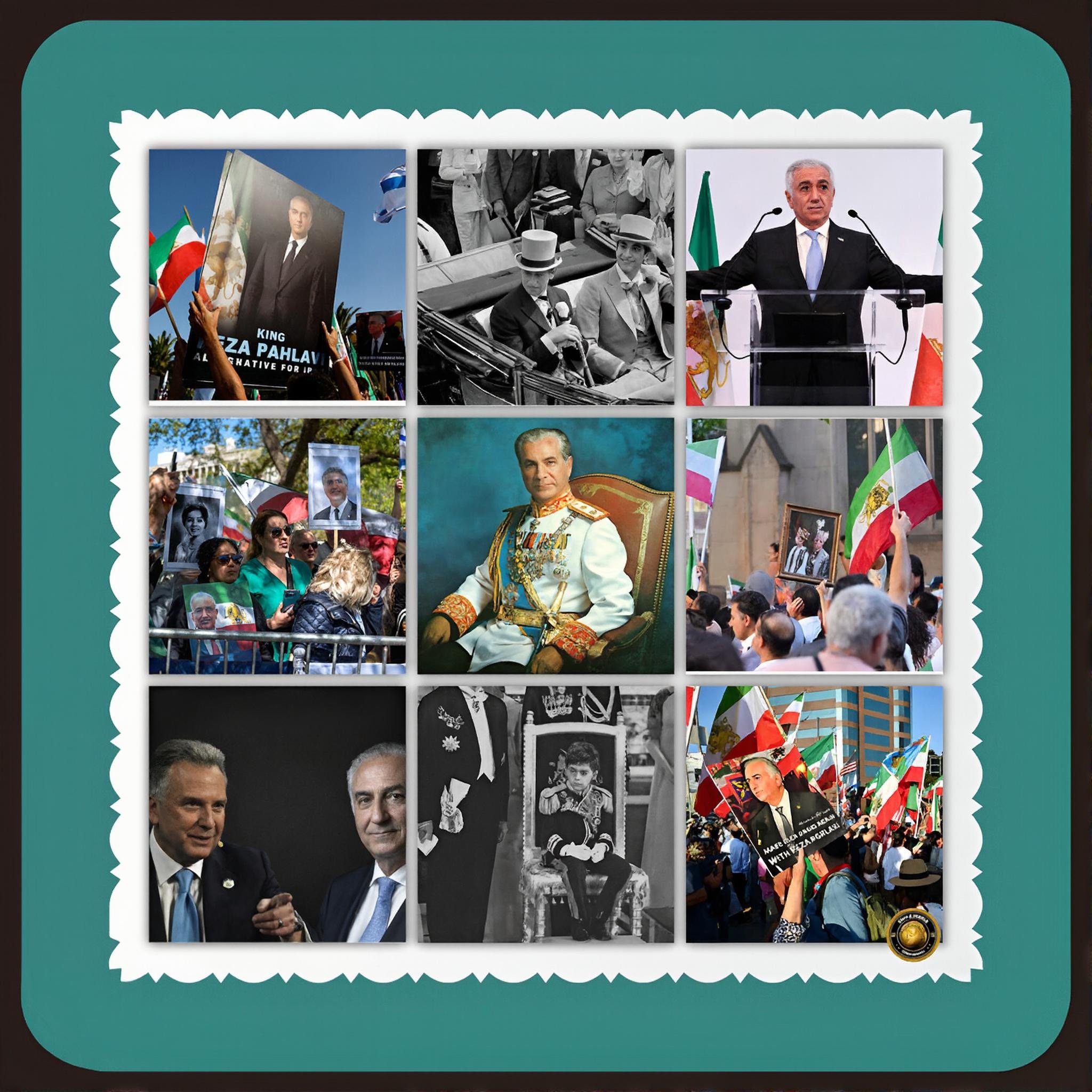
The Princely Persona: Reza Pahlavi’s Transition from Exile to Leadership
Executive summary
From Palace to Protest: The Exiled Prince’s Bid for Relevance
Reza Pahlavi’s emergence as a viable transitional figure for Iran represents a complex interplay of dynastic symbolism, personal charisma, and strategic repositioning.
His recent interview in a West Los Angeles hotel suite, conducted under discreet security and marked by his deliberate use of phrases like “my country,” illuminates a calculated effort to transform inherited status into earned legitimacy.
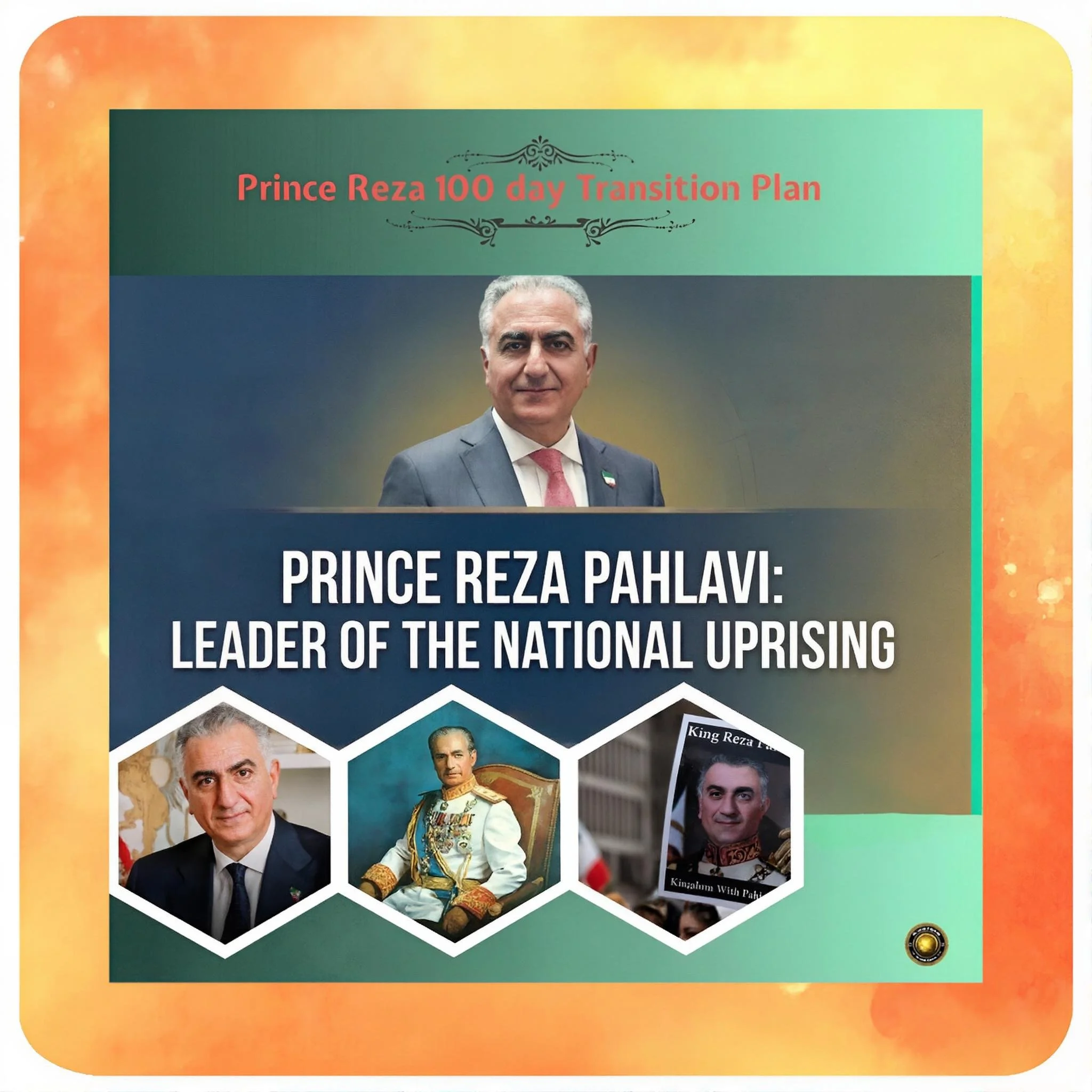
The crown prince’s “stop hoping and start believing” mantra reframes the diaspora’s relationship with Iran’s future, shifting from passive aspiration to active participation. His hundred-day transitional framework, presented with regal decorum and masculine grace, attempts to reconcile monarchical heritage with democratic process.
The plan’s viability depends on converting emotional resonance among exiled Iranians into tangible support within Iran’s protest movement, while navigating the treacherous waters of foreign association and internal fragmentation.
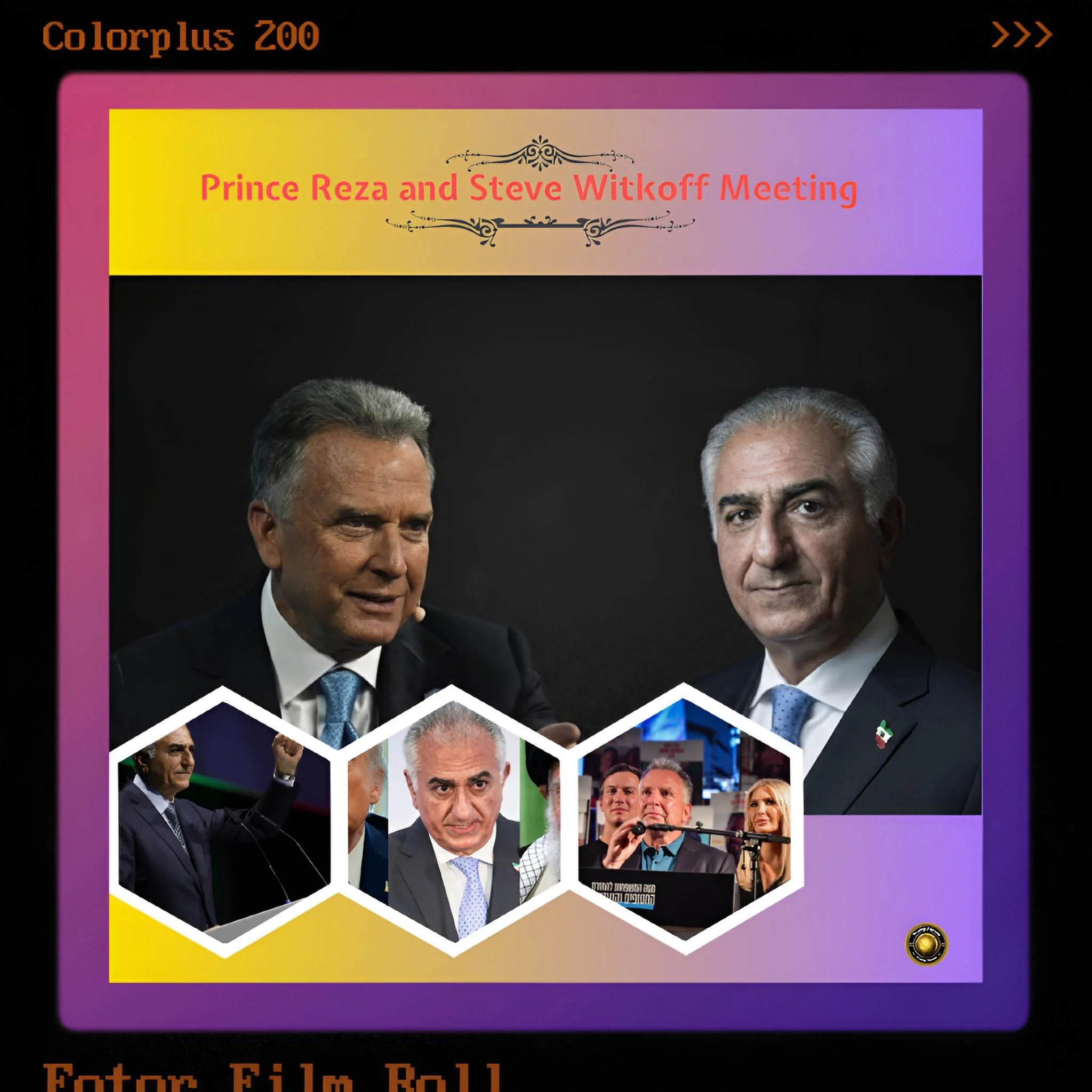
Recent engagement with US envoy Steve Witkoff suggests Washington is evaluating Pahlavi not merely as a symbolic figure but as a potential transitional instrument, contingent upon his ability to transcend his princely persona and forge authentic connections with Iran’s diverse opposition.
Foreward
Regal Bearing, Revolutionary Message: The Paradox of Pahlavi’s Appeal
The meeting between Reza Pahlavi and a journalist in a secured West Los Angeles hotel suite encapsulates the paradox of his political existence.
Dressed in a crisp dark gray suit, wearing the red, white and green lapel pin bearing Iran’s imperial emblem, he embodies the very monarchy that millions of Iranians associate with both national pride and authoritarian excess. His subtle mannerisms and stately posture evoke quiet regality, yet his message—“stop hoping and start believing”—demands active engagement rather than nostalgic reverence.
This juxtaposition of princely bearing and revolutionary call to action defines his contemporary relevance.
The interview setting, with guards at the door and the emotional weight of diaspora memory palpable in the room, transforms a simple conversation into a symbolic act of national reclamation.
A Prince Among Men: Reza Pahlavi’s Crown as Burden and Bridge
For millions of Iranians who fled the Islamic Republic, Pahlavi represents continuity with a pre-revolutionary identity that the regime has systematically erased. His reference to Iran as “my country” while fanatic clerics control Tehran endears him to exiles who maintain that Iran remains their homeland in essence, if not in governance.
History and current status
Four Decades in Exile, One Moment in Time: Pahlavi’s Long Road Back
Reza Pahlavi’s political evolution from exiled heir to transitional aspirant spans four decades of marginalization, assassination attempts, and gradual rehabilitation.
Born into the Peacock Throne, his life trajectory was shattered by the 1979 revolution that transformed him from crown prince to stateless wanderer. For years, he remained a peripheral figure, his name invoked by regime propaganda as shorthand for imperial decadence and foreign dependency.
The current protest wave, however, has altered his status from historical artifact to potential actor. His hundred-day plan, refined through years of diaspora engagement, now circulates within Iran despite regime censorship, its name chanted in streets where his father’s memory evokes complex emotions.
The plan’s current status is best understood as aspirational infrastructure—a blueprint awaiting activation conditions that remain outside his control.
While diaspora networks amplify his message, internal Iranian support remains tentative, contingent on protest evolution and security force calculations.
Key developments
Stop Hoping, Start Believing”: When a Prince Becomes a Prophet
Several developments have elevated Pahlavi from symbolic exile to policy consideration.
The interview’s publication coincided with intensified protests across nearly 200 Iranian cities, creating a receptive audience for his “stop hoping and start believing” message. His direct appeals to security forces, urging them to “join the people,” represent unprecedented outreach to the regime’s coercive backbone.
The Witkoff meeting marked his first direct engagement with a senior US official during the current crisis, signaling external validation of his transitional framework. Simultaneously, his media strategy has shifted from nostalgic monarchism to democratic process advocacy, emphasizing referendum and constitutional convention rather than restoration.
This repositioning has attracted younger Iranians, less burdened by memories of the Shah’s secret police, while alienating hardline monarchists who demand explicit restoration.
Latest facts and concerns
Emotion Versus Reality: The Gap Between Diaspora Dreams and Iranian Streets
The emotional resonance Pahlavi generates among diaspora Iranians contrasts sharply with empirical challenges to his plan’s implementation. His grandmotherly appeal—evoking familial pride and generational continuity—mobilizes expatriate support but does not translate directly to protest coordination inside Iran. The regime’s internet blackouts and mass arrests have prevented his hundred-day framework from achieving organizational traction within the country.
Security forces have not responded to his defection appeals in significant numbers, suggesting his princely status carries limited weight among Revolutionary Guard commanders. Ethnic minorities remain skeptical of centralized authority figures, viewing his framework as insufficiently federalist.
The association with US officials, while providing external validation, simultaneously reinforces regime narratives of foreign-orchestrated subversion, potentially discrediting both Pahlavi and the broader protest movement among nationalistic Iranians.
Cause-and-effect analysis
The Princely Dilemma: How Crown Becomes Cross to Bear
Pahlavi’s princely persona functions as both asset and liability in the current crisis. His regal bearing and dynastic legitimacy provide a recognizable focal point for opposition coordination, yet they evoke memories of authoritarianism that alienate republican and leftist factions.
The “stop hoping and start believing” message reframes diaspora engagement from passive nostalgia to active participation, yet it raises expectations that may exceed deliverable outcomes. US engagement creates a feedback loop: external validation enhances his credibility among protesters, which intensifies regime repression, which in turn generates greater international sympathy for his cause. However, this dynamic also increases the risk of foreign intervention stigma, potentially delegitimizing the movement domestically. The plan’s temporal specificity—100 days—creates urgency but also sets a benchmark for failure if unmet, risking disillusionment among supporters.
Future steps
Beyond the Palace Gates: Pahlavi’s Path to Democratic Credibility
Pahlavi’s trajectory will depend on his capacity to transcend princely symbolism and forge functional alliances with Iran’s protest leadership. He must demonstrate that his framework can accommodate federalist demands from Kurdish and Baluchi constituencies, republican aspirations from secular democrats, and economic concerns from workers.
Washington’s role should remain calibrated: providing communications support and sanctions pressure without overt endorsement that would toxify his legitimacy. The diaspora must transition from emotional support to logistical facilitation, funding secure communication networks and humanitarian corridors.
Inside Iran, the emergence of coordinating committees that explicitly reference the hundred-day framework would signal its transition from exile proposal to domestic program. Pahlavi himself must prepare for scenarios where his personal leadership becomes secondary to the institutional framework he has authored.
Conclusion
Crown or Coffin: The Fate of a Prince in Revolutionary Iran
Reza Pahlavi’s journey from exiled prince to transitional architect reflects the peculiar alchemy of Iranian politics, where dynastic memory and democratic aspiration intersect.
His princely bearing, so carefully cultivated in West Los Angeles hotel suites, provides both the emotional resonance that mobilizes diaspora support and the historical baggage that complicates domestic acceptance.
The “stop hoping and start believing” mantra captures the necessary shift from passive aspiration to active engagement, yet it demands outcomes that may lie beyond his capacity to deliver.
The hundred-day framework offers procedural clarity in a landscape of chaos, but its viability depends on factors—military defection, opposition unity, popular ratification—that elude exile orchestration. Whether Pahlavi becomes a transitional leader or remains a symbolic figure will be determined not by his regal decorum but by his ability to transform princely inheritance into democratic legitimacy.
For now, he remains a prince among men, awaiting the moment when Iranians decide if his crown is a relic or a tool.