The Rubicon Crossed: Iran's Massacre as the Moment of Final Transformation
Executive Summary
The Deadliest Week: How Iran's Crackdown Shattered the Last Illusions
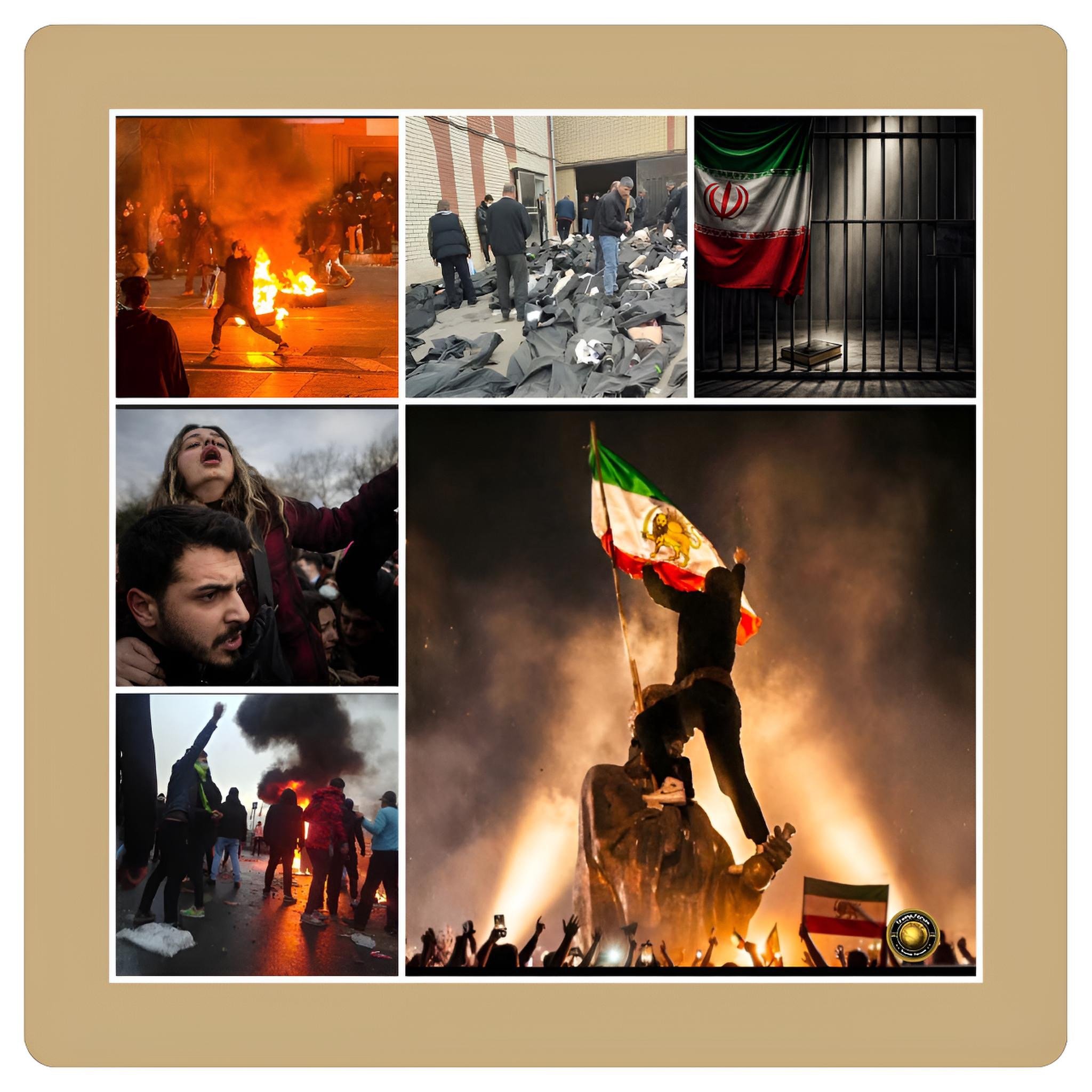
Between December 28, 2025, and mid-January 2026, Iran's Islamic Republic implemented the deadliest crackdown in its contemporary history against pro-democracy protesters. Beginning with modest economic grievances centered on currency collapse and hyperinflation, nationwide demonstrations rapidly escalated into a comprehensive challenge to regime legitimacy. In response, Tehran orchestrated a coordinated massacre involving the Islamic Revolutionary Guard Corps, the Basij militia, and state police forces. Conservative estimates document approximately 2,677 deaths, while credible sources suggest the toll ranges between 12,000 and 20,000 individuals. Accompanied by a nationwide internet blackout, mass detention of over 3,000 persons, and systematic efforts to conceal evidence, the regime's response reveals both its perceived existential vulnerability and its strategic choice to prioritize coercive control over any attempt at political accommodation.
The crackdown succeeded, at least temporarily, in suppressing visible dissent through fear. However, it has irrevocably damaged the regime's remaining sources of legitimacy, narrowed its policy options, and demonstrated to both domestic and international audiences that Tehran no longer governs through consent but through terror. The question before Iran's leadership is not whether it can indefinitely sustain this posture, but rather at what cost.
Introduction
Can a Regime Massacre Its Way to Stability? The Regime's Dangerous Gamble
The Islamic Republic of Iran entered 2026 facing simultaneous crises unprecedented in scope and intensity since the 1979 revolution. Economic collapse, geopolitical isolation, regional military setbacks, and the erosion of ideological legitimacy converged in late December to produce the largest sustained uprising since 2009. Yet what distinguishes the 2025-2026 episode from earlier episodes of discontent is the regime's categorical refusal to make even tactical concessions.
Where previous moments of unrest produced negotiations, policy reversals, or cosmetic reforms, the current cycle has generated an unprecedented bloodbath. The interpretation of this choice—whether as an expression of strength or a symptom of terminal weakness—is central to understanding Iran's political trajectory and the region's immediate future.
The massacre that unfolded across Iranian cities between January 8 and 12, 2026, was not spontaneous. Multiple intelligence sources, eyewitness testimonies, and hospital records indicate that security force commanders received explicit orders to escalate to lethal force.
The deployment of the IRGC, activation of Basij militia networks, and apparent disregard for civilian casualties all point to a deliberate strategic calculation made at the highest levels of the regime. That calculation rested on a specific premise: that the cost of political compromise exceeds the cost of large-scale repression, provided the repression is sufficiently severe to discourage recurrence.
FAF assessment merits examination not merely as a descriptive matter, but as an indicator of how the regime's leadership understands its own vulnerabilities.
History and Current Status
The Four Pillars Crumble: How the Islamic Republic Lost Everything But Guns
The Islamic Republic's legitimacy has rested historically on four pillars: revolutionary ideology, nationalist symbolism, theocratic institutional design, and a network of regional proxy forces. By January 2026, each pillar showed visible cracks.
Ideologically, the regime's founding narrative centered on resistance to Western imperialism and the creation of a uniquely Islamic state animated by principles of social justice and anti-colonialism. That narrative has become increasingly hollow. Decades of corruption, autocratic governance, and the visible enrichment of regime-connected elites have eroded revolutionary mystique.
More recently, Iran's military entanglement in regional conflicts—supporting Hezbollah in Lebanon, Shiite militias in Iraq, the Houthis in Yemen, and Hamas and Palestinian Islamic Jihad—has produced vast material costs without commensurate strategic returns.
The June 2025 twelve-day conflict with Israel exemplified this dynamic: despite mobilizing the whole apparatus of Iranian state power, Tehran was unable to prevent Israeli airstrikes, protect its nuclear facilities from targeting, or shield its airspace from incursion. The war produced no strategic gains, accelerated currency depreciation, and left the regime strategically isolated without achieving its stated objectives.
Institutionally, the Islamic Republic's governance structure has undergone gradual concentration. While the 1979 constitutional framework nominally distributed power among multiple centers—the Supreme Leader, the presidency, parliament, the judiciary, and the Revolutionary Guard—by 2026, Ayatollah Ali Khamenei had consolidated effective control. Presidents Mahmoud Ahmadinejad, Hassan Rouhani, and Masoud Pezeshkian each discovered that actual executive authority resided with Khamenei and the IRGC leadership rather than with elected officials.
This concentration has paradoxically weakened the regime by eliminating even the appearance of accountability. When economic hardship mounted, regional influence contracted, and ordinary Iranians faced hyperinflation and unemployment, they had no institutional mechanism to register dissent. Elections were demonstrably managed; parliament was subordinate; the judiciary was a tool of repression. The only remaining avenue for political expression was the street.
Regionally, Iran's position had deteriorated sharply across the preceding eighteen months. Hamas leadership was decimated in the Gaza conflict; Hezbollah was weakened by Israeli targeting and Syrian state collapse; Iraqi militias were politically isolated; the Houthis maintained only symbolic relevance.
The narrative of an "Axis of Resistance" capable of constraining Israeli and American power had become untenable. Saudi Arabia and the UAE had normalized relations with Israel; Egypt maintained its peace treaty; Iraq sought neutrality. Iran stood alone, its treasury depleted by decades of sanctions and military spending, its airspace violated with impunity, its alliance network in ruins.
Economically, the deterioration was neither recent nor temporary. Over more than four decades, the Iranian rial has experienced sustained depreciation relative to hard currencies, particularly the US dollar. However, the pace of decline accelerated sharply in 2025. The rial commenced that year at approximately 817,000 per USD.
By late December, it had reached 1.42 to 1.47 million per USD on the parallel market, representing a depreciation of roughly 80 percent in a single year.
This rapidity of decline destroyed the economy's price mechanisms. Merchants could not establish reliable margins; consumers could not plan purchases beyond immediate needs; businesses could not undertake capital investment. A currency loses its essential function as a store of value when its purchasing power halves every few months. By December 2025, the rial had effectively ceased to perform that function.
Inflation, measured at 42.5 percent year-on-year in December 2025, understates the actual erosion of living standards. Food prices rose 72 percent; healthcare costs climbed 50 percent; basic staples of bread, rice, cooking oil, and meat became unaffordable for middle-income households.
The International Monetary Fund forecast inflation above 40 percent for the entire year of 2026. These figures reflect not mere monetary instability but a comprehensive collapse of household purchasing power. A wage earner whose salary remained fixed in nominal terms experienced a genuine income decline of approximately 40 percent. Savings in rials were obliterated. Pensions became meaningless. The implicit social contract—in which even economically dissatisfied citizens might accept restricted political freedoms in exchange for basic material security—had been terminated by economic reality itself.
Key Developments
From Bazaar Closure to Massacre: The Seven-Day Escalation That Changed Everything
The sequence of events that produced the January massacres began not with overt political mobilization but with the pragmatic economic behaviors of merchants and traders. On December 28, 2025, following the regime's decision to require importers to purchase foreign currency at parallel market rates rather than at subsidized official rates, demand for dollars spiked.
Currency exchange rates lurched downward in a single day. Retailers and shopkeepers, facing immediate margin compression and unable to pass costs to consumers without pricing goods beyond market reach, responded with the most effective weapon available to merchants: they closed their shops. A strike emerged spontaneously in Tehran's Grand Bazaar—the historic commercial heart of the capital—and spread rapidly to major cities including Isfahan, Shiraz, Mashhad, and Tabriz.
These initial demonstrations bore the character of economic protest. Shopkeepers chanted slogans demanding the regime's attention to currency stabilization; workers from the electronics and consumer goods sectors joined; and ordinary citizens, whose purchasing power was evaporating, demanded government action.
The regime's initial response, as recorded in President Pezeshkian's statements, acknowledged the legitimacy of economic grievances.
Announcements of monthly cash transfers to households appeared in official media. These gestures, however, rang hollow. No serious policy option existed to restore the rial's value without either ending sanctions—themselves dependent on geopolitical accommodation unlikely under current circumstances—or implementing severe austerity that would contract living standards further.
By early January, as the government's inability to arrest currency decline became apparent, the character of the protests transformed. What began as an economic grievance evolved into political opposition. Protesters began chanting "Marg bar regime" (death to the regime) and "Zan, zendegi, azadi" (woman, life, freedom)—echoing slogans from the 2022-2023 mobilization following Mahsa Amini's death in police custody.
The movement's locus shifted from bazaar merchants to younger, university-educated urban cohorts. Participation expanded beyond economic distress to encompass demands for fundamental change in Iran's political system.
Critically, the movement generated an explicitly nationalist alternative to the regime's revolutionary ideology, with protesters chanting "Marg bar Gaza, marg bar Hamas; man tanha baraye Iran," expressing unwillingness to sacrifice economic well-being for ideological commitments to Palestinian causes.
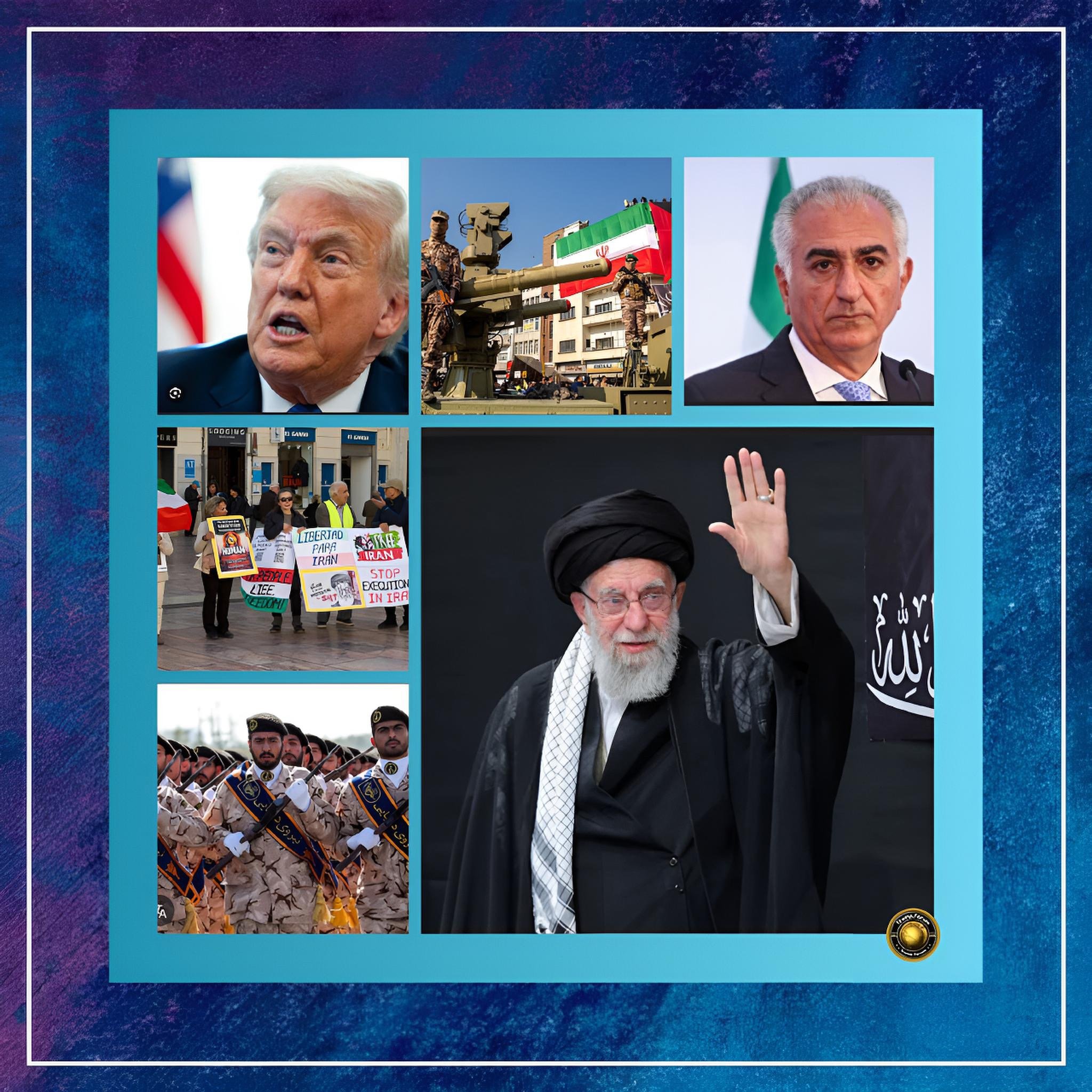
Intelligence available to regime leadership indicated that the movement possessed the potential to evolve into something approaching the scale of 2009's Green Movement or the 2022-2023 cycle of unrest. External validation of this assessment came from President Donald Trump, who, on January 2, issued a public statement warning that should Iran continue killing peaceful protesters, the United States would intervene militarily. Trump declared American forces "locked and loaded," explicitly linking US military action to the severity of the crackdown. This external threat, combined with intelligence concerning the movement's scale and social breadth, appears to have crystallized regime decision-making. Rather than attempt accommodation or concession, Iran's security leadership was determined to implement overwhelming repression.
The coordinated escalation commenced on January 8, 2026, in the evening hours. The Islamic Revolutionary Guard Corps, the Basij militia, and state police deployed simultaneously across multiple cities. Unlike earlier protests where security forces had employed tear gas, water cannons, and selective detention, the January crackdown involved live ammunition fired into crowds.
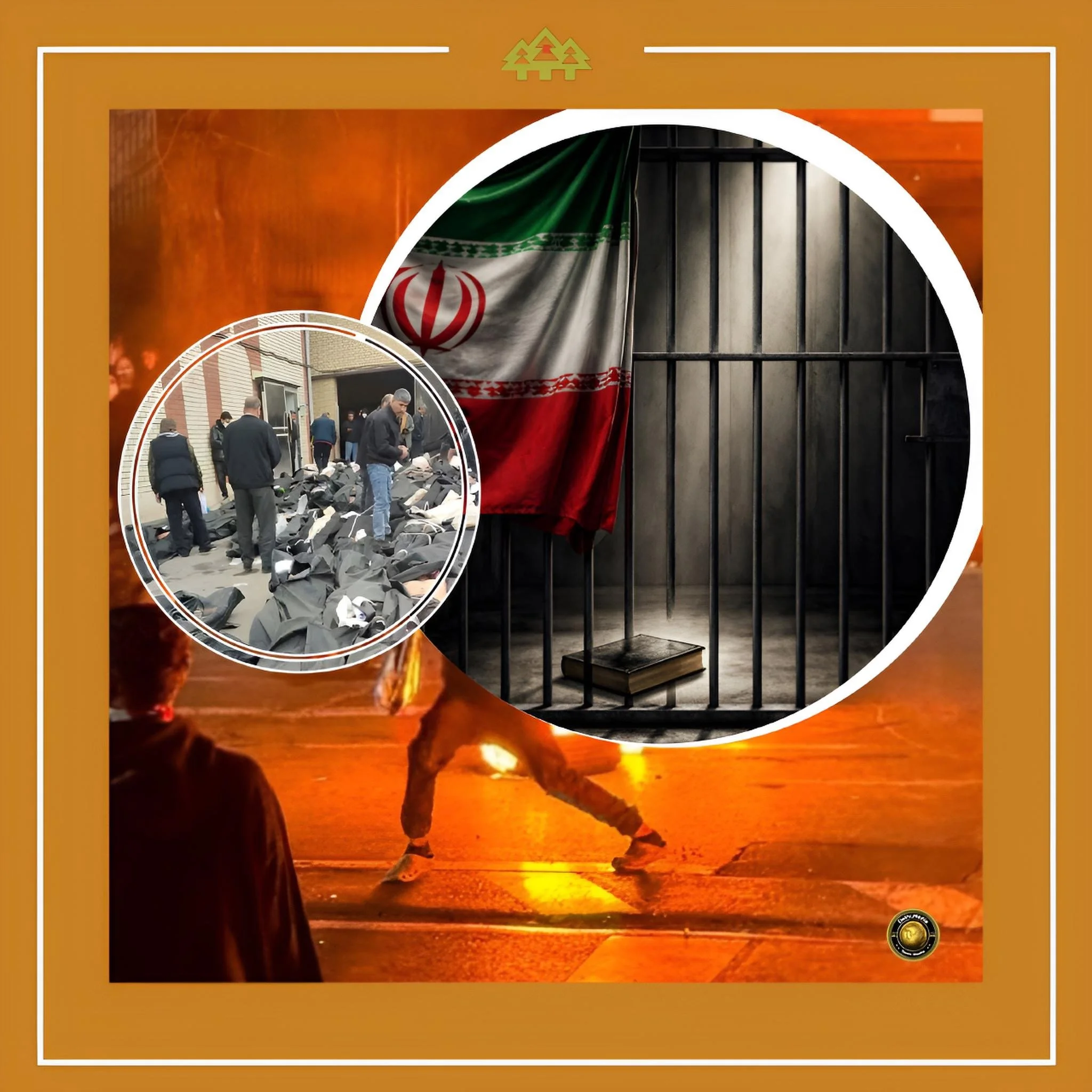
Hospital staff interviewed after the fact reported that casualties bore the characteristic patterns of execution-style killings: multiple gunshot wounds to the head and torso, injuries consistent with close-range fire. In some cases, documented by international human rights organizations, security forces entered hospitals and attacked wounded patients with gunfire and tear gas. One location in Ilam Province witnessed security personnel firing into hospital grounds, assaulting medical staff, and family members of the wounded.
The scale of killings concentrated heavily in the first seventy-two hours of the crackdown. On January 8 alone, at least 217 individuals were killed in Tehran. Reports from medical centers indicate that the tempo of casualties accelerated on January 9 and peaked on January 10.
Over this forty-eight-hour period, according to credible reports, between 2,000 and 6,000 individuals were killed. Precise documentation of all casualties became impossible following the regime's decision to impose a nationwide internet blackout on January 8. This decision appears explicitly designed to impede the transmission of images and casualty information to international audiences.
The internet blackout proved comprehensive. NetBlocks, an organization that monitors telecommunications globally, confirmed that Iranian internet access fell to approximately 1% of standard capacity, remaining at that level for 8 consecutive days.
This blackout served multiple strategic purposes: it prevented protesters from coordinating; it obscured the scale of casualties from the internal population; and it denied international observers real-time documentation of regime actions.
The blackout also complicated the humanitarian response, preventing ambulances from coordinating with hospitals, preventing citizens from accessing information about missing family members, and increasing the regime's information monopoly over what had transpired.
This last point merits emphasis: in the absence of independent communications, the regime could control narratives, pressure families to falsify death certificates, and create uncertainty about casualty numbers. From the regime's perspective, information control became as crucial as physical repression in managing public response.
Detentions accompanied killings. According to the Human Rights Activists News Agency, over 19,000 individuals were arrested in the initial phase of protests, with this figure revised to over 3,000 confirmed detentions by mid-January.
Arrested individuals faced interrogation in facilities including Evin Prison, Badabad Prison, and unknown detention sites. Reports from activist networks indicated that detainees faced torture, sexual violence, and deprivation of medical care. Families of the disappeared experienced uncertainty regarding the location and status of detained relatives, a circumstance that intensified the climate of fear and demoralized sustained mobilization.
Latest Facts and Concerns
Counting the Dead: Why Nobody Really Knows How Many Iranians the Regime Killed
As of January 16, 2026, credible reporting indicates the following factual status. The death toll from the January 8-12 massacre remains disputed, with estimates ranging from approximately 2,677 confirmed deaths—according to the Human Rights Activists News Agency, which maintains the most conservative and verifiable count—to estimates of 12,000 to 20,000 based on hospital records, medical center reports, and body disposal patterns observed before the internet blackout.
The disparity reflects the impossible evidentiary burden imposed by the internet shutdown. The lower figures, which are more conservatively documented, almost certainly understate actual mortality. The higher estimates, based on medical facility reports and eyewitness accounts, are difficult to verify independently but align with the scale of medical surge capacity that hospitals reported experiencing.
The regime has claimed that at least 100 to 135 security personnel were killed during the crackdown, though this figure has not been independently verified. The regime has attributed these deaths variously to "terrorists" and to protesters using firearms, claims which international observers view with skepticism. More credible accounts suggest that security force casualties resulted primarily from incidents of friendly fire or intra-force conflict, reflecting the chaotic nature of the crackdown.
The internet blackout, now approaching two weeks' duration, has created a humanitarian crisis independent of the direct casualties of the massacre. The absence of communication prevents citizens from confirming the welfare of family members; isolates Iran from the international information ecosystem, preventing the transmission of news and alternative information sources; impedes economic coordination; and generates psychological stress through information vacuums.
Reports from Tehran and other major cities indicate that public sentiment is dominated by fear. The regime has maintained a visible security presence through checkpoints and curfews beginning at 8 PM, and has announced consequences for future violations of public order.
The regime's statements concerning future violence have been contradictory and unclear. On January 14, President Trump announced that he had received information from "significant sources" indicating that Iran had ceased killing protesters and had cancelled planned mass executions of hundreds of detained individuals.
The Iranian regime did not explicitly confirm these claims but responded indirectly by pardoning at least one high-profile protester, a 26-year-old individual scheduled for execution. However, no systematic evidence has emerged indicating that the regime has abandoned its capacity or intention to employ lethal force against resumed demonstrations.
Instead, the current posture appears to be one of tactical suspension of maximum violence, designed to reduce justifications for external military intervention while maintaining sufficient coercive pressure to discourage re-emergence of sustained protest.
The economic situation that catalyzed the protests has not improved. The rial remains near its historic low of 1.5 million per USD. Inflation continues above 42 percent. Food prices remain elevated. No policy changes have been implemented to address the underlying conditions that led to the uprising.
This suggests that any relaxation of immediate repressive measures is temporary and that future cycles of economic deterioration will likely produce renewed discontent.
Cause-and-Effect Analysis
The Death of Alternatives: Why Terror Became the Only Option Available
The direct cause of the January 2026 massacres was not, despite some claims by regime officials, infiltration by foreign agents or the actions of armed insurgents.
The causes were straightforward: the regime faced genuine, mass-based protest rooted in real economic collapse; it possessed the military capacity to suppress such protest through overwhelming force; it made a deliberate choice to employ that force lethally; and it calculated that the political costs of this choice were lower than the perceived costs of accommodation or modest policy concession.
This calculation itself warrants examination. The regime's decision to kill thousands rather than negotiate, retreat, or implement face-saving reforms reflects several factors operating in combination. First, the regime appears to have interpreted the scale and composition of the protests as representing an existential threat rather than a cyclical episode of discontent.
The movement united disparate social strata—merchants, university students, industrial workers, religious minorities—around an increasingly explicit nationalist and anti-regime message. Where previous protests had been fragmented, the January movement showed signs of coherence.
Intelligence assessments available to regime leadership, combined with Trump's explicit military threats, may have convinced security commanders that the situation was deteriorating at an accelerating pace and that a delay in implementing repression would only increase the challenge.
Second, the regime's institutional structure, which concentrates power in the hands of the IRGC and the security apparatus, creates incentive structures that favor security solutions over political ones.
The IRGC and Basij militia are not disinterested security forces; they control vast economic enterprises, manage major industries, and employ tens of thousands of personnel. These institutions benefit from the continued state of emergency and from the militarized governance model that has characterized the post-2009 period.
A regime that had accommodated even modest demands from the 2022-2023 Mahsa Amini protests—such as relaxing dress codes or reducing police authority—would have represented a loss of institutional control. Hardline security commanders appear to have concluded that no concessions that would placate the movement could be made without undermining IRGC institutional prerogatives.
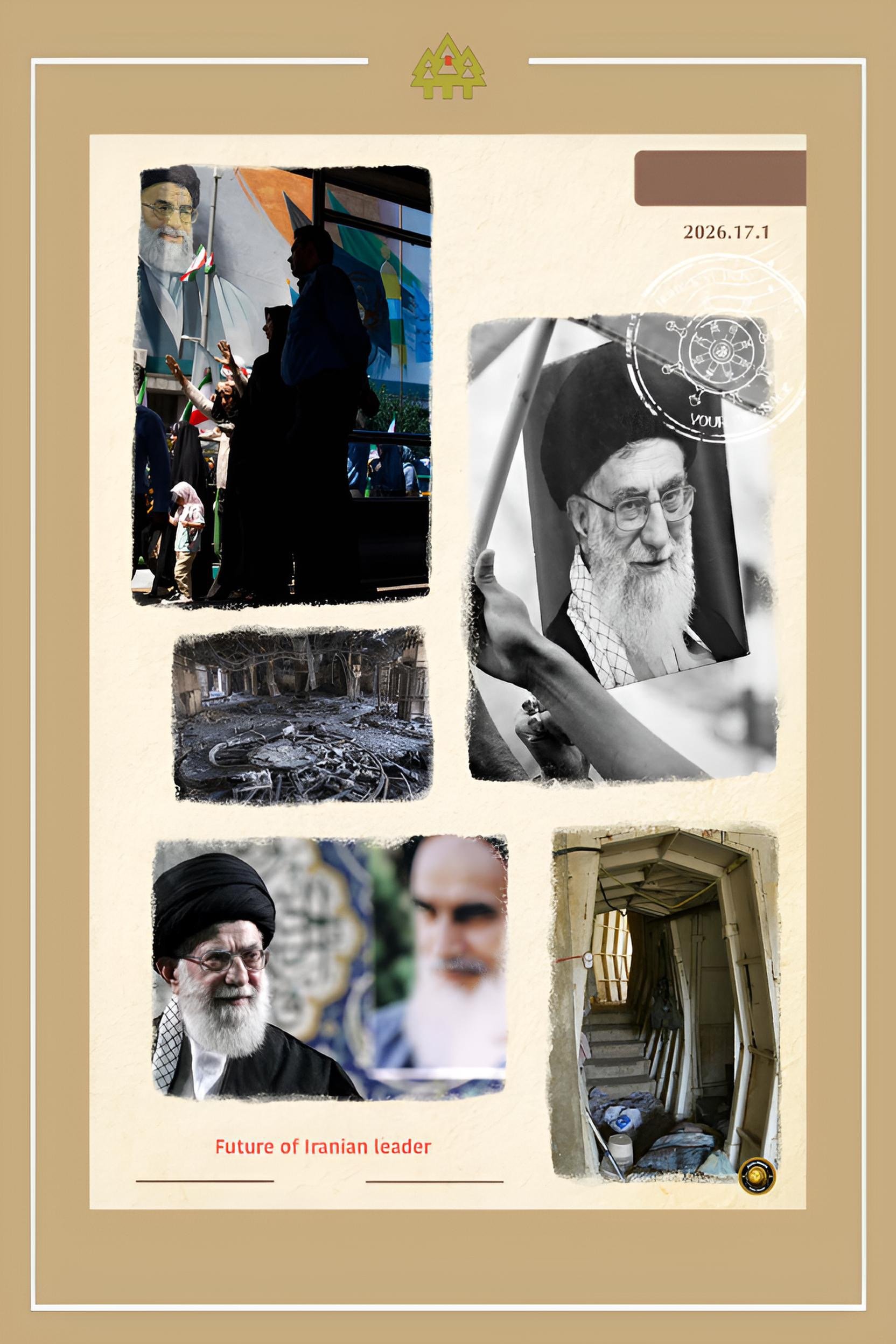
Third, regime leadership, particularly Ayatollah Khamenei, appears to harbor deep concerns about the legitimacy of the succession after Khamenei's death. The Islamic Republic has never successfully managed a transition of supreme leadership; the death of Khomeini in 1989 was a narrow escape from institutional collapse.
Khamenei's health is uncertain; succession planning is opaque. A weakened regime at a moment of succession would face heightened vulnerability to internal challenge. The calculus thus involved not merely preserving regime control in the present but maintaining the structural coherence necessary for institutionalized power transfer in the future. From this perspective, tolerating large-scale protest represented a threat not only to current policy but to the regime's very institutional survival beyond Khamenei's tenure.
Fourth, the regime has, over the past forty years, developed an exceptional capacity to mobilize security forces and to tolerate international opprobrium. The IRGC and Basij possess robust doctrine and training in crowd suppression; they have practiced repeatedly, they exhibit institutional cohesion, and they operate with apparent indifference to international sanctions or diplomatic isolation. This capability, once acquired, creates a standing invitation to its use.
Security establishments that are expensive, well-equipped, and extensively trained acquire institutional interests in demonstrating necessity and effectiveness. The absence of senior IRGC defections or mutiny suggests that the organization operates with sufficient internal consensus to execute orders to kill protesters without fissure.
The consequences of this choice are becoming apparent. In the immediate aftermath, the crackdown succeeded in suppressing overt dissent. The streets of major Iranian cities are reported to be quiet; security presence has deterred renewed mass mobilization; the climate of fear is palpable. From the narrow perspective of maintaining public order in the weeks ahead, the massacre accomplished its immediate objective: it demonstrated that the cost of further protest would be extreme and raised the threshold for collective action necessary to sustain resistance.
However, the longer-term consequences are more problematic for the regime. The massacre has destroyed whatever residual legitimacy the regime retained among educated, urban, younger cohorts of the Iranian population. It has vindicated the most pessimistic assessments concerning regime brutality and narrowed the space for even sympathetic observers to argue that the system was capable of reform. It has demonstrated, clearly and unambiguously, that the regime no longer governs through consent or even through the pretense of consent but through terror. This transition from hegemonic rule—in which populations accept authority even while resenting particular policies—to coercive rule necessarily erodes durability.
Societies governed solely by fear face the constant possibility that fear will be overcome by desperation or by a sudden loss of confidence in the coercive apparatus.
Future Steps
The Regime's Impossible Choices: Why No Path Forward Leads to Stability
The trajectory of Iran's political situation over the coming months will depend on the intersection of four variables: the regime's ability to sustain economic subsistence levels for the population, the durability of international constraints on military intervention, the emergence or consolidation of opposition leadership, and the cohesion of the IRGC and security apparatus.
On the first variable, economic prospects are bleak. The rial continues to depreciate; inflation is projected to remain above 40 percent for all of 2026; the regime has no realistic policy options for currency stabilization without either eliminating sanctions through geopolitical accommodation or implementing severe contraction in living standards.
The regime's announced monthly payments to households provide temporary purchasing power but simultaneously increase monetary expansion, exacerbating inflationary pressures. This is not a cycle that can be sustained indefinitely. Within some reasonable time horizon—perhaps six to twelve months—the economic situation will likely deteriorate further, producing renewed waves of financial stress and, potentially, renewed unrest.
On the second variable, the international environment remains unstable but appears to be moving toward de-escalation in the immediate term. President Trump, despite earlier threats of military strikes, seems to have concluded either that military intervention would produce uncontrollable outcomes or that the regime's tactical retreat from mass executions provides sufficient political cover to avoid strikes. Israel and Arab allies have reportedly requested that Trump refrain from military action. This suggests that the probability of significant external military intervention in the next two to three months is lower than it appeared on January 13-14.
However, this de-escalation is fragile. Should the regime resume mass executions or should new massacres occur, pressure for external intervention could rapidly re-escalate. The Trump administration's posture is to keep military options open while hoping they prove unnecessary.
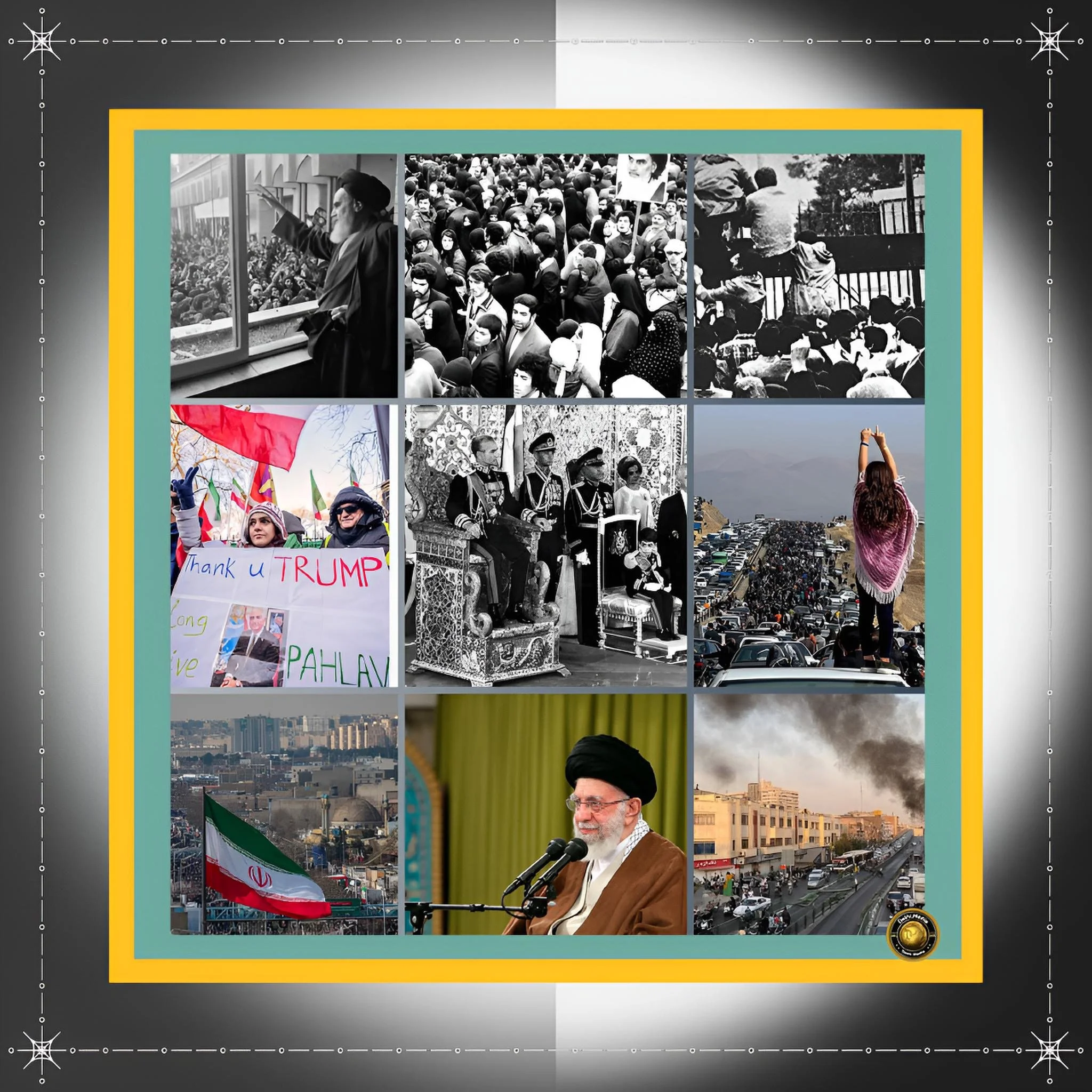
On the third variable, opposition leadership remains fractured. The exiled crown prince, Reza Pahlavi, has positioned himself as the figurehead of post-regime transition and has articulated plans for a referendum on the future constitutional order of Iran. However, Pahlavi faces significant limitations: he has been in exile for nearly 47 years; he lacks genuine domestic support networks; his association with the monarchy is controversial among significant constituencies; and substantial segments of the Iranian population harbor concerns about repeating the conditions that led to the 1979 revolution.
Within Iran, reform-minded figures such as Nobel laureate Narges Mohammadi remain imprisoned and are therefore unable to consolidate constituencies. The Mujahedin-e Khalq organization, while claiming significant membership, has no visible domestic presence and is widely mistrusted due to its historical associations. Thus far, no opposition figure or organization has emerged with the legitimacy, access to resources, and domestic credibility to present themselves credibly as an alternative to the regime.
On the fourth variable, the IRGC and security apparatus exhibit no visible signs of fragmentation. The organization that carried out the January massacres appears to have done so with institutional coherence and clear chain-of-command discipline. No senior commanders have defected; no public dissent has emerged within the organization; the IRGC remains, from available evidence, a cohesive institution committed to regime preservation.
This is the most critical factor constraining the probability of regime collapse in the foreseeable future. Regimes do not collapse while their coercive institutions remain intact and willing to kill. The Islamic Republic's coercive apparatus remains intact.
The most probable scenario for the coming six months involves a regime that has survived an acute crisis through repression, maintains significant coercive capacity, but continues to operate without resolution of the underlying economic and geopolitical drivers of dissent.
This posture is not indefinitely sustainable. The regime cannot maintain internet blackouts, curfews, mass detention, and visible security forces at maximum capacity for years without incurring costs to governance, to economic function, and to institutional morale. Over a longer time horizon—eighteen months to three years—the probability of renewed crisis increases substantially.
However, over the immediate three to six-month period, the probability of regime collapse or a transition from power appears low, perhaps in the single-digit percentage range, notwithstanding the dramatic severity of the current crisis.
The regime's future steps will likely involve attempts to manage the economic situation through a combination of subsidy increases, selective policy reforms (particularly addressing currency regulations and the terms of trade for essential imports), and continued security repression at levels somewhat below the January peak but substantially above pre-protest norms.
The regime will attempt to exploit Trump's apparent caution regarding military intervention to argue to its own population that it has "defeated" the insurrection and secured the nation against external threat. This narrative may partially consolidate support among regime-allied constituencies but is unlikely to persuade the urban, educated cohorts that generated the protests.
The opposition, lacking unified leadership and internal organization, will likely experience a period of demoralization and diffusion. Some activists will attempt to organize underground cells; some will emigrate; some will withdraw from activism entirely.
Renewed mobilization will await either a triggering crisis of sufficient magnitude to overcome the deterrent effect of January's bloodshed or the emergence of a credible opposition figure capable of unifying diverse constituencies around a coherent platform. Neither development is imminent, but neither can be ruled out.
Conclusion
The Price of Survival Through Terror: What the Next Years Hold for a Bleeding Regime
The Islamic Republic's January 2026 massacre of thousands of protesters represents a watershed in the regime's trajectory. It marks the moment at which the state, facing a genuine challenge to its authority rooted in economic deterioration and sustained erosion of legitimacy, chose survival through terror over survival through accommodation. In the immediate aftermath, this choice succeeded: overt dissent was suppressed, and the regime remained in control of territory and institutions.
However, this success came at an extraordinary cost. The massacre has eliminated any remaining possibility that the regime could present itself as the object of consent or even minimal legitimacy.
It has demonstrated to ordinary Iranians that their lives and safety are conditional on their political quiescence. It has unified protest messaging around an explicitly nationalist rather than revolutionary-Islamist framework. And it has created a permanent wound in the regime's relationship with educated, urban, younger populations who possess disproportionate influence over Iran's future development.
The regime has emerged from January 2026 not strengthened but rather as a wounded power that has consumed its remaining sources of soft power and legitimacy in exchange for a reprieve.
It has elected to govern through coercion rather than consent. Whether this model remains viable for months, years, or decades depends on factors partly external to the regime's control—particularly the trajectory of Iran's economic situation and the durability of international constraints on military intervention.
What can be said with confidence is that the Islamic Republic that exists after January 2026 is not the same entity that entered December 2025. The implicit social contract that, despite its severe limitations, had permitted populations to accept restricted political freedoms in exchange for basic material security has been broken.
The regime's claim to revolutionary legitimacy has been undermined by its willingness to slaughter those whom it purports to serve. And the question now confronting Iran's leadership is not whether it can maintain power indefinitely through repression, but instead at what cost and for how long such a model remains tenable.
The massacres of January 2026 may ultimately represent not the regime's strength but rather its terminal decline masquerading as ruthless authority.
The history of similar moments—in the Philippines in the 1980s, in Eastern Europe in 1989, in the Arab world in 2011—suggests that regimes which cross the threshold into state terror often do so at moments of impending weakness rather than confirmed strength.
Whether the Islamic Republic proves an exception to this pattern will depend on developments yet to unfold. For now, what is clear is that Tehran has chosen the path of blood, and that choice will have consequences that will reverberate for years.