Germany's Energy Crisis: Why Closing Nuclear Plants Made Electricity Unaffordable
Summary
Why Germany's Nuclear Mistake Made Electricity Unaffordable for Millions
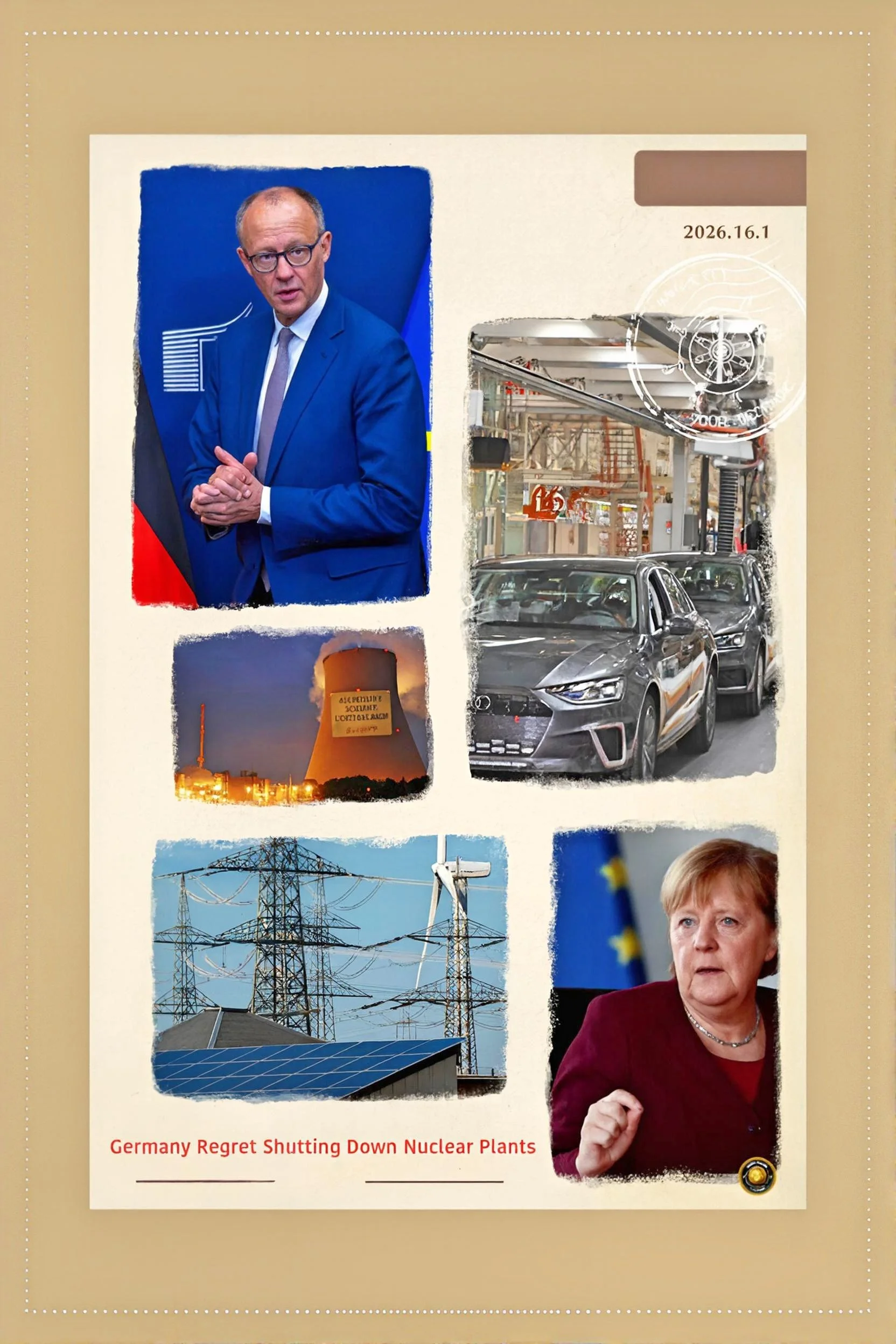
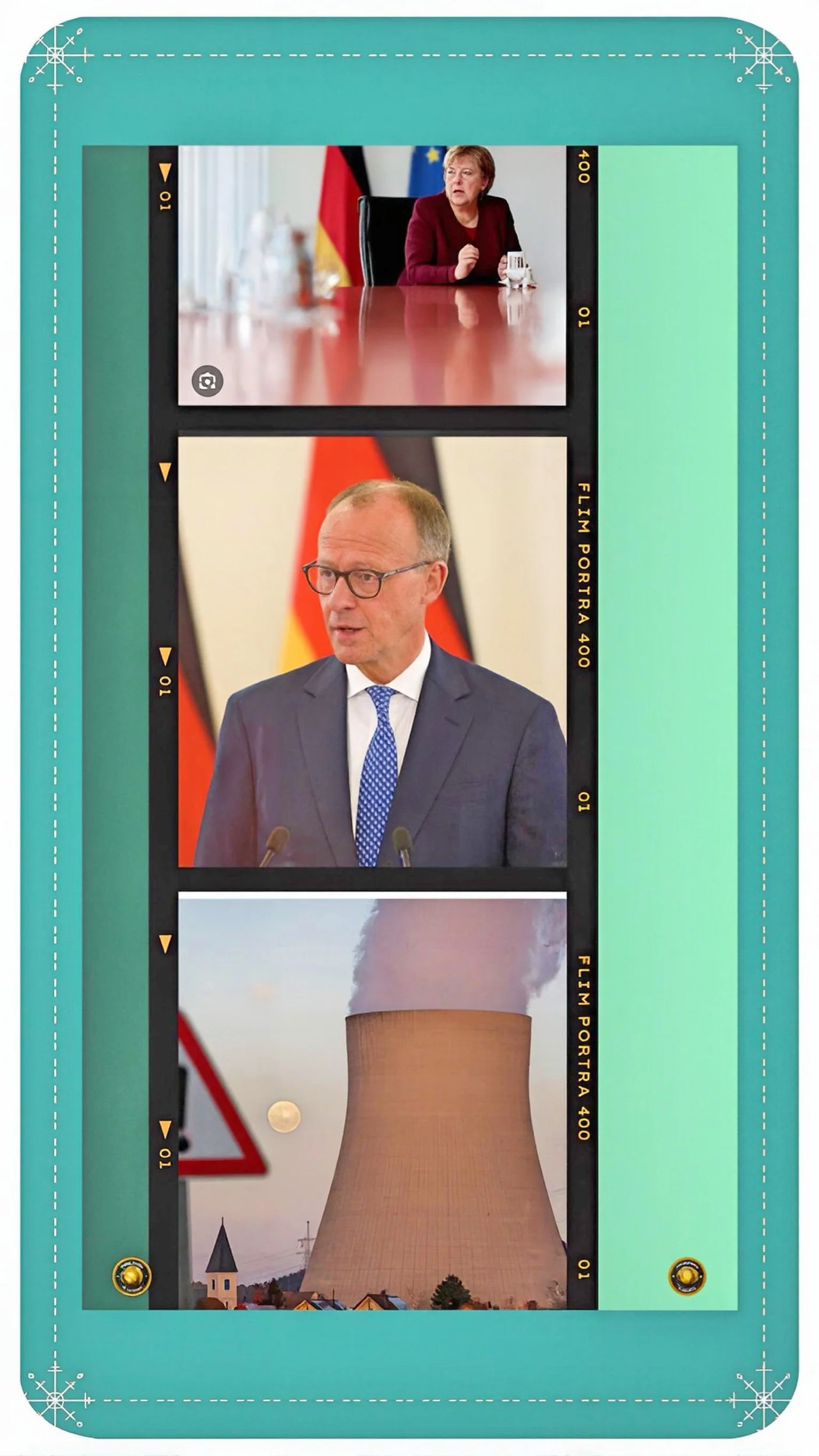
The admission from Germany's Chancellor on January 14, 2026, that closing the country's nuclear plants was a "serious strategic mistake" shocked many people.
Germany's Leader Admits a Costly Mistake
This statement is important because it shows that sometimes big decisions made with good intentions can create serious problems.
Germany wanted to use clean energy from wind and solar power, but closing nuclear plants too quickly has made electricity very expensive and hurt both families and businesses. Let's understand what happened and why it matters.
Germany's Nuclear Power History
How a Country Changed Its Mind Three Times About Nuclear Power
Germany has a complicated relationship with nuclear energy that goes back to the 1970s and 1980s. At that time, people worried about the safety of nuclear power plants and started a movement to move away from them.
In 2002, Germany passed a law saying that all nuclear plants would close by 2022. But in 2009, when a new government led by Chancellor Angela Merkel took power, they changed their mind. They extended nuclear plant licenses for about twelve more years so the country could gradually transition to renewable energy.
However, in 2011, Japan suffered a devastating earthquake and tsunami that damaged a nuclear plant at Fukushima. The accident scared people everywhere, including in Germany.
Within days, Chancellor Merkel's government decided to reverse course again. They announced that Germany would close all nuclear plants much faster than planned.
The last three nuclear plants shut down on April 15, 2023.
Why Closing Nuclear Plants Caused Problems
What Nobody Expected: The Problem With Only Using Wind and Solar
When the last nuclear plants closed in 2023, the government believed that wind turbines and solar panels would produce all the electricity Germany needed. However, this didn't work well because the sun doesn't always shine, and the wind doesn't always blow.
On cloudy winter days with little wind, Germany doesn't produce enough electricity from renewables. The closed nuclear plants had provided steady electricity during these times.
Without nuclear plants and with not enough renewable power, Germany had to buy electricity from other countries.
This created two major problems.
First, electricity prices shot up to the highest levels in all of Europe.
Second, Germany became dependent on other countries for electricity, which damaged the country's energy independence goal.
The High Electricity Cost Problem
Your Electricity Bill Just Tripled: Germany's Shock
In the first half of 2025, German families paid 38.35 euros per 100 kilowatt-hours for electricity—more than any other European country. For an average family using about 3,500 kilowatt-hours per year, this means paying around 115 euros per month. Before nuclear plants closed, families paid about 35 euros per month.
Elderly people on fixed pensions have struggled with heating their homes in winter because heating and electricity costs are so high.
The high prices happened because Germany must pay for expensive electricity from other countries, maintain new renewable energy systems, and pay taxes to support the transition.
Germany also lost cheap natural gas from Russia after Russia invaded Ukraine in 2022, which made everything more expensive.
Families had to make hard choices, like using less heat in winter or less air conditioning in summer, just to afford their electricity bills.
Factories and Jobs Leaving Germany
German Factories Move Away: When Energy Costs Kill Jobs
The high electricity costs create an even more serious problem: factories are closing and moving to other countries. Factories that make steel, chemicals, or other products need lots of electricity.
When electricity costs three times more in Germany than in Poland or other neighboring countries, factory owners move their businesses. When factories close, workers lose their jobs.
In 2024, researchers asked German companies if they were thinking about moving. About one out of every three companies said yes. For factories that use the most electricity, almost half said they were considering leaving. This is a major threat to Germany's economy and the jobs available for German workers.
The Government's Response and Its Limitations
Too Late? Germany's 12 Billion Euro Plan to Fix Electricity Prices
To try to stop this economic damage, Chancellor Merz's government announced a plan in January 2026.
The government approved spending 12 billion euros (about 14 billion American dollars) to help companies and to build new natural gas power plants.
Starting January 1, 2026, large factories can buy part of their electricity at a special cheap price of about 0.05 euros per kilowatt-hour, compared to the normal price of much more.
The government pays the difference to help keep factories in Germany.
The government also approved building eight gigawatts of new gas-fired power plants by 2031. These plants will produce electricity when the sun isn't shining and the wind isn't blowing. Eventually, these plants are supposed to switch to using hydrogen instead of natural gas, which would be cleaner.
The Strange Contradiction
The Big Irony: Germany Depends on Nuclear Power from Other Countries
Perhaps the strangest part of Germany's situation is what happened to its electricity imports.
For many decades, Germany exported electricity to other countries and earned money from it. This proved Germany had reliable power. However, after closing nuclear plants, Germany started importing more electricity than it exports. About half of this imported electricity comes from France, Belgium, and Switzerland—countries that use nuclear power plants to make much of their electricity!
This creates a weird contradiction. Germany closed its nuclear plants because people worried about nuclear safety, but now Germany depends on electricity made by nuclear plants in other countries.
This shows that Germany didn't reduce its use of nuclear power—it just moved that nuclear power to other countries.
What Germany Learned: Lessons About Energy Decisions
What This Teaches Us About Making Big Energy Decisions
Germany's experience teaches an important lesson: energy decisions affect real people and their lives. When electricity costs too much, families suffer. When factories can't afford electricity, workers lose jobs. These consequences are just as important as environmental goals.
The experience also shows that different types of energy work best together. Wind and solar are excellent sources of clean energy, but they work best when combined with power sources that work all the time, like nuclear plants, hydroelectric dams, or gas plants (until better batteries are invented). Trying to switch to only renewable energy very quickly can cause serious economic problems.
Finally, Germany's situation shows that people can admit mistakes and try new solutions. A few years ago, most Germans supported closing nuclear plants. Now, many believe it was wrong. Democratic countries have the chance to learn from mistakes and change course, even when that change is difficult and complicated. However, these changes often come too late and are expensive to fix.