Why Apple Picked Google but Doctors Chose Claude: The AI Story That Shows One Size Does Not Fit All
Summary
Imagine you are choosing between two restaurants for dinner tonight. One restaurant is famous for being incredibly fast—they serve your meal in fifteen minutes, and their burgers taste fantastic. The other restaurant is known for being careful and safe—they check every ingredient, follow strict food safety rules, and take extra time to ensure everything is perfect. Which one should you choose?
The answer depends on what you need. If you are in a rush and want delicious food quickly, the fast restaurant makes sense. But if you have severe food allergies and need to trust that your meal is entirely safe, you would probably choose the careful restaurant.
This simple example explains why Apple chose Google's Gemini artificial intelligence while hospitals and banks chose Claude from Anthropic.
These two companies chose different AI systems because they have different needs and priorities, just as you might select different restaurants for various occasions.
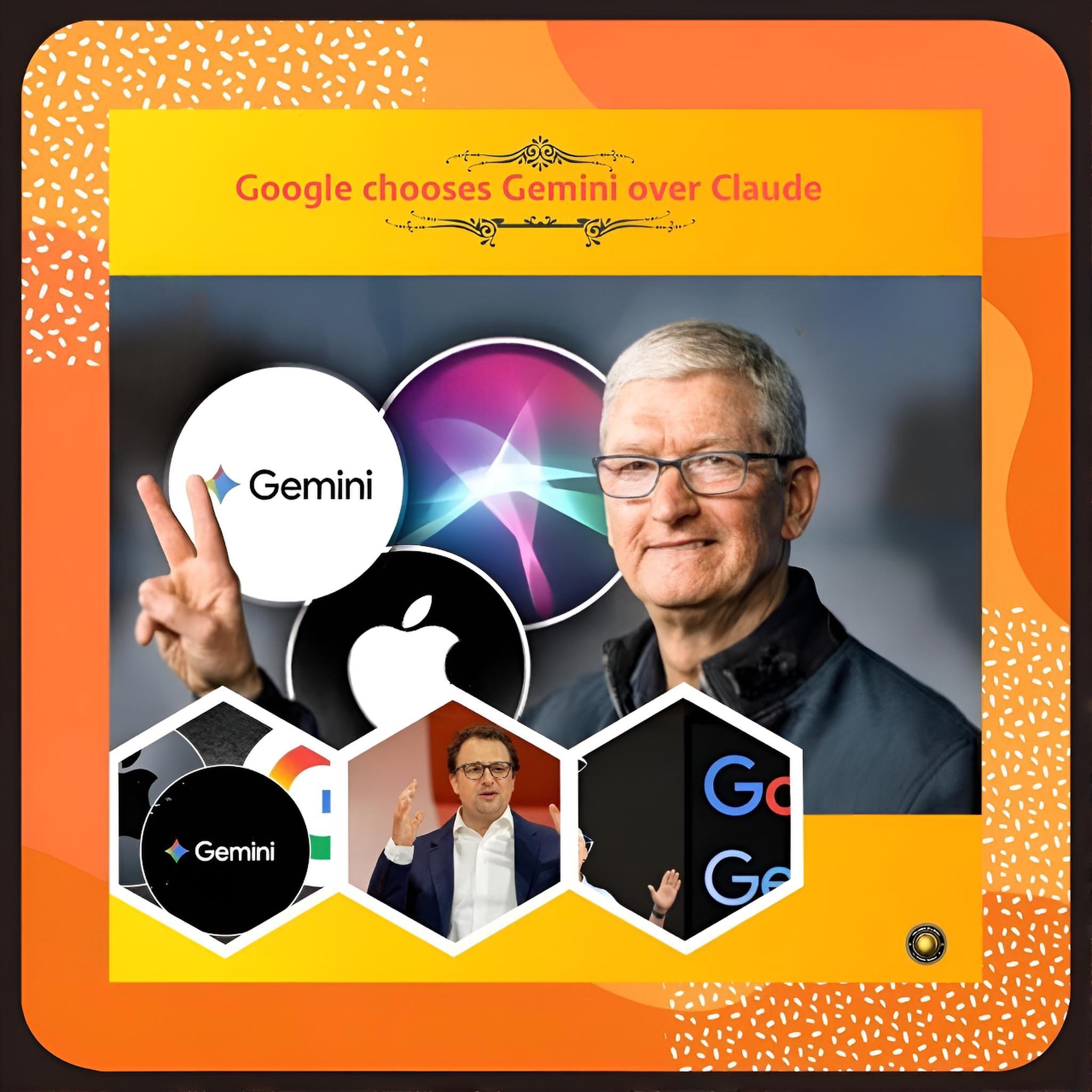
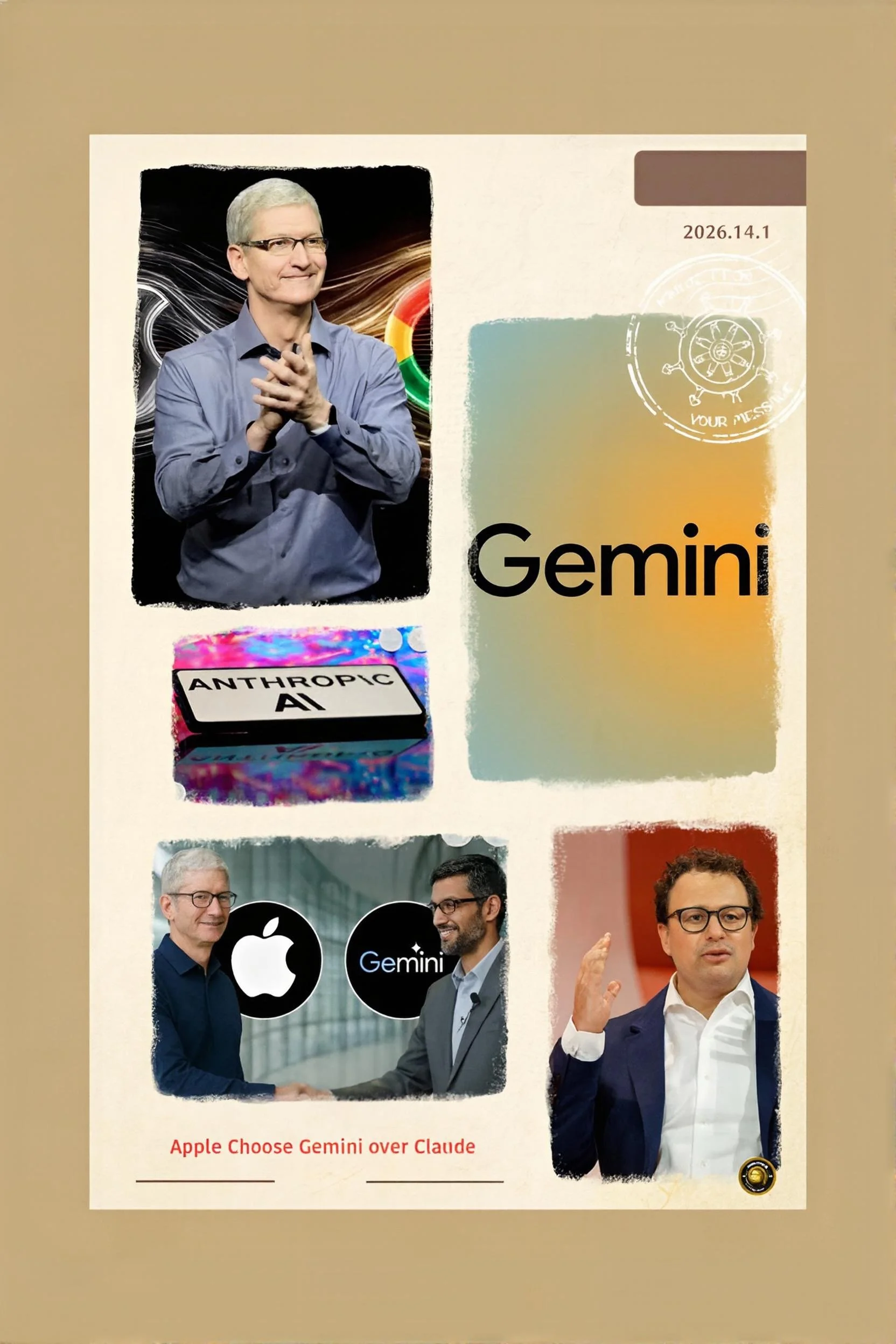
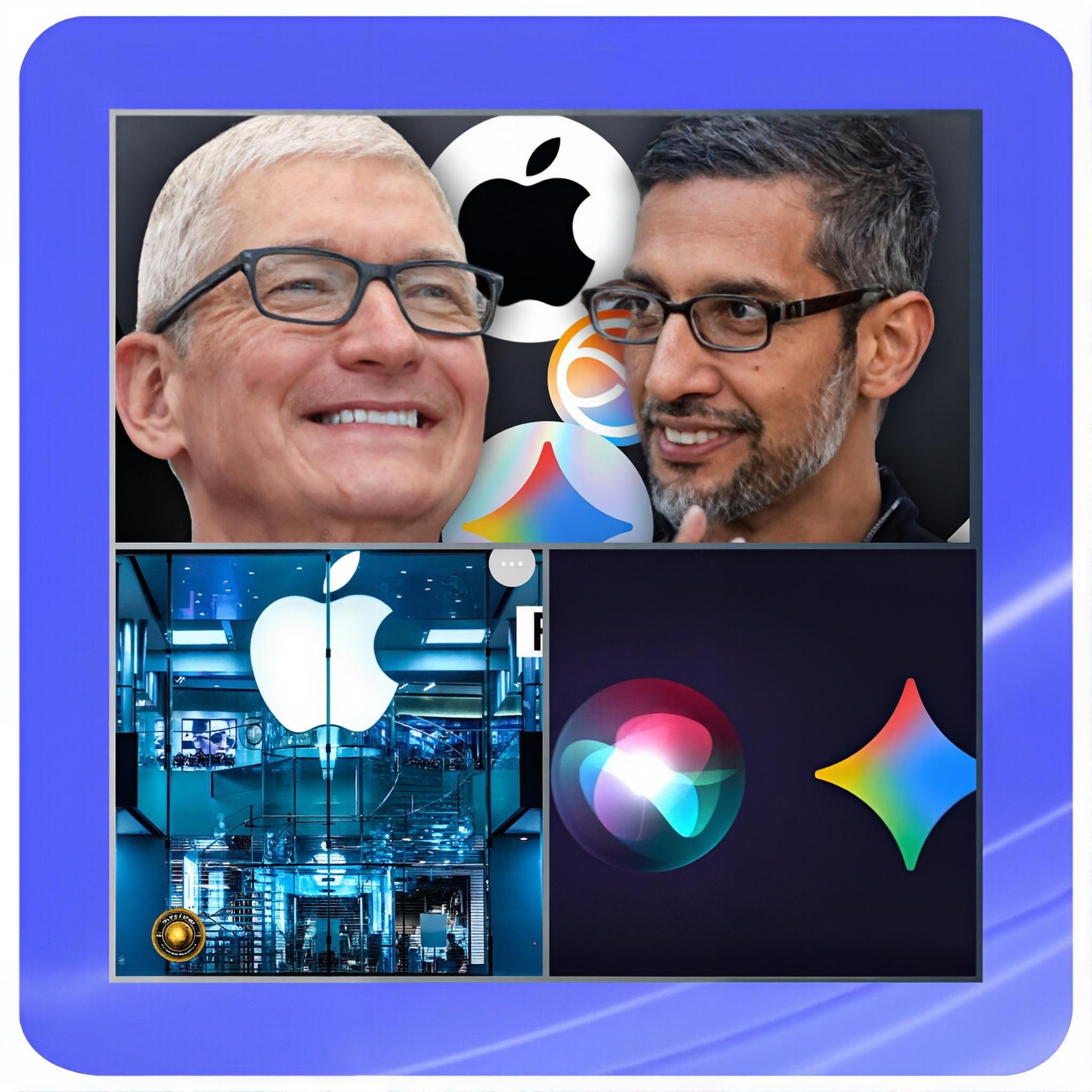
In January 2026, Apple announced it was partnering with Google to power Siri using Google's Gemini artificial intelligence system. Many tech experts were surprised because Apple is famous for developing its own technology rather than relying on others.
Apple said that after careful testing, Google's Gemini offered "the most capable foundation" for what Apple wanted to accomplish. But at the same time, something interesting was happening in hospitals, banks, and government offices: they were choosing Claude, an AI system developed by Anthropic, far more than they were choosing Gemini.
Why did Apple choose Gemini? Let's look at what Gemini is good at.
Gemini can understand pictures, words, sounds, and videos simultaneously. Imagine you show your phone a picture of your broken refrigerator and ask Siri, "Why is this making that sound?" Gemini's ability to look at the picture, listen to your question, and understand both together makes it the right choice.
Gemini is also very fast—it responds quickly, which is essential when you are talking to your phone. You do not want to ask Siri a question and wait ten seconds for an answer.
Additionally, Gemini works smoothly with Gmail, Google Docs, Google Photos, and other Google services, so it fits naturally into Google's ecosystem.
Apple tested both Claude and Gemini, but Claude is different. Claude is slower because it spends more time checking its own answers to make sure they are correct. Claude focuses on safety and accuracy more than speed.
While Gemini might give you an answer in two seconds, Claude might take four seconds but be more careful about whether that answer is actually correct.
Claude Strength and limitations?
Claude was not designed to understand pictures and videos in the way Gemini can.
For a consumer product like Siri, which people want quick answers from, Gemini made more sense.
But now let's talk about hospitals and banks. In hospitals, if a doctor uses an AI system to help with medical decisions and the AI provides incorrect information, people could get hurt.
A hospital might be evaluating an AI system to help nurses organize patient information or to help doctors understand medical research papers. In this situation, being fast is not the most important thing. Being accurate, being honest about what you are unsure of, and following strict safety rules become much more critical.
Claude was designed with these healthcare and finance concerns in mind. Anthropic, the company that created Claude, built the system using something called Constitutional AI. Think of this like giving the AI a constitution—a set of rules and principles that guide its behavior. These rules are built right into how Claude thinks, not just added afterward as a check.
Additionally, Claude promises that it will not keep your information or use it to train future versions of itself. This is crucial for hospitals that handle patient information—they need to know that sensitive health data will not be stored or reused.
Real-life examples?
Here are some real examples. Imagine a hospital uses AI to help process insurance claims. An insurance company denies payment for a treatment, and a hospital must appeal the decision. The hospital must prove that the treatment was medically necessary and justified by the patient's condition.
Claude is good at this kind of work because it can carefully read through long medical documents, understand the rules for what insurance will pay for, and explain its reasoning clearly. The hospital can show the insurance company exactly why Claude recommended appealing by pointing to specific paragraphs in the medical record that support the appeal.
Similarly, imagine a bank is using AI to evaluate the riskiness of different investments. The bank must explain its decisions to regulators who enforce financial rules. If the bank used an AI system that sometimes gave completely wrong answers while failing to be honest about its limitations, regulators would shut down the operation.
Banks prefer Claude because it is honest when it is uncertain. If Claude is asked to evaluate the risk of an investment but lacks sufficient information, he says so instead of making something up.
The same principle applies to government agencies. When government organizations use AI to help detect fraud or analyze policy, those systems must be explainable.
A judge might need to understand why an AI system recommended investigating a particular case. With Claude, the reasoning is more transparent because the system is designed to explain itself carefully.
During the same period that Apple announced Gemini, Anthropic announced that hospitals could now use a specialized healthcare version of Claude. This version comes ready to work with hospital systems. It knows about medical codes, understands health insurance rules, and can read medical research papers to find relevant information. This shows that Anthropic understands its customers' needs and is building specifically for them.
The data support this story. In surveys of enterprise companies, 32 percent said they use Claude while only 20 percent said they use Gemini.
This gap is even bigger in healthcare, finance, and government—the industries where safety and accuracy matter most.
Meanwhile, in consumer products and among companies already using Google services, Gemini is becoming the preferred choice.
This reveals something important about technology: no single AI system is perfect for everything. Gemini is excellent if you want speed, the ability to view pictures and videos, and an easy connection to Google services.
But Gemini is not ideal if you need safety guarantees, explicit ethics rules, and the ability to explain why the AI made a particular decision. Claude is excellent if accuracy and safety matter most, but it might not be fast enough for some consumer applications.
Apple made the right choice for its situation. Consumers do not want to think about safety and ethics—they want Siri to work quickly and understand what they mean.
Hospitals made the right choice for their situation. Patients care more about safety and accuracy than about whether their system responds in 1 second versus 2 seconds.
In the future, we will probably see many AI systems specializing in different tasks. Some will be built for speed, others for safety. Some will focus on understanding images, others on understanding long documents.
The most innovative organizations will use multiple AI systems for different purposes, just like you might use different restaurants for various occasions.
Apple uses both Gemini from Google and ChatGPT from OpenAI for other functions. Hospitals might eventually use Claude for patient data analysis, another system for medical imaging, and a third for billing questions.
The lesson is that asking "Which AI is best?" is like asking "What is the best restaurant?" The answer depends on what you need. For a phone assistant, Gemini's speed and visual understanding make sense.
For healthcare decisions where lives are at stake, Claude's safety and accuracy make sense. As AI becomes more important in our lives, we should expect that different AI systems will win in other situations, because each situation has its own requirements.
That is not a weakness of the AI industry—it is actually a sign that the industry is maturing and learning what matters in different contexts.