When Adversaries Seek Silence: The Covert Diplomacy That Averts Catastrophe in the Middle East
Executive Summary
The Narrow Lane Between War and Disaster
In the waning weeks of 2025 and the opening days of 2026, Israel and Iran undertook an extraordinary diplomatic maneuver that has mainly remained concealed from public view.
Through Russian intermediaries, the two nations exchanged conditional assurances that they would refrain from launching unprovoked military strikes against one another.
This arrangement emerged amid heightened regional tensions, resurgent American military activism under the Trump administration, and the eruption of unprecedented domestic turmoil within Iran itself.
The exchange represents neither a peace agreement nor a formal ceasefire, but rather a sophisticated exercise in crisis management designed to prevent miscalculation from triggering a broader conflagration across the Middle East.
The arrangement reveals the paradoxical nature of contemporary Middle Eastern diplomacy, in which states that are ostensibly enemies can, under certain conditions, find common cause in preserving strategic ambiguity and preventing total war.
Introduction
When Enemies Must Communicate in the Dark
The Middle East has long served as a stage for the intersection of state power, ideological competition, and the perpetual tension between deterrence and diplomacy. The relationship between Israel and Iran epitomizes this dynamic with particular acuity.
For decades, these two regional powers have engaged in competition that has ranged from direct military confrontation to proxy warfare conducted through militias, terrorist organizations, and regional proxies spanning Lebanon, Syria, Yemen, and the Palestinian territories.
The nature of this adversarial relationship fundamentally changed in the summer of 2025, when Israeli forces launched direct attacks against Iranian territory on a scale previously thought unthinkable. The resulting twelve-day conflict subjected both nations to unprecedented military exposure, with the United States entering the conflict by bombing Iranian nuclear facilities.
The ceasefire that concluded this acute phase of hostilities in June 2025 proved fragile, characterized more by exhaustion than reconciliation. As 2025 drew to a close, new pressures mounted. The Donald Trump administration adopted an increasingly aggressive posture toward Iran, threatening military intervention in response to the regime's violent suppression of widespread domestic protests.
Simultaneously, speculation within Israeli political and security circles intensified regarding the possibility of renewed Israeli strikes, particularly targeting Iran's ballistic missile production capabilities. It was within this cauldron of escalating tensions and mutual suspicion that an unexpected diplomatic initiative emerged.
The intermediary was Russia, a nation that had carefully cultivated relationships with both parties despite their mutual enmity, and the mechanism was a series of carefully calibrated messages conveyed through back-channel communications at the highest levels of government.
This article examines the nature of this covert diplomatic exchange, its historical antecedents, its implications for regional stability, and the profound limitations that constrain its effectiveness.
FAF analysis proceeds from the recognition that the absence of warfare, even when maintained through mechanisms of ambiguity and strategic restraint, represents an achievement of considerable significance in a region where the alternatives to managed tension often involve bloodshed and broader regional destabilization.
History and current status
From June's Ashes: Fragile Peace in an Era of Escalating Threats
The foundations of Israeli-Iranian hostility extend back to the Iranian Revolution of 1979, which brought to power a theocratic regime deeply opposed to the existence of the Zionist state. For four and a half decades, this antagonism has persisted despite the absence of direct diplomatic relations, sustained trade, or the standard mechanisms of interstate communication.
The rivalry has taken multiple forms: Iranian support for Palestinian resistance movements, Hezbollah in Lebanon, and Houthi militants in Yemen; Israeli strikes against Iranian military personnel and facilities across Syria, Iraq, and the Persian Gulf; and an escalating competition over nuclear technology and weapons development.
The immediate precedent for the recent covert exchange lies in the June 2025 war. On June 13, 2025, Israeli forces launched what their government termed "Operation Rising Lion," a comprehensive military campaign targeting Iranian military installations, nuclear research facilities, and high-value leadership targets.
The operation proved effective in its kinetic dimensions but resulted in the deaths of over one thousand Iranian civilians and military personnel. Iranian Supreme Leader Ayatollah Ali Khamenei and other senior commanders came under direct threat, though they survived the campaign.
The Iranian response was swift and overwhelming in its symbolic dimensions, though ultimately limited in its military impact. Iran dispatched approximately 550 ballistic missiles and over 1,000 suicide drones toward Israeli territory. Most were intercepted through a combination of Israeli air defenses and American military support, yet some penetrated Israeli airspace, causing casualties and psychological impact.
The United States entered this conflict on June 22, 2025, when American B-2 stealth bombers equipped with "bunker-buster" ordnance struck three major Iranian nuclear facilities—Fordow, Natanz, and Isfahan—while cruise missiles targeted additional atomic sites. This American intervention proved decisive in accelerating negotiations toward a ceasefire.
The Trump administration, seeking to avoid a prolonged regional conflict despite its previous bellicose rhetoric toward Iran, brokered a ceasefire agreement that took effect on June 24, 2025. The agreement, mediated by the United States and Qatar, halted active military operations, though it did not resolve the underlying tensions or establish frameworks for long-term political resolution.
The ceasefire held throughout the subsequent six months, but tensions remained elevated. The Iranian regime, humbled by the military losses it sustained and alarmed by the vulnerability demonstrated in its nuclear facilities and leadership bunkers, undertook an ambitious program of reconstruction and rearmament. Iranian officials publicly declared that their ballistic missile production had exceeded prewar levels and that all damage had been repaired.
The regime sought to project an image of undeterred resolve despite the military setback. Meanwhile, Israeli political and security establishments engaged in extensive debate regarding whether the June campaign had sufficiently degraded Iranian military capabilities or whether additional strikes would become necessary.
By late 2025, as Iran descended into unprecedented internal turmoil triggered by economic collapse and governmental mismanagement, the question of renewed conflict took on new urgency.
The Trump administration, viewing the Iranian government's violent response to domestic protests as an opportunity to exert pressure on Tehran, began threatening military intervention. This created a paradoxical situation: Iran was simultaneously weakened by internal unrest and strengthened by a rallying-around-the-flag effect that such external threats typically produce.
The uncertainty regarding American intentions, combined with speculative reporting in Israeli media about potential renewed strikes, created conditions in which miscalculation could easily produce the very conflagration that neither side desired.
Key Developments and Latest Facts
The Back-Channel Signals That Almost Prevented Catastrophe
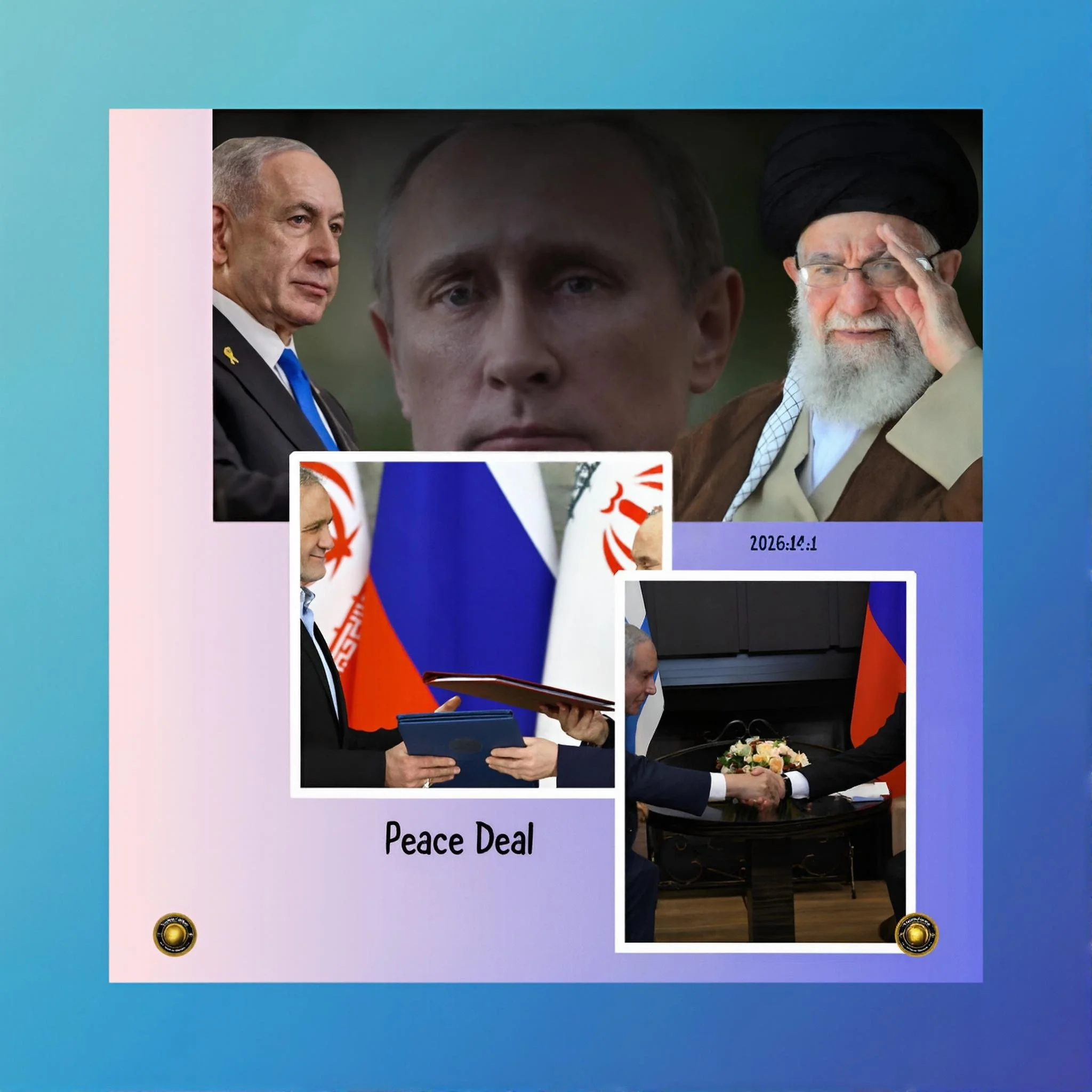
The catalyst for the covert diplomatic initiative appears to have been Israeli concerns regarding the possibility of Iranian miscalculation. Beginning in early January 2026, Israeli Prime Minister Benjamin Netanyahu initiated direct communications with Russian President Vladimir Putin.
During these conversations, Netanyahu requested that Putin relay messages to the Iranian leadership emphasizing that Israel did not intend to launch unprovoked military attacks against Iran. The rationale for this initiative reflected a sophisticated reading of Iranian decision-making: Israeli assessments suggested that Tehran might launch a preemptive strike not because it desired war, but because it feared an impending Israeli attack and sought to strike first before Israel could act.
Borrowed Time: Can Covert Diplomacy Contain Middle Eastern Nuclear Rivalry?
This represents the classic security dilemma, in which defensive measures undertaken by one side are perceived as offensive preparations by the other, triggering a spiral of escalation.
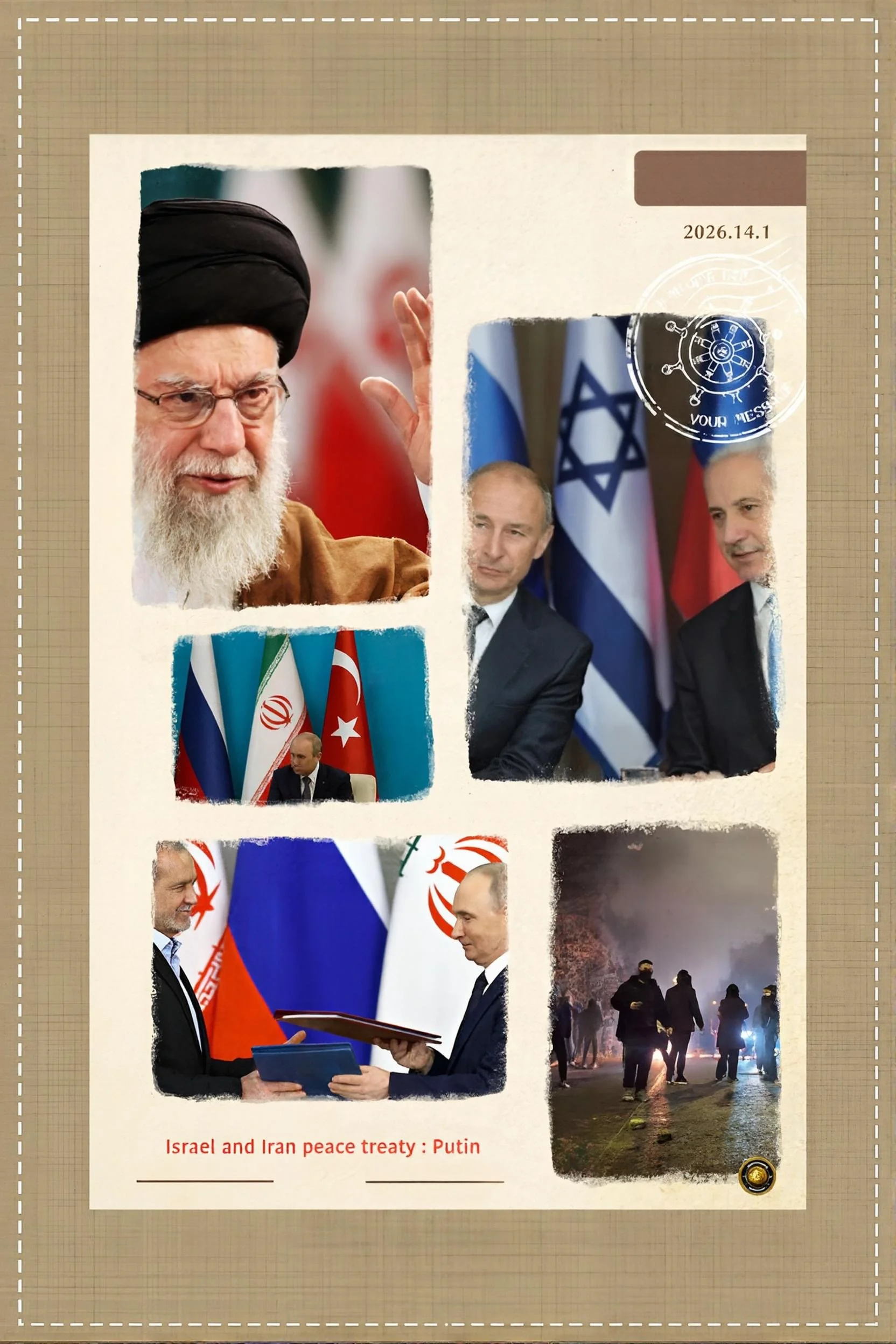
Putin, positioning himself as a statesman concerned with regional stability and seeking to expand Russia's role as a mediator in Middle Eastern affairs, agreed to serve as intermediary. The Russian president conveyed Israeli assurances to the Iranian leadership that the Jewish state would refrain from military action absent Iranian provocation.
Simultaneously, Iran responded through the same channel that it would likewise forgo unprovoked attacks. This exchange constituted a limited but significant confidence-building measure.
It represented an implicit acknowledgment by both parties that continued warfare served neither side's fundamental interests and that deterrence and strategic ambiguity might prove more useful than preemptive war.
The messages conveyed through this Russian back-channel contained a carefully calibrated dual message. To Iran, Israel communicated that it was not preparing imminent military strikes and sought to prevent escalation.
To Israel, Iran communicated that it was not preparing preemptive strikes despite the inflammatory rhetoric emerging from Washington and from Israeli political circles regarding potential renewed attacks.
The arrangement was explicitly non-binding and did not constitute a ceasefire or peace agreement. No verification mechanisms were established, no deadlines were specified, and no frameworks for resolving the underlying disputes were proposed. Instead, the exchange represented a mutual recognition that continued confrontation risked outcomes neither side desired.
The timing of these communications proved particularly significant. Reports indicate that the reassurances were conveyed in the days leading up to the eruption of large-scale anti-government protests in Iran in late December 2025.
These protests, initially triggered by economic grievances related to the currency collapse and soaring inflation, rapidly evolved into broader political demonstrations challenging the regime's legitimacy and its policies on domestic governance and foreign policy.
As the Iranian government unleashed security forces against the protesters, resulting in deaths estimated between 1,000 and 2,000 individuals, the environment for diplomatic communication was fundamentally altered.
The regime, focused on containing domestic unrest and fearing foreign intervention designed to exploit this weakness, had limited capacity to engage in broader strategic planning or to maintain confidence-building measures with external adversaries.
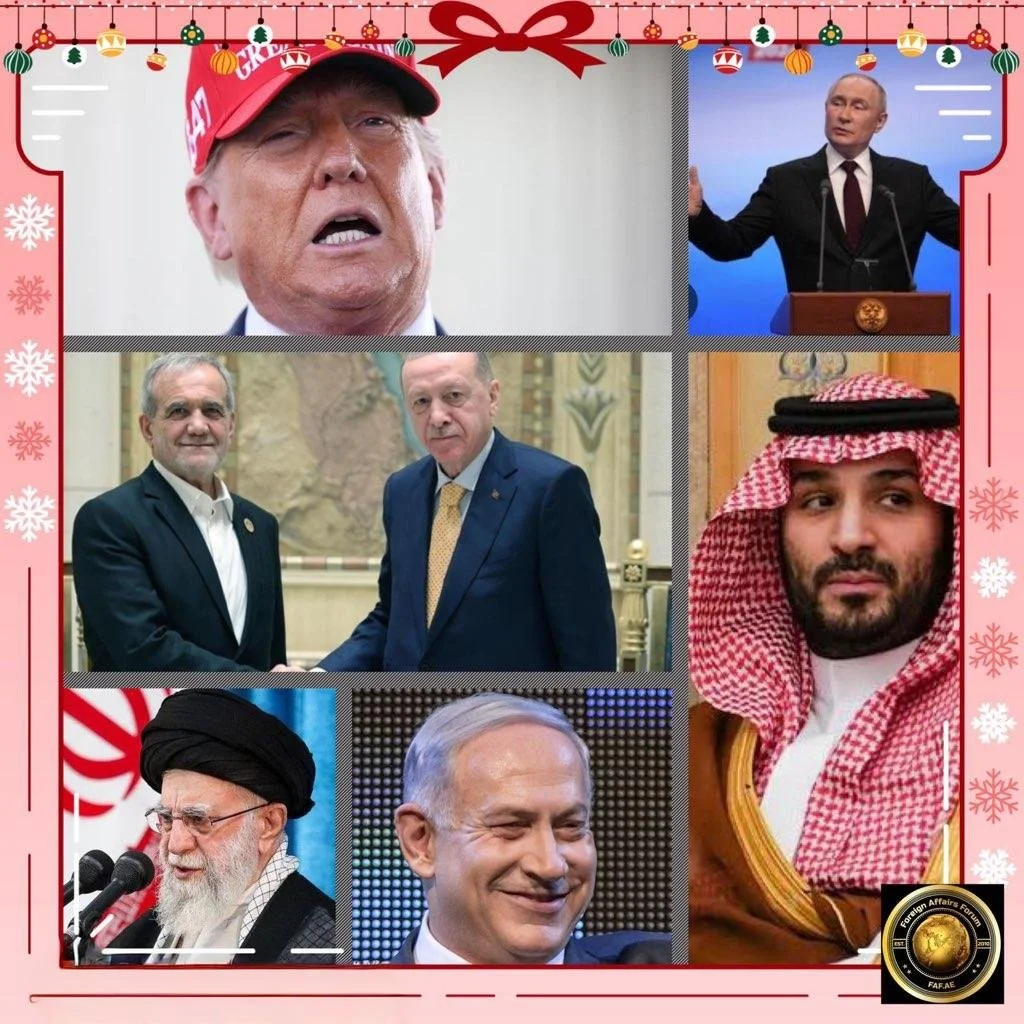
Simultaneously, the Trump administration's rhetoric escalated dramatically. Trump himself declared on his Truth Social platform that he had "put Iran on notice" and threatened military intervention if the regime continued killing protesters. He called for Iranian opposition figures to "seize government offices" and promised American assistance for such efforts.
This rhetoric directly contradicted the reassurance messages that Netanyahu had asked Putin to convey, creating a profound contradiction in American policy. While the Israeli government sought to prevent miscalculation through confidential diplomatic channels, the American government was publicly threatening Iran and seemingly seeking to exploit Iranian weakness for regime change purposes.
By mid-January 2026, the geopolitical picture had grown considerably more complex. Diplomatic contacts between the United States and Iran were reported to have been severed.
The Iranian Revolutionary Guard Corps declared itself at maximum alert. Trump continued threatening military action, suggesting that the United States might support Israeli strikes on Iranian ballistic missile production facilities or might itself launch strikes if Iran attempted to reconstitute its nuclear program.
The carefully calibrated reassurance that had been conveyed through Russian channels appeared increasingly fragile in the face of Trump's more aggressive stance and the internal turmoil consuming Iranian politics.
Cause and Effect Analysis
Why Both Sides Blinked, and Why the Ceasefire May Not Last
The causal chain underlying this diplomatic initiative requires careful unpacking. The fundamental cause lay in the structural vulnerabilities revealed by the June 2025 war.
Both Israel and Iran discovered through direct military engagement that their adversary possessed greater destructive capacity than had been previously estimated, that civilian populations were vulnerable to direct attack, and that the costs of prolonged conflict would be catastrophic.
The Israeli discovery that Iranian air defenses, while imperfect, could still inflict casualties on the Israeli civilian population; the Iranian discovery that the entire edifice of its nuclear program and military infrastructure was exposed to Israeli and American strike capabilities—these realizations created mutual incentives toward restraint.
Yet the structural incentives toward restraint collided with the political incentives toward confrontation. The Trump administration, freed from the institutional constraints and international pressure that had limited military action in previous eras, adopted an explicitly aggressive posture toward Iran.
Netanyahu, facing domestic political pressures and seeking to consolidate his position as a strong leader capable of managing Iran, publicly suggested that future military operations remained possible.
This created a paradoxical situation in which both leaders simultaneously communicated that they were willing to use military force while seeking to avoid it. The resolution to this paradox lay in deploying Russia as an intermediary through which moderate messages could be conveyed while public rhetoric remained confrontational.
The effect of the Russian-mediated exchange was to reduce, but not eliminate, the probability of miscalculation-driven war. By creating a confidential channel through which both sides could signal their actual intentions, the arrangement reduced the risk that public rhetoric would be misinterpreted as genuine policy.
The awareness that the other side did not intend to attack created a thin but meaningful buffer against the security dilemma. However, the fragility of this arrangement became apparent once American rhetoric escalated and Iranian domestic pressures intensified.
The cause-and-effect relationship demonstrates that diplomatic arrangements absent underlying structural changes in the parties' strategic situations tend toward instability. The reassurance worked only insofar as both parties had incentives to avoid warfare under current conditions.
Once those conditions changed—once the Iranian government came under intense internal pressure and once the Trump administration signaled more aggressive intentions—the reassurance lost much of its restraining force. Diplomacy can manage symptoms but cannot resolve pathologies embedded in the structure of international relations.
Future Steps and Implications
The Sustainability Question: Can Unspoken Agreements Survive Political Chaos?
The future trajectory of Israeli-Iranian relations depends upon variables that remain largely beyond the control of either government. The trajectory of the Iranian domestic protests will prove crucial. If the regime consolidates control and reestablishes internal stability, it will regain the capacity to engage in strategic planning regarding external threats.
If, conversely, the regime's control continues to erode, the possibility emerges that state authority might fragment and military institutions might become less reliable in executing command structures.
The course of American policy presents another critical variable. Should the Trump administration escalate military action against Iran, the covert reassurance will prove to have been merely a brief interlude in an ongoing rivalry.
Should the Trump administration, perhaps sensing the risks of wider conflict, moderate its stance, the reassurance might provide a foundation for longer-term de-escalation.
Russian policy and the depth of Putin's commitment to serving as mediator will influence outcomes.
The Russian-Iranian strategic partnership, formalized in the January 2025 Comprehensive Strategic Partnership Treaty, provides Moscow with incentives to maintain influence in Tehran. However, Russian capacity to influence Iranian decision-making remains limited by the absence of military guarantee provisions in the partnership treaty.
Russia does not commit to defending Iran if attacked. This limitation constrains Moscow's ability to make binding commitments or to persuade Iran to adopt courses of action that run counter to what Iran perceives as its vital interests.
The international nuclear question represents another critical variable. If Iran accelerates uranium enrichment toward weapons-usable levels, both Israel and the United States have indicated that they will respond with military force.
This represents perhaps the most probable trigger for renewed warfare. Conversely, if Iran maintains the pause in enrichment that followed the June 2025 damage, the pressure for military action will diminish over time as international attention shifts elsewhere.
The most likely future steps involve continued reliance on back-channel diplomacy and covert signals, even as public rhetoric remains confrontational. Both Israel and Russia will likely continue using the Putin-Netanyahu back channel to convey messages.
Iran will likely continue participating in such communication as long as it perceives value in understanding Israeli and Russian intentions. However, the sustainability of this arrangement beyond several months appears questionable given the volatile political situation in Iran and the Trump administration's more aggressive approach to Iranian issues.
Conclusion
The Illusion of Stability in a Region Built on Powder Kegs
The exchange of reassurances between Israel and Iran through Russian intermediaries represents a sophisticated, if fragile, response to the perennial challenge of managing rivalry between nuclear-capable and deeply hostile states in the absence of formal diplomatic relations. The arrangement succeeded, at least briefly, in creating a thin barrier against miscalculation-driven escalation. It demonstrated that even states with no formal diplomatic ties, no shared interests, and deep ideological enmity can recognize a mutual interest in avoiding total war when the costs of warfare have become apparent through bitter experience.
Yet the arrangement's limitations are equally evident. Diplomatic initiatives, uncoupled from underlying political changes in the parties' structural incentives, tend toward instability. The reassurance provided by the Russian-mediated message has proven fragile in the face of escalating American pressure on Iran, the eruption of unprecedented domestic turmoil within Iran, and the continuation of Israeli political rhetoric regarding potential future military action. The arrangement represents a holding action, not a resolution.
The broader implications concern the nature of contemporary Middle Eastern politics in an era of American retrenchment and great power competition. Russia has successfully positioned itself as a mediator acceptable to both Israel and Iran, partially because Moscow maintains relationships with both parties and partially because Russia is perceived as a counterweight to American dominance. This positioning provides Russia with enhanced diplomatic influence and enhances its claim to great power status. However, Russia's ability to convert diplomatic position into actual influence over the parties' behavior remains limited, particularly given the constraints of the Russian-Iranian treaty itself.
The covert diplomatic initiative ultimately reinforces a sobering conclusion regarding Middle Eastern statecraft in the contemporary era: the absence of warfare depends increasingly on the ability of regional rivals to communicate confidentially about intentions even while maintaining hostile public postures.
This arrangement proves unstable when external powers escalate pressure on any party to the conflict or when internal political upheaval prevents orderly decision-making.
The Middle East remains a region in which the barriers against catastrophic conflict have become thinner and more dependent on the accidents of diplomatic skill, the forbearance of leaders, and the good fortune that major powers do not simultaneously press for escalation.