The Diplomatic Intermezzo: How Moscow Became the Custodian of Middle Eastern Restraint
Summary
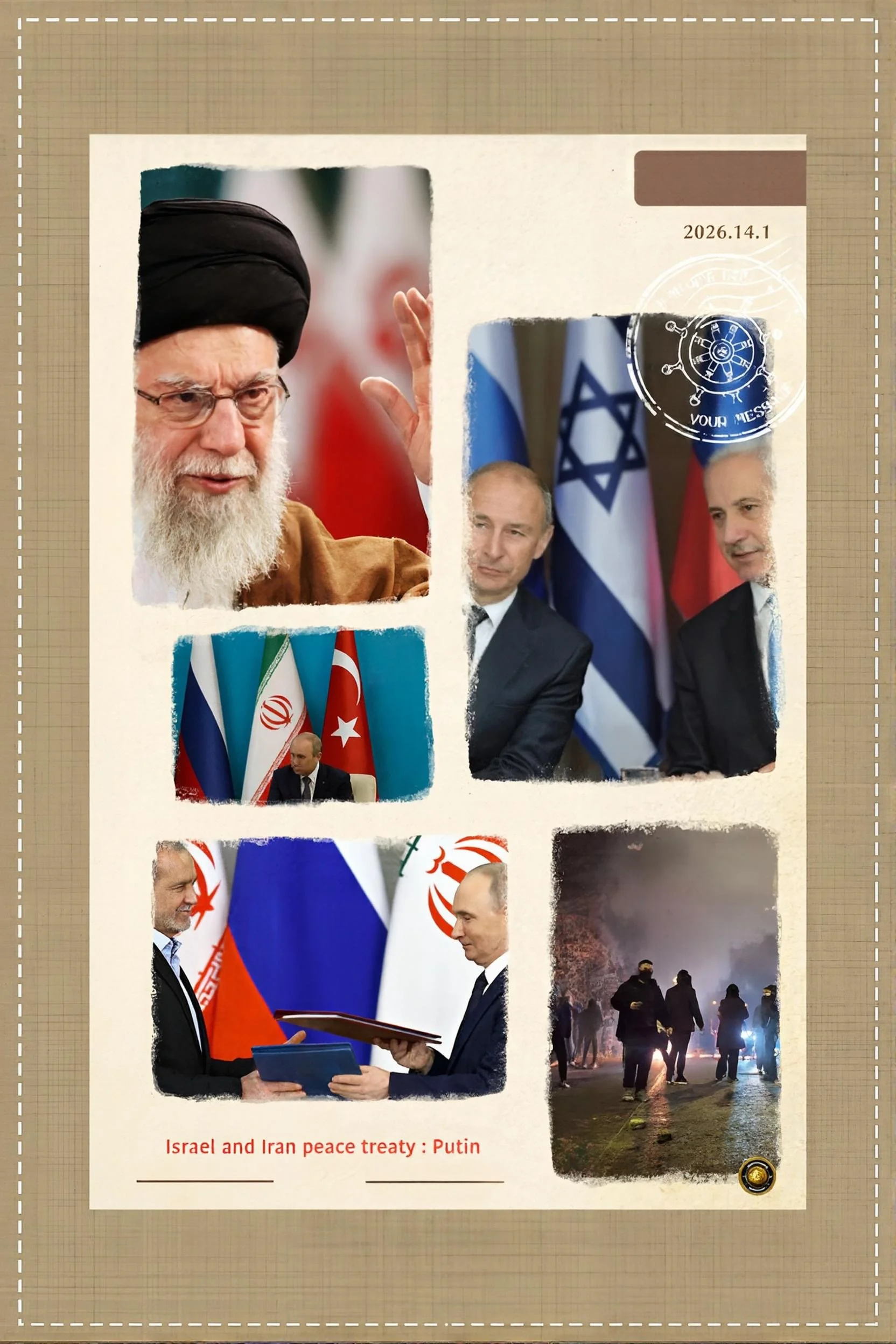
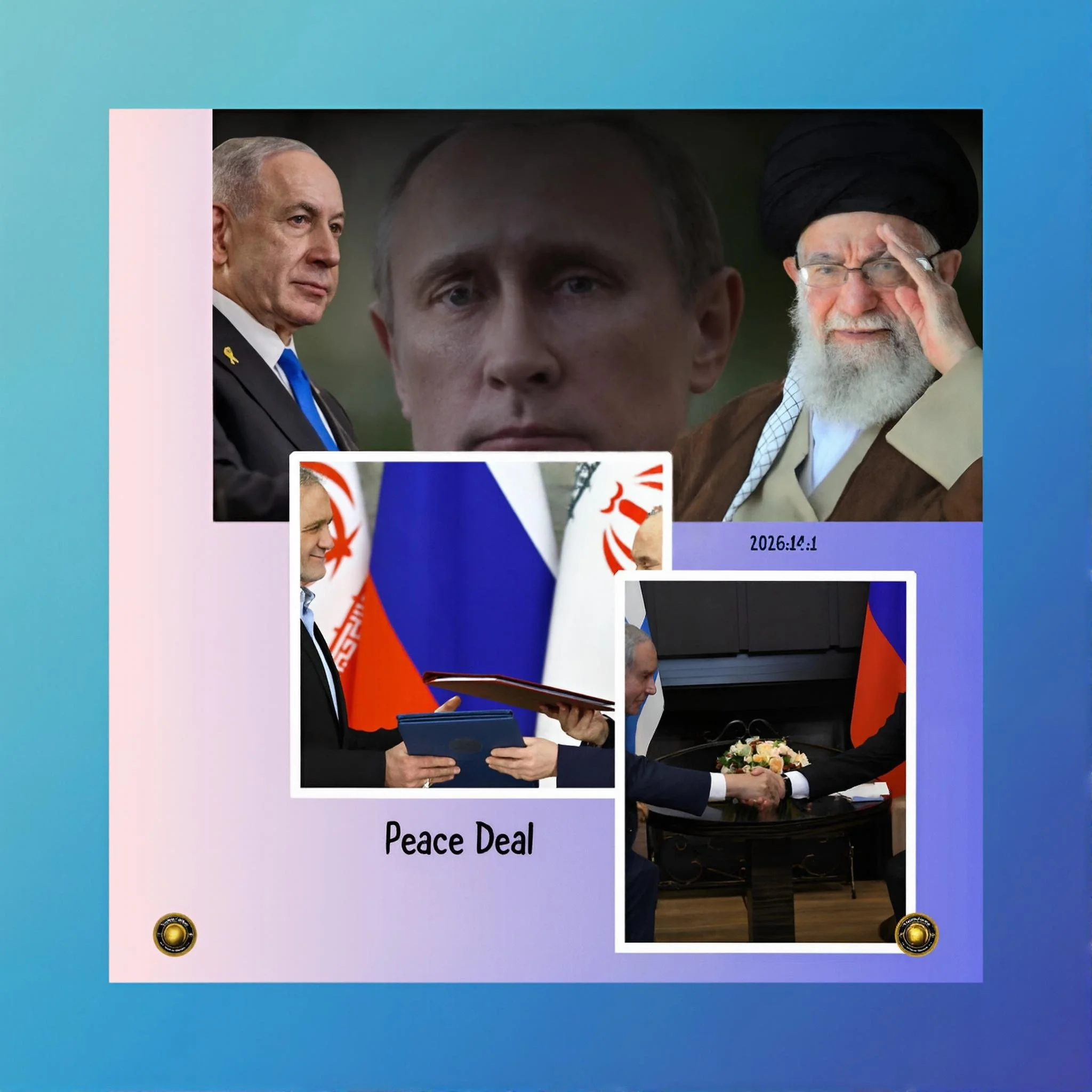
The architecture of contemporary Middle Eastern diplomacy has undergone a transformation so profound that it remains largely unrecognized by observers focused on more visible indicators of state behavior. The revelation in January 2026 that Israel and Iran had undertaken a covert diplomatic exchange through Russian intermediaries illuminates this transformation with crystalline clarity.
The arrangement provides a window into the mechanisms through which deeply hostile adversaries maintain communication, the role of intermediaries in managing conflicts that cannot be resolved directly, and the peculiar vulnerabilities of diplomatic arrangements constructed upon foundations of secrecy and mutual suspicion.
Russia's emergence as the acceptable intermediary between Israel and Iran represents a remarkable geopolitical achievement for Moscow, one that contradicts the prevailing narrative regarding Russian decline and international marginalization.
Despite economic sanctions, military constraints occasioned by its involvement in Ukraine, and the erosion of its regional position following the fall of the Assad regime in Syria, Russia has successfully positioned itself as a power capable of maintaining productive relations with both Israel and Iran.
This capability derives from several sources. Moscow's historical experience managing great power relationships in the Middle East stretches back to the Soviet era. Russian society includes a significant diaspora with ties to Israel, while Russian foreign policy maintains strategic interests in Iranian alignment. Russia under Putin has invested considerable diplomatic capital in cultivating relationships with both parties, and those investments have now begun yielding returns.
The mechanics of the diplomatic exchange reveal the sophistication of contemporary back-channel communication.
Netanyahu did not cable official messages through diplomatic channels, where they would create documentary trails and potentially be intercepted by intelligence services. Rather, he utilized direct telephone conversations with Putin, during which messages could be conveyed verbally and subsequently conveyed again to Iranian leadership through secure channels controlled by Russian intelligence services.
This methodology creates plausible deniability for all parties involved. If either side subsequently claims it did not make promises or that promises were misunderstood, the absence of written documentation provides cover.
The lack of official protocols means that the arrangement possesses no binding character and cannot be enforced through international legal mechanisms. It functions purely through the incentive structure created by mutual recognition that all parties benefit from the prevention of warfare.
The substance of the messages exchanged reflects the nuanced thinking of experienced statesmen. Netanyahu did not promise that Israel would refrain indefinitely from attacking Iran or that Israel would abandon its security concerns regarding Iran's nuclear program. Rather, he conveyed the more limited assurance that Israel would not launch preemptive attacks without provocation.
Similarly, Iran's reciprocal message did not constitute a renunciation of support for regional militias or acknowledgment of Israeli legitimacy. It represented merely a statement that Iran would not initiate military action absent Israeli provocation. Both messages embodied constraints so modest that they might appear almost vacuous. Yet their significance lies in what they accomplish: they reduce the probability that fear-driven miscalculation will trigger a spiral of escalation.
The arrangement emerged from a particular constellation of political circumstances that may not persist indefinitely. Israel faced the prospect that its military dominance, validated by the June 2025 campaign, might nonetheless prove insufficient to deter Iranian retaliation if Iranian leaders perceived an impending Israeli strike and opted for preemption. This concern was not paranoid.
The history of the Middle East demonstrates that regional actors, having survived one attack, sometimes conclude that the strongest position is to attack before the opponent can attack again. The Israeli security establishment, steeped in the doctrine of preemption, understood this psychology intuitively.
The covert message was designed to convince Iran that the circumstance feared—an impending Israeli strike—was not actually materializing.
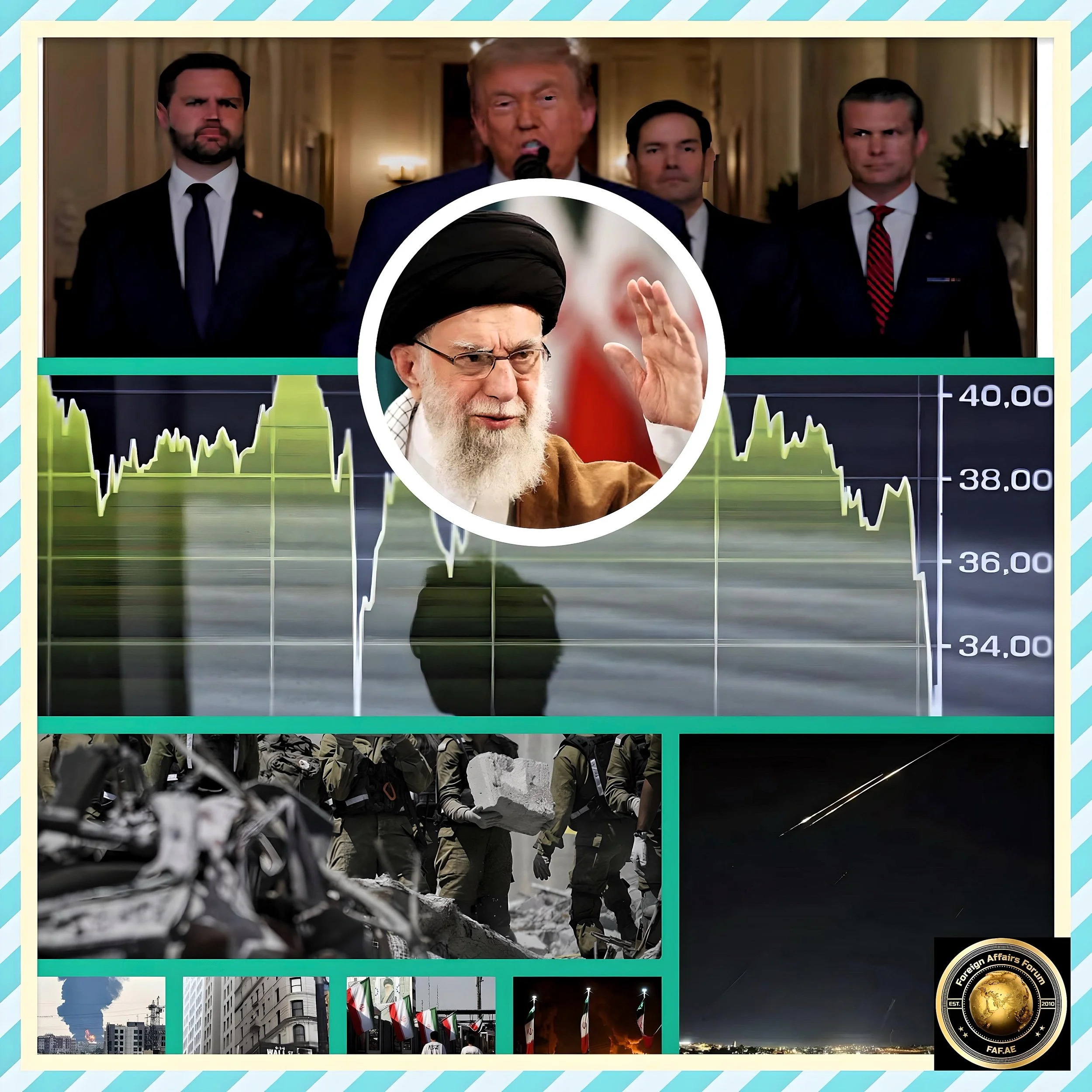
Iran, for its part, faced simultaneous pressures from opposite directions. The Trump administration was escalating rhetoric regarding potential American military intervention. Israeli political leaders were speculatively discussing the possibility of renewed strikes. Yet Iran was simultaneously consumed by internal turmoil that limited the regime's capacity to manage external threats coherently.
The Iranian government faced an existential challenge to its legitimacy from protests driven by economic grievances and political dissent. Under such circumstances, Iranian leaders possessed powerful incentives to avoid external military conflict even while projecting an image of defiant strength.
The diplomatic reassurance provided a mechanism for managing this contradiction. Iran could respond to Israeli and American threats with stern rhetoric and military posturing while simultaneously signaling through confidential channels that it did not intend to initiate warfare.
Russia's role as intermediary conveyed benefits beyond the mere transmission of messages. Putin's involvement elevated the stature of the arrangement, suggesting that a great power had deemed the prevention of this conflict sufficiently important to invest diplomatic effort.
The Russian president's capacity to maintain relations with both parties simultaneously—and to communicate with the Trump administration regarding American intentions—made Russia the most plausible channel for confidence-building communication.
No European power could have played this role with equal effectiveness, as European nations are aligned with the broader Western coalition of which Israel is a member. No Gulf state could have served this function given their alignment with Israel and their suspicions of Iran.
China, while capable of maintaining relations with Iran, lacks sufficient diplomatic presence in the Middle East to serve credibly as an intermediary with Israel. Russia alone possessed the combination of legitimacy and access required.
Yet the arrangement's fragility became apparent almost immediately once the conditions that generated it began to shift. Trump's escalating rhetoric regarding potential military action against Iran created an environment in which the reassurance that Netanyahu had conveyed—that Israel did not intend unprovoked attacks—became less credible.
If the American president was threatening military intervention, could Israel truly maintain neutrality? The internal collapse of Iranian political institutions under the weight of protest movements further undermined the arrangement's viability. Iranian leaders consumed by threats to their physical survival lose the capacity to honor purely strategic calculations.
The deeper question concerns whether arrangements of this character can survive beyond the specific diplomatic moment in which they are created. The answer appears to be negative absent structural changes in the parties' incentive structures. Confidence-building measures require underlying confidence.
They function only insofar as both parties accurately perceive that their counterpart possesses both the intention and the capacity to honor the assurances offered. Once either condition changes, the arrangement collapses. In this instance, the Trump administration's escalating pressure on Iran has cast doubt on Israel's capacity to deliver on its reassurances.
The internal instability of the Iranian regime has cast doubt on Iran's capacity to maintain a consistent foreign policy. These shifts have eroded the foundation upon which the diplomatic structure rested.
The episode nonetheless reveals something crucial about contemporary Middle Eastern statecraft. Even in an era of nuclear proliferation, regional militarization, and profound ideological enmity, the possibility persists for sophisticated actors to establish mechanisms through which the worst outcomes can be forestalled.
The arrangement did not resolve the underlying conflicts between Israel and Iran, did not prevent American pressure on Iran, and did not establish frameworks for long-term political accommodation. Rather, it accomplished the more modest goal of preventing the specific catastrophe of miscalculation-driven war. In the Middle East of 2026, this represents a significant achievement, even if its durability remains gravely in doubt.
The episode also suggests that Russia's diplomatic influence in the Middle East, while constrained by material limitations and international sanctions, remains sufficient to generate meaningful effects on state behavior.
As great power competition intensifies and as the United States undergoes strategic reorientation, the capacity of other powers to establish themselves as indispensable intermediaries will only increase in value.
Russia's success in this endeavor, however temporary, demonstrates that sophisticated diplomacy can create diplomatic space even in the most hostile environments, provided that all parties recognize that the alternatives are worse.