Russia and Turkey Mediation Efforts in the Israel-Iran Conflict: Current Developments and International Perspectives
Current Mediation Efforts
Russia’s Mediation Proposal
Russia has positioned itself as a potential mediator in the escalating Israel-Iran conflict.
Russian President Vladimir Putin has offered Russia’s mediation services to help prevent further escalation between the two nations. Putin held separate phone calls with both Israeli
Prime Minister Benjamin Netanyahu and Iranian President Masoud Pezeshkian emphasized the need for a peaceful resolution and offered Russia’s assistance in de-escalating tensions.
During his conversation with Trump, Putin reaffirmed Russia’s willingness to mediate and mentioned that Russia had proposed measures aimed at achieving mutually acceptable solutions during negotiations between the U.S. and Iran regarding the nuclear program.
The Kremlin has stated that “it was agreed that the Russian side will continue close contacts with the leadership of both Iran and Israel, aimed at resolving the current situation.”
Turkey’s Diplomatic Engagement
Turkey has also engaged in diplomatic efforts to address the conflict.
Turkish Foreign Minister Hakan Fidan called Russian Foreign Minister Sergey Lavrov to discuss the escalating situation and emphasize that “the only way to end the conflict, as well as the nuclear dispute that pitted Iran against world powers, was diplomacy.”
President Recep Tayyip Erdoğan has been actively conducting phone diplomacy since the conflict began, warning that Israel was seeking “to drag the whole region into the fire.”
Erdoğan has expressed concerns about the potential for a “devastating war” that could create refugee crises affecting the entire region
Other Regional Mediation Efforts
Iran has diplomatically contacted Qatar and Oman, asking for regional mediators to intervene in relaunching negotiations.
According to Israeli government sources, Iran is requesting Qatar and Oman to act as intermediaries to inform the United States of its willingness to negotiate a ceasefire.
Saudi Arabia may also be pursuing discreet diplomatic efforts to enable de-escalation of hostilities between Iran and Israel.
The Current Conflict: Key Facts
Operation Rising Lion
On June 13, 2025, Israel launched “Operation Rising Lion,” targeting Iran’s nuclear program and military infrastructure.
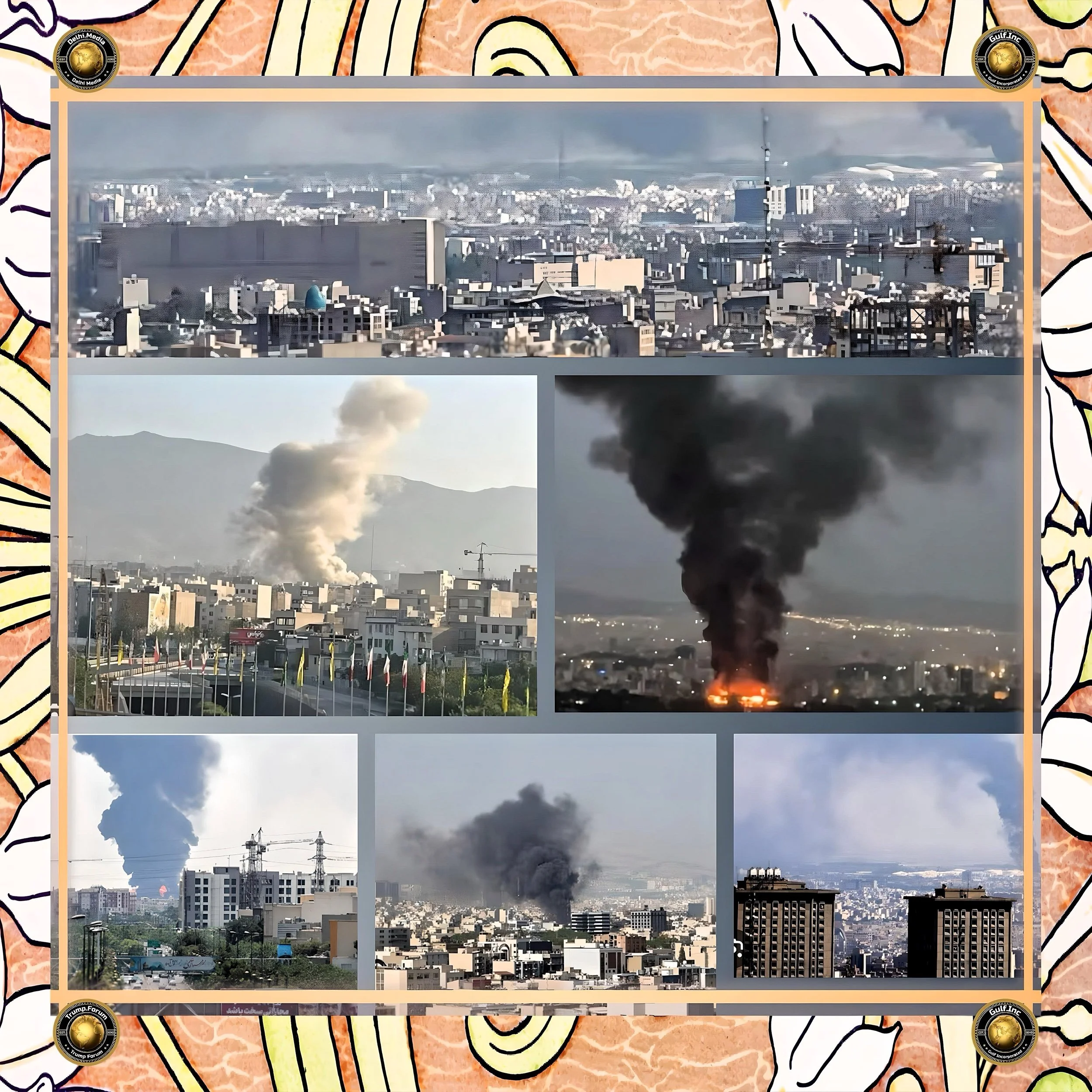
The Israeli Defense Forces struck more than 100 targets across Iran, including nuclear facilities, missile factories, and air defense systems.
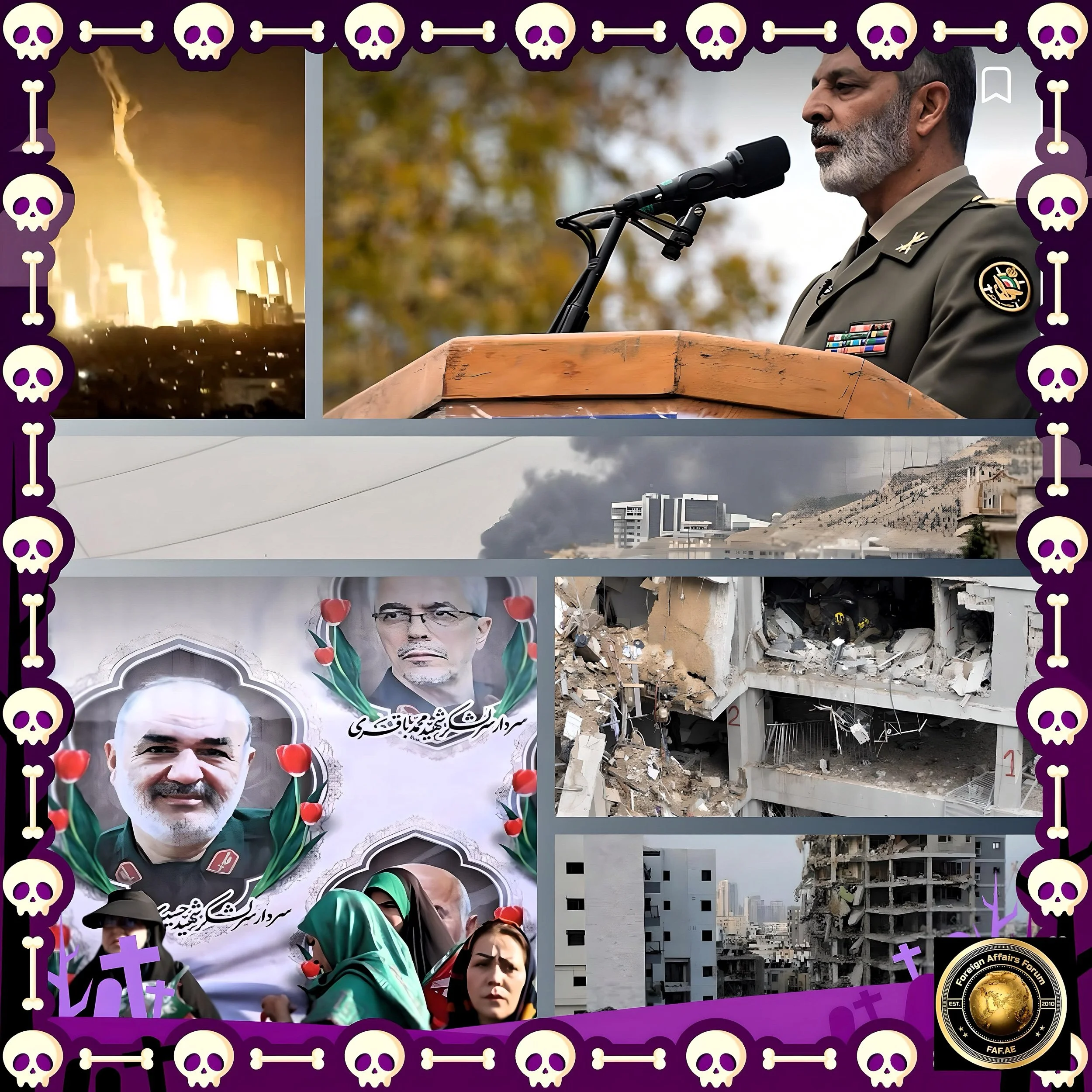
The operation resulted in the deaths of at least 20 senior military commanders, including key figures like Gen. Hossein Salami and Gen. Mohammad Bagheri, as well as several nuclear scientists.
Iranian Retaliation
Iran responded with “Operation True Promise III,” launching over 150 ballistic missiles and more than 100 drones against Israeli targets. The attacks have continued for multiple days, with both sides exchanging strikes in an unprecedented escalation of direct military confrontation.
Casualties and Damage
According to reports, at least 138 people have been killed in Iran since the Israeli strikes began, including 60 on Saturday alone, with half of those casualties being children.
In Israel, at least 13 people have died, and 380 have been injured since the conflict erupted. The strikes have caused significant infrastructure damage in both countries, including hits on residential buildings and military facilities.
Nuclear Dimension
Iran’s Nuclear Capabilities
The conflict was triggered by concerns over Iran’s advancing nuclear program.
According to the International Atomic Energy Agency (IAEA), Iran has amassed over 400 kilograms of uranium enriched to 60% purity, sufficient material for approximately nine to ten nuclear weapons if further enriched to weapons-grade levels.
Israeli intelligence claimed Iran was “months away” from producing its first nuclear weapon.
IAEA Findings
Just before the Israeli strikes, the IAEA found Iran non-compliant with its nuclear obligations for the first time in 20 years.
The agency expressed concerns about Iran’s failure to provide credible explanations for uranium traces found at undeclared sites.
In response to international pressure, Iran announced plans to build a third uranium enrichment facility and upgrade centrifuges at its Fordow facility.
International Perspectives and Legal Considerations
Western Support for Israel
Several Western nations, including France, the United Kingdom, and Germany, have expressed support for Israel’s “right to defend itself” against what they perceive as a nuclear threat from Iran.
These countries have called for restraint while acknowledging Israel’s security concerns regarding Iran’s nuclear program.
The United States, while not directly participating in the strikes, was informed in advance by Israel and has described the operation as Israel’s “unilateral action.”
President Trump has indicated openness to Russian mediation and suggested that the conflict might accelerate nuclear negotiations.
Middle Eastern and International Condemnation
Most regional countries have condemned the Israeli attacks. Saudi Arabia, Qatar, the UAE, Turkey, and other Muslim-majority nations have characterized the strikes as violations of international law and Iran’s sovereignty.
The UN Security Council held an emergency meeting to address the crisis, with Secretary-General António Guterres calling for “maximum restraint.”
Legal Analysis
International legal scholars have raised serious questions about the legality of Israel’s preemptive strikes.
According to international law experts, Israel’s use of “preventive self-defense” arguments may constitute a violation of the UN Charter, as there was no imminent threat justifying such action.
The International Commission of Jurists has condemned Israel’s attacks as “a grave violation of the United Nations Charter and international law.”
Some scholars argue that Israel’s actions amount to the “crime of aggression” under international law, as Iran had not launched an imminent attack that would justify preemptive self-defense.
However, supporters of Israel’s position argue that the country faced an existential threat from Iran’s advancing nuclear program.
Assessment of Positions
Iran’s Position
Iran maintains that its nuclear program is entirely peaceful and for civilian purposes, citing Article IV of the Nuclear Non-Proliferation Treaty, which guarantees “the inalienable right of all the Parties to the Treaty to develop research, production, and use of nuclear energy for peaceful purposes.”
Iran’s Foreign Minister has stated that Iran “does not want conflict with Israel to expand” and has expressed willingness to negotiate if attacks cease.
Israel’s Position
Israel justified its actions as necessary self-defense against an existential threat, claiming that Iran was on the verge of developing nuclear weapons.
Prime Minister Netanyahu has stated that Israel “will not endure a second Holocaust, a nuclear one” and that the strikes were necessary to prevent Iran from weaponizing its uranium stockpile.
International Community Response
The international response has been mixed, with Western allies generally supporting Israel’s right to self-defense while calling for restraint and most other nations condemning the attacks as violations of international law.
The conflict has raised concerns about regional stability and the potential for a broader Middle Eastern war.
FAF, Moscow.Forum analyzes the situation, stating, “Conflict remains highly volatile, with ongoing diplomatic efforts by Russia, Turkey, and other regional players attempting to de-escalate tensions and restore negotiations over Iran’s nuclear program.”
The ultimate resolution will likely depend on the success of these mediation efforts and the willingness of both sides to engage in meaningful dialogue rather than continued military escalation.