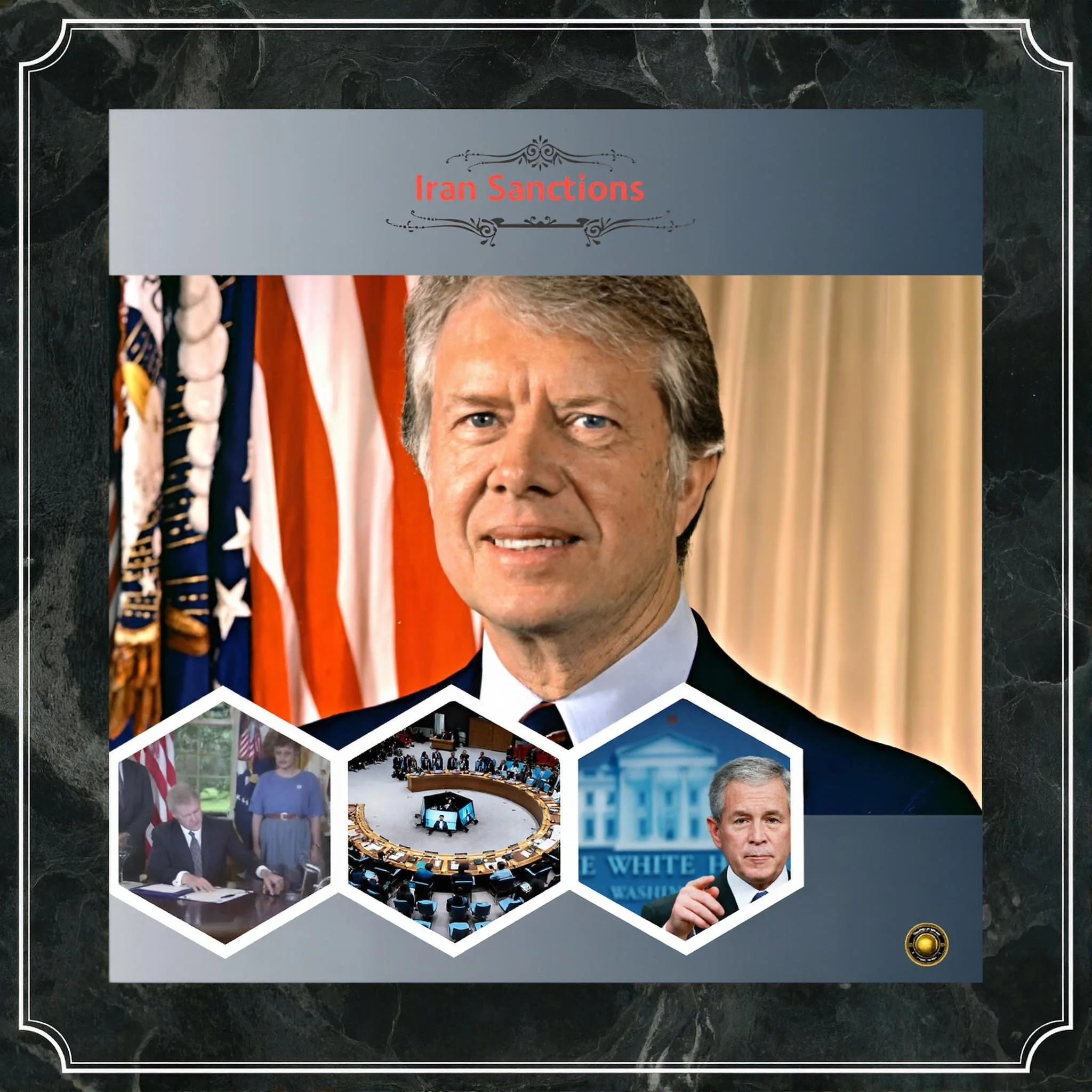
Nation Under Sanctions: Iran’s Ongoing Struggle for Power and Sovereignty - Part I
Executive summary
The sanctions labyrinth: how pressure reshaped Iran without resolving the nuclear question
International sanctions on the Islamic Republic of Iran constitute one of the most extensive and long‑running coercive economic campaigns in modern history.
Initially triggered by the 1979 hostage crisis, sanctions evolved from narrowly targeted U.S. measures into a dense web of U.S., European Union (EU), United Nations (UN), and allied restrictions focused on terrorism, human rights abuses, ballistic missiles, and above all Iran’s nuclear program.
Sanctions have demonstrably constrained Iran’s access to global finance and technology, depressed oil revenues, and contributed to recurrent economic crises marked by high inflation, currency depreciation, and under‑investment.
They also played a key enabling role in securing the 2015 Joint Comprehensive Plan of Action (JCPOA), under which Iran accepted verifiable limits on its nuclear activities in exchange for partial relief. Yet the U.S. withdrawal from the JCPOA in 2018 and subsequent “maximum pressure” campaign re‑imposed and expanded restrictions, prompting Iran to gradually breach nuclear commitments and deepen ties with non‑Western partners.
The present regime of sanctions is fragmented and dynamic. U.S. primary sanctions remain near‑comprehensive. UN sanctions that were lifted under Resolution 2231 have, as of 2025, been largely “snapped back,” while the EU and United Kingdom have revived or redesigned their own measures around nuclear, missile, and regional security concerns.
Simultaneously, Iran has developed increasingly sophisticated evasion mechanisms, most notably discounted crude exports to China via opaque shipping and financial networks, and has sought political and economic shelter within emerging multipolar blocs such as the expanded BRICS.
The core policy dilemma is that while sanctions have imposed substantial economic costs and occasionally extracted concessions, they have not produced fundamental behavioral change in Tehran’s nuclear, regional, or domestic policies.
Instead, they have contributed to the empowerment of hardline factions, the securitization of the Iranian economy under the Islamic Revolutionary Guard Corps (IRGC), and a shift of Iran’s strategic orientation away from the West.
Future steps will revolve around three interlocking questions: whether a credible diplomatic framework can be rebuilt; how far secondary sanctions will be enforced against major Asian importers; and whether a more differentiated sanctions architecture can balance non‑proliferation and human rights objectives with humanitarian and regional‑stability concerns.
Introduction
Iran under siege: sanctions, nuclear ambition, and the struggle for international legitimacy
Sanctions on Iran occupy a central place in contemporary debates on coercive diplomacy, economic statecraft, and the limits of liberal international order. Unlike episodic embargoes imposed on states for discrete crises, measures against Iran have become a semi‑permanent feature of the global regulatory landscape.
The breadth of targeted sectors—from oil, petrochemicals, shipping, and banking to automotive, metals, and dual‑use technologies—makes Iran a paradigmatic case for assessing both the capabilities and the unintended consequences of sanctions.
Two interlinked dynamics shape the Iranian sanctions story.
The first is the gradual layering of legal bases: U.S. domestic law and executive orders; UN Security Council resolutions under Chapter VII; EU regulations and decisions; and parallel regimes in partner countries such as the United Kingdom and Canada.
The second is the evolving dispute over Iran’s nuclear program: whether Tehran’s activities are directed toward a weapons capability and how the international community should respond to the associated risks.
Throughout, sanctions have served multiple purposes: signaling disapproval, imposing tangible economic pain, creating bargaining leverage, constraining proliferation, and shaping regional power balances.
History and current status of sanctions on Iran
From hostages to snapback: five decades of tightening the screws on Tehran
The historical arc of sanctions on Iran can be divided into several overlapping phases.
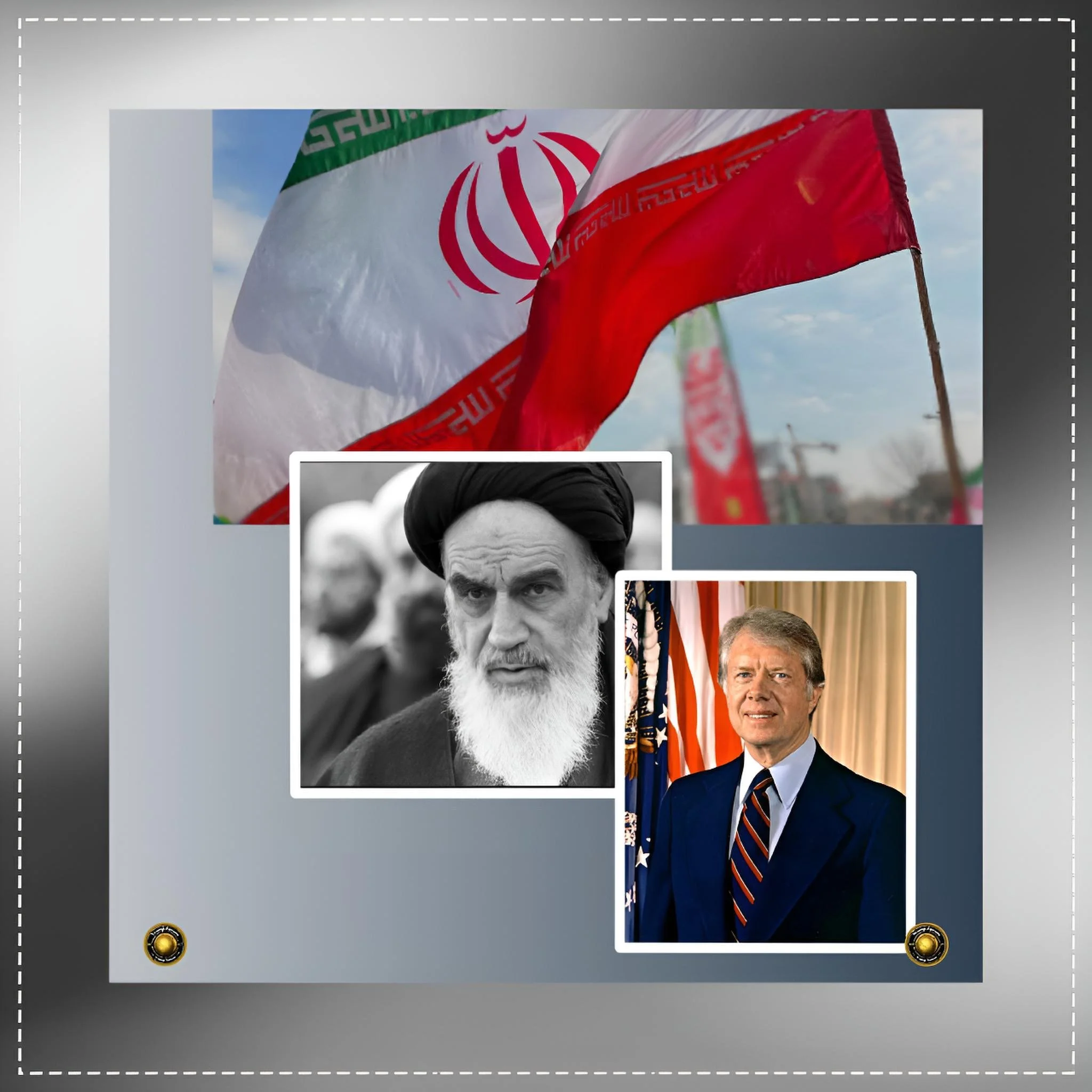
The first phase began with the 1979 seizure of the U.S. Embassy in Tehran. President Jimmy Carter froze billions of dollars in Iranian assets and imposed a trade embargo, measures that were partially unwound after the 1981 Algiers Accords but left a residual legal architecture that would be reactivated and expanded in subsequent decades.
In 1984 Iran was designated a state sponsor of terrorism under U.S. law, broadening the scope of possible restrictions and creating an enduring linkage between sanctions and allegations of support for militant groups.
During the 1990s, as concerns over Iran’s nuclear ambitions and support for armed non‑state actors intensified, the United States codified and widened sanctions.
Legislation such as the Iran and Libya Sanctions Act targeted foreign firms investing in Iran’s energy sector, inaugurating a pattern of extraterritorial, or secondary, sanctions that would later become a central feature of U.S. strategy. Parallel executive orders prohibited most trade in goods and services between Iran and the United States, effectively severing direct commercial ties.
The mid‑2000s ushered in a multilateral phase. Following revelations about previously undeclared nuclear facilities and Iran’s refusal to suspend enrichment, the UN Security Council adopted a sequence of resolutions imposing targeted sanctions related to nuclear and ballistic‑missile activities.
These included asset freezes and travel bans on individuals and entities, restrictions on sensitive technology transfers, and, eventually, a comprehensive arms embargo and enhanced cargo‑inspection regime.
The EU, initially cautious, gradually aligned with and went beyond UN measures, imposing broad financial and energy‑sector restrictions and cutting off major Iranian banks from the European financial system.
By the early 2010s, Iran faced a dense mesh of measures: U.S. primary sanctions barring almost all transactions with U.S. persons; U.S. secondary sanctions threatening foreign banks and companies that dealt with key Iranian sectors; UN nuclear‑related sanctions; and EU restrictions on oil imports, insurance, and financial flows.
This exerted severe pressure on the Iranian economy, reducing official oil exports, curtailing foreign investment, and contributing to high inflation and currency collapse. The resulting economic strain and political recalibration inside Iran created incentives for negotiations.
The JCPOA, concluded in 2015 between Iran and the P5+1 (China, France, Russia, the United Kingdom, the United States, plus Germany), marked a partial reversal.
Under the agreement, Iran accepted verifiable limits on enrichment levels, stockpile size, and centrifuge numbers, reconfigured the Arak heavy‑water reactor, and expanded access for the International Atomic Energy Agency (IAEA).
In return, UN nuclear‑related sanctions were lifted or terminated under Security Council Resolution 2231, and the EU and United States suspended or waived substantial nuclear‑related economic sanctions, particularly those affecting the energy and financial sectors.
Nonetheless, U.S. primary sanctions linked to terrorism, human rights, and ballistic missiles largely remained, preserving a significant compliance burden for international firms.
The current configuration is less coherent. In 2018 the United States withdrew unilaterally from the JCPOA and reinstated all suspended sanctions, while adding new measures under a “maximum pressure” strategy. Iranian oil exports fell sharply, the rial depreciated, and inflation surged.
Tehran responded by progressively breaching JCPOA limits, expanding uranium enrichment levels and stockpiles, and advancing centrifuge capabilities. In 2025, amid continued deadlock over a revived nuclear arrangement, the UN’s snapback mechanism was activated, reinstating the earlier multilateral sanctions architecture.
The EU and the United Kingdom have revived or redesigned their own packages, including arms and technology embargoes, asset freezes on individuals tied to the nuclear and missile programs, and extensive sectoral measures affecting energy, metals, shipping, and finance.
U.S. sanctions administered by the Office of Foreign Assets Control (OFAC) remain the most far‑reaching, backed by active enforcement against shipping networks, shadow banking arrangements, and third‑country intermediaries.
Key developments and latest facts
Oil in the shadows and banks on edge: the new face of Iran sanctions
Several developments define the contemporary landscape of sanctions on Iran.
First, the scope and complexity of U.S. sanctions have deepened. OFAC maintains an extensive Iran sanctions program that designates a wide array of Iranian banks, energy companies, shipping firms, and IRGC‑linked entities.
The architecture relies heavily on secondary sanctions, threatening to cut non‑U.S. financial institutions off from the U.S. market and dollar‑clearing if they facilitate significant transactions involving sanctioned sectors.
Advisory notices and enforcement actions have targeted not only Iranian actors but also Chinese “teapot” refineries, shipping companies employing deceptive practices, and networks engaged in shadow banking designed to obscure the provenance of Iranian oil revenues.
Second, Iran has adapted through sophisticated evasion tactics. A large share of Iran’s crude exports now reportedly goes to independent Chinese refiners at discounted prices, using re‑flagged tankers, ship‑to‑ship transfers, falsified documentation, and non‑transparent payment channels.
These flows sustain a critical, though diminished, revenue stream for Tehran and complicate the enforcement calculus for Washington and its allies. Sanctions have thus not eliminated Iran’s energy exports but have diverted them into more opaque, less regulated channels, with attendant risks for global financial integrity.
Third, the international legal environment has shifted with the reintroduction of UN sanctions and the recalibration of European policy. The reactivation of UN measures restores a formal global framework against which member states are legally obliged to act, though implementation varies.
The EU’s renewed restrictive measures once again limit trade in oil and gas equipment, metals, dual‑use technologies, and financial services, and re‑impose asset freezes and travel bans on individuals and entities associated with the nuclear and missile programs.
The United Kingdom has introduced a parallel regime after Brexit, focusing on nuclear proliferation, regional destabilization, and human rights abuses.
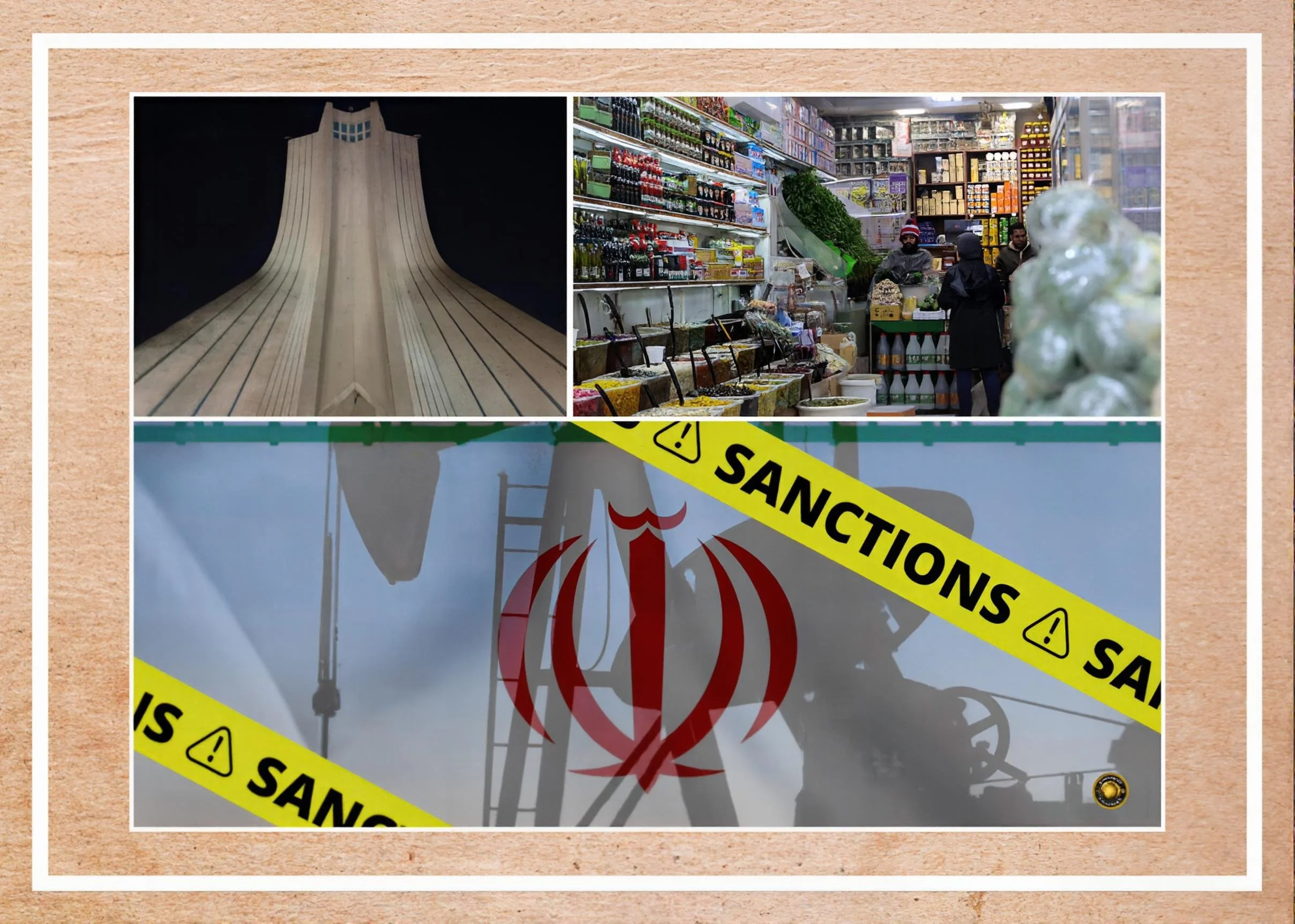
Fourth, the macroeconomic impact within Iran remains profound. Sanctions have contributed to cyclical crises characterized by high inflation, a weak and volatile currency, reduced access to foreign exchange, and chronic under‑investment in energy infrastructure and manufacturing.
While the economy has demonstrated resilience and adaptability—partly through expansion of non‑oil trade with neighbors and partners such as China and Russia—sanctions have exacerbated inequality, eroded the purchasing power of ordinary households, and constrained the state’s capacity to deliver public goods.
Fifth, Iran’s foreign policy orientation has shifted further toward non‑Western partners and multipolar platforms. Tehran has deepened strategic ties with Russia and China, including long‑term cooperation frameworks, and has joined or aligned with groupings such as an expanded BRICS.
Yet these engagements have not fully offset sanctions‑induced isolation; Iran remains hampered by limited access to mainstream financing, technology, and insurance, and faces competitive pressures from other sanctioned energy exporters such as Russia that also discount crude in Asian markets.
Cause‑and‑effect analysis
Leverage and blowback: how sanctions changed Iran’s economy and politics
The causal pathways linking sanctions to political and strategic outcomes in Iran are complex and often indirect. At least four distinct channels merit attention.
The first is the coercive channel. Sanctions constrain resources and options available to the targeted state, thereby creating incentives to negotiate or alter behavior.
In Iran’s case, the tightening of sanctions in the late 2000s and early 2010s, particularly measures targeting oil exports and access to international banking, significantly reduced revenues and heightened domestic economic pressures.
This contributed—alongside internal political shifts and the preferences of key elites—to Tehran’s decision to enter into serious nuclear negotiations, culminating in the JCPOA. Here sanctions operated as an enabling factor: not necessarily sufficient on their own, but important in shaping the cost‑benefit calculations of decision‑makers.
The second is the adaptation channel. Over time, targeted states invest in evasion capabilities, alternative partnerships, and structural adjustments. Iran has developed indigenous capacity in certain industrial and military sectors, expanded regional trade, and designed financial and logistical networks to circumvent restrictions on oil sales.
While these adaptations do not fully compensate for lost opportunities and foregone investment, they dilute leverage. As networks mature and stakeholders inside and outside Iran become financially dependent on sanctioned trade, a sanctions equilibrium emerges in which complete enforcement becomes both technically difficult and politically costly.
The third is the domestic political channel. Sanctions alter the internal distribution of power within the targeted state. In Iran they have often strengthened the IRGC and other security‑linked entities that control smuggling routes, front companies, and sanctioned sectors.
These actors profit from scarcity and arbitrage opportunities created by sanctions and are therefore structurally disinclined toward full normalization. At the same time, sanctions have eroded the position of technocratic and reform‑minded elites who advocate integration with the global economy. The resulting political economy can entrench hardline positions on the nuclear and regional files, undermining the very behavioral change sanctions seek to induce.
The fourth is the humanitarian and societal channel. Although many sanctions regimes contain humanitarian exemptions for food, medicine, and medical equipment, financial and logistical constraints mean that civilian populations often experience collateral harm.
Banking restrictions complicate payments for humanitarian imports; risk‑averse foreign firms and banks may exit the market entirely; and macroeconomic instability reduces real incomes.
In Iran, periodic protests over living standards, corruption, and political repression are exacerbated by sanctions‑driven inflation and unemployment, yet these social pressures have not translated into a coherent, regime‑threatening alternative. Instead, authorities frequently frame sanctions as external aggression, using them to justify repression and to rally nationalist sentiment.
Collectively, these channels suggest that sanctions on Iran have been effective at imposing costs and generating leverage at specific moments, but less effective at achieving enduring behavioral transformation.
They have contributed to a cycle of escalation: more sanctions provoke more nuclear advances and regional activism, which in turn trigger further sanctions and security dilemmas.
Future steps
Between pressure and diplomacy: charting the next chapter of Iran sanctions
Future trajectories for the Iran sanctions regime will depend on several interlocking factors: the evolution of Iran’s nuclear program; domestic politics in Tehran, Washington, and European capitals; the stance of key Asian energy importers; and the broader dynamics of U.S.–China and Russia–West rivalry.
Several pathways can be envisaged.
First pathway is a renewed diplomatic framework, whether as a restored JCPOA or a more comprehensive accord addressing nuclear, missile, and regional issues. Any such agreement would require calibrated sanctions relief in exchange for verifiable constraints and intrusive monitoring.
Designing a sequencing mechanism that is politically acceptable on all sides, robust against spoilers, and adaptive to technological change in Iran’s program would be a central challenge. The credibility of future U.S. commitments—given the precedent of unilateral withdrawal—will be scrutinized closely in Tehran.
A second pathway is a continuation or intensification of maximum‑pressure dynamics without a diplomatic breakthrough.
In this scenario, U.S. sanctions remain extensive, snapback UN measures stay in place, and European regimes continue to constrain trade and finance. Enforcement may tighten further against Chinese buyers and global shipping, though at the risk of friction with Beijing and market disruptions.
Iran would likely respond by further advancing its nuclear capabilities, deepening ties with Russia and China, and leveraging regional proxies to exert pressure on U.S. and allied interests, raising the risk of miscalculation and conflict.
A third pathway, a more incremental path would involve functional adjustments to the sanctions architecture without a grand bargain.
These might include refining humanitarian channels to reduce civilian harm, updating designation criteria to focus more narrowly on proliferation and human‑rights‑related entities, or offering limited, reversible sectoral relief in exchange for specific confidence‑building steps such as enhanced IAEA access or regional de‑escalation measures.
Such measures would seek to restore some degree of leverage–outcome proportionality and to insulate critical humanitarian and climate‑related cooperation (for example, in environmental management or public health) from the broader standoff.
Across all scenarios, the central strategic question is whether sanctions can be integrated into a coherent long‑term strategy that combines deterrence, containment, and engagement.
Without such a strategy, sanctions risk becoming an automatic, path‑dependent response that satisfies domestic political demand for toughness while doing little to reduce the underlying nuclear and regional risks.
Conclusion
Coercion without closure: why sanctions alone cannot settle the Iran problem
Sanctions on Iran illustrate both the power and the paradoxes of contemporary economic statecraft. Over nearly five decades, they have evolved from narrow, crisis‑specific measures into a sprawling regime that touches nearly every aspect of Iran’s interaction with the global economy.
They have inflicted significant economic pain, enabled diplomatic breakthroughs at critical junctures, and constrained aspects of Iran’s nuclear and military capabilities. Yet they have also fostered structural adaptation, empowered hardline economic actors, strained humanitarian conditions, and contributed to a cycle of reciprocal escalation.
For policymakers, the task ahead is not merely to decide whether to tighten or loosen sanctions, but to rethink their design, objectives, and integration with other instruments of statecraft.
A sustainable approach would clarify end‑states, differentiate between sectors and actors, preserve humanitarian space, and embed sanctions within a broader diplomatic and regional‑security framework.
Without such recalibration, the sanctions regime on Iran is likely to persist as a costly, partially effective, and strategically inconclusive instrument—imposing burdens on ordinary Iranians and complicating global energy and financial governance, while leaving fundamental security questions unresolved.