When a Nation Goes Dark: Iran's Internet Blackout Reveals the New Frontier of State Control
Introduction
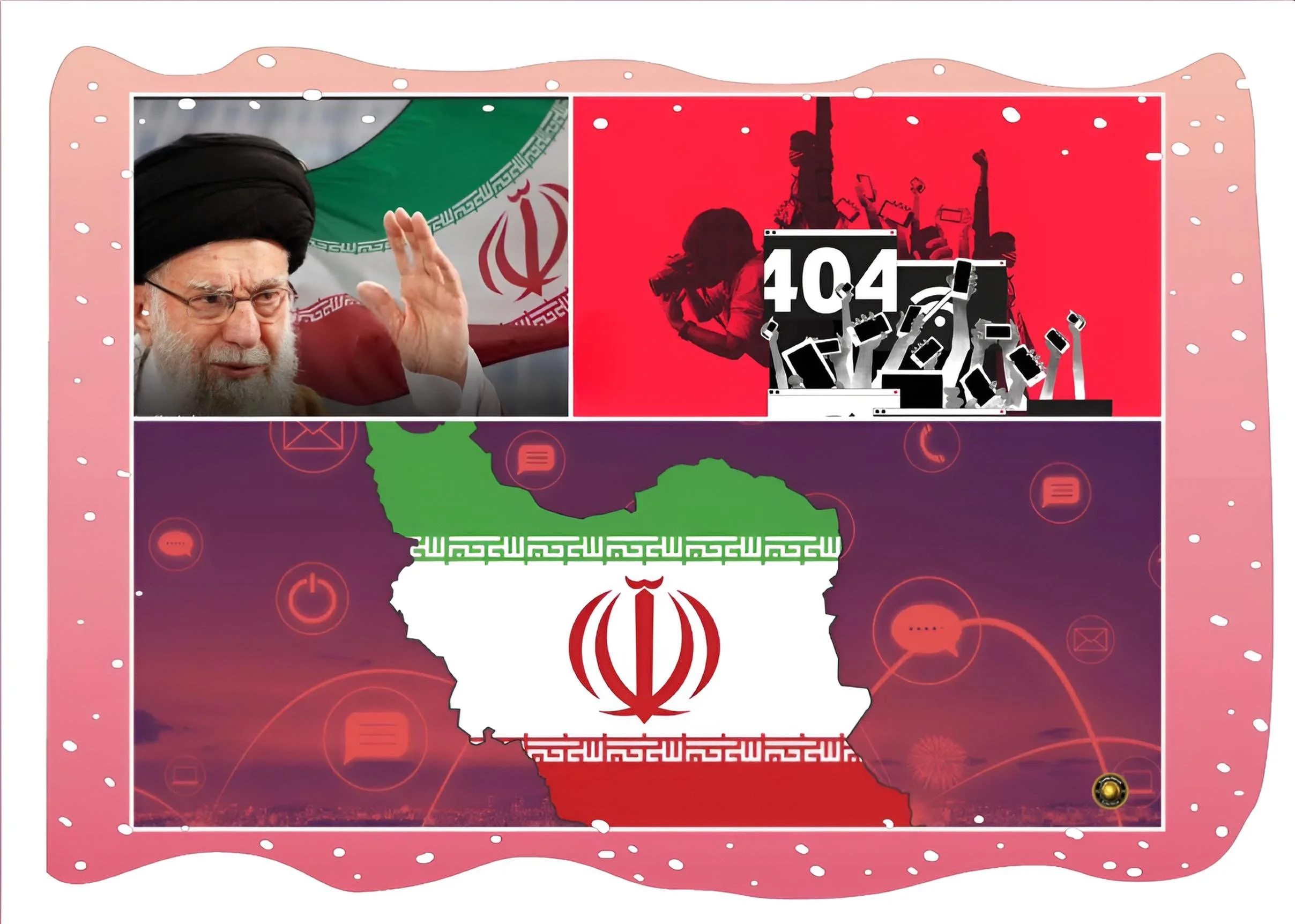
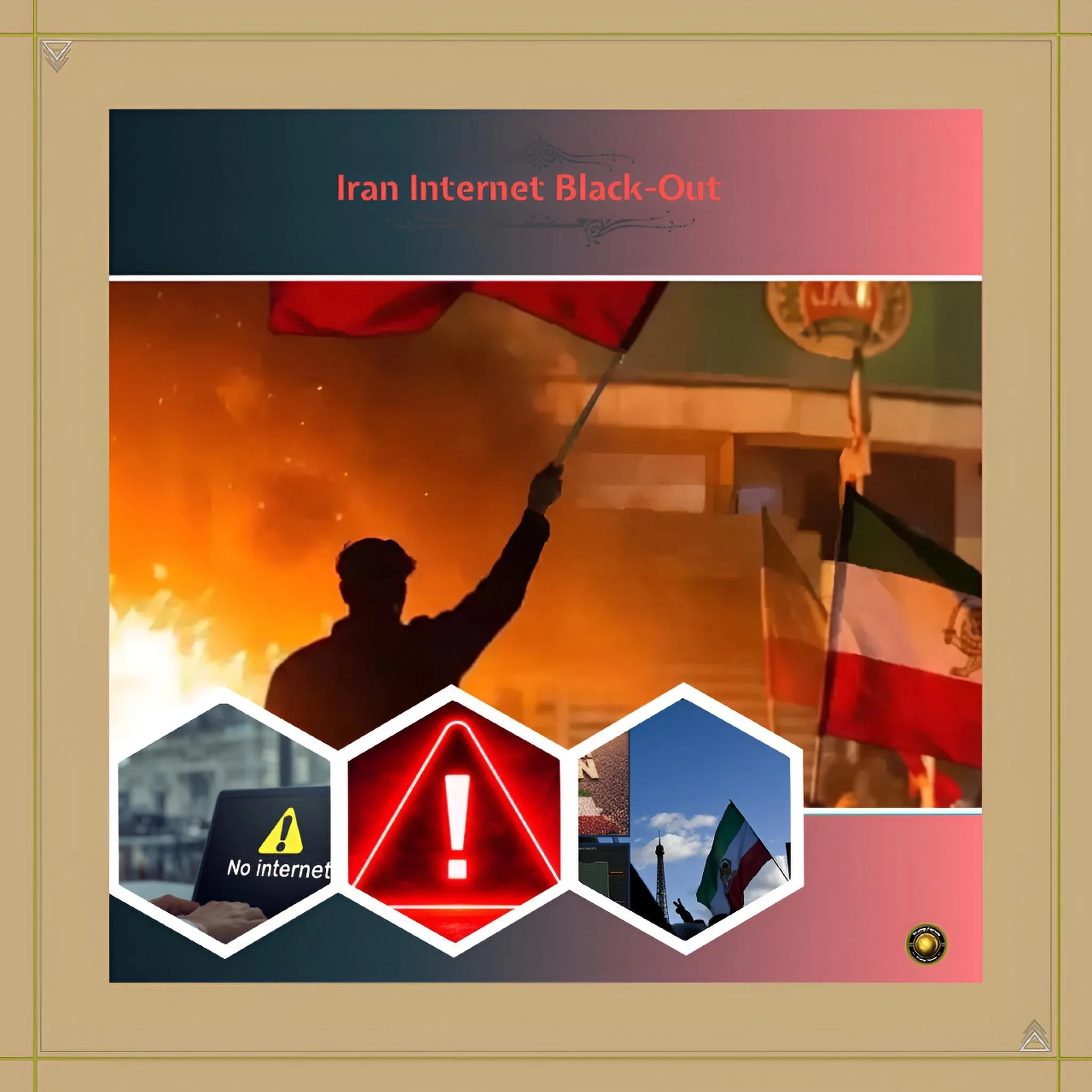
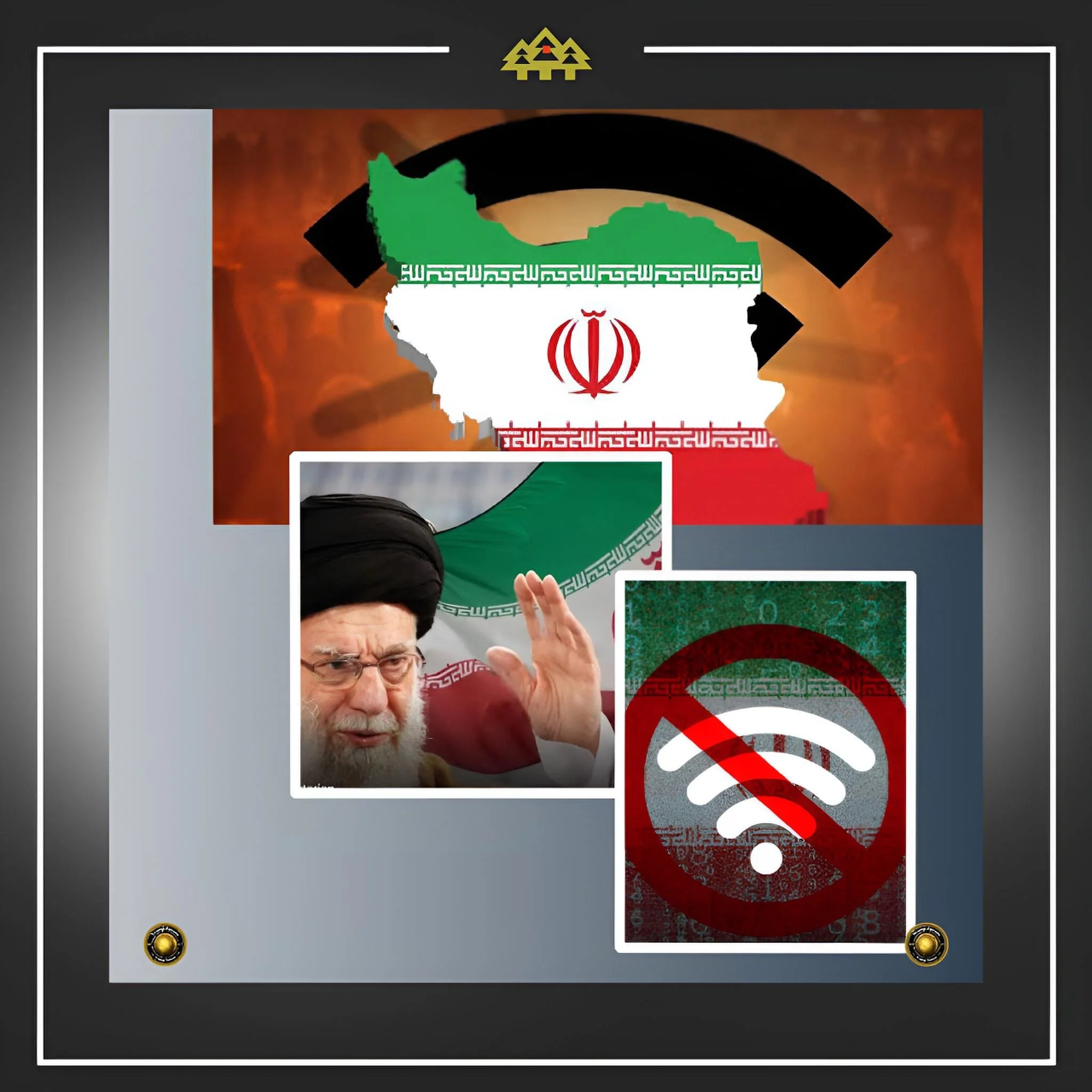
The Islamic Republic of Iran has become a testing ground for authoritarian digital repression. On January 8, 2026, Iranian authorities executed what cybersecurity specialists characterize as the most comprehensive internet shutdown the nation has ever experienced.
This action emerged not from a carefully calibrated policy deliberation but from immediate governmental panic. The catalyst: widespread nationwide protests demanding regime change, originating from economic desperation and snowballing into a fundamental challenge to state authority itself.
The shutdown unfolds across multiple technological vectors. Within the first thirty minutes, internet traffic plummeted by ninety percent. Within hours, traffic approached zero. Internet monitoring organizations worldwide—Cloudflare, NetBlocks, IODA—documented the coordinated disconnection of all major Iranian internet service providers from global networks. The regime did not merely throttle bandwidth or selectively block platforms; it executed what specialists term a "kill switch" operation, severing the nation's connectivity infrastructure with decisive finality. But Iran's response went further than simple terrestrial network disconnection.
When Elon Musk's Starlink satellite internet service provided a lifeline to those beyond governmental reach, Iranian authorities escalated. The regime deployed military-grade jamming equipment, achieving packet loss rates of up to eighty percent for Starlink connections. This represented the first documented instance of a state successfully jamming satellite internet on a nationwide scale.
Cybersecurity researcher Amir Rashidi, with two decades of expertise in Iranian digital repression, declared himself witnessing something unprecedented in his entire professional career. Security forces simultaneously conducted door-to-door operations, seizing satellite receiver equipment and threatening families discovered possessing such devices.
The convergence of technological jamming and physical enforcement reveals an integrated suppression apparatus targeting every conceivable technological workaround.
The political context cannot be overstated. Economic crisis preceded the digital crisis. Iran's currency collapsed; food prices tripled; inflation spiraled beyond governmental capacity to manage.
The Grand Bazaar of Tehran—the commercial heart of the nation—closed for extended periods as shopkeepers joined anti-government demonstrations. Protests that began on December 28, 2025, around economic grievances metamorphosed into something far more threatening to regime stability: organized demands for regime change itself.
The Islamic Republic, accustomed to managing discontent through conventional security force deployment, confronted a mass uprising that transcended previous patterns of protest activity.
The regime's response involved calculated escalation. During late December and early January, authorities implemented targeted disruptions: disabling mobile network antennas in protest-heavy neighborhoods, deactivating SIM cards of known activists, throttling data transmission, restricting bandwidth to specific networks.
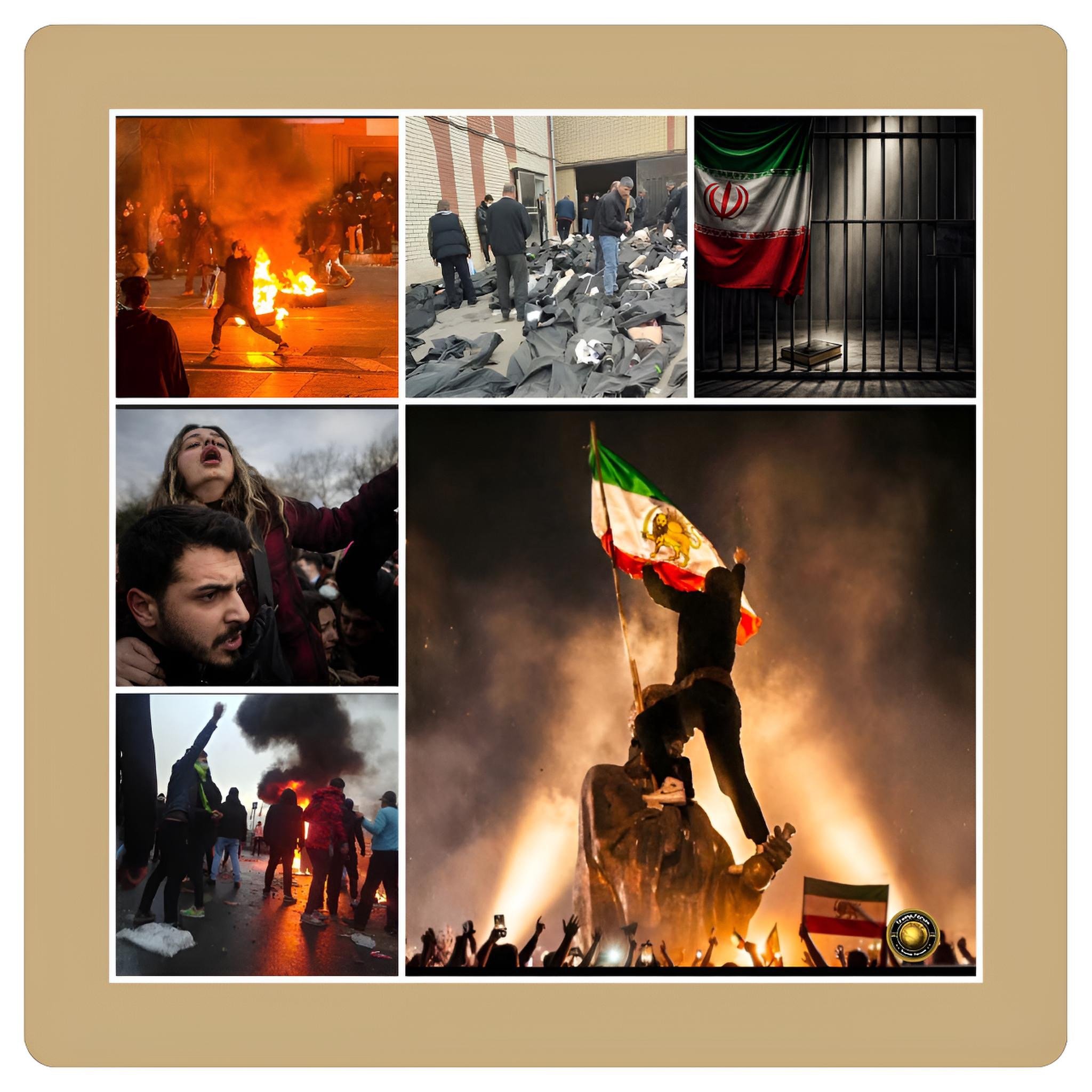
These partial measures proved insufficient. As crowds intensified, as government buildings burned, as the chanting explicitly called for the fall of the Islamic Republic, authorities concluded that comprehensive digital isolation had become strategically necessary.
The blackout would serve multiple functions simultaneously: preventing coordination among dispersed protest groups; blocking external documentation of security force violence; creating an information vacuum that the government could populate with its own narratives; eliminating the capacity of victims to communicate with international organizations and foreign media.
The human toll became apparent despite the information blackout. Initial casualty estimates suggested hundreds killed. As scattered reports escaped through clandestine channels, through brief gaps in communications restrictions, and through individuals reaching international contacts via limited telephone access, numbers climbed.
By January 13, 2026, human rights organizations reported death tolls of approximately 2,000 individuals. More controversial estimates, derived from interviews with government and security sources, suggested figures potentially exceeding 12,000.
The impossibility of verification constitutes itself a humanitarian tragedy. Families cannot locate missing relatives; independent observers cannot document security force conduct; international accountability mechanisms remain blinded by the very digital isolation designed to obscure state action.
The blackout inflicts harm beyond direct security force violence. Hospitals without access to digital patient records cannot deliver coordinated care to the wounded. Pharmacies unable to access supply chains cannot fulfill prescriptions.
The poor and dispossessed, dependent upon digital payment systems and remittances from abroad, find themselves severed from economic survival. The elderly and infirm, reliant upon telehealth services and digital communication with distant family members, experience sudden isolation. Every hour of blackout duration compounds the humanitarian damage independent of documented killings.
Iran's shutdown requires contextualization within global patterns of digital repression. During 2025, governments worldwide imposed 212 major internet disruptions across 28 countries, accumulating 120,095 hours of disconnection and imposing approximately $19.7 billion in economic losses. Russia inflicted $11.9 billion in disruptions through sophisticated throttling and platform-specific blocking. Venezuela and Myanmar imposed substantial but less economically consequential shutdowns. Yet Iran's January 2026 blackout distinguishes itself through comprehensiveness and sophistication. Prior Iranian shutdowns—November 2019 and September 2022—maintained partial access to domestic infrastructure.
The current shutdown approaches totality across both geographic scope and operational completeness. The blocking of satellite internet represents technological escalation beyond what international scholars anticipated feasible.
The regime's demonstrated capacity to jam satellite signals raises uncomfortable questions about the future viability of circumvention technologies. Starlink has proven crucial in Ukraine, maintaining Ukrainian forces' communications capability despite Russian efforts at disruption. The technology operates through low-earth orbit satellites, theoretically beyond state interception. Yet Iran has demonstrated that sophisticated ground-based jamming can degrade satellite connectivity to unreliable levels. If this capability disseminates to other authoritarian regimes—Russia, China, North Korea, Venezuela—the presumed invulnerability of satellite internet to state repression evaporates.
The economic consequences will extend far beyond the blackout's duration. Iranian businesses reliant upon digital operations have sustained devastating losses. The financial sector, already destabilized by international sanctions and currency deterioration, experiences further collapse. Individuals with funds locked in digital accounts or dependent upon international money transfers experience immediate economic catastrophe.
Preliminary estimates suggest that every day of comprehensive internet disruption costs the Iranian economy in excess of one million dollars in foregone economic activity. When multiplied across five days and beyond, the aggregated economic damage begins to rival the costs of conventional military conflict.
The broader implications demand serious scholarly and policy attention. The Iranian shutdown demonstrates that authoritarian states possessing technical capability and political determination can effectively eliminate information flows regarding internal violence. International accountability mechanisms dependent upon information transparency become inoperative.
Human rights organizations cannot verify atrocities. Foreign governments cannot make evidence-based decisions regarding sanctions, diplomatic isolation, or intervention. The shutdown creates a window during which state violence can proceed with minimal external pressure, oversight, or accountability. As other authoritarian regimes observe Iran's tactical success with comprehensive digital isolation, the temptation to replicate such measures grows.
The restoration of internet access—whenever Iranian authorities determine regime consolidation has proceeded sufficiently—will constitute not the resolution of this crisis but rather its transition into a subsequent phase. International observers will gain access to documentation of the true scale of state violence, the trajectory of the protest movement, and the regime's consolidation or collapse of authority.
The blackout functions as a temporal instrument, purchasing time for state security forces to conduct their crackdown beyond the constraint of international observation.
In this sense, the internet shutdown represents perhaps the most consequential digital repression event of the contemporary era, establishing precedent for how future authoritarian regimes might respond to existential political challenges through comprehensive information isolation.
The January 2026 Iranian blackout will be studied for decades by scholars of authoritarianism, digital governance, human rights, and international relations. It marks the moment when technological sophistication converged with state desperation to produce a qualitative escalation in digital repression tactics.
For Iran's population, the shutdown represents something far more immediate and devastating: the elimination of their capacity to inform the outside world, coordinate resistance, or access independent information about events unfolding within their own nation.