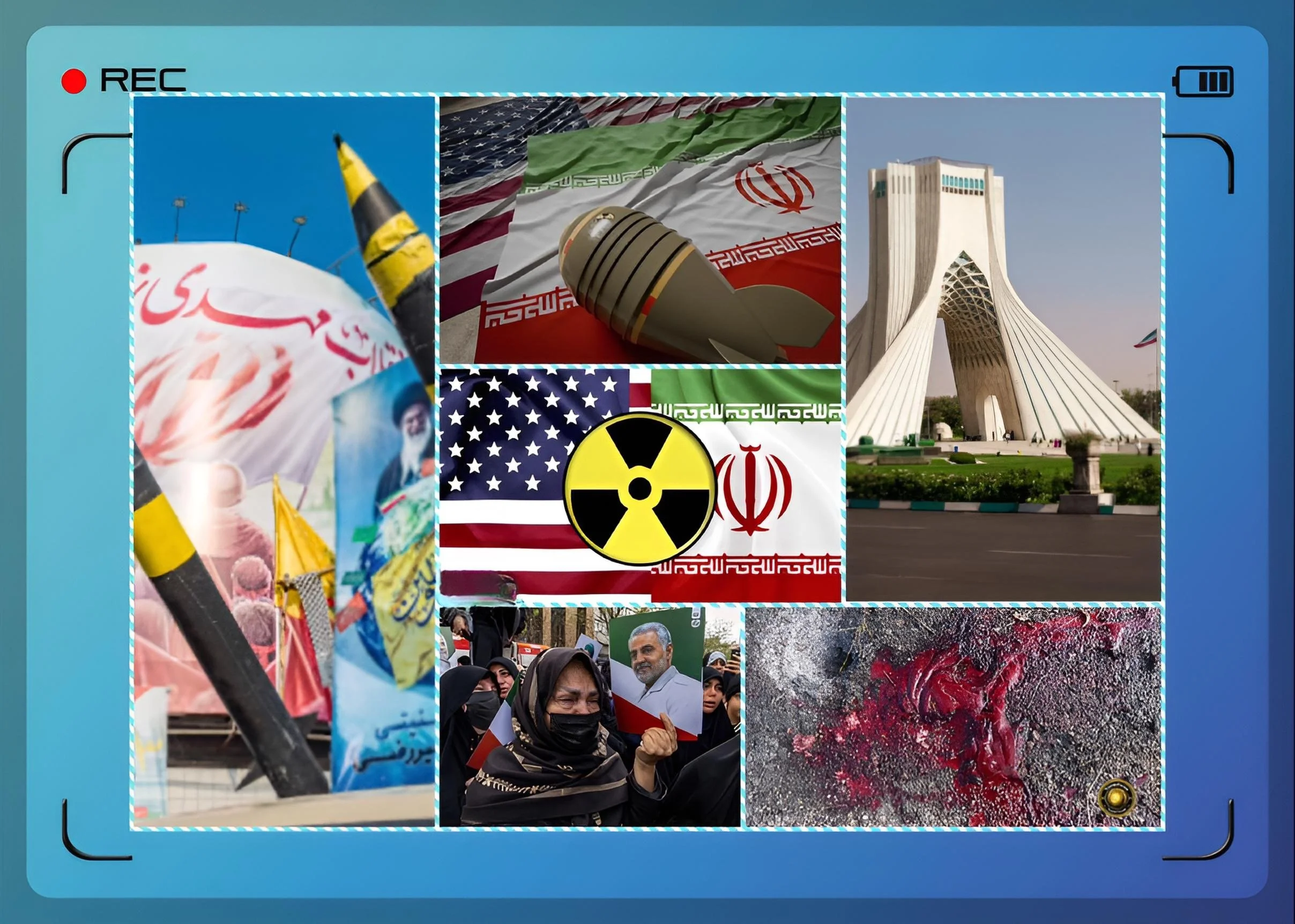
The Iranian Nuclear Impasse: From Diplomatic Achievement to Geopolitical Collapse -Part IV
Executive Summary
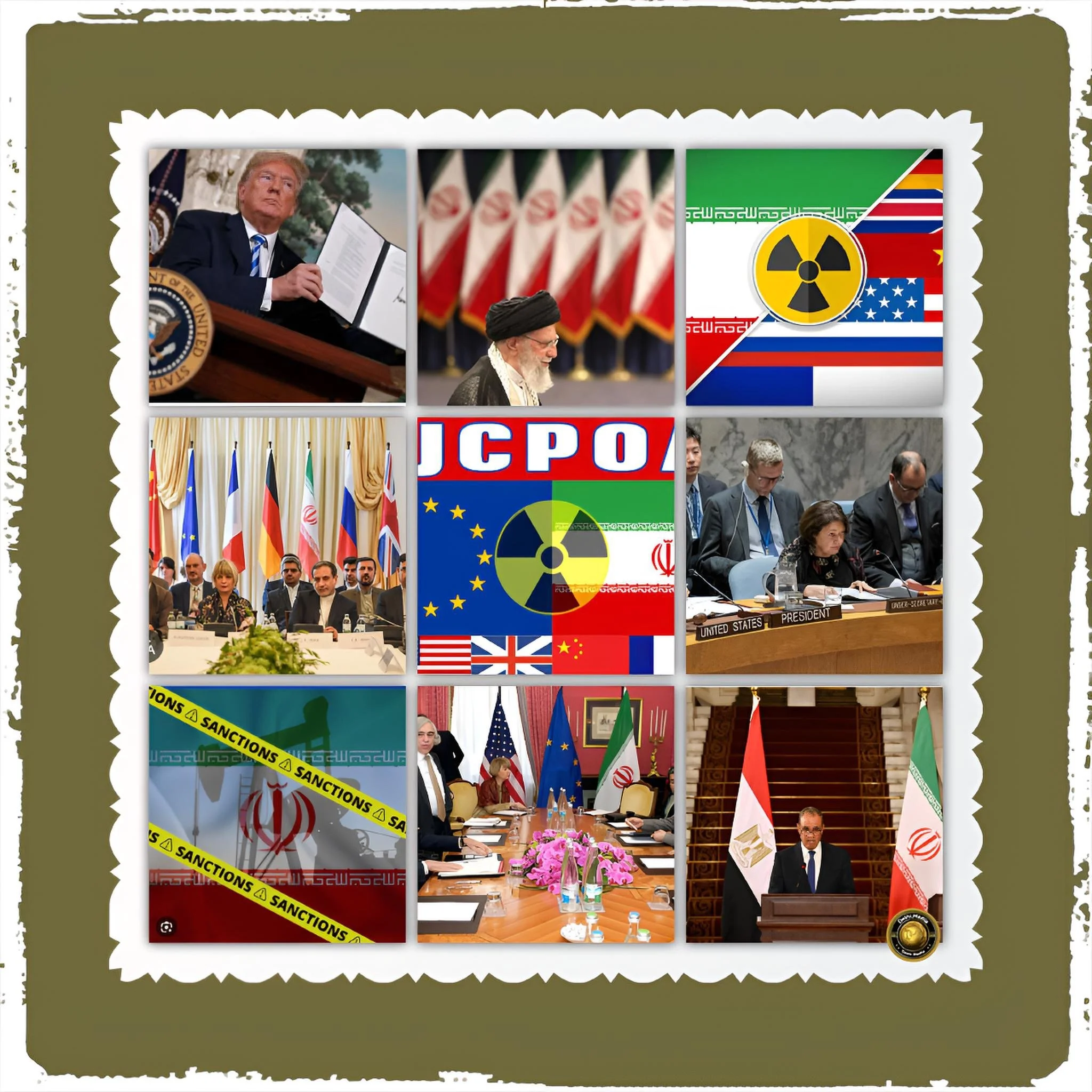
The Joint Comprehensive Plan of Action, reached in July 2015 between Iran and the P5+1 countries (the five permanent members of the United Nations Security Council plus Germany), represented one of the most significant multilateral nuclear agreements in modern diplomatic history.
The agreement imposed unprecedented constraints on Iran's nuclear program, reducing its enriched uranium stockpile by 98 percent, limiting centrifuge installations, and establishing comprehensive international monitoring mechanisms.
However, the accord's trajectory has traced a tragic arc from initial success to functional collapse.
The United States withdrawal in 2018, Iran's subsequent incremental abandonment of compliance, and ultimately the European Union's activation of the snapback mechanism in August 2025 have dismantled a framework that once held genuine promise for constraining Iran's nuclear ambitions.
As of January 2026, the JCPOA exists in name only, replaced by a landscape of renewed sanctions, accelerated Iranian enrichment, and negligible diplomatic prospects.
The Genesis of Necessity
Understanding the JCPOA requires first comprehending the profound isolation that preceded its negotiation. For over a decade preceding 2015, Iran faced increasingly stringent international sanctions.
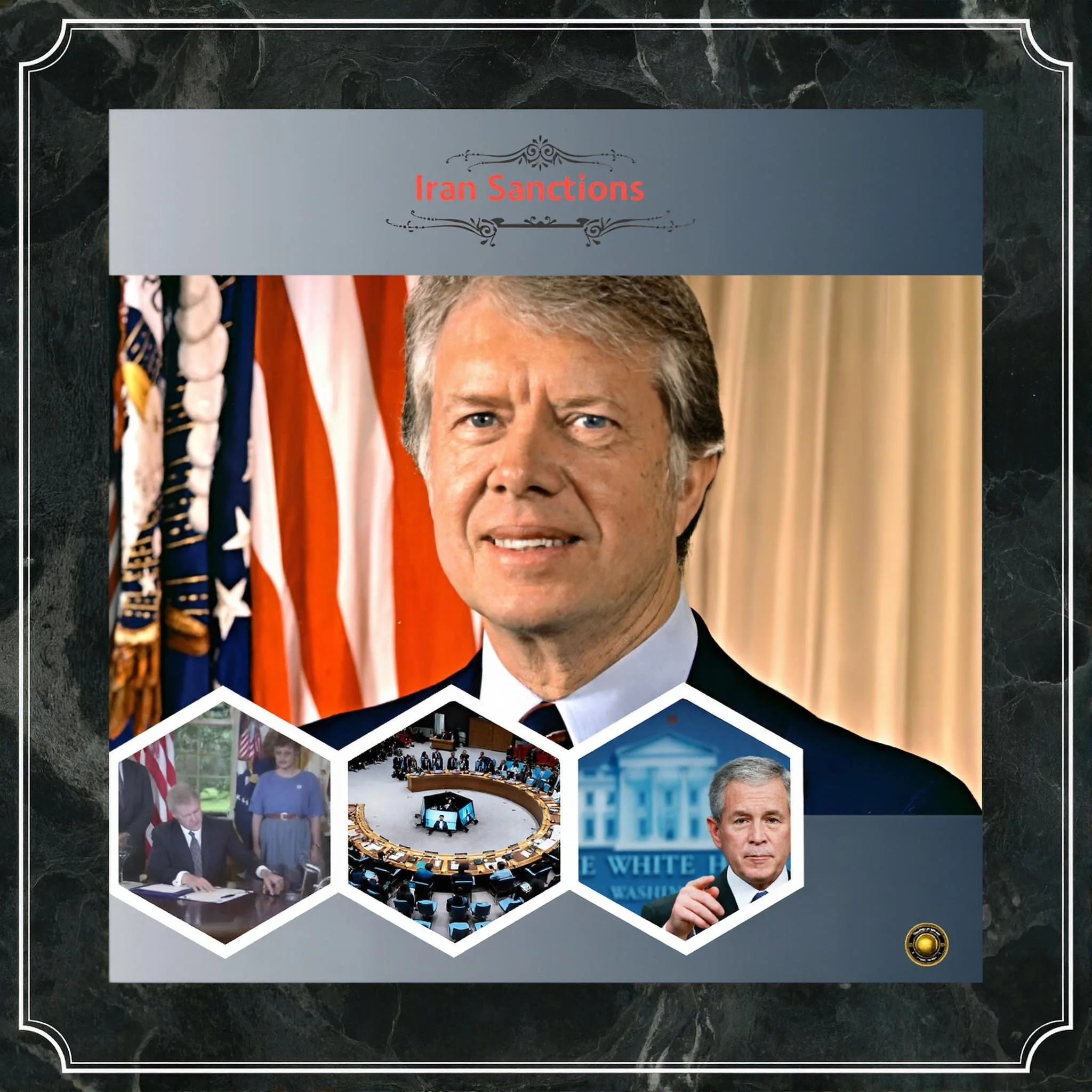
Beginning with United Nations Security Council resolutions adopted between 2006 and 2010, comprehensive restrictions had crippled Iran's banking sector, oil exports, and access to international financial systems.
These measures, accompanied by unilateral American and European sanctions, had created a convergence of economic devastation and diplomatic pressure that compelled Iran toward negotiation.
The pathway toward the JCPOA emerged through preliminary discussions that began in earnest in 2011. The interim Joint Plan of Action, agreed upon in November 2013, served as a crucial first step, temporarily freezing aspects of Iran's nuclear program in exchange for modest sanctions relief.
This interim agreement created the foundation for two decades of comprehensive negotiations that would ultimately produce the final accord. Throughout 2014 and into 2015, successive negotiating rounds in Geneva, Vienna, and elsewhere saw gradual movement toward a comprehensive resolution.
The framework announced at Lausanne in April 2015 crystallized the essential contours of what would become the final agreement, with technical details refined during the final intensive negotiations in Vienna.
The agreement's architects understood their mission clearly. The shared objective across all negotiating parties was to ensure that Iran's nuclear program remained exclusively peaceful while providing sufficient confidence-building measures and verification mechanisms to detect any deviation toward weaponization.
For Iran, the compensation lay in progressive removal of sanctions that had devastated its economy. For the international community, the compensation resided in restrictions that would extend far beyond the typical proliferation concerns, creating unprecedented transparency and monitoring.
Structural Architecture and Nuclear Constraints
The JCPOA imposed multiple interlocking constraints on Iran's nuclear capabilities, each designed to address a different dimension of weapons development potential.
The agreement distinguished between different levels of uranium enrichment, recognizing that the technical challenges associated with advancing from one enrichment level to the next imposed particular obstacles to rapid weaponization.
The agreement initially permitted Iran to maintain only enriched uranium at concentrations of 3.67 percent uranium-235, substantially below the 20 percent enrichment level Iran had reached prior to the deal and dramatically removed from the 90 percent enrichment characteristic of weapons-grade material. This 3.67 percent threshold was set deliberately slightly above the 5 percent enrichment used in power reactor fuel, ensuring Iran could theoretically employ civilian nuclear power if appropriate.
To enforce this ceiling, the deal imposed strict stockpile limits, capping Iran's enriched uranium stockpile at 300 kilograms of uranium hexafluoride gas at the restricted enrichment level. This represented a dramatic reduction from the roughly 7,000 kilograms of enriched uranium Iran had accumulated.
The centrifuge restrictions proved equally consequential. Prior to the JCPOA, Iran operated approximately 19,000 centrifuges. The agreement reduced this to approximately 5,060 first-generation IR-1 centrifuges at the Natanz enrichment facility.
Critically, the agreement prohibited the operation of advanced centrifuges during the initial period, including the IR-2m, IR-4, and IR-6 models that Iran had developed. While Iran retained the right to develop new centrifuge designs, such activities were restricted to a dedicated research and development area at Natanz under strict limitations. This provision effectively froze Iran's centrifuge modernization for a decade.
The accord also addressed the heavy-water reactor at Arak, which in its original configuration could have produced substantial plutonium supplies from irradiated fuel.
The agreement mandated the reactor's redesign such that its plutonium production capacity would be reduced to levels insufficient for weapons production. Additionally, the JCPOA prohibited uranium enrichment activities at the Fordow facility, converting it theoretically toward medical isotope research within 15 years.
Underpinning all these technical restrictions stood comprehensive monitoring and verification provisions.
The International Atomic Energy Agency received unprecedented access to Iranian nuclear facilities, including not merely declared facilities but also military sites where nuclear weapons development activities had allegedly occurred.
The IAEA gained the right to conduct snap inspections on short notice and to request clarification on any aspect of Iran's nuclear program. Iran committed to implementing the IAEA Additional Protocol, which expanded inspection access and transparency requirements beyond those typically associated with the Non-Proliferation Treaty.
From Compliance to Calculated Abandonment
The initial implementation phase of the JCPOA demonstrated technical efficacy. By January 16, 2016, designated Implementation Day, the IAEA had certified that Iran had completed the necessary preparatory steps.
Iranian technicians had shipped the substantial majority of their enriched uranium stockpile abroad, reduced their operational centrifuge count to agreement levels, and begun dismantling the Arak reactor's plutonium production capability.
In return, the United States, European Union, and United Nations progressively lifted sanctions. Iran's economy began recovering, oil exports resumed, and frozen assets began flowing back into Tehran's coffers.
For approximately three years, Iran maintained compliance with the agreement. IAEA reports consistently verified Iran's adherence to the enrichment, stockpile, and centrifuge limitations.
The agreement thus achieved its fundamental objective: demonstrable constraint on Iran's weapons development pathway, combined with economic relief that addressed Tehran's principal negotiating incentive.
This period, extending from January 2016 through May 2018, represented the JCPOA's finest hour, validating skeptics who had questioned whether Iran would actually implement the accord.
The pivotal moment arrived on May 8, 2018, when President Donald Trump announced the United States withdrawal from the agreement. Trump and his administration articulated multiple criticisms.
They contended that the agreement's temporary provisions, with most restrictions expiring after ten to fifteen years, merely deferred Iran's pathway to weapons capability rather than permanently prohibiting it.
They asserted that the agreement failed to address Iran's ballistic missile program, treating the nuclear question in isolation from the delivery systems necessary to weaponize warheads.
They charged that the agreement had provided insufficient transparency regarding Iran's past military nuclear program, particularly following the disclosure of Israeli intelligence regarding clandestine Iranian weapons development efforts.
They emphasized that the agreement had enriched the Iranian regime, enabling expansion of regional military activities through entities such as the Islamic Revolutionary Guard Corps and supporting proxy organizations throughout the Middle East.
Iran responded with calculated escalation. Beginning in May 2019, precisely one year after the American withdrawal, Tehran announced its intention to exceed the 3.67 percent enrichment limit. Iran declared that it would enrich uranium to 4.5 percent, with subsequent increments following at regular intervals.
By January 2021, Iran had announced enrichment to 20 percent, representing approximately 90 percent of the technical effort required to reach weapons-grade concentrations.
In April 2021, Iran took the remarkable step of announcing uranium enrichment to 60 percent purity, a level unprecedented for any non-nuclear-weapons state and directly approaching the 90 percent threshold of weapons-grade material.
The Progressive Accumulation of Weapons-Grade Material
The implications of Iranian uranium enrichment to 60 percent became increasingly grave as the stockpile expanded. Unlike gradual steps from 3.67 percent to 20 percent, the jump to 60 percent represents a qualitatively different threshold.
The International Atomic Energy Agency calculated that enriching uranium from natural levels to 20 percent requires a certain amount of effort, measured in "separative work units." Enriching from 20 percent to 90 percent requires roughly similar effort.
Therefore, uranium already enriched to 60 percent has essentially completed 90 percent of the technical work necessary to reach weapons-grade concentrations.
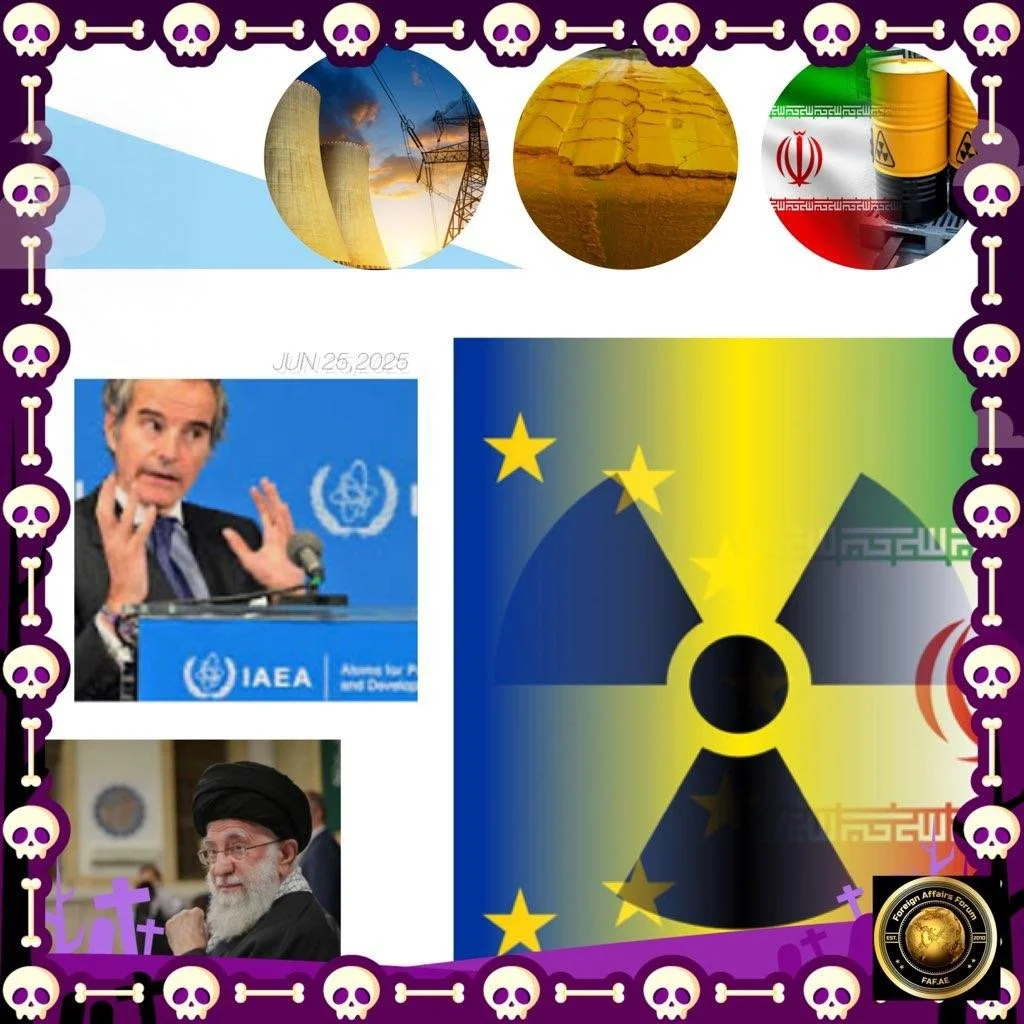
By mid-2025, Iran's accumulated stockpile of 60 percent enriched uranium had grown to approximately 400 kilograms. International experts calculated that Iran possessed sufficient 60 percent enriched uranium to manufacture eight nuclear warheads through the addition of further enrichment.
Moreover, and more alarming, technical assessments determined that Iran could produce the additional uranium enrichment necessary to produce 25 kilograms of weapons-grade uranium—sufficient for a single warhead—in as little as two to three days using its Fordow centrifuge facility. Producing enough for five warheads would require approximately one week, and sufficient for eight warheads could theoretically be achieved within two weeks.
Critically, Iran's enrichment capabilities had expanded substantially beyond the constrained levels specified in the JCPOA. Despite sanctions, Iran had expanded its centrifuge production capabilities and installed advanced centrifuge cascades at both Natanz and Fordow.
The IAEA documented sustained increases in enrichment capacity throughout 2023, 2024, and 2025. Iran had effectively reconstituted much of its pre-JCPOA enrichment infrastructure, and had substantially exceeded it through technological advancement.
Yet this quantitative transformation in weapons material availability masks an equally significant qualitative question: has Iran crossed the line from nuclear weapons capability to nuclear weapons possession?
International intelligence assessments remained consistent in their judgment that Iran had not yet undertaken weaponization activities in the narrow sense of warhead design, fabrication, or integration with delivery systems.
The United States intelligence community continued assessing that Iran was not currently undertaking nuclear weapons-related activities. However, this technical distinction between "capability" and "weaponization" offered Cold comfort in the face of Iran's demonstrated willingness to pursue enrichment goals regardless of international opposition.
The European Response and the Snapback Mechanism
Throughout 2023 and 2024, the European Union and particularly the E3 countries—France, Germany, and the United Kingdom—had maintained nominal adherence to the JCPOA framework, despite Iran's progressive violations.
Motivated by the belief that diplomatic channels remained preferable to military escalation, the E3 continued engaging with Iran, offering extensions and temporary relief measures despite Tehran's systematic breach of the agreement's core provisions.
However, Iran's expansion of 60 percent uranium enrichment production, coupled with its increasingly adversarial stance toward International Atomic Energy Agency inspectors, exhausted European patience. In August 2025, facing the imminent expiration of the snapback mechanism itself on October 18, 2025, the E3 countries made the fateful decision to activate the snapback provision of the JCPOA.
The snapback mechanism represented a unique diplomatic instrument embedded within Resolution 2231 of the United Nations Security Council. Unlike typical Security Council procedures, which permit any permanent member to exercise veto authority, the snapback mechanism was explicitly designed as a veto-proof procedure.
If a JCPOA participant determined that Iran had materially breached the agreement, that participant could invoke the mechanism, triggering a thirty-day period during which the Security Council could vote to maintain sanctions relief. If no such resolution passed—and given that permanent members China and Russia opposed reimposing sanctions—all previously lifted UN sanctions would automatically snap back into force.
On August 28, 2025, France, Germany, and the United Kingdom formally invoked this mechanism. The E3 statement emphasized that despite upholding their own commitments, Iran had "increasingly and deliberately ceased performing its JCPOA commitments," including accumulation of weapons-grade enriched uranium lacking any credible civilian justification.
The E3 offered a final ultimatum: Iran could accept a limited extension of the snapback process in exchange for returning to direct unconditional negotiations with the United States and accepting restrictions on its enriched uranium stockpile.
Iran responded with defiant rejection. Iranian officials declared that triggering sanctions was "completely illegal," insisting that the snapback mechanism itself lacked legitimacy following the American withdrawal. Iranian diplomats threatened that Iran would withdraw from the Non-Proliferation Treaty should sanctions be reimposed. Yet despite this rhetorical opposition, Iran possessed limited leverage.
The September 19, 2025 Security Council vote on maintaining sanctions relief failed, with only China and Russia supporting the Iranian position. By the terms of the JCPOA structure, the failure to affirmatively maintain sanctions relief meant those sanctions automatically reinstated.
The sequence of events proceeded with deliberate formality. The European Union reintroduced comprehensive financial and trade sanctions, including restrictions on oil exports, aviation, and banking. The United Kingdom designated 71 individuals and entities linked to Iran's nuclear program for asset freezes and travel restrictions.
The United States, by that time led by the newly inaugurated Trump administration, reinforced these measures with additional sanctions targeting Iran's ballistic missile and unmanned aerial vehicle programs. All of this occurred as Resolution 2231 itself expired on October 18, 2025, officially terminating the United Nations framework that had governed Iran's nuclear file for the previous decade.
The Cascade of Consequences
The snapback and termination of Resolution 2231 created a peculiar legal and political situation. Iran remained bound by its safeguards obligations under the Non-Proliferation Treaty, and the International Atomic Energy Agency retained inspection rights under those obligations and the Additional Protocol.
However, Iran had progressively restricted IAEA access, denying inspectors access to military sites relevant to its past military nuclear program and declining to provide explanations for uranium enrichment traces discovered at undeclared locations.
In November 2025, frustrated by Iranian obstruction, the IAEA Board of Governors adopted a resolution calling on Iran to provide full information regarding its uranium stockpile and nuclear facilities without further delay. In response, Iran formally withdrew from the Cairo agreement that governed aspects of IAEA monitoring, further reducing international transparency regarding Iranian nuclear activities.
Simultaneously, the regional strategic environment deteriorated. In June 2025, following escalatory exchanges between Israel and Iran, the United States conducted military strikes against Iranian nuclear facilities.
These operations, though reportedly limited in scope, represented the first direct American military action against Iranian nuclear infrastructure and underscored the growing military stakes surrounding Iran's nuclear advancement.
The military escalation disrupted the limited diplomatic channels that had remained open through the Biden administration's efforts to resuscitate the JCPOA framework.
When Trump returned to office in January 2026, the administration adopted a more assertive posture. Rather than attempting to restore the original JCPOA, Trump officials signaled that the United States would seek a more comprehensive agreement addressing not merely Iran's nuclear program but also its ballistic missile development and regional activities.
This demand for a fundamentally expanded agreement effectively precluded any rapid return to the original framework.
Structural Causes and the Fundamental Vulnerability
The JCPOA's collapse cannot be attributed primarily to technical inadequacies. The agreement's monitoring and verification mechanisms were genuinely robust. The IAEA's access was unprecedented.
The constraints on enrichment, centrifuges, and stockpiles were substantive and verifiable. Rather, the accord's vulnerability stemmed from structural political realities.
First, the agreement depended upon sustained American commitment across successive administrations. The architecture of the JCPOA vested the United States with disproportionate leverage through its sanctions authority. When a new American administration adopted a fundamentally different strategic assessment, the entire structure became vulnerable.
The Trump administration's withdrawal demonstrated that political changes within a single great power could unilaterally destabilize an agreement that had required extraordinary multilateral effort to construct.
Second, the agreement contained inherent sunset provisions that created perpetual uncertainty. Most restrictions expired after ten or fifteen years, after which Iran would be permitted to expand enrichment, operate advanced centrifuges, and accumulate larger stockpiles.
This temporary structure, though understandable as a negotiating compromise, meant that the agreement could never provide permanent assurance regarding Iran's nuclear status. An Iranian government, having demonstrated patience, could calculate that the costs of compliance diminished as the agreement approached its expiration dates.
Third, the agreement isolated the nuclear question from broader strategic concerns regarding Iran's regional military activities, ballistic missile development, and support for non-state actors.
This compartmentalization, while pragmatically necessary to achieve the nuclear agreement, left fundamental adversarial dimensions unaddressed. Critics of the agreement legitimately contended that constraining nuclear weapons development while Iran expanded conventional military capabilities and proxy networks addressed only one dimension of a multifaceted strategic challenge.
Toward an Uncertain Future
The current status of Iran's nuclear program presents a profoundly unsettled situation.
The International Atomic Energy Agency maintains theoretical safeguards authority, but Iran has substantially restricted its cooperation. Iran continues enriching uranium to 60 percent, accumulating a stockpile sufficient for multiple weapons if further enriched and weaponized.
The Trump administration has signaled that it seeks a more comprehensive agreement but has not articulated a detailed negotiating position.
Iran has adopted a posture of intransigence, combining formal statements that it harbors no intention to weaponize with actions that progressively accumulate weapons-grade material.
The fundamental question now concerns whether the international community possesses sufficient leverage to induce Iranian compliance with new constraints. Having experienced the economic burden of compliance during the JCPOA period only to face sanctions reimposition following American withdrawal, Iranian decision-makers reasonably calculate that future American administrations may similarly abandon agreements.
Moreover, Iran's relationship with Russia and China has deepened substantially, providing alternative sources of economic support and diplomatic backing that diminish the coercive power of Western sanctions.
The path toward new negotiation or resolution remains obscured. One possibility involves a JCPOA 2.0, a revised agreement incorporating provisions addressing ballistic missiles and regional activities that were absent from the original accord. Another scenario envisions continued escalation toward military confrontation.
A third possibility involves Iran crossing the threshold into active weaponization, either in response to perceived threats from Israel or the United States or as a deliberate decision to provide Iran with genuine deterrent capability.
Each pathway carries profound implications not merely for Iran's future but for regional stability and the integrity of the international non-proliferation regime.
Conclusion: Lessons from a Failure of Sustained Commitment
The JCPOA represents a paradox of contemporary international relations.
The agreement demonstrated that sustained multilateral diplomacy, combined with sophisticated technical expertise and genuine good-faith negotiation, could achieve constraints on weapons development that seemed impossible during periods of confrontation.
The accord achieved verification mechanisms that experts recognized as exemplary. It induced Iran to demonstrably reverse aspects of its nuclear program and accept unprecedented international monitoring.
Yet the agreement's collapse reveals the fragility of arms control arrangements in an era of political polarization and contested great power competition.
American withdrawal, motivated by a different geopolitical assessment, invalidated the fundamental assumptions underlying the entire structure. Iranian escalation followed logically from the collapse of incentives that compliance had previously provided.
European diplomacy, while persistent, lacked sufficient leverage to sustain the agreement against American withdrawal and Iranian defiance.
The bitter irony of the JCPOA's trajectory inheres in the precision with which it accomplished what was technically possible while proving incapable of addressing the political realities that sustained agreement required.
For those who invested hope in arms control as a mechanism for managing international tensions, the JCPOA's evolution from achievement to collapse offers a sobering historical lesson: technical design, however elegant, cannot substitute for the political commitment necessary for implementation across successive governments and shifting strategic circumstances.
As the international community contemplates Iran's advancing nuclear capabilities and the unsettled regional environment, the abortive JCPOA episode will likely reverberate through future negotiations, reminding all parties that agreements, no matter how meticulously crafted, remain ultimately dependent upon the sustained political will of their signatories.