Sanctioned equilibrium: how Iran learned to live with pressure - Part II
Review of Iran sanctions
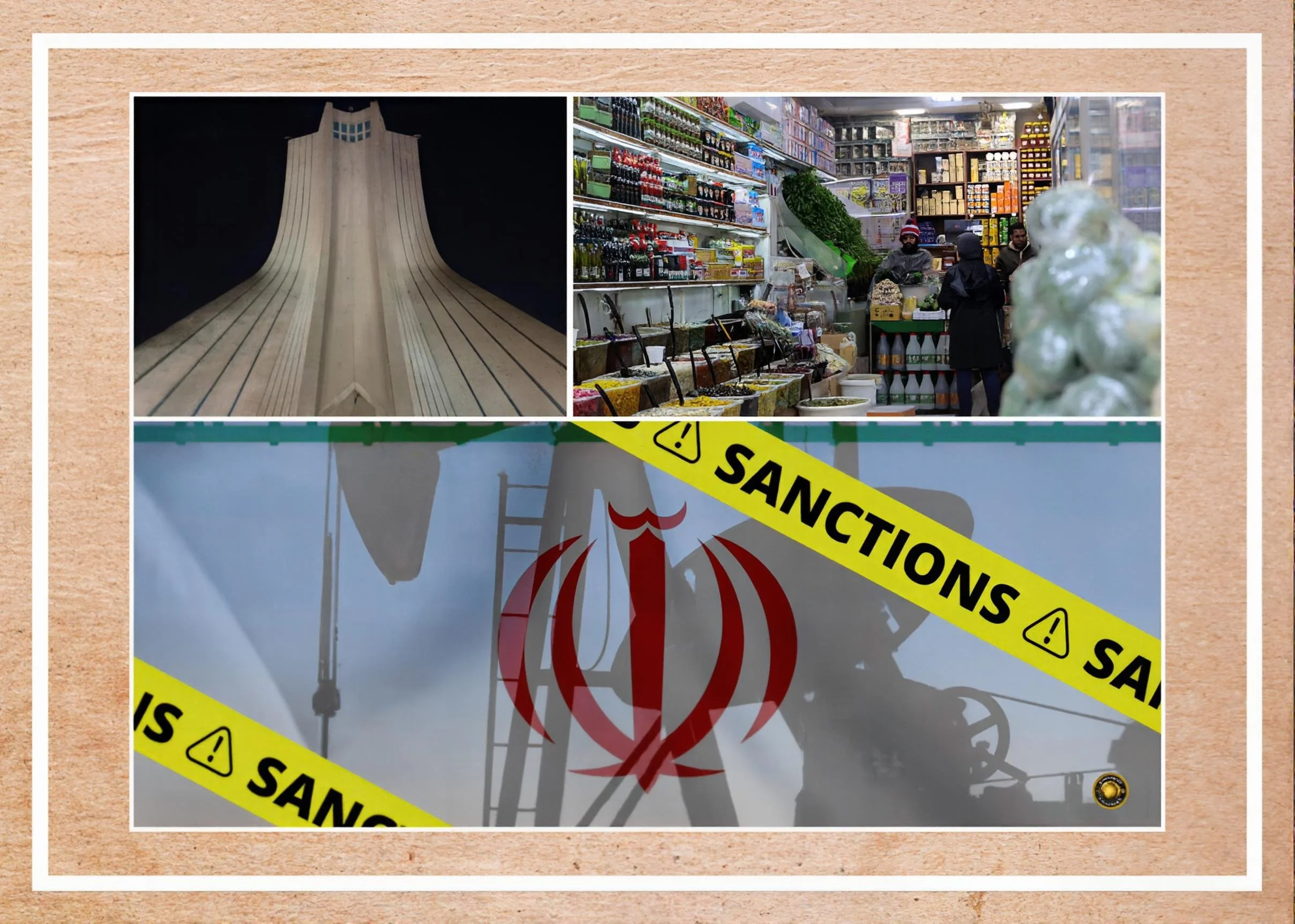
The contemporary Iranian sanctions regime has produced an uneasy equilibrium rather than a decisive outcome. Iran has not capitulated to maximalist demands to dismantle its nuclear infrastructure or retreat from its regional network of allies and proxies.
Nor has it managed to escape the grip of U.S. financial power or fully normalize relations with global markets. Instead, the country inhabits a liminal space: too sanctioned to flourish, too resilient to collapse, and too geopolitically significant to ignore.
This equilibrium rests on a paradoxical blend of vulnerability and adaptability. On the one hand, Iran’s macroeconomic indicators tell a story of structural strain.
Recurrent currency crises have eroded real incomes and decimated savings. High inflation has become a quasi‑permanent feature of economic life, undermining long‑term planning for households and firms.
Chronic under‑investment in energy infrastructure has limited Iran’s ability to fully exploit its hydrocarbon endowment, even when sanctions‑evasion channels are functioning. Youth unemployment and underemployment persist, fueling frustration among a highly educated population that perceives a widening gap between its aspirations and available opportunities.
On the other hand, Iran has avoided the kind of systemic collapse that advocates of maximum pressure once predicted. Several mechanisms underpin this resilience.
The state has cultivated a culture of economic improvisation, redirecting trade toward regional neighbors and Asian partners, expanding non‑oil exports where feasible, and promoting domestic substitution in certain industrial sectors. Informal cross‑border commerce with Iraq,
Afghanistan, the Caucasus, and the Gulf states has become a critical safety valve, albeit one that entrenches corruption and empowers security actors. Discounted oil exports to China and, to a lesser degree, other Asian buyers provide lifelines of foreign currency, even if revenues are significantly below their potential.
Institutionally, the sanctions era has strengthened actors best positioned to navigate and profit from constraints. The IRGC and associated conglomerates have leveraged their control over ports, logistics, and strategic sectors to dominate key value chains.
The shadow economy—encompassing smuggling networks, front companies, and opaque financial intermediaries—has swelled.
This architecture blurs the line between national security, rent‑seeking, and organized criminality, complicating any future attempt at liberalization. Sanctions, intended to discipline the state, have in practice reinforced its most opaque and coercive elements.
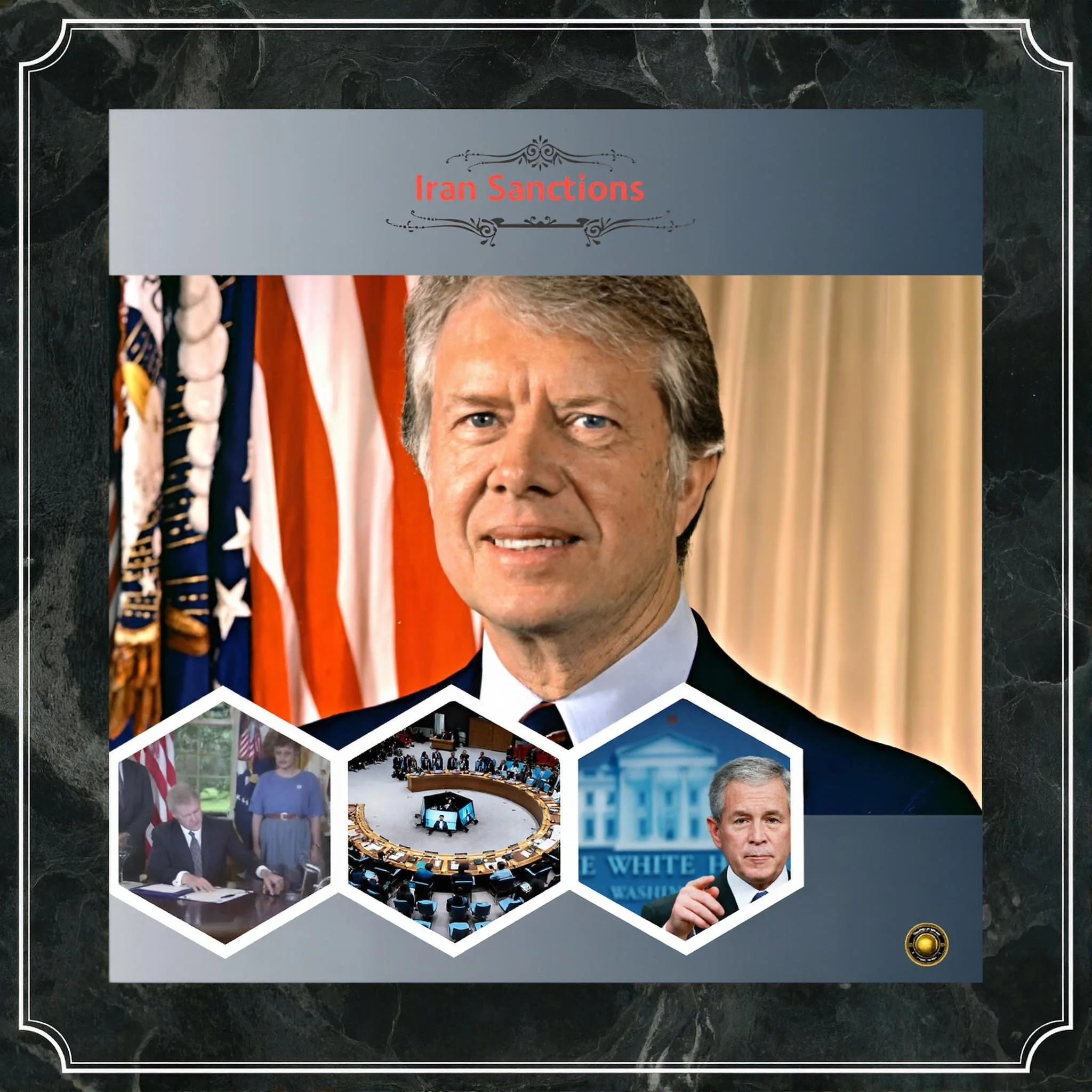
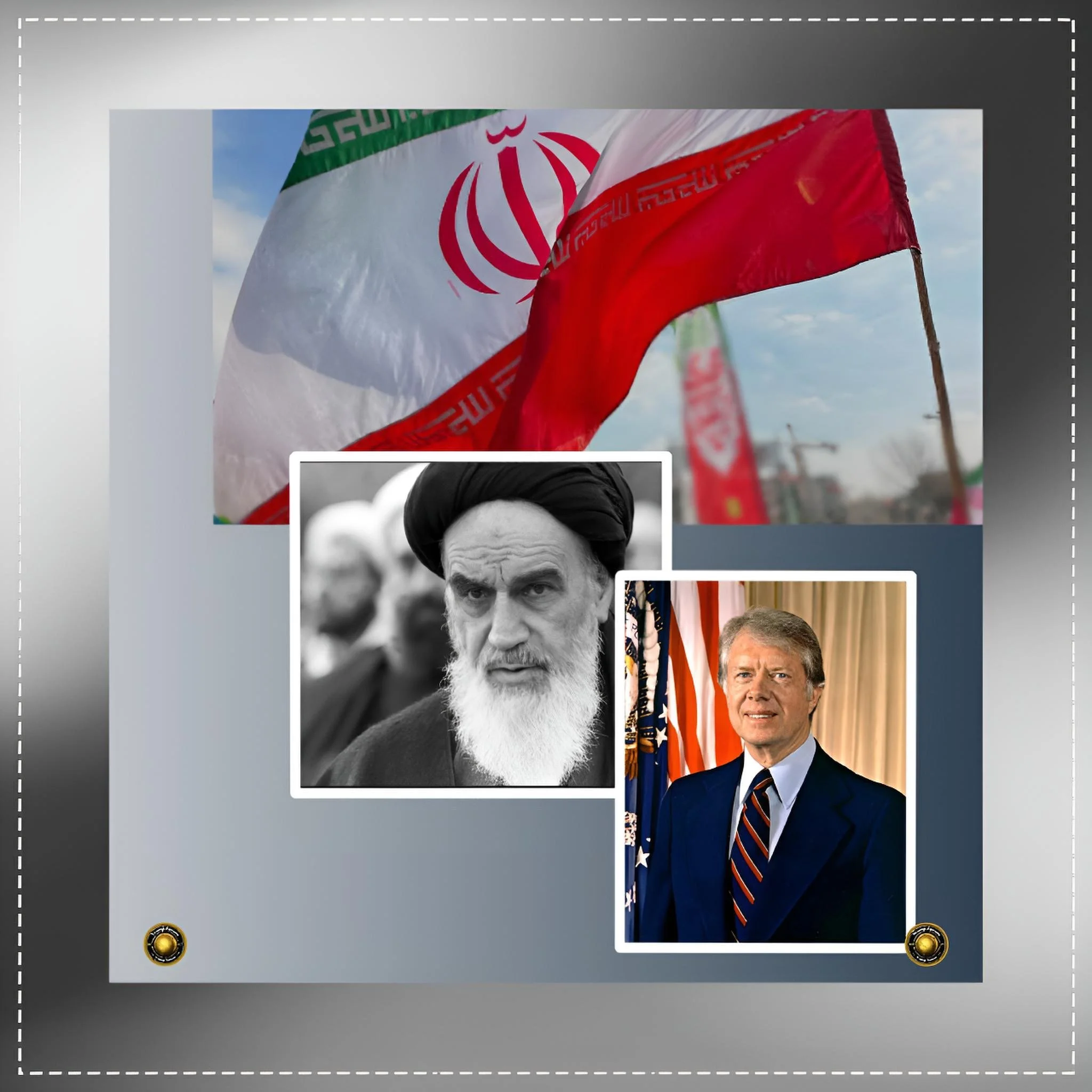
Politically, sanctions have interacted with Iran’s internal dynamics in complex ways. Reformist and centrist factions that once championed engagement with the West and market‑oriented reforms have been weakened by the failure of the JCPOA to deliver durable economic normalization.
Hardline narratives portraying the United States and its allies as implacably hostile find receptive audiences when unilateral withdrawals and snapback mechanisms are used as instruments of pressure.
This does not mean that the Iranian public uniformly embraces the regime’s posture; indeed, recurrent protests reveal deep disillusionment with both domestic governance and foreign policy. Yet sanctions provide the authorities with a ready‑made external scapegoat and a justification for securitized responses to dissent.
Internationally, Iran’s partial integration into emergent non‑Western blocs has further consolidated the sanctioned equilibrium. Watching Western leverage deployed repeatedly, Tehran has sought strategic depth through intensified ties with Moscow and Beijing and participation in forums that promise alternatives to dollar‑centric finance and Western‑dominated institutions.
These channels are incomplete and often transactional; they do not erase vulnerabilities created by sanctions. But they complicate the calculus for Washington and European capitals, for whom attempts to tighten enforcement now intersect with broader contests over global order.
For the architects of sanctions, this equilibrium poses a dilemma. Incremental tightening produces diminishing returns, as Iran’s evasion capabilities improve and sympathetic or opportunistic partners learn to absorb compliance risks.
Broad‑brush sanctions inflict wide‑ranging economic damage yet yield limited leverage over discrete policy issues, such as the level of uranium enrichment or the deployment of regional militias. Highly targeted sanctions, while more normatively attractive, can be labor‑intensive to design and enforce and may be more easily circumvented through networked substitutes.
For Iranian decision‑makers, the sanctions equilibrium is equally unsatisfactory. It preserves regime survival and a measure of strategic autonomy but at the price of chronic economic underperformance, technological lag, and international isolation.
The leadership must manage a restive society whose grievances are amplified by sanctions‑exacerbated hardship but are directed primarily at domestic corruption, repression, and mismanagement. The system’s legitimacy becomes increasingly reliant on coercion, nationalist rhetoric, and appeals to resistance, rather than on demonstrable improvements in living standards.
Breaking out of this equilibrium would require significant political will and strategic clarity on all sides. A comprehensive bargain linking phased sanctions relief to verifiable constraints on nuclear and regional behavior remains conceptually possible but politically arduous.
Domestic constituencies in the United States, Europe, and Iran have hardened since the early JCPOA years, and mutual trust has eroded. Alternative pathways—such as issue‑specific agreements on maritime security, prisoner exchanges, or de‑escalation in particular theaters—may offer more modest, incremental opportunities to chip away at the logic of permanent confrontation.
Absent such steps, the most likely outcome is a managed stalemate. Iran will continue to refine its ability to operate under sanctions, diversifying partners and deepening its gray‑zone economy.
The United States and its allies will maintain and periodically recalibrate sanctions, using them as instruments of signaling and containment rather than of transformative change.
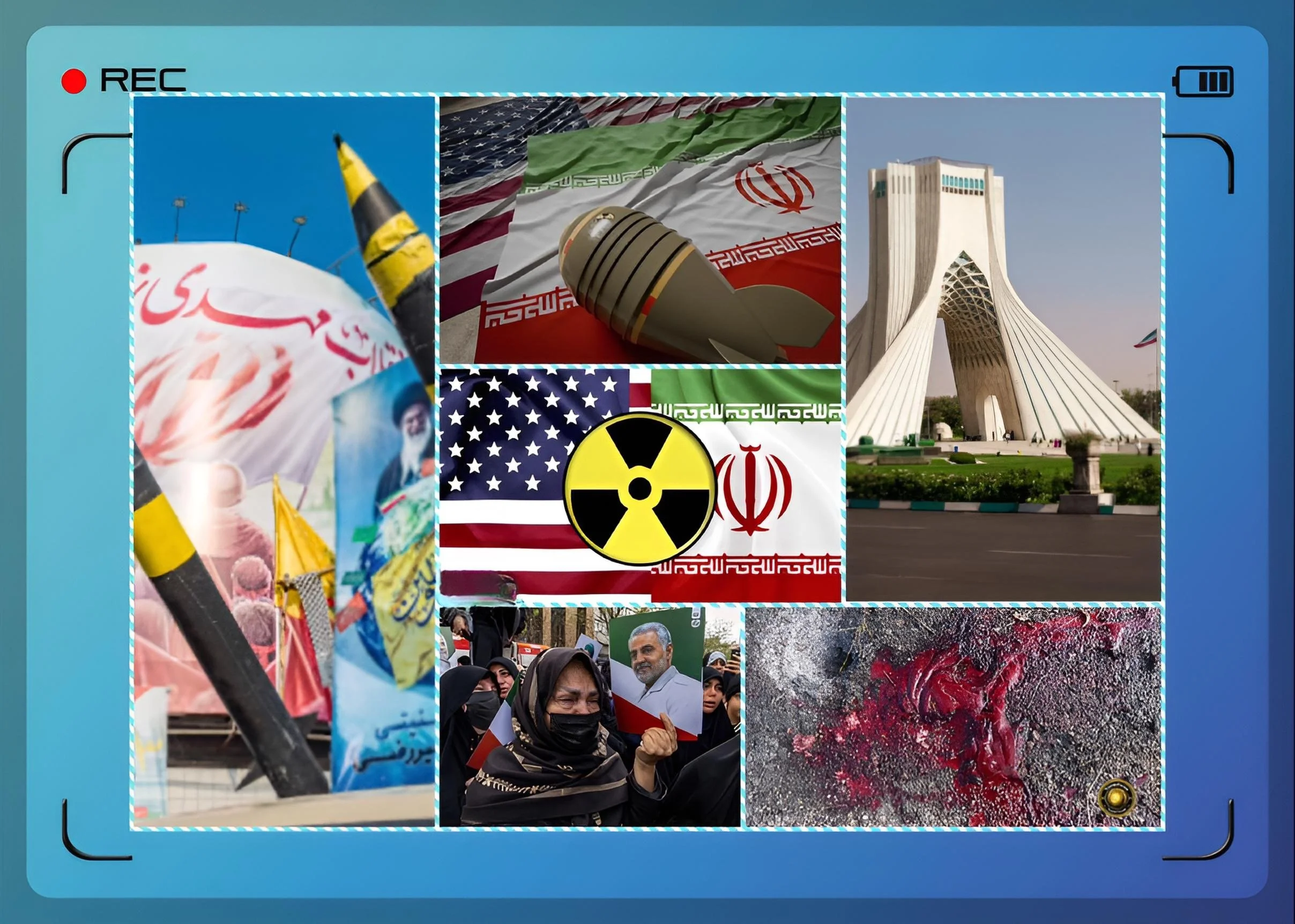
The risk is that this equilibrium proves brittle: a crisis over nuclear thresholds, an incident involving regional proxies, or an accident in congested maritime corridors could rapidly escalate into open conflict, detaching sanctions from their diplomatic moorings and returning them to their original role as preludes to war rather than substitutes for it.