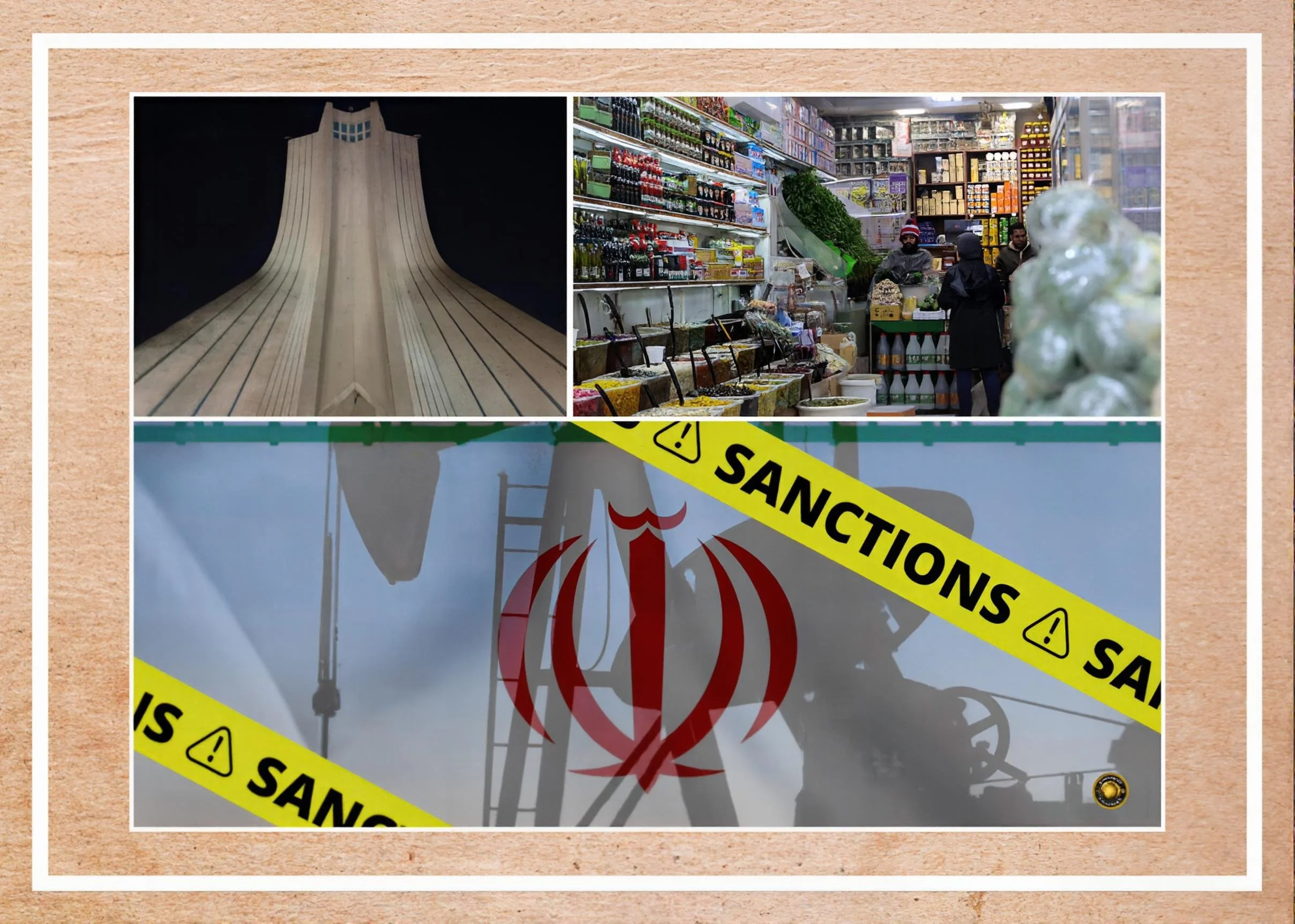
Siege without surrender: Iran’s strategic patience under sanctions - Part III
Short Summary
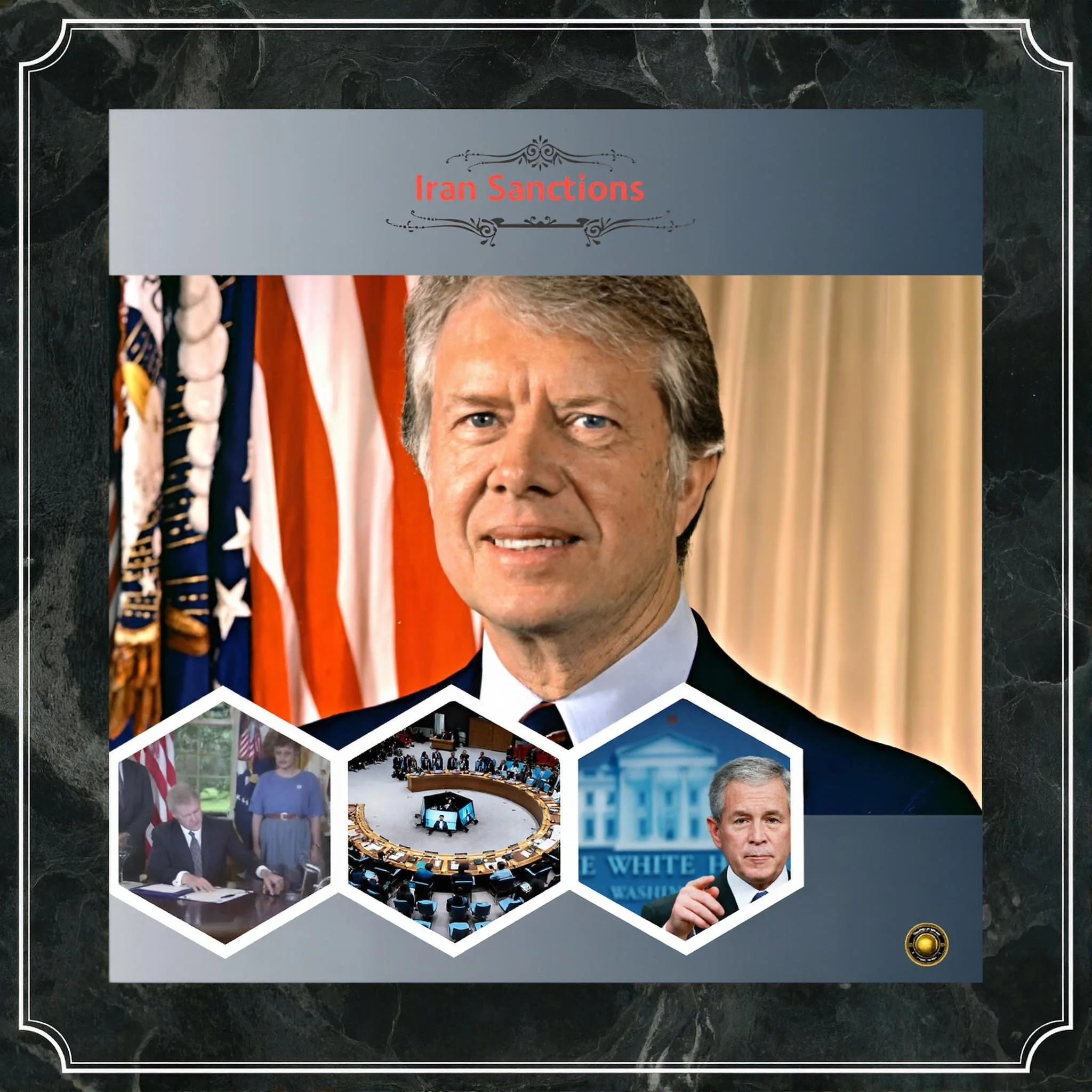
The architecture of sanctions imposed on Iran amounts to a slow‑motion siege: banks constrained, oil exports curtailed, technology transfers obstructed, and access to investment throttled. Yet despite this comprehensive pressure, Iran has neither collapsed nor capitulated to maximalist demands.
Instead, its leadership has adopted a strategy that might be called “strategic patience under duress,” absorbing economic pain while waiting for shifts in the international environment and exploiting fractures among its adversaries.
This strategy rests on three pillars.
The first is economic improvisation. Iran has reconfigured its trade patterns away from Western markets, deepening ties with regional neighbors and major Asian economies. Discounted oil shipments, routed through complex maritime and financial channels, keep a flow of hard currency alive.
Domestic industries are encouraged—sometimes coerced—to substitute for imports in sectors such as basic manufacturing, pharmaceuticals, and certain defense technologies. These moves cannot erase the productivity losses imposed by isolation, but they blunt its sharpest edges.
The second pillar is geopolitical diversification. Tehran treats sanctions not merely as economic constraints but as signals about the nature of global order. Reading them as evidence of Western hostility and unreliability, Iranian elites have sought closer alignment with powers that either oppose or seek to hedge against U.S. dominance.
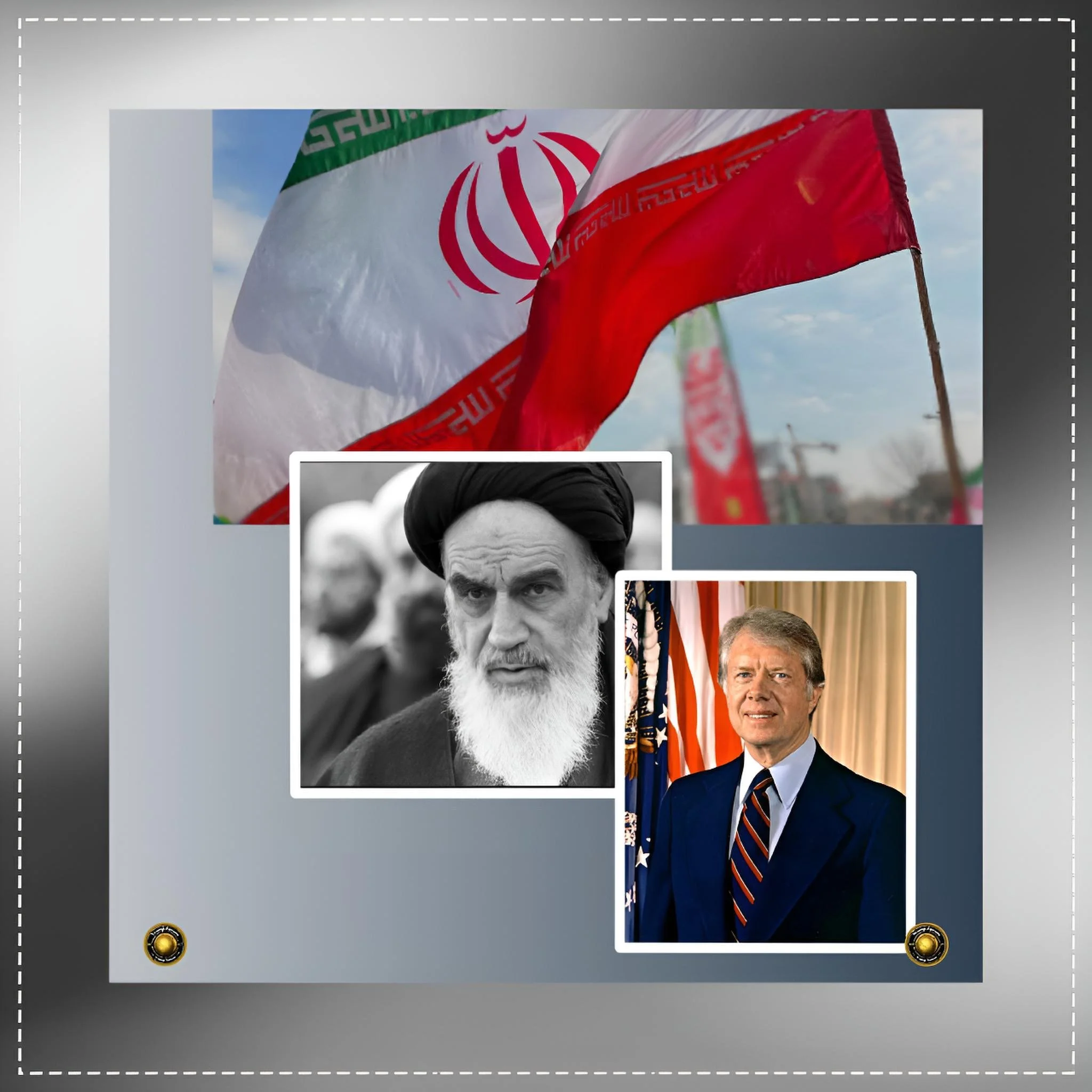
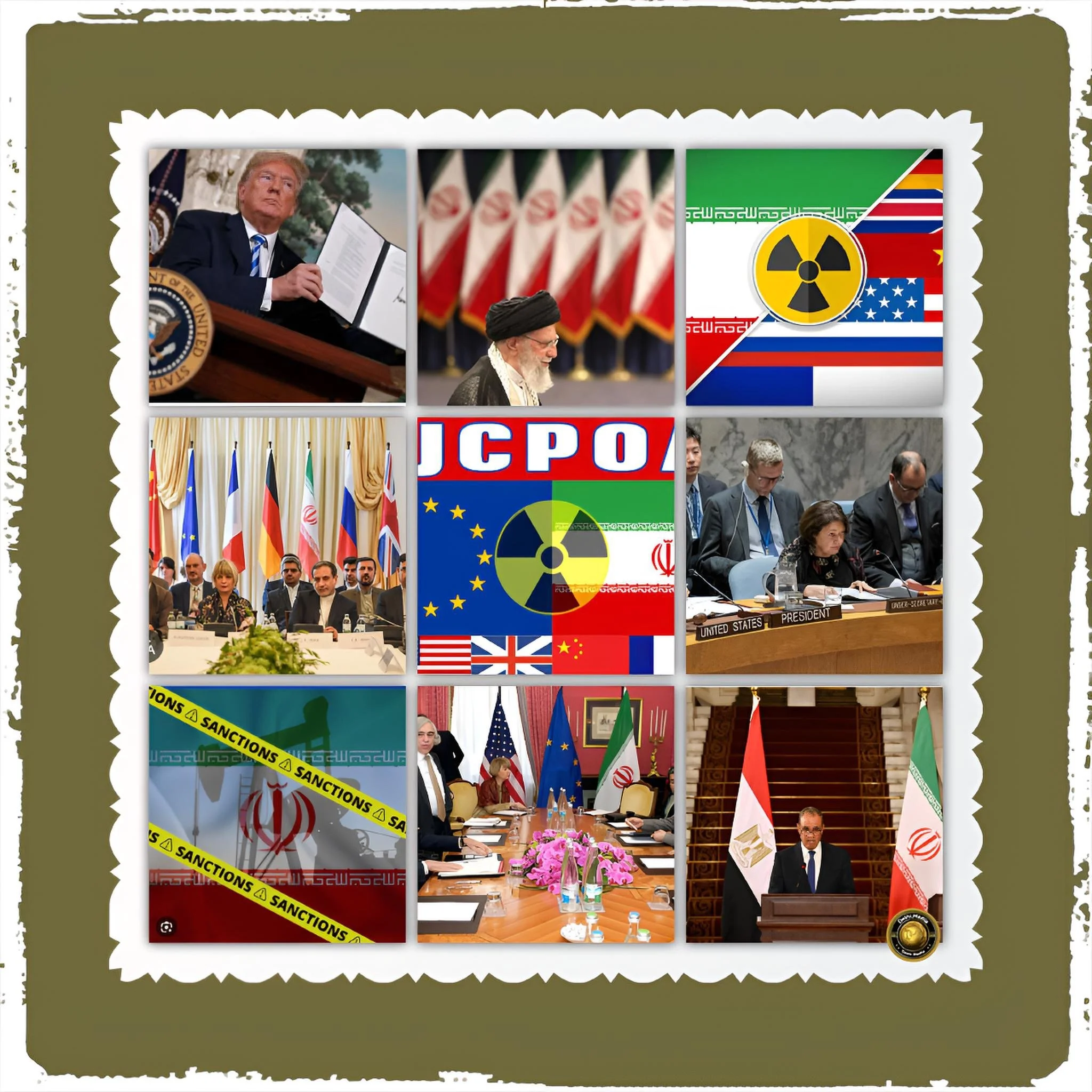
Long‑term cooperation agreements with China, expanding collaboration with Russia, and participation in multipolar forums all serve to anchor Iran in alternative networks. None of these relationships is without asymmetry or risk: dependence on a narrow set of buyers and backers exposes Iran to new forms of leverage. Yet from Tehran’s perspective, these ties are preferable to the unilateral vulnerability revealed by the JCPOA’s unraveling.
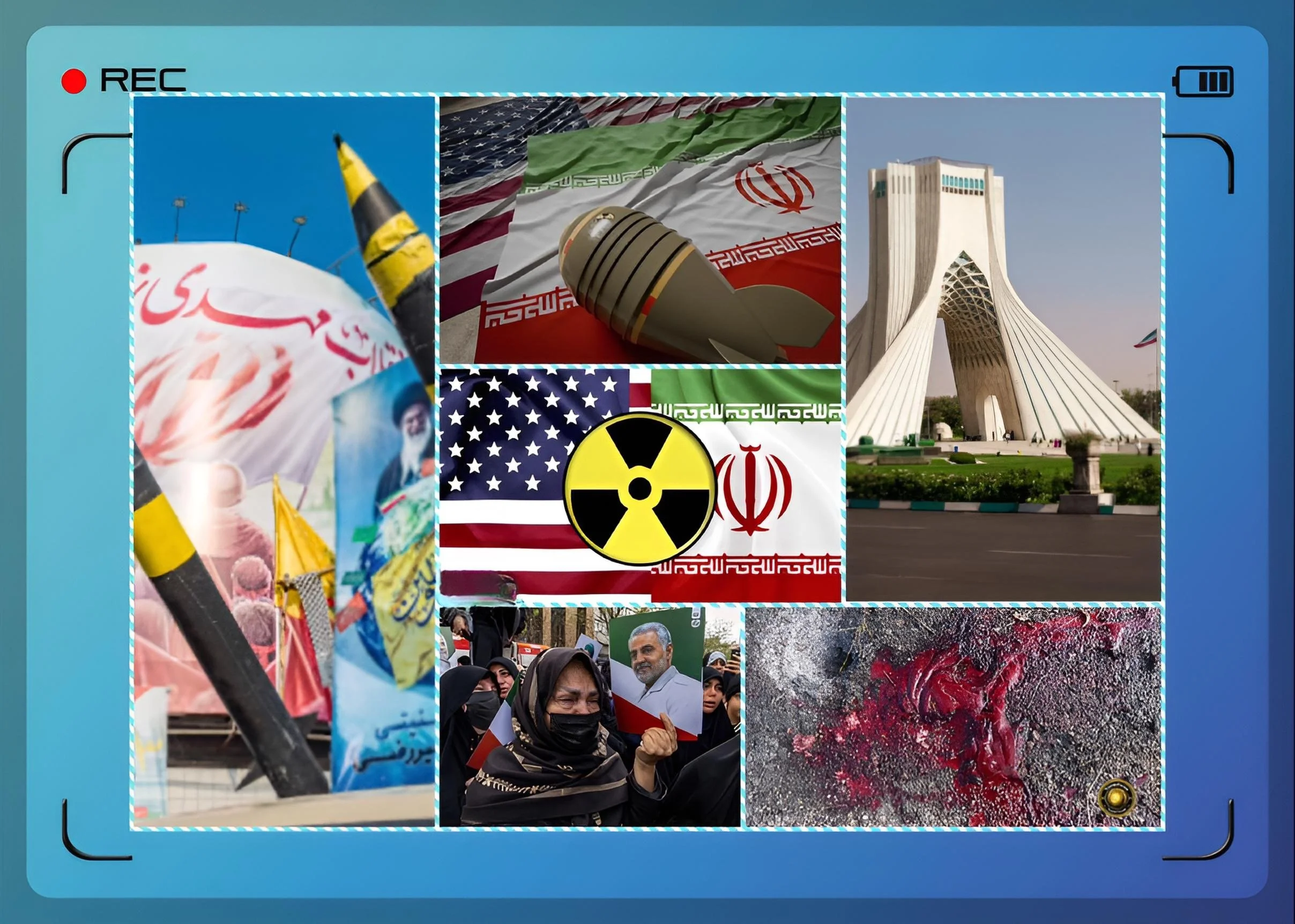
The third pillar is calibrated nuclear and regional escalation. Under pressure, Iran has not frozen its strategic programs; it has carefully advanced them. Incremental increases in uranium enrichment levels and stockpiles, the deployment of more advanced centrifuges, and the refinement of ballistic‑missile capabilities all enhance Iran’s bargaining position and complicate adversaries’ military planning.
Simultaneously, Iran’s network of non‑state partners across the region provides flexible instruments for signaling and retaliation, from missiles and drones to deniable attacks on energy infrastructure and maritime assets. These tools raise the costs of any attempt to translate economic pressure into direct coercion.
Strategic patience under sanctions is not cost‑free domestically.
Ordinary Iranians bear the brunt of inflation, unemployment, and decaying public services. The regime must continually manage the gap between its rhetoric of resistance and the lived reality of hardship.
Periodic waves of protest, triggered by economic grievances and amplified by anger over corruption and repression, reveal a society that is neither passive nor fully captured by official narratives. Yet the state’s repressive capacity, combined with the fragmentation of opposition and the absence of credible external guarantees, has thus far prevented systemic rupture.
For external powers, Iran’s strategy poses a stark question: how long can a siege be maintained without either breaking the target or forcing a serious reassessment of aims and methods?
As years turn into decades, sanctions risk becoming less an instrument of conditional pressure and more a structural feature of the international system—an indefinite penalty whose ability to shape outcomes erodes even as its humanitarian and geopolitical costs accumulate.
Unless translated into a coherent diplomatic strategy that offers realistic pathways to relief in exchange for verifiable change, the siege may persist, but surrender is unlikely to follow.