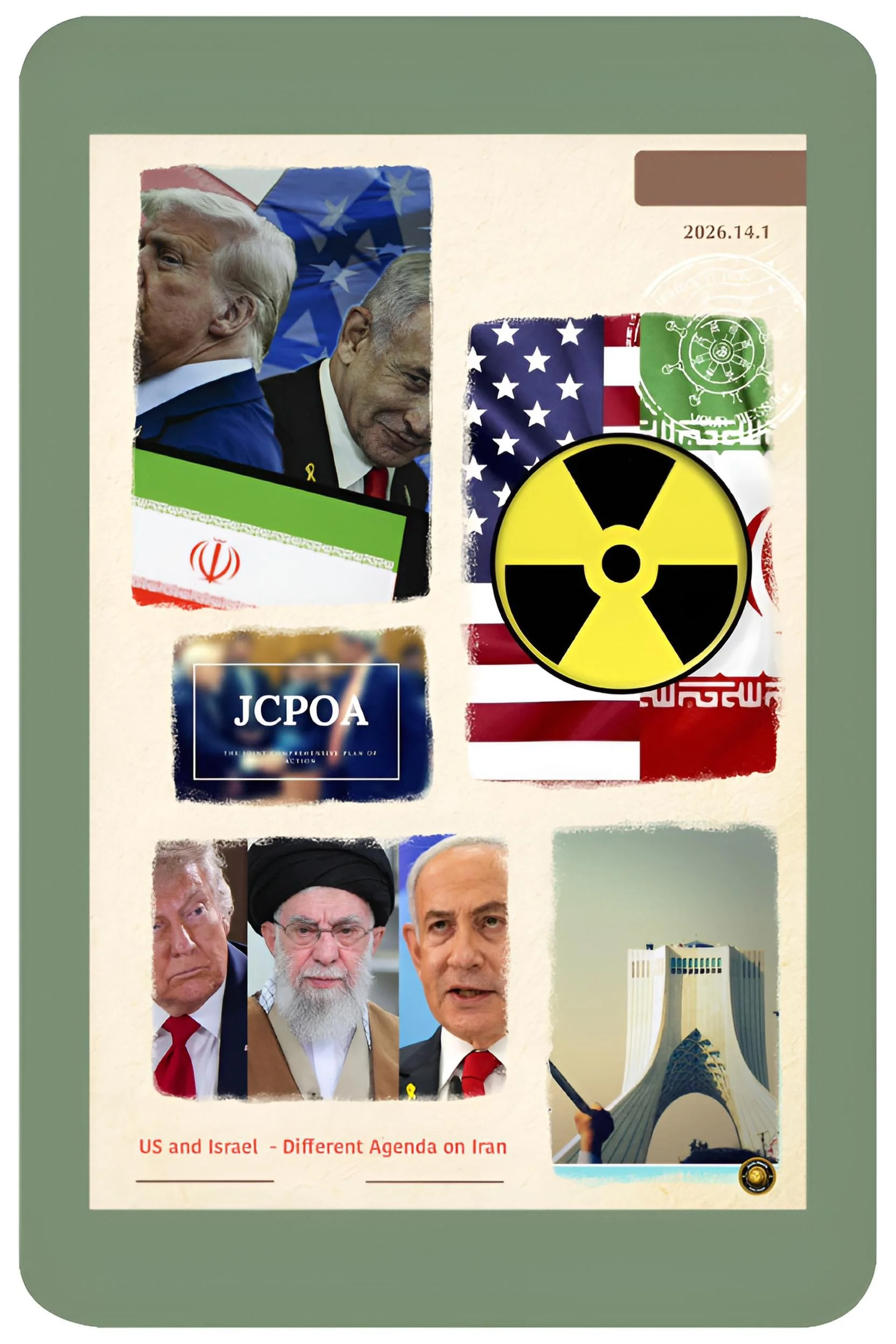
The Ambiguity of Power: Divergent US and Israeli Strategies Toward Iran in 2026
Executive Summary
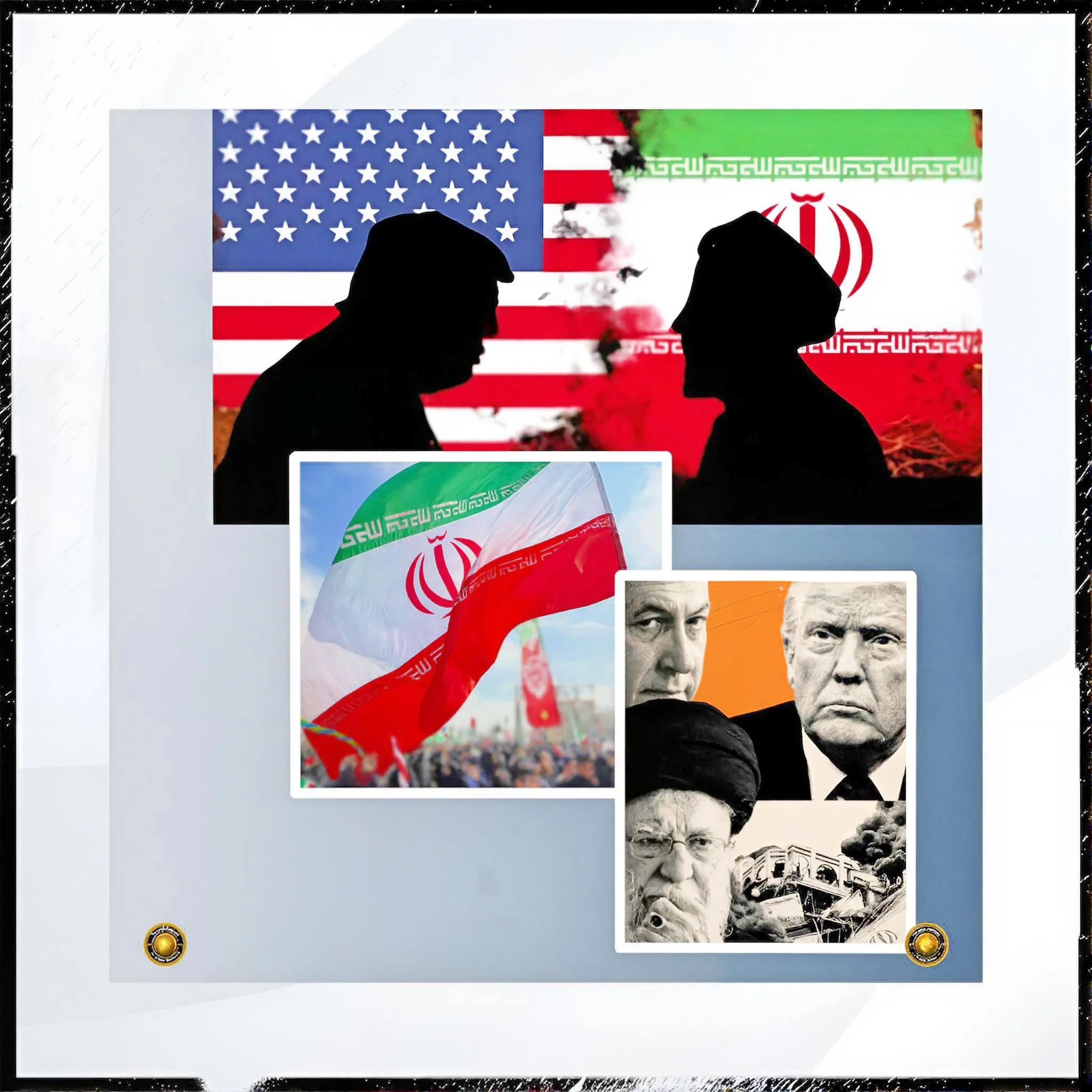
The relationship between the United States and Israel regarding Iran policy in January 2026 reveals a fundamental strategic paradox.
While Israel pursues a clearly defined objective to permanently eliminate Iran's nuclear weapons capability through sustained military enforcement and diplomatic insistence on intrusive verification mechanisms, the Trump administration's intentions toward Iran remain deliberately ambiguous, oscillating between diplomacy, military intervention, and support for regime-destabilizing internal movements.
This divergence stems from competing assessments of what constitutes optimal national security objectives: Israel prioritizes the removal of an existential nuclear threat, while the United States appears to pursue a broader portfolio of objectives including nuclear containment, behavioral modification, economic leverage through sanctions and tariffs, and potentially the encouragement of internal regime change.
The current convergence of Iranian weakness—characterized by economic collapse, massive domestic protests, damaged military capabilities, and a severely degraded proxy network—has created what both powers view as a historic window of opportunity, yet their divergent strategic preferences threaten to complicate future coordination and create unintended escalatory dynamics.
Navigating an Uncertain Moment: Introduction
In the opening weeks of January 2026, the Middle East stands at an inflection point where the balance of power has shifted fundamentally against Iran.
The Tehran regime faces unprecedented simultaneous pressures: a currency in free fall, inflation exceeding forty percent, its nuclear infrastructure damaged from June 2025 strikes, its primary regional allies severely weakened or neutralized, and millions of citizens demanding systemic change through sustained street protests.
Yet precisely at this moment of maximum Iranian vulnerability, the United States and Israel—ostensibly aligned against a common threat—articulate divergent strategic objectives that suggest cooperation may prove episodic rather than sustained, and that the architects of Iran policy in Washington and Jerusalem operate from incompatible strategic frameworks.
This critical juncture demands careful analysis of what the Trump administration and Israeli leadership actually seek from Iran. The conventional narrative presents aligned partners confronting a nuclear-armed regional adversary.
The reality is considerably more complex. The United States signals willingness to negotiate without preconditions while simultaneously threatening military strikes, imposing tariffs on Iran's trading partners, and mobilizing support for Iranian protesters in language reminiscent of regime change rhetoric.
Israel, by contrast, articulates a far narrower objective: the permanent elimination of Iran's capacity to develop nuclear weapons, maintained through continuous enforcement capabilities rather than trust in diplomatic agreements or multilateral oversight mechanisms.
Understanding these distinct preferences—and the geopolitical consequences of their divergence—constitutes the essential intellectual work for evaluating where Iran policy may lead and what risks accompany current trajectories.
The Long Shadow of Past Failure: Historical Context
The contemporary American approach to Iran cannot be understood without reference to the trajectory established over the past two decades.
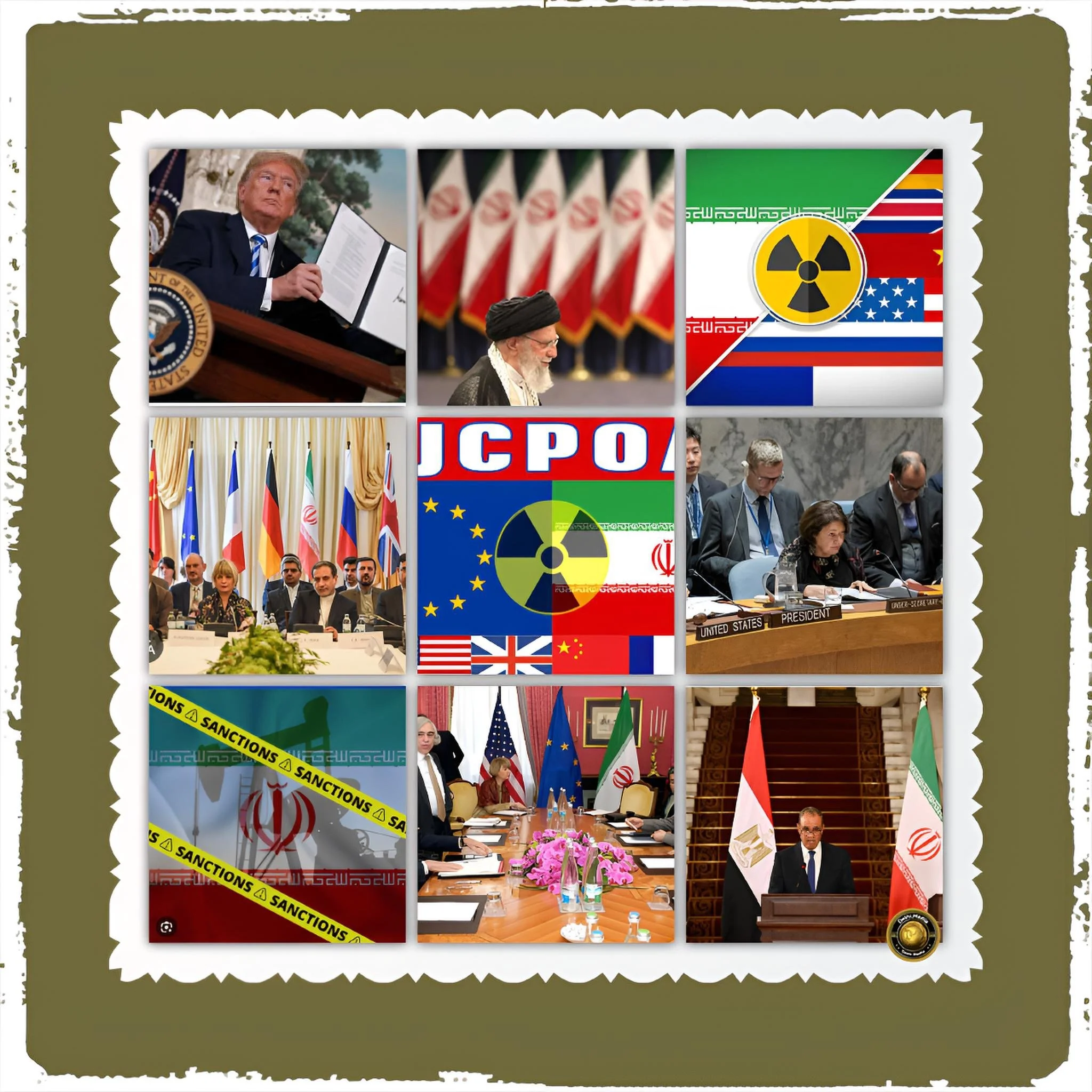
The 2015 Joint Comprehensive Plan of Action, negotiated under the Obama administration and signed by Iran, China, Russia, France, Germany, and the United Kingdom, represented a particular vision of non-proliferation strategy: the use of intrusive international monitoring, strict technical constraints on enrichment capability, and phased sanctions relief to create powerful incentives for Iranian compliance.
The agreement imposed significant restrictions on Iran's nuclear activities, limiting uranium enrichment to 3.67 percent purity, restricting the number of operating centrifuges, and requiring access to suspected military sites for international inspectors.
The technical achievement was substantial: the agreement extended the time required for Iranian uranium to reach weapons-grade levels—the so-called "breakout time"—to approximately one year, providing what American and allied intelligence agencies characterized as a sufficient window for international response should Iran move toward weaponization.
Yet the JCPOA became a lightning rod for American political controversy. Critics argued that the agreement failed to address Iran's ballistic missile programs, provided insufficient transparency regarding military-relevant research, allowed dangerous "sunset clauses" that would permit increased enrichment in future years, and fundamentally granted legitimacy to Iranian uranium enrichment activities within Iranian territory. When Donald Trump assumed the presidency in 2017, he withdrew from the agreement, characterizing it as "the worst deal ever made."
This decision proved consequential. Without the constraints of the JCPOA, Iran accelerated uranium enrichment throughout the subsequent Trump administration and into the Biden years, advancing technical capabilities and accumulating enriched uranium stockpiles that shortened the theoretical breakout timeline.
By June 2025, when Israeli aircraft struck Iranian nuclear facilities and the United States followed with attacks on three key enrichment and research sites, Iran had achieved levels of enrichment capability that alarmed American and Israeli strategists.
The June 2025 military operations inflicted substantial damage on Iran's nuclear infrastructure. However, they did not eliminate Iran's capacity to continue its nuclear program. Rather, the strikes accomplished a comprehensive setback of perhaps two to three years, damaging centrifuge cascades, destroying enrichment equipment, killing senior nuclear scientists, and degrading technical expertise. Yet this achievement proved impermanent.
By January 2026, intelligence assessments indicated that Iran had begun preliminary efforts toward reconstruction, suggesting that without sustained military pressure or a negotiated settlement acceptable to Tehran, Iran would continue advancing toward nuclear capability.
This history establishes the context within which contemporary Trump administration statements must be evaluated.
The administration inherits a situation where diplomatic mechanisms have failed, military strikes have inflicted temporary setback rather than permanent elimination, and the fundamental question of America's long-term Iran strategy remains unresolved.
Whether the Trump administration views Iran policy as a vehicle for broader Middle Eastern restructuring, nuclear containment, or regime transformation remains unclear from public statements, which reflect the influence of competing constituencies within the administration itself.
The Present Crisis and Its Architecture: Current Status
The opening days of 2026 saw the convergence of multiple destabilizing factors that created what observers universally characterize as an unprecedented challenge to the Iranian regime's legitimacy and control. Beginning in late December 2025, economic protests triggered by currency devaluation and inflation spread throughout urban centers, rapidly politicizing into demands for systemic change.
The Iranian government responded with its standard toolkit of repression: internet blackouts preventing coordination among protesters, mass arrests involving several thousand individuals, and violent suppression that resulted in the deaths of over five hundred persons by mid-January.
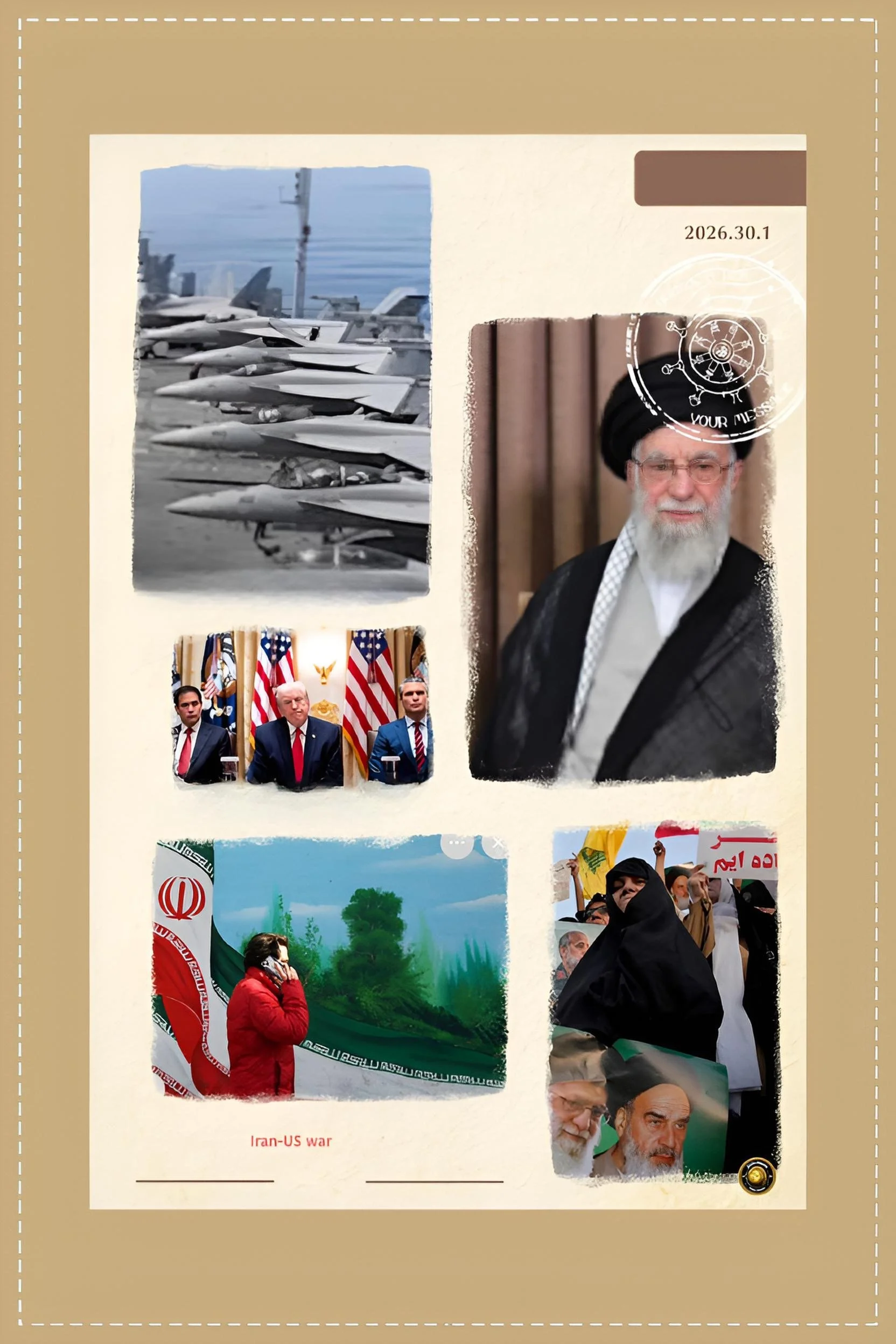
The Trump administration responded to these internal upheavals with rhetoric suggesting American support for the protesters themselves. The president announced that if the Iranian regime engaged in violent suppression of demonstrators, the United States would "come to their rescue" and provide unspecified "help" to Iranian patriots.
Simultaneously, Trump threatened direct military action against Iranian targets, warning that the United States was "locked and loaded" and prepared to act immediately if the crackdown intensified. The administration also announced that it would impose twenty-five percent tariffs on goods from any country maintaining commercial relationships with Iran—a threat directed particularly at China, India, Iraq, Turkey, and the United Arab Emirates, which collectively constitute the overwhelming majority of Iran's remaining trade relationships.
These signals created a multifaceted pressure campaign against Tehran. Economically, the tariff threats aimed to further isolate Iran and reduce the resources available to the regime for suppressing dissent or funding military activities.
Militarily, the warnings of imminent American intervention signaled that the Trump administration retained the capability and apparent willingness to conduct further strikes. Politically, the public expressions of solidarity with Iranian protesters suggested that Washington might be willing to support—overtly or covertly—efforts to destabilize the regime itself.
Yet almost as quickly as these aggressive signals emerged, the Trump administration introduced contradictory messages. Vice President JD Vance publicly advocated for diplomatic engagement with Iran, suggesting that genuine negotiations might achieve American objectives more effectively than military action.
The White House press secretary indicated that while military options remained "on the table," diplomacy represented "always the first option" for the administration. An Iranian contact with Steve Witkoff, Trump's special envoy to the Middle East, suggested that Tehran might be willing to negotiate, though neither side disclosed substantive details regarding potential negotiating positions or acceptable outcomes.
By January 14, 2026, diplomatic contact between senior American and Iranian officials appeared to have been suspended, with the American side attributing the breakdown to Iranian unwillingness to negotiate meaningfully on nuclear matters.
The Iranian government continued to declare that it would respond militarily to any American or Israeli strikes while simultaneously expressing openness to negotiation based on "fairness, equality, and mutual respect." This standoff—characterized by rhetorical escalation juxtaposed with hints of diplomatic possibility—reflects the genuine uncertainty about American strategic intentions that pervades the current moment.
The Divergence: Examining Objectives in Clarity and Ambiguity
The Israeli position regarding Iran stands in sharp contrast to the American ambiguity. Israeli strategic documents, statements from senior defense officials, and parliamentary positions articulate a consistent and clearly defined objective: the permanent elimination of Iran's capacity to develop nuclear weapons. This objective is presented not as negotiable or conditional upon other political outcomes, but as a fundamental requirement for Israeli national security.
According to the Israeli Institute for National Security Studies, "preventing Iran from obtaining nuclear weapons remains the central national security objective" of the state of Israel, and furthermore, "Israel cannot accept a nuclear-armed radical regime that seeks its destruction."
The Israeli approach to achieving this objective differs fundamentally from the traditional diplomatic focus on negotiated agreements and international verification regimes. Rather, Israeli strategy emphasizes what defense officials term an "enforcement strategy" or a "War Between the Wars" approach to Iran.
This doctrine envisions not a single military operation that permanently eliminates the threat, but rather a continuous campaign of targeted strikes, covert operations, cyberattacks, and assassinations designed to degrade Iran's capacity to reconstruct its nuclear infrastructure whenever Iran attempts to rebuild.
Israeli Defense Minister Israel Katz articulated this position explicitly: "Our challenge is clear: to ensure that Iran cannot regain its ability to threaten our citizens. We must develop an enforcement plan to prevent Iran from rebuilding the capabilities it had prior to the operation."
This enforcement-based strategy rests on several key assumptions.
First, Israeli analysts assess that Iran will not abandon its nuclear ambitions regardless of military setbacks or international pressure, particularly while the Islamic Republic's current leadership remains in power.
Second, Israel assumes that any negotiated agreement with Iran would ultimately prove inadequate in preventing nuclear development, whether through Iranian deception, deterioration of international will to enforce sanctions, or Iranian reinterpretation of negotiated terms.
Third, Israel concludes that maintaining independent military capabilities to strike Iranian targets represents a more reliable guarantee of security than reliance on international institutions or American strategic commitments.
Should Iran and the United States move toward negotiation, Israel has articulated specific requirements for any acceptable agreement. Israel insists upon a minimum breakout timeline of twelve months, requiring that Iran maintain a distance from nuclear weapons capability sufficient to allow for international response should Iran move toward weaponization.
The agreement must include "intrusive and rigorous monitoring," including Iran's reaffirmation of the Additional Protocol to the Nuclear Non-Proliferation Treaty, expansion of International Atomic Energy Agency authority, and resolution of outstanding ambiguities regarding suspected military aspects of Iran's nuclear program.
Critically, Israel reserves the right to conduct independent military operations against Iranian nuclear facilities if the agreement fails or Iran violates its terms, explicitly rejecting an approach that would place primary reliance on American enforcement of any negotiated constraints.
The American position, by contrast, remains multivalent and contested within the Trump administration itself.
Publicly articulated objectives include preventing Iran's acquisition of nuclear weapons, constraining Iran's ballistic missile development, reducing Iran's support for regional proxy forces, and—though less frequently stated—potentially facilitating regime change. However, the emphasis and hierarchy among these objectives remains unclear, and different administration officials emphasize different priorities.
President Trump himself has issued threats regarding nuclear development that parallel Israeli concerns, declaring that if Iran moves to "build up" its nuclear program, the United States would "very quickly eradicate that buildup." Yet Trump has also suggested a willingness to negotiate with Iran without preconditions, stating that "Iran is not the same country anymore" because of American pressure and that the United States is "ready to make a real deal."
These two positions—threat of immediate military response to nuclear development, coupled with openness to negotiations without preconditions—represent a strategic contradiction that can only be resolved through clarity regarding what the Trump administration would find acceptable in negotiated form.
The ambiguity appears to reflect internal divisions within the administration. Vice President Vance advocates for diplomatic engagement, arguing that "the smartest thing for them to have done is engage in a genuine negotiation with the United States regarding what we need to see concerning their nuclear program." Yet according to reporting from the Wall Street Journal, unnamed Pentagon and intelligence officials have indicated that Trump administration officials believe military action is the preferable course if diplomacy does not rapidly achieve results.
The administration appears to be attempting to maintain both military and diplomatic options open, signaling simultaneously that military strikes remain imminent while leaving space for diplomatic engagement should Iran demonstrate sufficient flexibility.
The American approach regarding regime change proves even more opaque. Official statements consistently distinguish between attempts to change the regime's behavior and efforts to accomplish regime change itself.
Ex Secretary of Defense James Mattis has explicitly denied that regime change constitutes American policy, characterizing American efforts as directed solely toward behavioral modification. Yet the rhetorical support for Iranian protesters, the suggestion of American "help" for opposition forces, and the broader context of American hostility toward the Iranian government create an ambiguous environment where implicit encouragement of regime change coexists with explicit denials of such a policy goal.
The Mechanisms of Pressure: Military, Economic, and Political
The current American pressure campaign against Iran operates through multiple channels, each designed to reinforce the others and maximize the psychological and material impact on the Iranian regime.
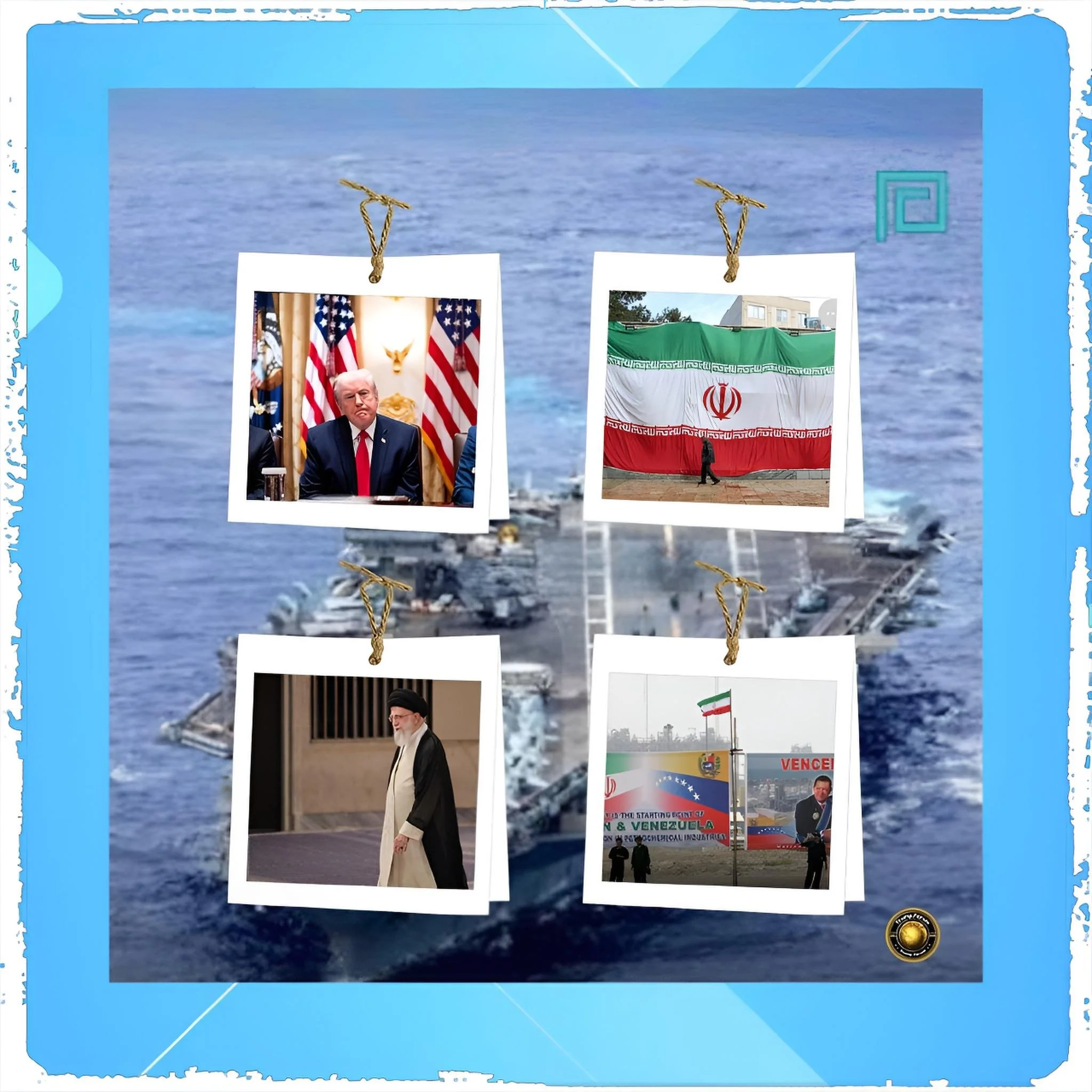
The military dimension includes not only threats of renewed strikes on Iranian nuclear facilities but also consideration of operations targeting the command and control systems responsible for suppressing internal dissent.
Pentagon briefing materials reportedly under review by the Trump administration include options for precision airstrikes against Basij militia bases—the paramilitaries principally responsible for the violent suppression of protesters—command centers associated with revolutionary guard operations, and energy infrastructure facilities deemed critical to regime stability.
The economic dimension represents an equally important component of pressure. The announced tariffs on any nation doing business with Iran aim to complete Iran's economic isolation by making the costs of trade with Iran prohibitively expensive for remaining partners.
China, which functions as Iran's largest trading partner and provides critical technology and industrial goods, would face twenty-five percent tariffs on all goods exported to the United States should it continue petroleum purchases and other transactions with Iran. India, which exports significant quantities of rice, fruits, vegetables, and pharmaceuticals to Iran while importing Iranian oil, would similarly incur substantial tariff penalties.
This economic weapon operates through escalation of costs: even if China and India continue trading with Iran, the tariff penalties would likely exceed any profit margins from such trade, creating irresistible pressure to curtail commercial relationships.
The political dimension employs rhetoric and implicit promises designed to support opposition forces within Iran.
The Trump administration's public expressions of solidarity with Iranian protesters, paired with warnings that "help is on the way," suggest potential for American covert support for opposition movements, provision of secure communications technology, or other forms of assistance that might facilitate organizational capacity within the opposition.
Intelligence agencies are already preparing comprehensive options for cyber operations designed to disrupt government control networks, with the implicit suggestion that such operations might accompany or substitute for military strikes if negotiations proceed unsuccessfully.
This multidimensional pressure campaign reflects an assessment that the Iranian regime currently faces unprecedented vulnerability. The currency collapse has reduced the government's purchasing power for essential imports, limiting its ability to acquire weapons, spare parts for military equipment, or consumer goods necessary to maintain popular support.
The massive protests, involving millions of citizens and resulting in over five hundred deaths, indicate that the government's legitimacy has eroded substantially.
The weakening of Iran's proxy network—Hezbollah degraded by Israeli operations in Lebanon and Syria, Hamas severely damaged in Gaza, the Houthis constrained in Yemen, Iraqi militias reduced in capacity—has stripped away Iran's primary deterrent against Israeli or American military action.
The Nuclear Question at the Center: Technical Reality and Strategic Implications
The technical specifications of Iran's current nuclear situation directly shape the strategic calculations of both Israel and the United States, though the two powers interpret these technical realities through divergent strategic frameworks.
Current assessments indicate that Iran has not decided to pursue nuclear weaponization, according to American intelligence agencies as of mid-2025. However, Iran has advanced significantly in the technical competencies required for weaponization, including uranium enrichment to levels approaching weapons-grade, development of weapons-relevant research capabilities, and construction of the industrial infrastructure required to support a sustained nuclear weapons program.
The question of breakout timeline—the time required for Iran to enrich sufficient uranium to weapons-grade levels and assemble nuclear weapons—has become the crucial metric for negotiation.
Under the original JCPOA terms, the agreement imposed constraints that extended the breakout timeline to approximately twelve months. However, should any new agreement attempt to reimpose JCPOA-style constraints on the contemporary Iranian nuclear program, the breakout timeline would be substantially shorter: between four and five months according to most expert assessments.
This shortened timeline reflects Iran's acquisition of additional advanced centrifuges during the years following Trump's 2018 withdrawal from the JCPOA, which have not been eliminated despite the June 2025 military strikes.
For Israel, this shortened timeline proves strategically unacceptable.
A four-to-five-month breakout timeline provides insufficient time for international response should Iran move toward weaponization. Israel's strategic doctrine requires a minimum twelve-month breakout timeline to allow adequate time for intelligence assessment, international deliberation, and military preparation.
This requirement implies that any negotiated agreement would need to impose constraints substantially more restrictive than those in the original JCPOA—for instance, by requiring destruction rather than mere storage of advanced centrifuges, or by restricting Iran's enrichment capacity to levels so low that breakout timelines would extend to two years or longer.
The United States has not publicly specified what breakout timeline it would deem acceptable in any new agreement.
The Trump administration's focus on "unconditional surrender" rhetoric suggests that American negotiators may seek similarly stringent constraints to those demanded by Israel, but the administration has not clarified whether it would accept an agreement establishing a twelve-month, ten-month, or six-month breakout timeline.
This ambiguity itself becomes a negotiating problem: Iran cannot assess what concessions would satisfy American demands when American demands remain publicly undefined.
Iran's current position, articulated by Supreme Leader Ali Khamenei and other senior officials, explicitly rejects American demands that Iran cease domestic uranium enrichment or eliminate its ballistic missile program. Iranian officials have indicated that any future agreement must preserve Iran's right to enrichment and that the ballistic missile program constitutes non-negotiable because it represents Iran's primary deterrent against military attack.
The Islamic Revolutionary Guard Corps, which maintains significant institutional interests in Iran's missile program, has made clear its opposition to any agreement that would constrain missile development.
This fundamental divergence between what Israel and the United States appear to demand and what Iran declares it will accept suggests that negotiation, should it occur, would begin from positions of substantial distance.
The Future Landscape: Trajectories and Risks
The trajectory of Iran policy over the coming months will likely depend on several contingent developments.
First, whether the current domestic protests in Iran continue to escalate or whether the regime successfully suppresses them through its standard mechanism of mass arrests, internet blackouts, and targeted violence represents a critical variable.
Should protests escalate and security forces defect or fracture in loyalty, the regime could face serious internal collapse—a scenario the Trump administration appears to hope for, based on its rhetoric about supporting "Iranian patriots."
Should the regime successfully suppress protests, perhaps by directing public attention outward toward external threats, the administration faces pressure to demonstrate through military action that it will follow through on its threats.
A second contingent variable involves Chinese and other trading partners' responses to Trump's tariff threats. If China and India curtail trade with Iran substantially in response to tariff penalties, Iran's economic position would deteriorate further, potentially creating desperation that could manifest in either increased aggression or accelerated willingness to negotiate.
Alternatively, should China view the tariff threats as unacceptable bullying and determine to maintain trade relationships with Iran regardless of tariff costs, the American economic pressure campaign would fail, and Trump would face a choice between accepting failure or escalating through military means.
A third contingent variable involves the orientation of the Trump administration's internal consensus as competing officials advocate for divergent policies. Should Vance and diplomatic advocates gain ascendancy, the administration might move toward serious negotiation with Iran, accepting a less restrictive agreement than Israel would prefer. Should national security hawks gain control, the administration might move more decisively toward military action.
Trump's own inclinations remain the ultimate determinant, and they appear to encompass both diplomacy and military action simultaneously, suggesting that events themselves may determine which direction receives priority.
Synthesis and Conclusion: The Unresolved Paradox
The fundamental paradox that characterizes contemporary Iran policy is that the United States and Israel, despite their alliance and shared concerns regarding Iranian nuclear development, operate from incompatible strategic frameworks that may produce divergent actions at the critical moment.
Israel's emphasis on sustained enforcement and retained military capability reflects assessment that diplomacy is inherently unreliable and that Iranian compliance must be enforced through credible military threats rather than achieved through negotiated agreement.
The Trump administration's signals suggest willingness to negotiate while simultaneously maintaining military pressure, implying that American policymakers have not reached definitive conclusions regarding whether diplomacy or military action will prove the superior path to securing American interests.
This divergence becomes consequential should Iran move toward negotiation. An agreement that satisfies American demands regarding nuclear constraints but fails to meet Israeli requirements for breakout timeline, verification rigor, or retained enforcement capability would create strategic discord between the allies.
Alternatively, should military action prove necessary, Israeli and American forces might employ different operational concepts, target sets, and assessment criteria regarding what constitutes sufficient degradation of Iranian capabilities, potentially creating coordination problems in real-time.
The broader regional and international consequences of American and Israeli policies toward Iran remain uncertain but consequential. Should military action escalate, it could trigger broader regional conflict, disruption of global energy markets through Strait of Hormuz closure, terrorist attacks against American and Western targets, and geopolitical reorientation of nations toward Chinese or Russian alignment.
Alternatively, negotiated agreement that both constrains Iranian nuclear development and reduces tensions could enable stabilization of the broader Middle East and reopening of economic relationships that could benefit Iran, the region, and global commerce.
What remains clear is that January 2026 represents an inflection point in American and Israeli policy toward Iran, wherein the unprecedented convergence of Iranian weakness creates both opportunity and risk.
How the Trump administration and Israeli leadership navigate the ambiguities, leverage the opportunities, and manage the risks will determine whether the current moment produces lasting strategic gains or generates new vulnerabilities and conflicts that extend far beyond Iran itself.