Nuclear Deterrence and the Architecture of Enforcement: How Israel and America Differ on Securing Iranian Compliance
Summary
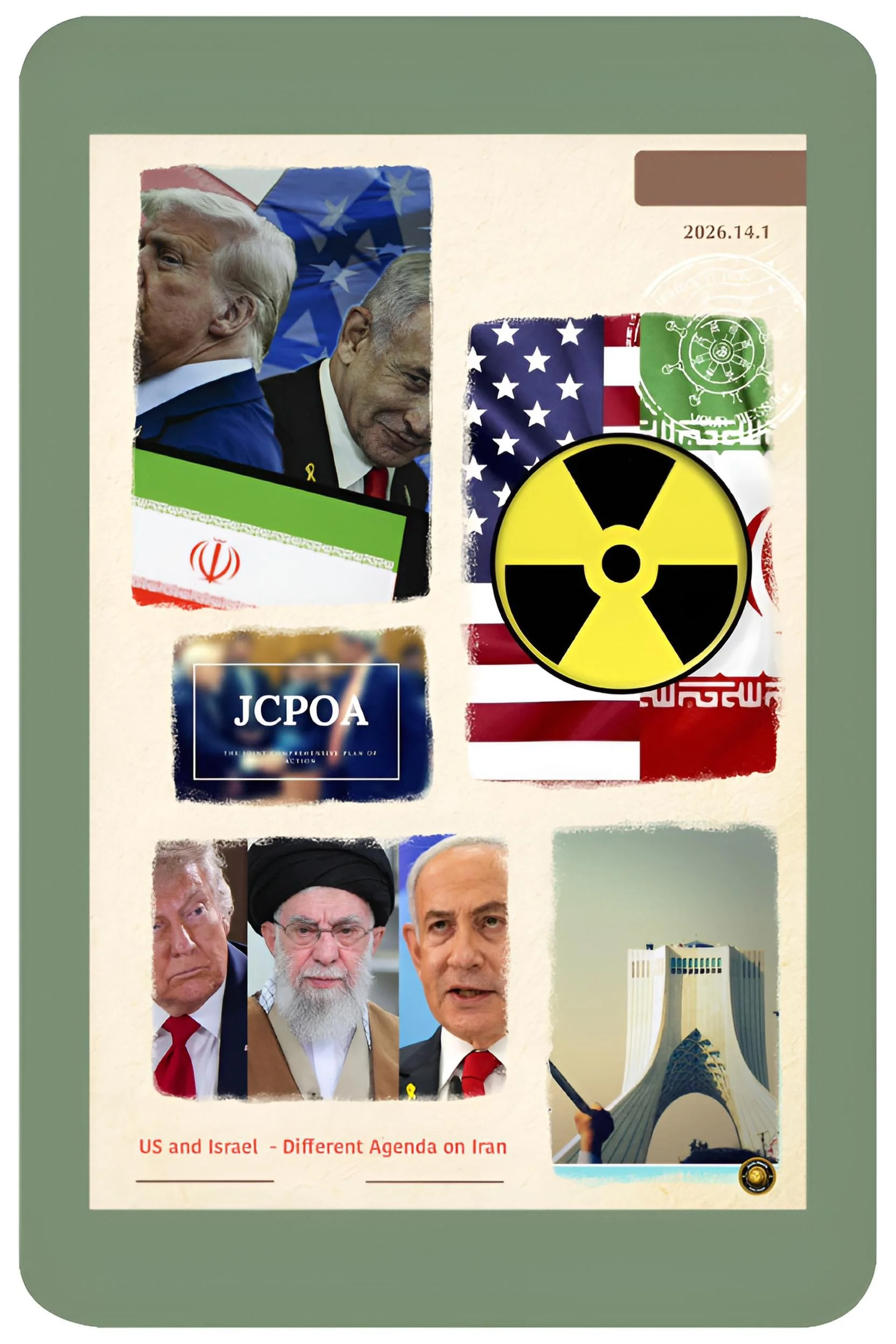
The strategic calculus that underlies contemporary discussions between Washington and Jerusalem regarding Iran policy reveals a fundamental distinction in how the two allies conceptualize the relationship between military capability, diplomatic agreement, and long-term security assurance.
This distinction, which has crystallized particularly sharply in the context of post-June 2025 assessments of Iran's nuclear trajectory, reflects divergent historical experiences, geographical vulnerabilities, and institutional interests that shape how each power evaluates the effectiveness and reliability of different mechanisms for preventing Iranian nuclear weapons development.
Israeli strategic doctrine, as articulated by defense officials and institutionalized in policy documents, places primary emphasis on what might be characterized as "enforcement capacity"—the ability to conduct sustained military operations against Iranian nuclear infrastructure independent of American participation or international consensus.
This preference for enforcement-based deterrence rather than agreement-dependent security reflects Israel's historical experience with the inadequacy of international mechanisms for preventing existential threats to the Jewish state.
From the perspective of Israeli strategists, the International Atomic Energy Agency's inspection protocols, negotiated constraints on uranium enrichment, and multilateral agreements have repeatedly demonstrated their insufficiency: Iran advanced its enrichment capabilities during the JCPOA era through what Israeli analysts characterize as deception regarding military-relevant research, maintained undeclared enrichment facilities, and accelerated weapons-related research in aspects technically outside the agreement's purview.
This accumulated skepticism toward diplomatic mechanisms translates into a strategic preference for what Israeli Defense Minister Israel Katz termed a comprehensive "enforcement plan" designed to ensure that Iran cannot reconstitute its nuclear program regardless of diplomatic developments.
The doctrine involves continuous surveillance of Iranian enrichment facilities, covert operations to destroy specialized equipment and assassinate key scientists, cyberattacks designed to degrade operational capabilities of nuclear installations, and preserved capacity for large-scale military strikes whenever Iran demonstrates significant progress in reconstruction efforts.
This approach, sometimes described as "mowing the grass," acknowledges that military action provides temporal rather than permanent solution—each Israeli operation sets back Iranian progress for years rather than decades—but contends that sustained enforcement represents a more reliable guarantee of security than any conceivable diplomatic agreement.
The American approach, particularly as it has evolved under the Trump administration, incorporates elements of Israeli enforcement-based thinking while also maintaining openness to negotiated alternatives that would transfer primary monitoring responsibility to international institutions and inspector-on-the-ground verification mechanisms.
The administration's threats regarding military strikes on Iranian nuclear facilities if Iran moves to "rebuild" its program parallel Israeli public messaging about unacceptable redlines. Yet the Trump administration has simultaneously signaled willingness to negotiate with Iran without preconditions, suggesting that an agreement establishing verifiable constraints on enrichment could substitute for continuous military pressure.
This divergence in preferred mechanisms for security assurance becomes consequential when considering specific negotiating positions. Should the United States and Iran move toward renewed negotiation, Israel will likely insist that any agreement includes provisions preserving Israeli capacity for independent military action against Iranian targets.
An American negotiating team might be inclined to include provisions barring unilateral military action against Iran by agreement signatories, seeking to achieve through diplomatic commitment what the United States would prefer not to enforce through military means.
Iran's negotiating position would almost certainly include American commitments to lift or reduce sanctions and to refrain from military strikes, provisions that Israel would view as creating dangerous dependencies on American political will and international consensus.
The technical specifications of any potential agreement illustrate these divergences concretely.
Israel has articulated that a minimum twelve-month nuclear breakout timeline—the time required for Iran to enrich sufficient weapons-grade uranium—represents the floor of acceptability. This requirement reflects Israeli assessment that a twelve-month window provides sufficient time for intelligence detection of Iranian weaponization efforts, international consultations, and military preparation for strikes.
A shorter timeline—say, the six-to-eight-month breakout period that might result from reimposing JCPOA-style constraints on Iran's current, more advanced centrifuge infrastructure—would be strategically unacceptable from the Israeli perspective because it would compress the response window to a timeframe within which international consensus and American decision-making processes might prove insufficiently rapid.
The Trump administration has not publicly specified what breakout timeline it would deem acceptable, creating ambiguity that reflects either genuine internal disagreement within the administration or deliberate ambiguity designed to maintain maximum negotiating flexibility.
This unstated American position creates a problem for potential negotiations: Iran cannot determine what concessions would prove sufficient to satisfy American demands when those demands remain undefined, and American negotiators cannot assess Iranian flexibility toward acceptable solutions without clarifying their own requirements.
Israel's emphasis on enforcement capacity rather than agreement-dependent security also reflects assessment of Iranian incentive structures and regime psychology. Israeli analysts argue persuasively that Iran will not voluntarily abandon its nuclear weapons program regardless of costs imposed through sanctions, military strikes, or economic pressure, because the regime views nuclear weapons as central to regime survival and assertion of regional power.
From this perspective, any agreement that relies on Iranian voluntary compliance or that assumes Iranian preference for economic benefits over nuclear development reflects naïve misunderstanding of Iranian decision-making processes. Rather, effective policy must assume that Iran will attempt to advance toward nuclear weapons whenever the cost-benefit calculus shifts in that direction, and therefore American and Israeli policy must maintain continuous capacity to prevent such advancement through military means.
The degradation of Iran's proxy network—particularly the severe weakening of Hezbollah and Hamas, Iran's two most capable regional assets—has reinforced this Israeli emphasis on sustained military enforcement.
Israel's systematic destruction of Hezbollah's capabilities in Lebanon and Syria, conducted across the latter months of 2024 and early 2025, demonstrated that regional military balance could be fundamentally altered through sustained operations.
From the Israeli perspective, this precedent suggests that similarly sustained operations against Iran's nuclear infrastructure could achieve security objectives that neither negotiation nor international oversight mechanisms could reliably provide.
The American position incorporates recognition of these Israeli concerns while attempting to maintain a broader diplomatic aperture. The Trump administration has stated that if Iran moves to rebuild its nuclear program, the United States will conduct immediate military strikes to prevent such reconstruction.
This threat parallels Israeli doctrine and suggests American willingness to conduct enforcement-based operations against Iranian targets should diplomacy fail. Yet the administration's simultaneous maintenance of diplomatic channels and expressions of openness to negotiation suggest that American policymakers have not yet determined that enforcement-based approaches should become the permanent foundation of American strategy.
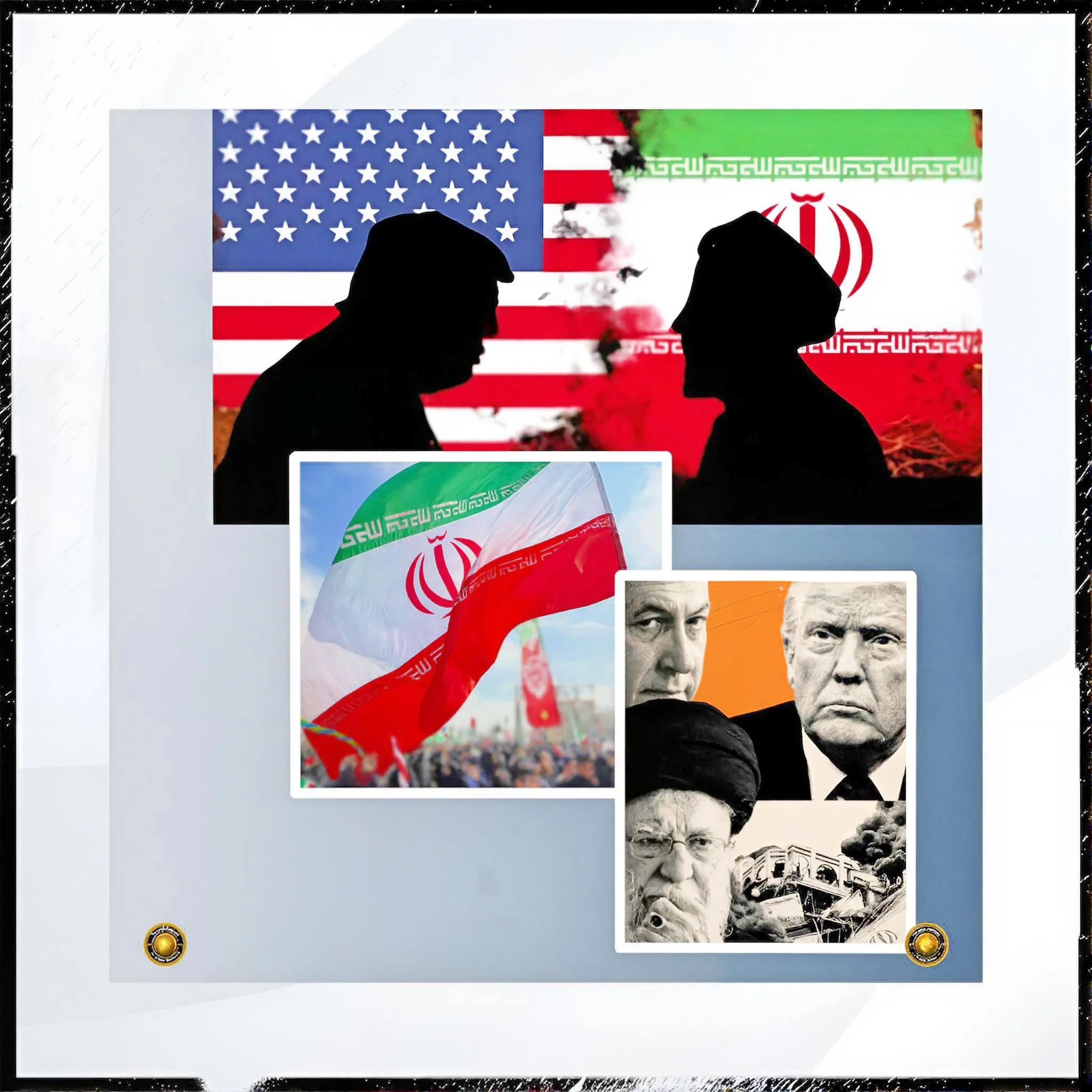
This unresolved tension between enforcement-based and agreement-based security approaches will likely intensify should negotiations commence. Iranian negotiators will almost certainly demand American commitments to refrain from military action in exchange for verifiable nuclear constraints. American negotiators will face pressure from Israel to preserve military options in any agreement.
The resulting diplomatic dynamic could produce agreements that satisfy neither party: overly restrictive from Iran's perspective, potentially generating Iranian withdrawal and resumed weapons development; insufficiently restrictive from Israel's perspective, lacking the enforcement mechanisms and retained military options that Israeli strategists deem essential.
The broader implication is that American and Israeli security approaches toward Iran, while aligned in opposition to Iranian nuclear weapons development, remain fundamentally different in their mechanisms, assumptions, and preferred instruments for achieving security assurance.
This difference, while manageable during periods of tacit coordination around military operations, could become consequential should the two powers need to coordinate complex negotiating positions or determine different strategic courses of action should diplomacy succeed or fail.