Europe Alone: The Year the American Shield Vanishes - Part III
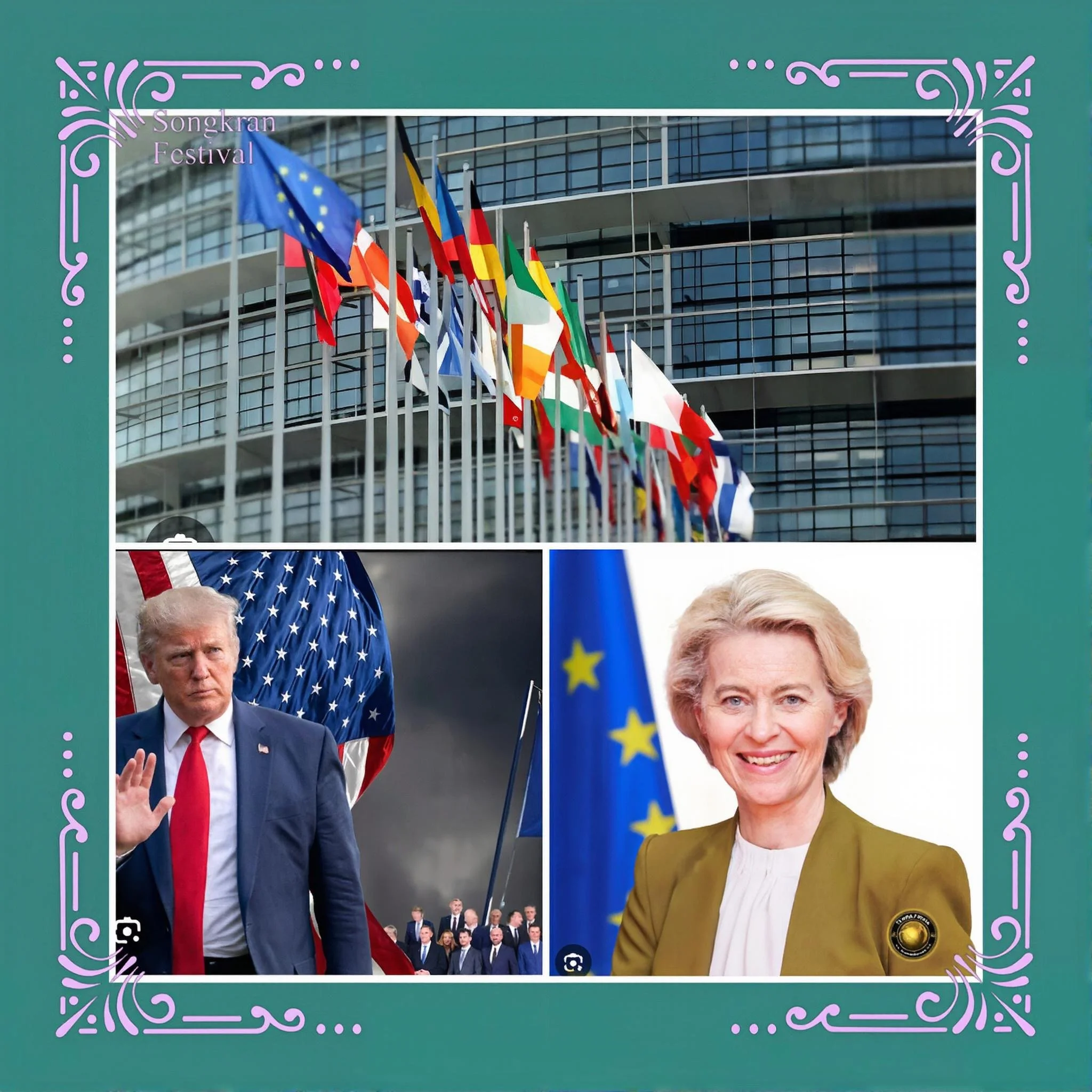
Europe woke up in January 2026 to a terrifying reality
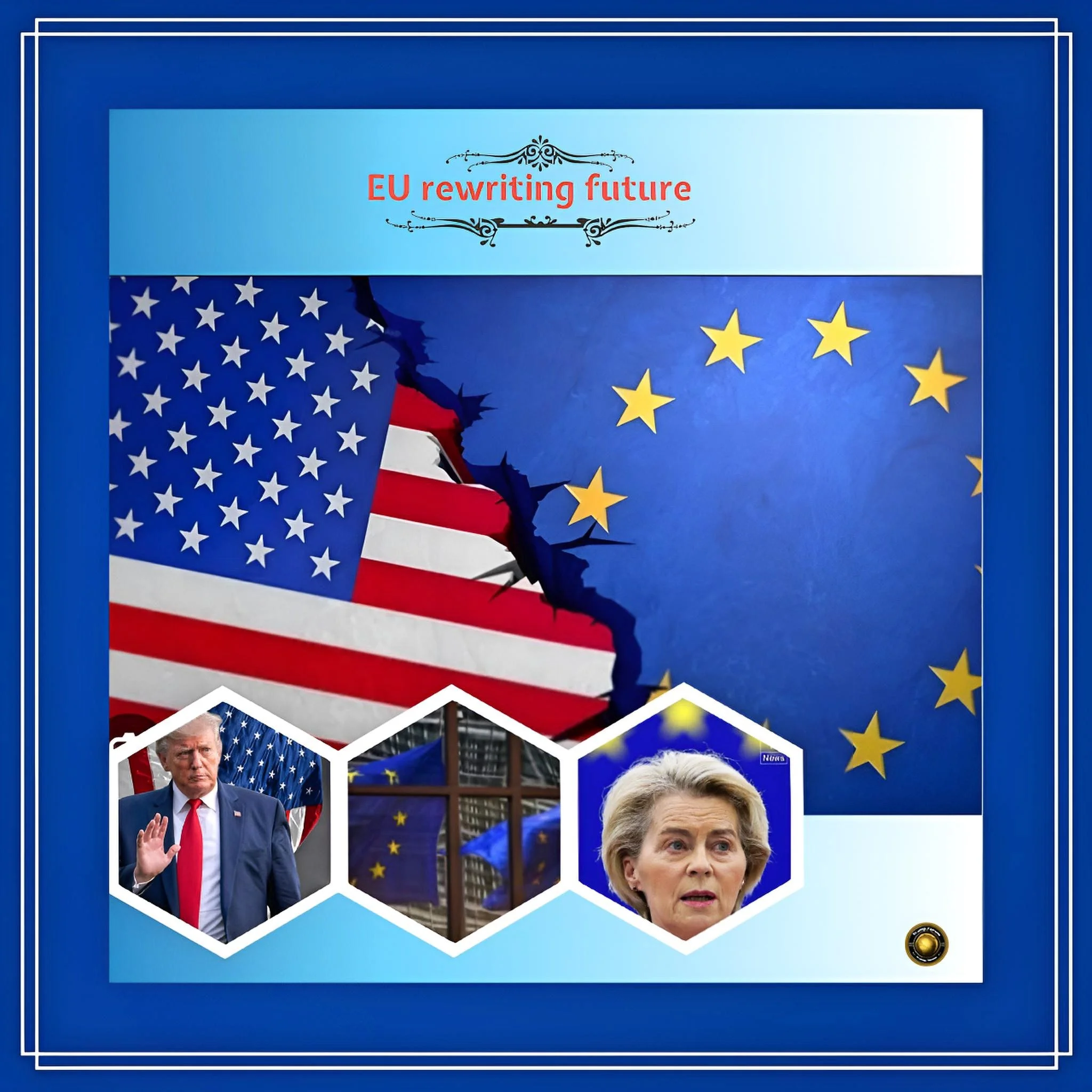
America might not protect it anymore. For seventy-five years, America had been Europe's security blanket. Now, the blanket was being withdrawn. Europe had become so dependent on American protection that it forgot how to defend itself.
The numbers are shocking
Russia produces 250,000 artillery shells every month. Europe produces 22,000. Russia has more soldiers, more tanks, more guns. Europe has better technology but fewer numbers.
On the ground, where real wars happen, Russia wins. Europe's strength is in the air and at sea, but only because America provides support. Without American help, Europe's air force loses its edge.
President Trump made Europe's weakness obvious
He questioned why America should protect Europe. He suggested buying Greenland from Denmark. He doubted whether he would defend a NATO country that got attacked. These weren't jokes. They were signals. America's fifty-year security promise was ending.
Europe responded by announcing huge spending increases
€800 billion for defence over ten years. €150 billion in loans for weapons and factories. New commitments to spend 3.5 to 5 percent of government budgets on military equipment. These numbers sound impressive.
But they hide a terrible problem: Europe cannot build weapons fast enough.
Europe's factories are broken
Thirty years of peace killed the defence industry. Workers retired. Factories closed. Supply chains disappeared.
Now Europe is trying to rebuild everything at once. Ammunition factories cannot produce fast enough. Fighter jet programmes are falling apart.
Germany, France, and Spain cannot agree on building a new fighter. The project is years behind schedule.
Smaller weapons?
Europe imports components from America or buys finished products from the United States. Europe rarely makes weapons from scratch.
The real crisis is ammunition
Shells explode. You need more shells. Russia makes millions. Europe makes thousands. Even with emergency spending, Europe cannot catch up. Europe depends on one factory in Poland for TNT.
One factory for an essential explosive. If something breaks, Europe has nothing. China controls rare earth materials Europe needs. America controls advanced technology Europe cannot copy. Europe controls very little.
Supply problems are everywhere
Electronic components, microchips, hydraulic systems—military factories want everything civilian factories also want. But there isn't enough. Someone goes without. Right now, car factories lose out. Tomorrow, military production might suffer.
Even money and factories won't save Europe
Europe cannot think like one country. Twenty-seven nations must agree on everything. One country can block action. This is too slow for military competition. Russia is one nation deciding quickly. Europe is twenty-seven nations arguing. In war, the fast side wins. Europe is slow.
Soldiers need training and equipment Europe doesn't have
Equipment from different countries cannot always work together. This is dangerous. If European forces fight together, they need radios that connect, weapons that match, and training that matches. Europe has little of this.
The harsh truth
Europe cannot defend itself in 2026. Not even close. Europe cannot defend itself in 2030. Europe might defend itself by 2035 or 2040 if everything works perfectly. That's a big "if."
Europe is finally admitting this
The denial is ending. The question now is: will Europe actually do the work? Will factories really expand? Will soldiers really train? Will countries really spend the money? Will politicians really agree?
2026 is not the year Europe stands alone. It's the year Europe stops pretending it can.