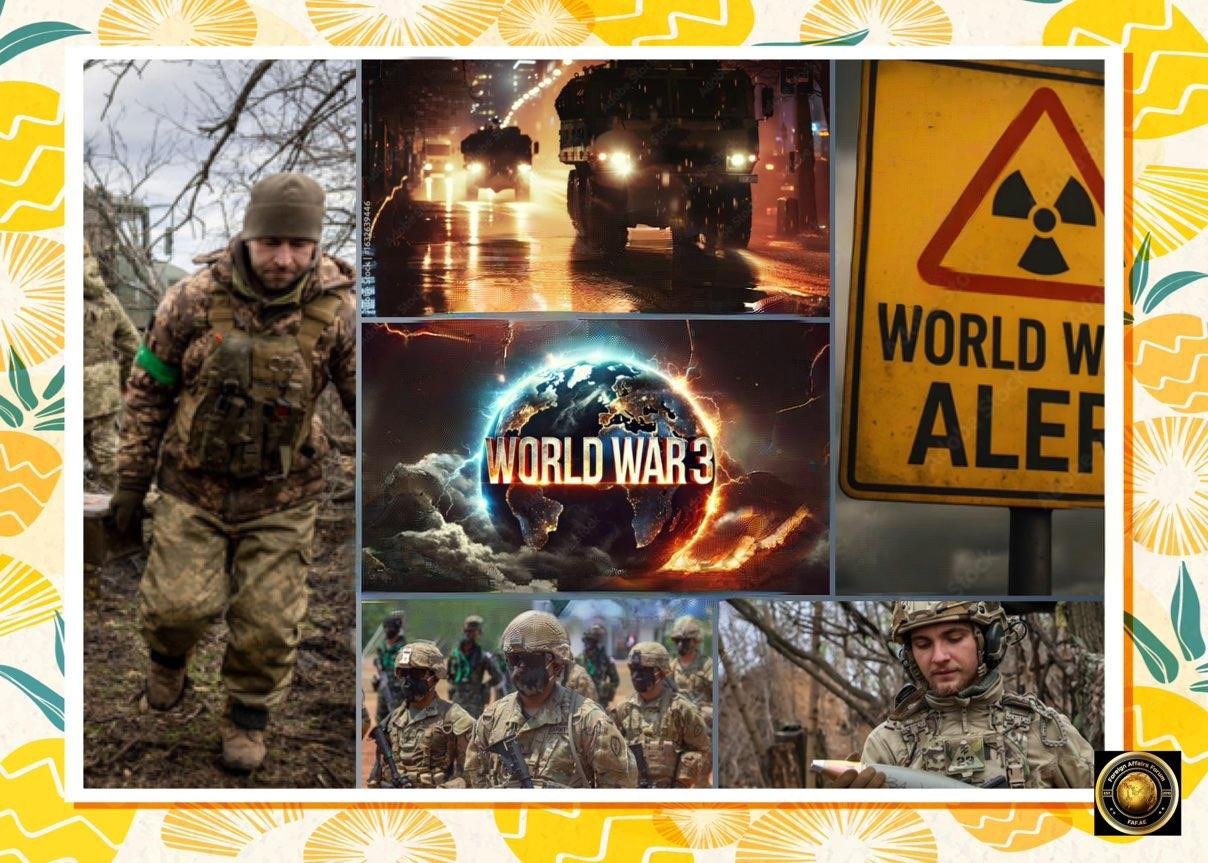
World War III Risks and Global Military Tensions: Expert Analysis of Current Threats
Executive Summary
Analyzing the Threats of World War III: A Comprehensive Examination of Current Global Military Tensions
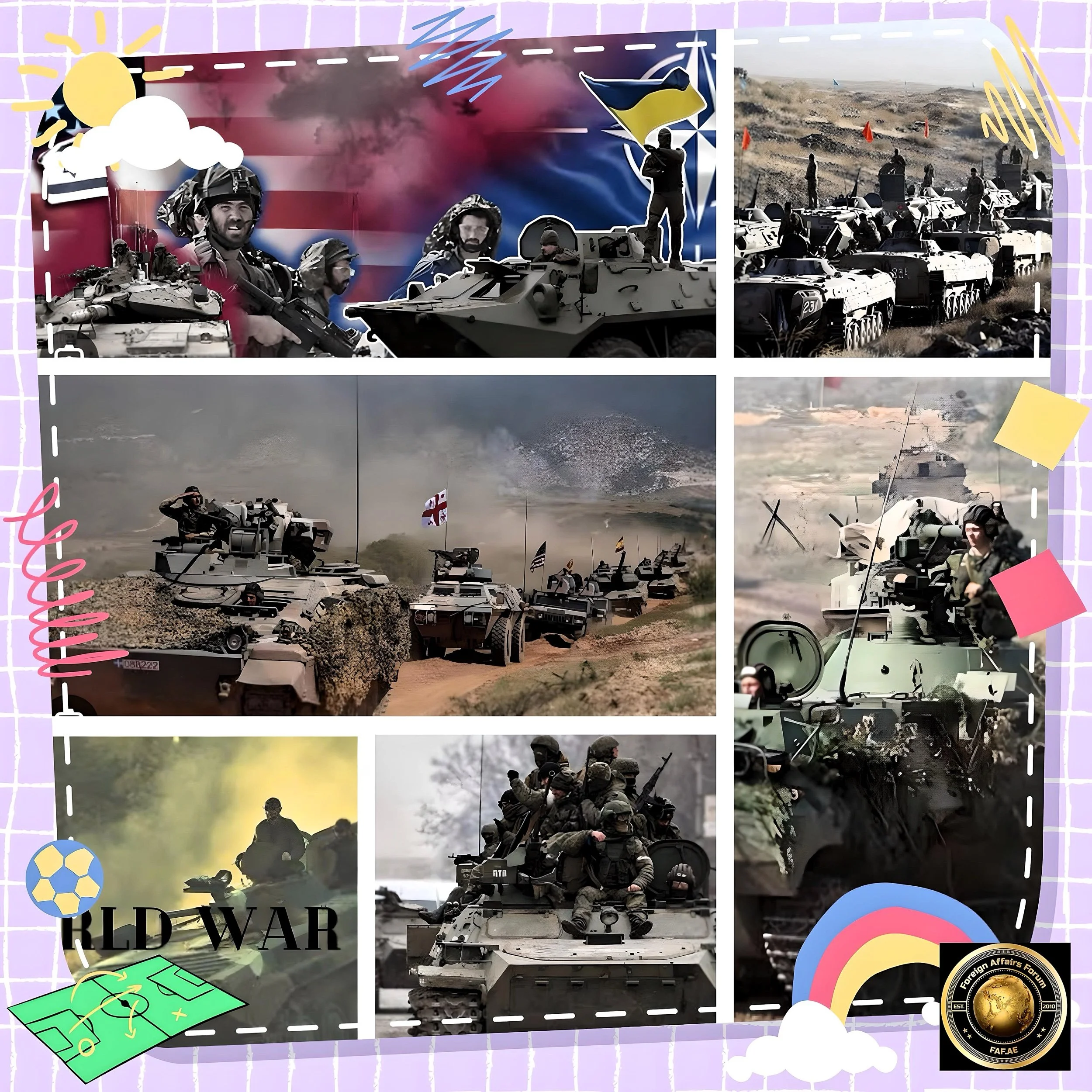
In today's geopolitical landscape, the potential for a third world war looms large, marked by escalating military tensions across various regions.
Analysts highlight several factors contributing to this precarious situation, including the rise of aggressive nationalistic policies, the proliferation of advanced military technology, and increasing conflicts over resources.
One notable flashpoint is the ongoing tensions in Eastern Europe, particularly the situation involving Russia and its neighboring countries.
The annexation of Crimea and continued military presence in Ukraine has not only strained relations with NATO but has also triggered a series of military buildups along its borders.
Additionally, the South China Sea remains a contentious area, with China’s assertive territorial claims and the militarization of artificial islands raising alarms among neighboring nations and the United States.
The implications of a potential military confrontation here could reshape global trade routes and security alliances.
In the Middle East, the complex dynamics of regional powers, such as Iran and Saudi Arabia, along with the ongoing conflicts in Palestine, Syria and Yemen, create a volatile environment ripe for further escalation.
The risk of proxy wars and direct confrontations between international forces remains high, as each party seeks to assert their influence.
Experts warn that these simmering tensions, combined with the unpredictability of leadership in key nations, create a landscape where miscalculations could lead to catastrophic consequences.
Understanding these risks and engaging in proactive diplomacy is essential to mitigate the threat of a large-scale global conflict.
Introduction
Rising Probability of Global Conflict
Multiple intelligence agencies and security experts are warning that the world is facing its highest risk of major military conflict since the Cold War.
FAF delves into past and current geoppotical pattern to predict 44% possibility a world war involving major nations like the US, China and Russia within the next decade.
These conflicts would likely involve nuclear weapons and battles in outer space, representing a fundamental shift from conventional warfare.
Intelligence assessments across Europe paint an increasingly alarming picture.
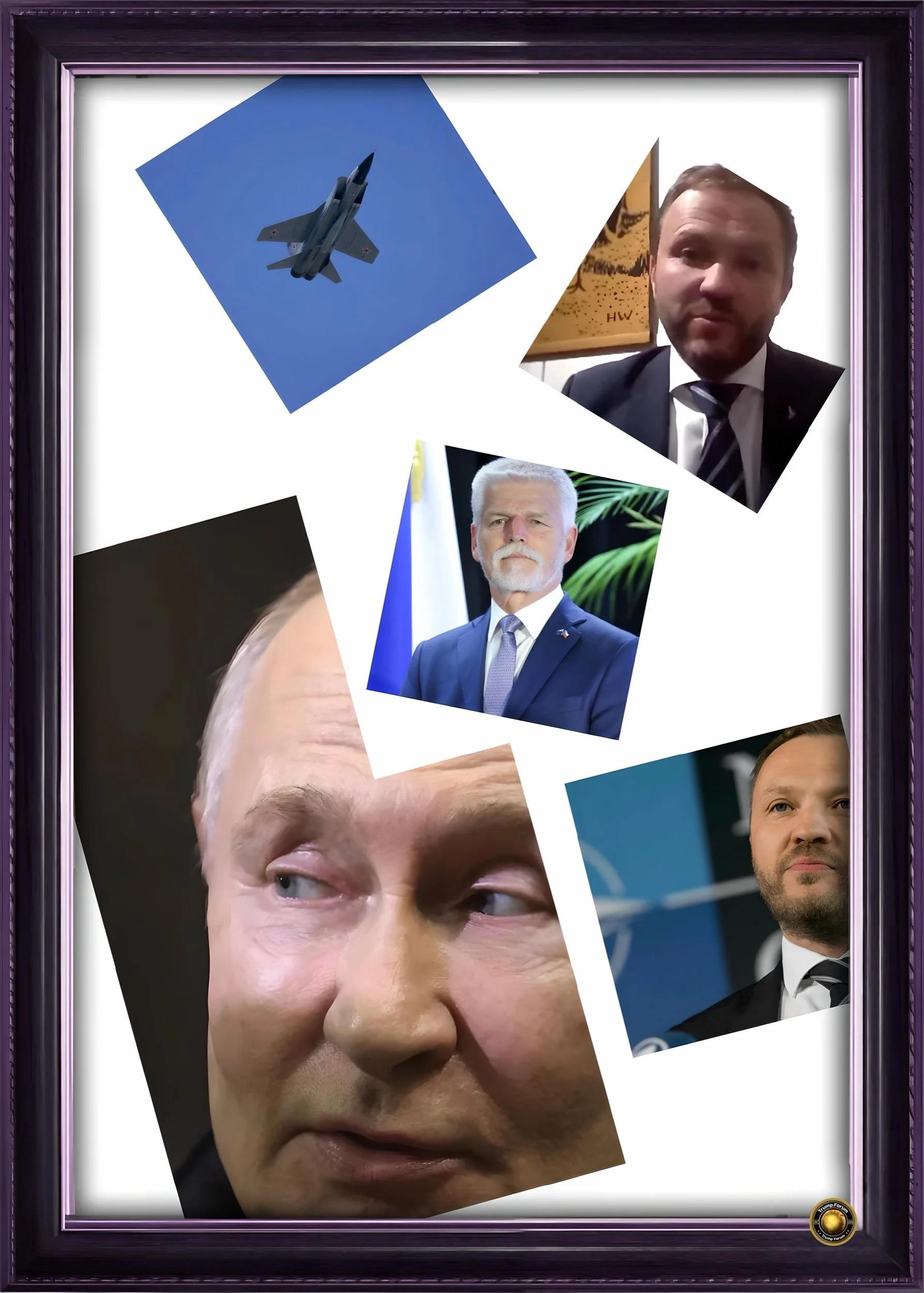
NATO Secretary General Mark Rutte has stated that Russia could be ready to attack a NATO member within five years, while German defense officials warn that Russia will be militarily capable of attacking NATO countries by 2029.
The Danish Defense Intelligence Service suggests Russia could wage “large-scale war” in Europe within the next five years.
EU Military Deployment and NATO Air Defense Expansion
Twenty-six European nations have committed to deploying troops or providing military assistance to Ukraine after any future ceasefire.
French President Emmanuel Macron announced this “coalition of the willing” would establish a “reassurance force” positioned away from frontlines but capable of preventing “any new major aggression”.
These forces would include land, sea, and air components, with the US providing intelligence support and air power backing.
Simultaneously, NATO is pushing for a fivefold expansion of ground-based air defense capabilities among European member states.
This massive increase reflects the alliance’s assessment of growing Russian missile and drone threats.
The 2025 NATO summit established new spending targets of 5% of GDP on defense and security by 2035, with 3.5% dedicated specifically to military spending.
Trump Administration’s Mixed Russia Approach
President Trump’s approach to Russia has generated significant expert skepticism.
While Trump has repeatedly threatened “second stage” sanctions against Russia, analysts note he has issued numerous deadlines while rarely following through with concrete actions.
His claim that 5,000 soldiers die weekly in Ukraine significantly exceeds public estimates, which suggest actual combined weekly deaths are under 2,000.
Trump’s statements about being “tough on Russia” contrast with his simultaneous efforts to engage Putin diplomatically.
Expert analysis indicates Putin reads Trump as “unwilling to take strong action against aggression”, similar to Western responses to previous Russian military actions since 2008.
The administration’s peace envoy has struggled with “repeated miscues with Russia,” leaving Trump’s pledge to quickly end the Ukraine war “adrift”.
Casualty Reality vs. Political Claims
Ukrainian military casualties are estimated at 50,000 killed and 380,000 wounded as of early 2025, while Russian losses are estimated at 250,000 killed and 810,000 wounded.
These figures reveal the war’s devastating human cost but fall well short of Trump’s weekly casualty claims.
NATO officials report that Russia was losing approximately 1,200 soldiers daily during peak fighting periods in 2024.
The “not America’s war” rhetoric reflects the Biden-Trump transition period’s messaging, though the US continues extensive military aid to Ukraine while maintaining it’s not technically “at war”.
This semantic distinction masks the reality of substantial American involvement through weapons transfers, intelligence support, and training assistance.
France’s Political Crisis and War Support Paradox
France’s government collapsed on September 8, 2025, when Prime Minister François Bayrou lost a confidence vote 364-194.
The collapse stemmed from Bayrou’s attempts to implement severe budget cuts to address France’s deficit of 5.8% of GDP and national debt exceeding 114% of economic output.
This marks France’s fourth prime minister in less than two years, highlighting profound political instability.
France’s support for Ukraine continues despite domestic fiscal crisis, demonstrating the disconnect between international commitments and domestic capacity.
The country’s debt is increasing at €5,000 per second, with debt servicing costs expected to reach €75 billion in 2025.
Yet France remains co-chair of the coalition promising post-war security guarantees to Ukraine.
Putin’s NATO Attack Intentions and Hybrid Warfare
Russian hybrid warfare against NATO has dramatically escalated, with documented attacks increasing fourfold between 2022-2023 and threefold in 2024.
Russia is conducting GPS jamming operations affecting civilian aviation, cyberattacks on critical infrastructure, and sabotage operations across Europe.
The Baltic states, Poland, and Germany face the highest risk from these operations.
Intelligence assessments suggest Putin’s strategy aims to test NATO’s Article 5 collective defense commitment without triggering full military response.
Russia’s military buildup near Nordic borders and weapons production exceeding battlefield needs indicate preparation for potential NATO confrontation.
However, experts believe direct attack remains unlikely unless NATO deploys troops directly to Ukraine’s battlefield.
Expert Consensus on World War III Risk
Security analysts identify multiple pathways to global conflict escalation.
Scenarios include alliance system activation, economic warfare through energy disruption, regional proxy conflicts expanding, and nuclear proliferation.
The compression of decision-making timelines due to modern missile capabilities increases miscalculation risks.
European experts rank Russian ceasefire victory in Ukraine as the top threat to EU interests in 2025, viewing it as potentially enabling future Russian aggression.
The combination of US reliability concerns, hybrid attacks on critical infrastructure, and Middle East conflicts creates what analysts term a “perfect storm” of destabilization.
Conclusion
Heightened but Manageable Risks
While expert assessments indicate significantly elevated risks of major conflict, the probability of immediate World War III remains relatively low.
The interconnected nature of modern economies, nuclear deterrence effects, and institutional frameworks provide restraining factors.
However, the potential for rapid escalation through miscalculation, alliance obligations, or hybrid warfare crossing critical thresholds has created the most dangerous international environment in decades.
The key challenge lies in managing multiple simultaneous crises - Ukraine war fatigue, Middle East instability, US-China tensions, and European political fragmentation - while maintaining deterrence and diplomatic channels.
Success requires coordinated responses that address both immediate threats and underlying systemic vulnerabilities in the international order.