Russian Airspace Violations: Strategic Testing or Path to Conflict?
Executive Summary
Incursions into Russian Airspace: A Calculated Strategy or a Prelude to Hostility?
In recent months, there has been a noticeable uptick in reported violations of Russian airspace.
These incidents have raised critical questions regarding their intent and implications.
Are these breaches genuine strategic tests designed to assess Russia's air defense capabilities, or could they signify a dangerous escalation towards potential conflict?
Military analysts suggest that the frequency and nature of these incursions could indicate a deliberate strategy by foreign powers to provoke a response from Russia, thereby gauging its readiness and determining the robustness of its aerial defenses.
Some incidents involve military aircraft flying in close proximity to the borders, sometimes straying just within Russian airspace, which is often interpreted as a show of force or a test of resolve.
Furthermore, the geopolitical context complicates the narrative.
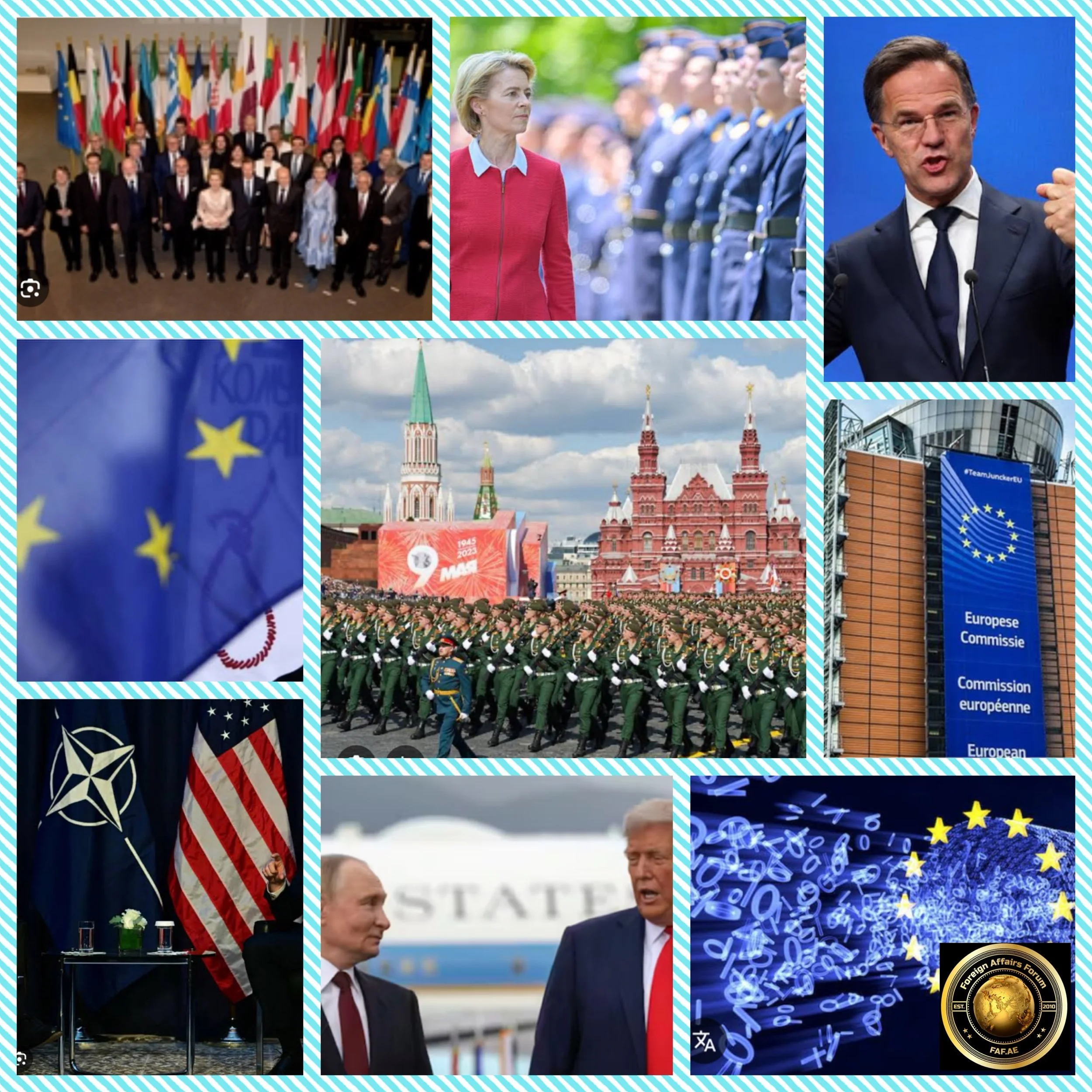
Tensions between Russia and NATO member states have escalated in recent years due to various regional conflicts and strategic maneuvers.
This backdrop provides fertile ground for interpreting airspace violations not merely as isolated events but as part of a broader chessboard of international relations.
As nations navigate these turbulent waters, each violation carries the potential for miscalculated responses, which could spiral into larger confrontations.
Therefore, the question remains: Are these incidents just calculated strategic overtures, or are they signaling a deeper, more perilous path toward open conflict?
Introduction
Recent Escalation Pattern
In September 2025, the frequency and intensity of Russian incursions into EU and NATO airspace surged significantly, marking a perilous shift in Moscow’s strategy to challenge Western resolve and response.
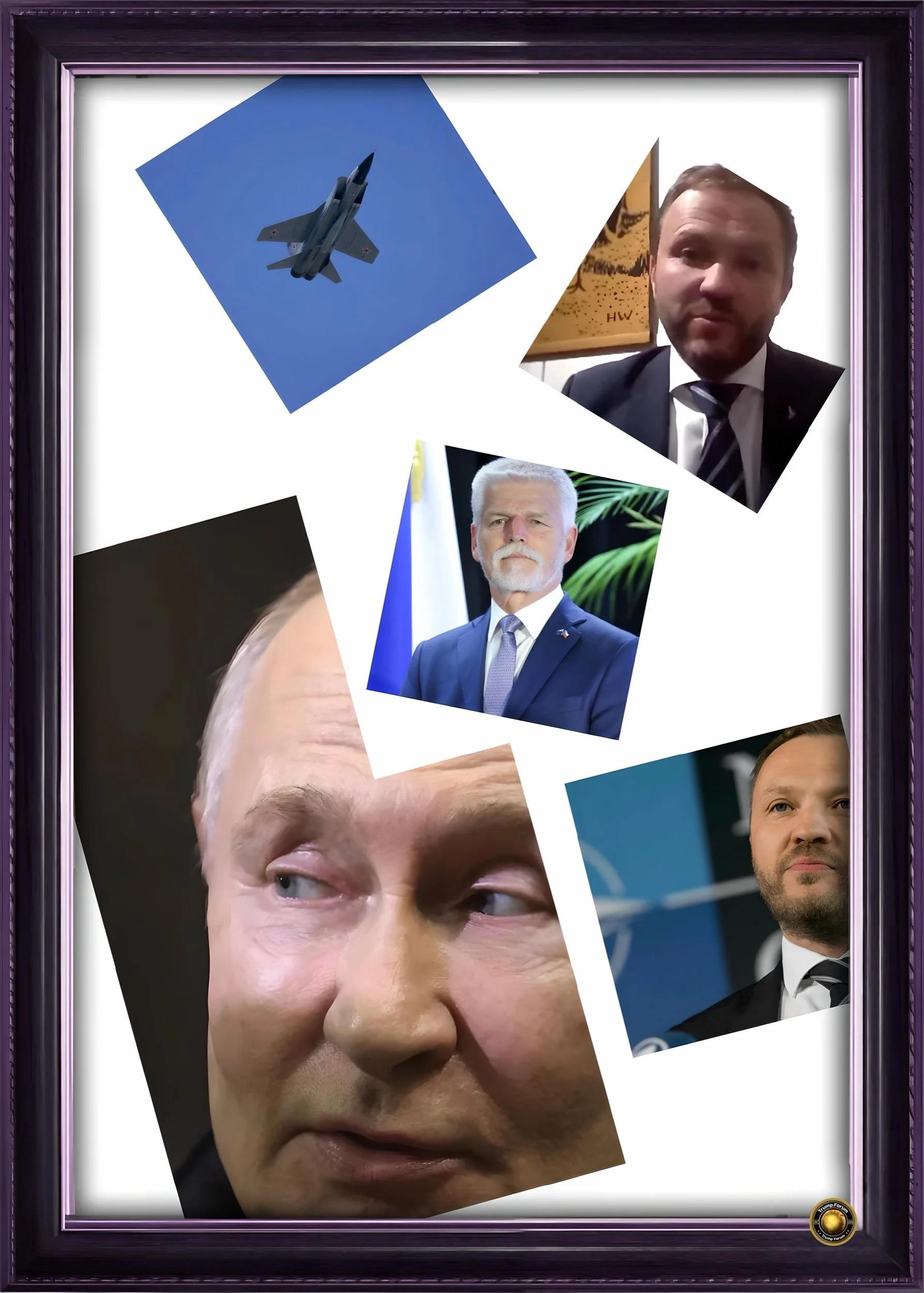
Noteworthy incidents include a particularly provocative event on September 19, when three Russian MiG-31 fighter jets breached Estonian airspace, remaining within its territory for approximately 12 minutes.
Additionally, between September 9 and 10, a substantial number of Russian drones—estimated at 19 to 23—managed to infiltrate Polish airspace.
Another significant incident occurred on September 13, when a Russian drone was detected within Romanian airspace.
These alarming developments have compelled NATO member states to activate Article 4 consultations, a protocol that allows for discussions among allies regarding security concerns.
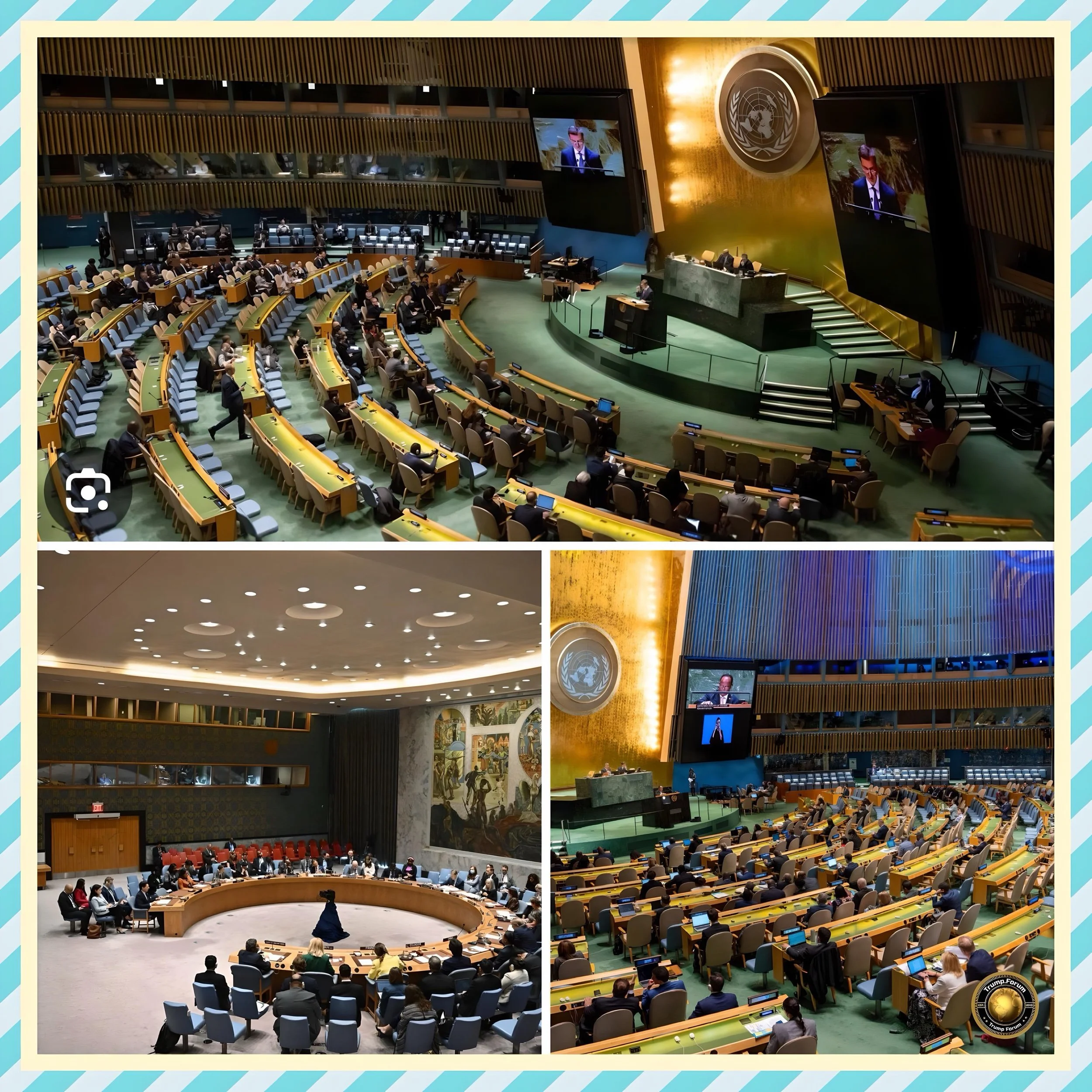
In response to these violations, Estonia has urgently called for convening UN Security Council discussions, underscoring the gravity of these incidents.
Deliberate Strategy, Not Mistakes
The body of evidence indicates that these transgressions are not mere navigational blunders but rather calculated provocations aimed at testing the limits of NATO’s tolerance and response.
Scale and Coordination
The incidents observed in September represent an unprecedented and alarming scale of airspace violations.
Estonia alone documented four distinct incursions by Russian aircraft throughout 2025, while the Polish incident involving drones showcased a coordinated effort with a near-simultaneous deployment of nearly two dozen unmanned aerial vehicles.
The magnitude and organization of these violations suggest a well-orchestrated strategy rather than mere accidents attributable to human or technical error.
Strategic Timing
Notably, these airspace violations coincided precisely with Russia’s Zapad-2025 military exercises conducted in collaboration with Belarus.
This timing implies a calculated attempt to integrate these provocative actions into a broader military and political maneuvering, designed specifically to test NATO's responsiveness and resolve during a period characterized by increased military activity in the region.
Intelligence Gathering
Military analysts assert that these air incursions fulfill dual objectives: they provide the Russian military with vital intelligence regarding NATO’s radar coverage, reaction times, and procedural responses to airspace violations.
Furthermore, the deliberate deactivation of transponders by the Russian aircraft and drones, coupled with their disregard for NATO communication attempts, highlights an intention to further probe and challenge the alliance’s operational protocols.
Historical Pattern
The pattern of airspace violations committed by Russia has become alarmingly consistent.
Since February 2022, there have been at least 26 officially recorded incidents of violations of EU and NATO airspace, indicating a systematic campaign rather than isolated occurrences.
This ongoing trend reflects a sustained effort by Russia to undermine confidence within NATO and test the collective security framework established among European nations.
NATO and Russia’s Military Readiness
NATO’s Defensive Posture: An Overview
NATO possesses significant conventional military advantages over Russia, spanning various operational domains.
The alliance consists of approximately 3.44 million active duty personnel, contrasted with Russia's strength of about 1.32 million.
In terms of aerial capabilities, NATO operates 22,377 aircraft, far outnumbering Russia's fleet of 4,957.
Furthermore, the alliance boasts an impressive arsenal of 11,495 main battle tanks, nearly double Russia's count of 5,750.
The financial aspect is equally striking; NATO’s collective defense expenditure reaches a staggering $1.47 trillion, a figure that overshadows Russia’s estimated defense budget of around $146 billion.
However, NATO is not without its serious vulnerabilities, particularly when it comes to countering contemporary hybrid threats.
Challenges in Drone Defense
One of the significant challenges for NATO lies in its ability to effectively neutralize the rising threat of drone warfare.
The alliance often finds itself deploying costly state-of-the-art aircraft, such as the F-35, against simple yet effective unmanned aerial vehicles (UAVs), leading to a mismatch in operational expense versus tactical efficacy.
Fragmented Command Structure
Another critical issue is the fragmented command structure among European militaries.
These forces are organized on a national basis, complicating joint operations and collaboration.
To effectively address these coordination challenges, NATO estimates that it would require an additional 300,000 troops to enhance operational effectiveness and readiness.
Industrial Production Capacity
On the manufacturing front, a considerable gap exists as well. Russia’s military-industrial complex is producing ammunition at a rate four times higher than that of all NATO members combined.
This production capacity gives Russia a considerable advantage in sustained military operations.
Russia’s Reconstructed Military Capability
Despite enduring substantial losses during the ongoing conflict in Ukraine, Russia’s military has undergone a significant reformation.
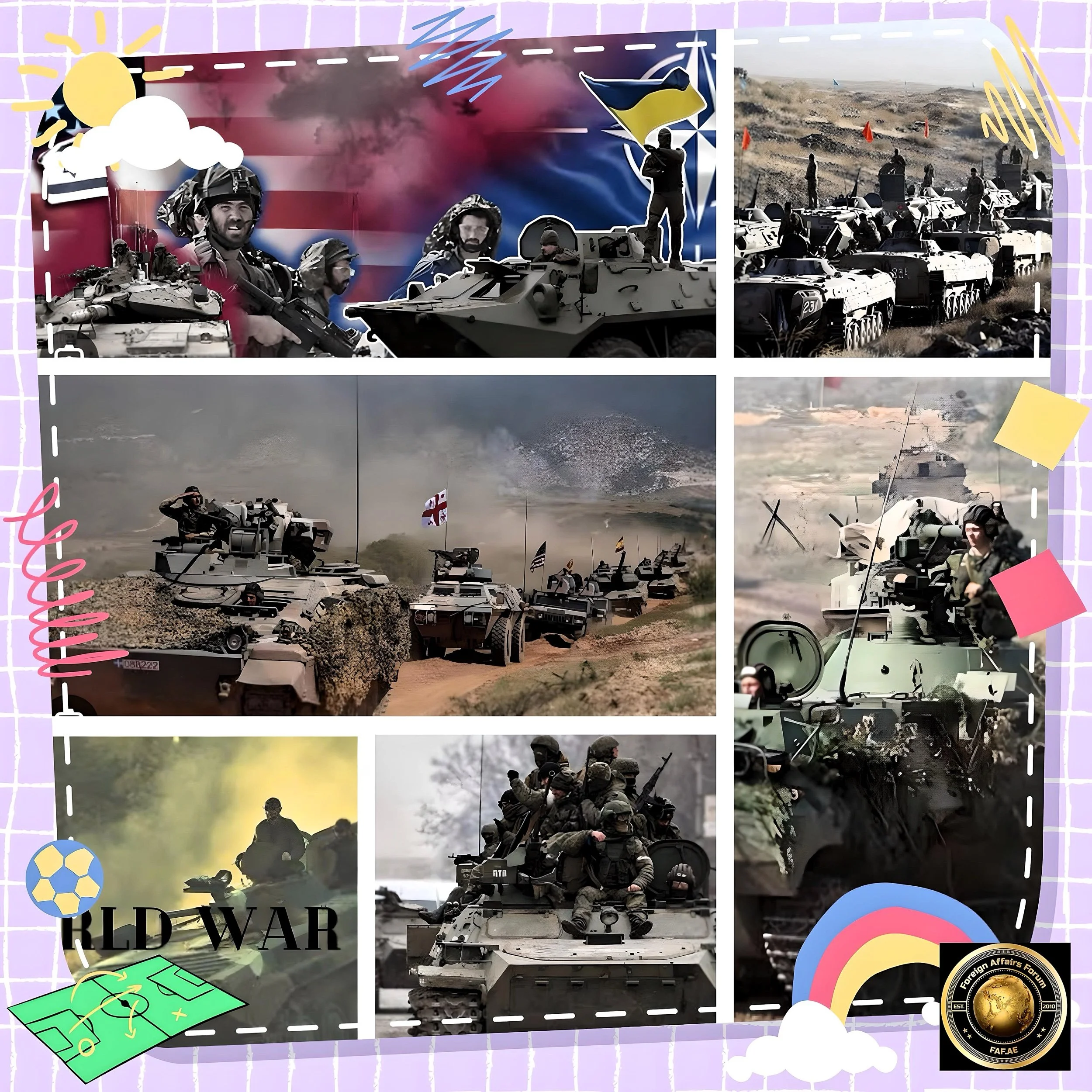
Current estimates indicate that Russia's military presence in Ukraine alone has expanded to around 700,000 troops, surpassing the size of its armed forces before the invasion in 2022.
Moreover, Russian defense production has seen a dramatic increase, marked by a staggering 220% growth in tank manufacturing since the onset of the conflict in 2022.
Production of armored vehicles and artillery systems has experienced a rise of 150%, while the output of long-range loitering munitions has skyrocketed by an astonishing 435%.
Intelligence analyses suggest that Russia could be poised for military readiness to directly challenge NATO by 2029-2030.
Additionally, capabilities for initiating limited operations in the Baltic region may begin to emerge 2 to 3 years following the conclusion of hostilities in Ukraine, indicating a significant shift in regional security dynamics.
Economic Costs of Full-Scale Conflict
Global Economic Impact of a Russia-NATO Conflict
According to estimates from Bloomberg Economics, a full-scale war between Russia and NATO could result in a staggering reduction of global gross domestic product (GDP) by approximately $1.5 trillion in the initial year.
This economic downturn would be on par with the economic ramifications witnessed during the invasion of Ukraine.
Regional Economic Consequences
Baltic Region
The economic landscape in the Baltic states could face severe repercussions, with projections indicating a dramatic 43% decrease in industrial output and trade activities.
This decline would severely disrupt local economies, given their reliance on commerce and manufacturing.
European Union
The broader European Union could see a GDP contraction of around 1.2%.
Such a downturn could lead to substantial job losses and strained public finances, further complicating recovery efforts across member nations.
Russia
Interestingly, Russia is expected to experience a relatively moderate decline of about 1% in its GDP.
This limited impact can be attributed to the country's prior isolation due to existing sanctions, which have already curtailed economic growth and resilience.
Global Financial Markets
The potential onset of conflict would likely trigger considerable turmoil in global financial markets, characterized by significant stock selloffs and a tightening of credit.
Investors typically react swiftly to geopolitical tensions, often leading to heightened volatility and uncertainty in equity prices and lending practices.
Military Expenditure Requirements
In light of escalating security threats, NATO has announced a commitment to ramping up defense spending to an ambitious 5% of member states' GDP by the year 2035.
This plan includes a core defense expenditure of 3.5% along with an additional 1.5% allocated for infrastructure improvements, marking the largest peacetime military commitment since the alliance was established.
This strategic shift translates into hundreds of billions of dollars in additional annual military spending across NATO member states, as nations bolster their defense capabilities to address emerging threats.
Such an increase in military expenditure not only reflects a shift in resource allocation but also underscores the serious nature of the geopolitical landscape in which these countries find themselves.
US Position
Conditional Commitment: An Overview of the Trump Administration's Defense Policy
Trump Administration's Stance on European Defense
President Trump’s approach to U.S. commitments regarding European defense has been notably ambiguous, revealing a complex interplay between reassurance and reduction of military support.
Reaffirmed Commitments to NATO Allies
Despite the mixed signals, President Trump has explicitly asserted that the U.S. would come to the defense of Poland and the Baltic states if they were to face an armed attack.
He has famously declared that America is prepared to "defend every inch of NATO territory," emphasizing the nation’s commitment to the defense of its NATO partners against any aggression.
Reduced Engagement in Eastern Europe
Conversely, the Trump administration has significantly scaled back its engagement in Eastern Europe by terminating various critical security assistance programs.
This decision resulted in hundreds of millions of dollars in military aid cuts, which had previously been designed to safeguard Eastern European allies from potential Russian expansionism.
This reduction has raised concerns among those allies about their defense capabilities in the face of an increasingly aggressive Russia.
Critique of European Defense Spending
President Trump has consistently voiced his criticism of European nations' reliance on Russian energy resources while simultaneously urging NATO allies to enhance their military spending.
This expectation has put pressure on NATO members to allocate a minimum of 2% of their GDP towards defense, highlighting the perceived inequality in burden-sharing within the alliance.
Conditional Support for Ukraine's Security
U.S. officials have conveyed a concerning shift in strategy regarding Ukraine’s defense, indicating that America will provide minimal direct intervention in security guarantees for Ukraine.
Instead, there is an expectation that European nations should commit "tens of thousands of troops" to the region, with the United States offering support from a more detached position, far from Ukrainian territory.
This conditionality reflects a recalibration of traditional U.S. commitments in pursuit of a more limited engagement model.
Escalating Tensions and Potential Conflict with Russia
Russia's Strategic Intentions
On the Russian side, Moscow appears to be implementing a calculated escalation strategy with several objectives. These include:
Testing NATO's defined boundaries and the thresholds for its response to provocations.
Normalizing airspace violations that could be dismissed as mere “collateral damage.”
Gathering military intelligence to analyze and anticipate the alliance's defense capabilities.
Undermining public confidence in NATO’s guarantees of collective defense.
NATO's Existential Dilemma
This sets up a perilous dilemma for NATO: any robust military response could trigger an escalation into wider conflict, while a weak response risks inviting further aggressions from Russia.
The invocation of Article 4 consultations by Estonia and Poland may represent a prudent step toward adequate escalation, but NATO has cautiously refrained from triggering Article 5, which would invoke collective defense clauses.
Probability Assessment of Full-Scale Conflict
Assessing the likelihood of a full-scale war between NATO and Russia in the immediate future reveals several mitigating factors:
A substantial portion of Russia's military resources are currently engaged in the ongoing conflict in Ukraine, limiting its capacity for direct confrontation with NATO.
The overwhelming conventional military superiority of NATO serves as a significant deterrent against any aggressive moves by Moscow.
Mutual nuclear deterrence continues to uphold a fragile state of strategic stability, preventing the likelihood of escalation to nuclear warfare.
The economic repercussions of war would be catastrophic for both NATO member states and Russia, further disincentivizing open conflict.
Nevertheless, the risk of limited confrontations in the Baltic region within the next 3 to 5 years remains an increasingly credible scenario.
This potential is particularly pronounced if the present patterns of escalation continue unchecked, underscoring the urgent need for a cohesive and strategic response from NATO.
Conclusion
Strategic Implications
The ongoing crisis serves as a significant challenge to the principles of deterrence that have underpinned global stability for decades.
Russia's strategic and methodical probing of NATO's defenses indicates a troubling level of confidence in its belief that the alliance lacks the determination to mount a forceful response.
European intelligence agencies are sounding alarms, warning that any failure to address these aggressive violations with strong and unified actions could embolden not just further incursions but potentially escalated military actions targeting neighboring states.
This creates an unnerving atmosphere in which the prospect of renewed aggression becomes more likely.
The United States, positioned as a hesitant guarantor of European security, combined with the patchy and incomplete state of defense integration among European nations, fosters a precarious environment filled with uncertainties.
This ambiguity is a risk that Moscow is likely to attempt to manipulate to its advantage.
While a full-scale war involving NATO remains improbable at this juncture, the likelihood of limited conflicts arising—conflicts that challenge and test the commitments outlined in Article 5, which provides for collective defense—grows increasingly feasible with each provocateur act left unaddressed.
As such provocations persist without a decisive response, the potential for significant military engagement rises, putting European security at greater risk.