Potential Russian Exploitation of a European Power Vacuum: The Risks Associated with a Swift U.S. Military Withdrawal
Introduction
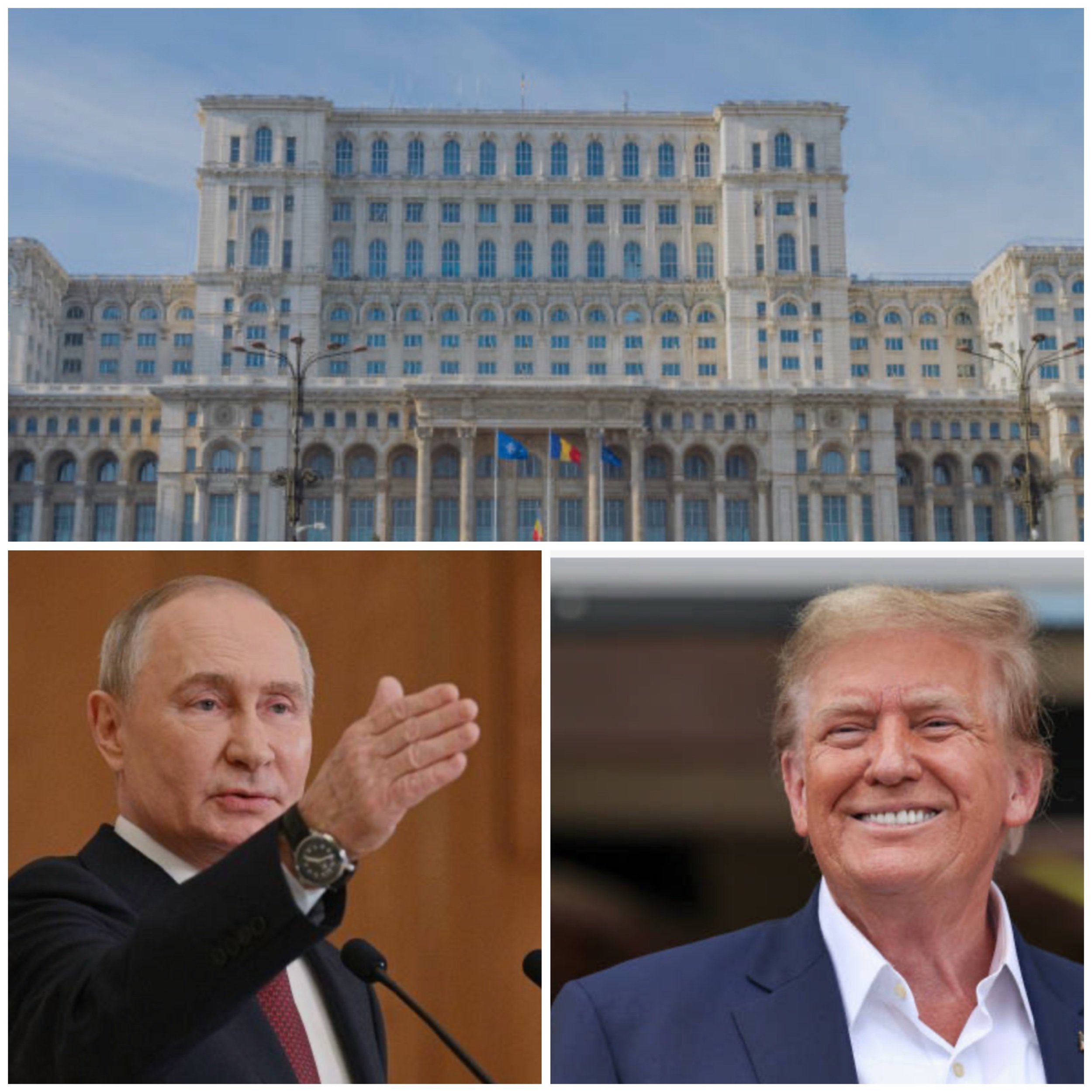
The NATO summit held in The Hague two weeks ago successfully achieved its immediate aim of appeasing President Trump, alongside securing a landmark commitment from member countries to increase defense spending.
However, this outcome may inadvertently obscure a more perilous reality taking shape beneath the surface.
As we anticipate the sweeping force posture review from the Trump administration set to be unveiled this fall, concerns arise that it may instigate a substantial security vacuum.
Such a vacuum could be readily exploited by Russian President Vladimir Putin as he seeks to further his territorial ambitions, potentially extending beyond Ukraine.
The Gathering Storm
Signs of American Disengagement
The political climate emanating from Washington D.C. has become increasingly foreboding regarding European security.
Defense Secretary Pete Hegseth’s address in February to NATO defense ministers marked a significant shift from established American rhetoric, explicitly stating that “stark strategic realities prevent the United States of America from being primarily focused on the security of Europe.”
This unsettling shift was further underscored during his May trip to Singapore, where he reasserted the Indo-Pacific as America’s “priority theater,” reflecting a broader strategic pivot away from Europe and toward Asia.
Perhaps the most alarming indication of changing American priorities came from U.S.
Ambassador to NATO Matthew Whitaker, who bluntly declared in May that Washington would possess “not any more patience” regarding its military presence in Europe.
Whitaker went on to confirm the beginning of discussions regarding potential troop withdrawals following the NATO summit, indicating that allied nations should be “ready” to engage in such conversations.
The Scale of Potential Withdrawal
Reports indicate that the Pentagon is actively contemplating a withdrawal of between 10,000 and 20,000 troops from European soil, representing a significant reduction of around 20% from the existing force, which ranges between 80,000 and 100,000 personnel.
This pullback could effectively reverse the Biden administration's troop surge in 2022, which had deployed an additional 20,000 troops to bolster NATO’s eastern flank in response to Russia’s aggressive invasion of Ukraine.
Specifically, the proposed cuts are expected to concentrate on combat units stationed in crucial locations such as Poland and Romania, including the potential withdrawal of three brigade combat teams along with their necessary support forces.
Furthermore, defense analysts are anticipating reductions in aerial capabilities, as plans are already in motion to remove two F-15 fighter squadrons from the United Kingdom without designated replacements.
Europe’s Critical Capability Gaps
The challenges facing European nations extend far beyond mere troop numbers. European NATO members have structured their defense architectures around essential American enablers — the advanced support systems that enable their combat forces to operate efficiently.
Defense analysts assert that Europe currently suffers from significant deficiencies in several key areas:
Command and Control
European forces remain heavily reliant on U.S. battlefield management systems and sophisticated communications networks.
The absence of these critical systems would severely compromise coordination between national forces during operations.
Intelligence and Surveillance
While strides have been made in military satellite communications, European countries still depend on American intelligence, surveillance, and reconnaissance capabilities for comprehensive battlefield situational awareness.
Long-Range Strike
The continent lacks the precision strike capabilities furnished by U.S. forces, hindering its ability to target Russian assets effectively behind enemy lines.
Logistics and Sustainment
American logistics networks allow for the rapid deployment and movement of troops and supplies across Europe, capabilities that European military forces currently cannot replicate on a large scale.
The Timing Problem
One of the most alarming facets of a rapid U.S. troop drawdown is the significant timing mismatch between American withdrawals and the development of corresponding European capabilities.
Defense experts project that Europe will require approximately three to five years to cultivate adequate replacements for most American-provided capabilities.
Meanwhile, the Pentagon’s force posture review is anticipated to advocate for immediate adjustments in order to reposition U.S. forces in anticipation of potential conflict with China.
Although European defense production is on the rise, it remains insufficient to meet current operational needs and demands.
Moreover, Russia has emerged as a formidable military force, producing ammunition at a rate three times greater than that of all NATO countries combined.
Concurrently, European manufacturers are grappling with the dual challenge of supplying Ukraine and replenishing their own depleted stockpiles.
The EU has committed over €51 billion in military aid to Ukraine, a situation that has illuminated critical shortages within European defense stocks.
Russia’s Strategic Opportunity
Putin has been meticulously observing these developments, and his recent rhetoric reflects a burgeoning confidence in his military position.
At the St. Petersburg International Economic Forum, he provocatively proclaimed, “wherever the Russian soldier treads is ours,” dismissing NATO’s increased defense expenditures as inconsequential and non-threatening.
Russian officials have interpreted discussions surrounding U.S. troop reductions as indicative of waning Western resolve.
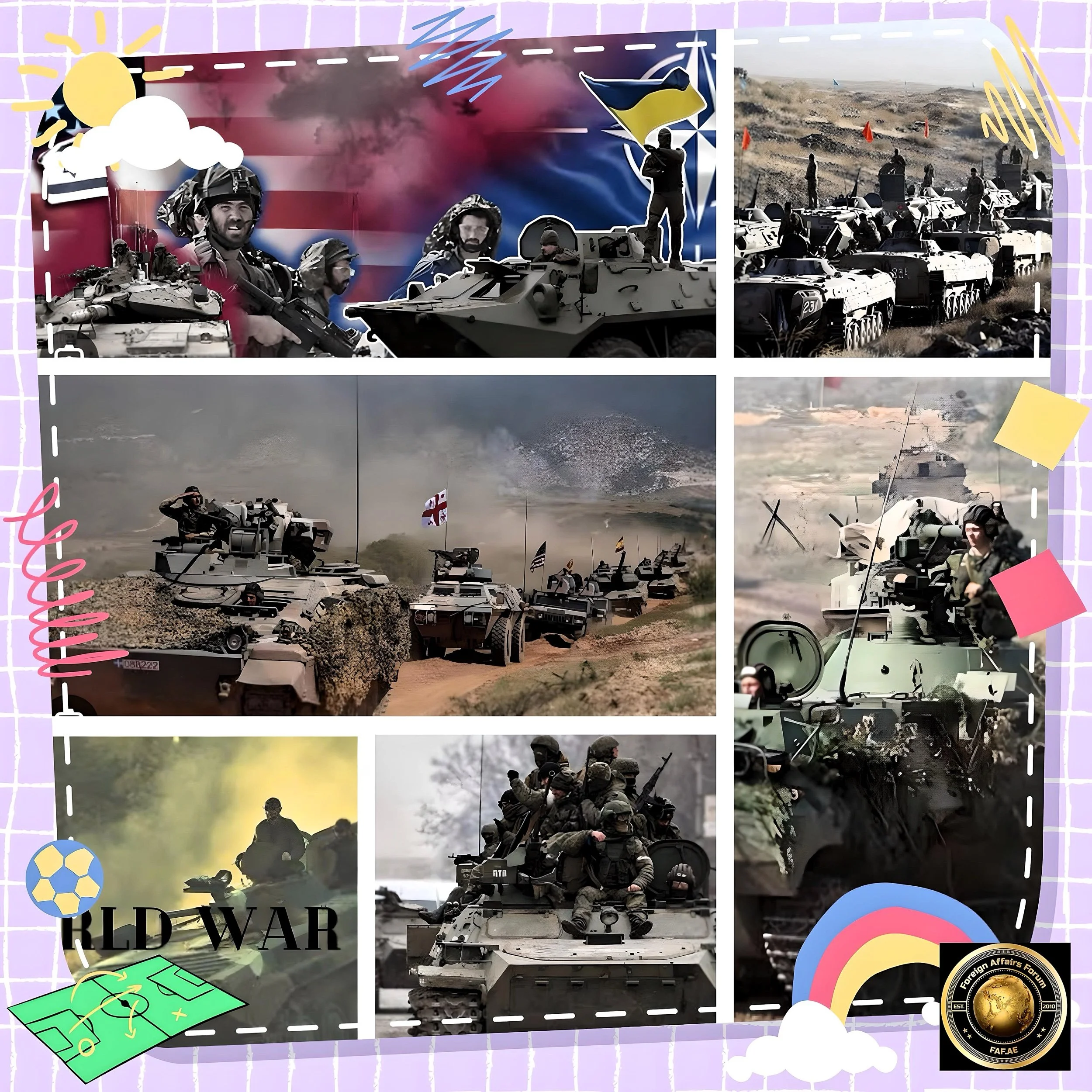
Since his invasion of Ukraine, Russia has dramatically expanded its military capabilities, with its troop presence in Ukraine now estimated at around 700,000 — a stark contrast to the much smaller initial invasion force.
Additionally, Russian defense production has surged by 220% for tanks and 150% for armored vehicles and artillery.
With Russia allocating approximately 7-8% of its gross domestic product (GDP) to defense, Putin has successfully transformed his military into a more seasoned and better-equipped force than what was present prior to the conflict, underscoring a significant shift in the security landscape in Europe and beyond.
The Escalation of Hybrid Warfare
The situation concerning Russia's increasingly aggressive hybrid warfare tactics across Europe has reached a troubling level of urgency.
Documentation indicates that the number of reported hybrid operations carried out by Russian entities surged nearly threefold from 2023 to 2024.
These operations are strategically focused on key elements of European infrastructure, including critical energy systems, extensive transportation networks, and essential government facilities.
Recent incidents highlight this disturbing trend: Russian operatives have been implicated in severing undersea communication cables in the Baltic Sea, orchestrating arson attacks on military installations, and deploying highly sophisticated disinformation campaigns aimed at sowing discord and confusion among NATO member states.
These maneuvers are not merely acts of aggression; they are calculated efforts to probe NATO’s unity and exploit any visible fractures within the alliance.
In executing this hybrid warfare strategy, Russia carefully operates below the threshold that would activate Article 5 of the NATO treaty, thereby allowing Moscow to methodically undermine European security while avoiding a coordinated military response from NATO allies.
The alarming orchestration of damage to undersea cables, along with the recent attempted assassinations of influential leaders in the defense industry, signifies an escalation of hybrid tactics that could further intensify if Russia believes NATO’s resolve is waning.
The Financial Burden of Replacing American Military Capabilities
The financial challenges associated with replacing American military capabilities are staggering and daunting.
According to research conducted by the International Institute for Strategic Studies, the estimated cost of replacing American military equipment and personnel on a like-for-like basis could reach an astounding $1 trillion over the next 25 years.
In the immediate term, European nations face the urgent need to enhance their annual defense budgets by a minimum of €250 billion and mobilize an additional 300,000 troops to effectively deter Russian aggression, particularly in the absence of robust American support.
Despite the historic commitment made in The Hague to increase defense spending to 5% of GDP, European countries face formidable difficulties in translating these budget increases into operational and deployable military capabilities.
The defense industrial base requires significant time to expand, and the acquisition of critical skills and expertise cannot occur overnight.
A Vulnerable Window of Opportunity
NATO officials privately concede that Russia may soon be in a position to "test" the alliance’s solidarity within the next three to five years.
This assessment arises from a confluence of factors, including Russia's ongoing military modernization timeline, the slow pace of European capability enhancements, and mounting uncertainty surrounding American commitments to European security.
The Baltic states—Estonia, Latvia, and Lithuania—represent the most likely frontline for potential Russian probing operations. Putin continues to view these countries as historically integral to Russia’s sphere of influence.
Their substantial Russian-speaking minority populations and extensive borders with both Russia and Belarus render them particularly susceptible to hybrid assaults and the threat of outright military aggression.
Strategic Consequences and Implications
The critical danger lies not only in the significant capability gaps created by a potential American withdrawal but also in the strategic signal such a move would send to Moscow.
President Putin has a longstanding track record of testing the resolve of Western nations, and a rapid reduction of U.S. military presence in Europe could be interpreted as a clear indication of diminishing American commitment to European security.
This perception could embolden Russia to undertake increasingly aggressive actions, not only in Ukraine but potentially against NATO member states themselves.
The timing of this situation is alarmingly precarious.
The ongoing military conflicts in the Middle East are diverting American attention and resources away from Europe, while China’s growing assertiveness in the Indo-Pacific region adds further complexity to the global strategic landscape.
In this environment, Putin might assess that the West lacks both the will and the military capability to respond effectively to Russian aggression in Europe.
Strategic Path Forward
For NATO, the pressing challenge lies in ensuring that any adjustments to American military forces are executed with meticulous coordination and are gradual enough to provide the necessary time for European defense capabilities to mature.
This requires an unprecedented level of strategic planning and resource allocation, along with the political resolve to maintain long-term increases in defense spending.
Moreover, European leaders must devise more effective strategies to counter Russian hybrid warfare.
This includes bolstering intelligence sharing, improving the protection of critical infrastructure, and coordinating comprehensive responses to disinformation campaigns that currently undermine the unity of the alliance.
The fragmented approach to addressing hybrid threats results in vulnerabilities that Russia is poised to exploit.
The stakes are extraordinarily high; an abrupt American drawdown without adequate preparation from European nations has the potential to create the very security vacuum that Putin has long sought.
The pressing question remains: can European leaders act swiftly enough to avert this perilous opportunity for aggression?