Palestine Statehood Recognition: A Diplomatic Surge at the UN
Executive Summary
Recognition of Palestine Statehood: A Diplomatic Surge at the United Nations
In recent years, there has been a significant shift in the international diplomatic landscape regarding the recognition of Palestine as a sovereign state.
This surge in diplomacy, particularly at the United Nations (UN), has garnered attention as various nations and organizations reassess their positions on the Israeli-Palestinian conflict.
The push for Palestine's statehood recognition has increased momentum, reflecting a growing consensus among countries sympathetic to the Palestinian cause.
Key events, such as the 2021 General Assembly meeting, highlighted the overwhelming support for Palestinian autonomy, with numerous nations voicing endorsement for Palestine's right to self-determination.
This meeting served as a platform where representatives emphasized the urgent need for renewed dialogue, emphasizing that peace cannot be achieved without recognizing the aspirations of the Palestinian people.
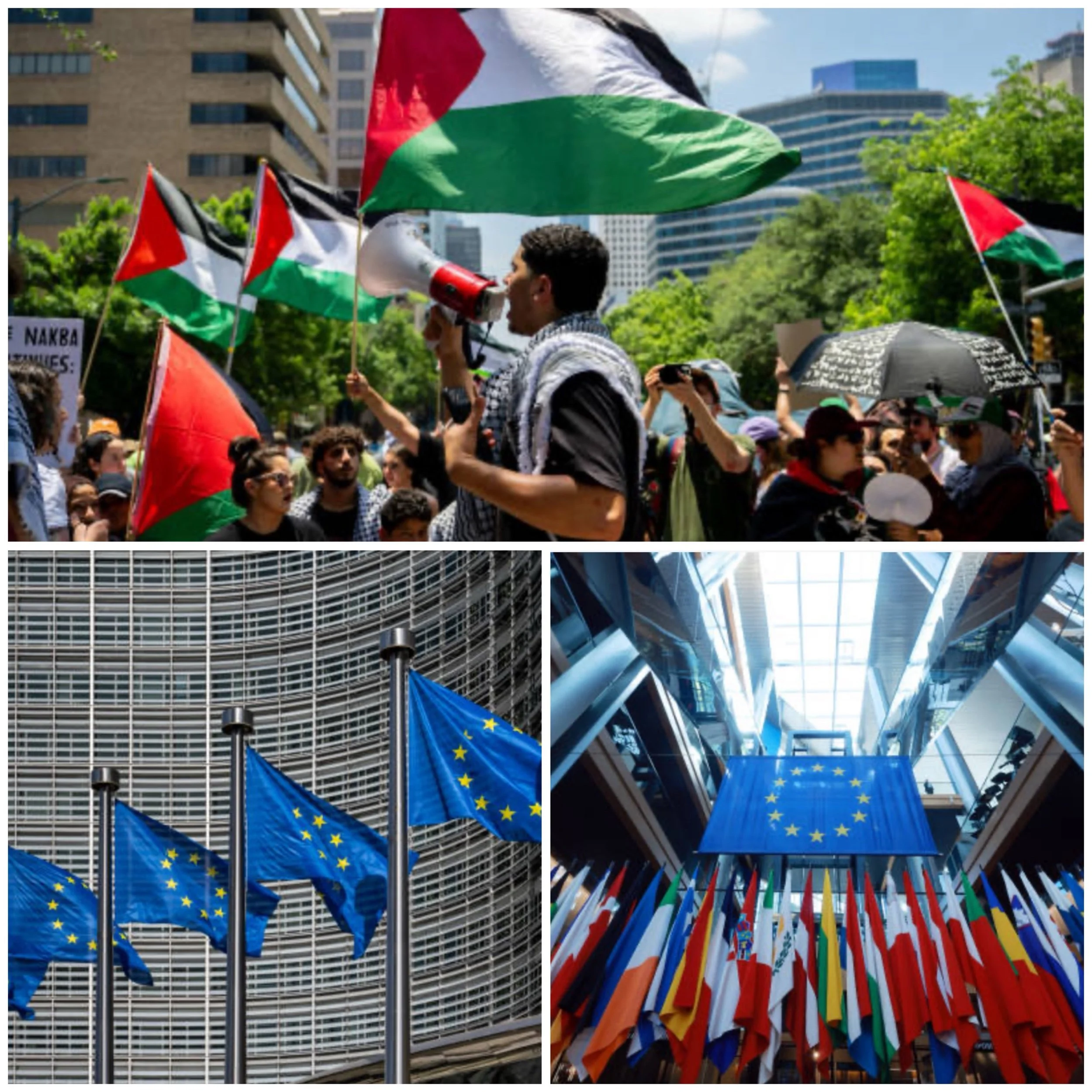
Moreover, influential movements within international bodies, including the UN and the European Union, have started to advocate for a two-state solution, which includes formal recognition of Palestine.
This approach seeks to establish a framework for negotiations that respects Israelis' and Palestinians' rights and aspirations, promoting coexistence through mutual recognition.
In addition, grassroots support has been visible in various regions, as civil society groups work tirelessly to raise awareness about the plight of Palestinians.
Protests, campaigns, and educational initiatives have all contributed to a heightened global consciousness about the need for Palestinian statehood recognition and support.
As this diplomatic surge continues, the importance of multilateral dialogues at forums like the United Nations cannot be overstated.
The international community faces the challenge of bridging gaps and fostering an environment conducive to peace, with the recognition of Palestine standing as a pivotal point in these discussions.
Introduction
Rising Wave of International Support for Palestinian Statehood
At the September 2025 session of the United Nations General Assembly, there has been a remarkable and historic surge in the recognition of Palestinian statehood, as an additional 10 nations have officially acknowledged Palestine as a sovereign state.
This significant diplomatic momentum began on September 21, when a coalition of four major nations—the United Kingdom, Canada, Australia, and Portugal—simultaneously announced their recognition of Palestine.
The recognition was further bolstered by a formal declaration from France during the UN summit on September 22, signaling a robust shift in political alignment.
Following these developments, Belgium, Luxembourg, Malta, Andorra, and San Marino are expected to support Palestinian statehood soon.
Approximately 75% of the 193 member states of the United Nations have recognized Palestine as a sovereign entity, pushing the total number of recognizing countries to nearly 150.
This marks a substantial increase from previous counts and highlights a growing international consensus favoring Palestinian statehood.
Pathway to Full UN Membership: Voting Requirements and Procedures
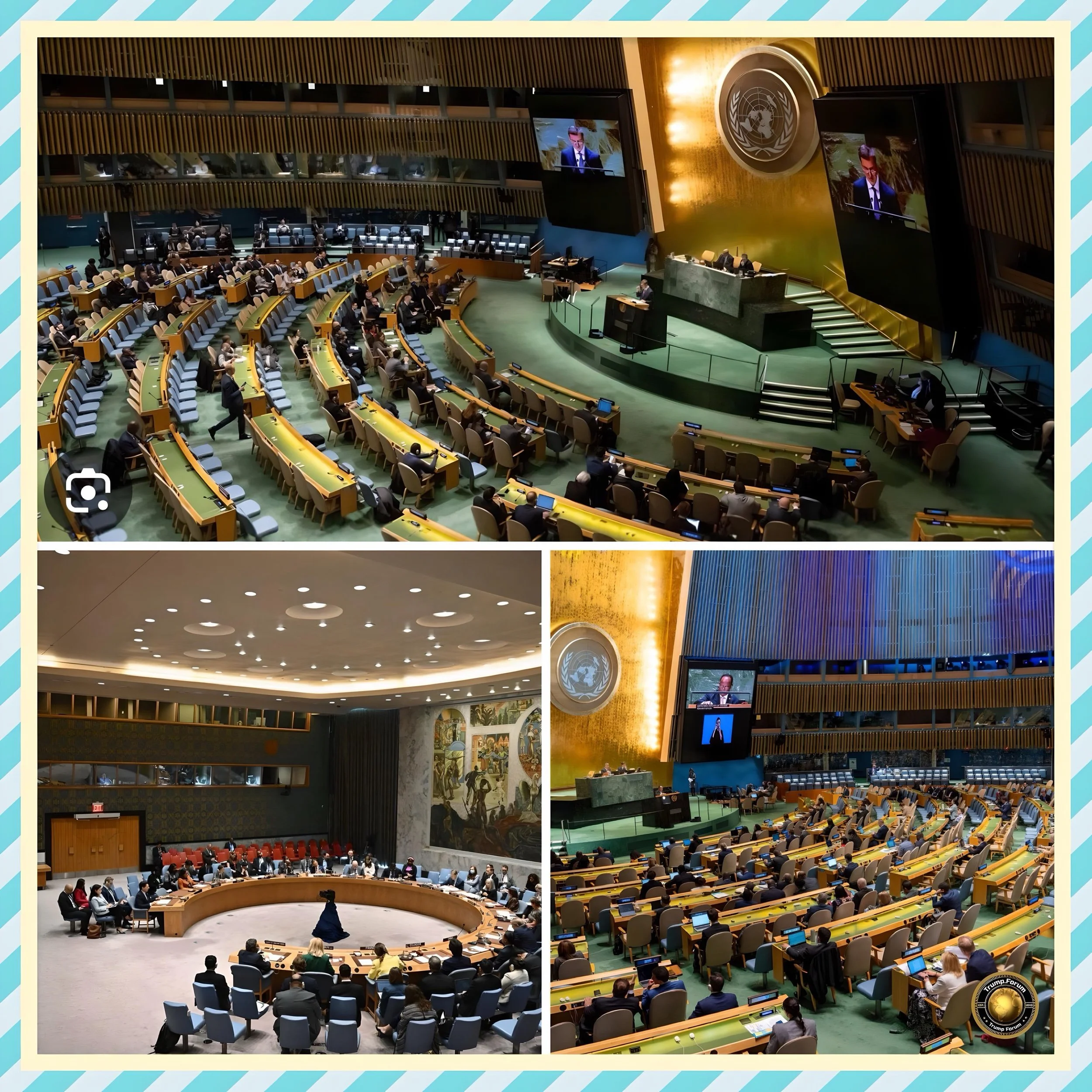
Palestine must navigate a comprehensive two-step approval process to achieve full membership status in the United Nations.
Security Council Recommendation
For this initial stage, Palestine requires a recommendation from the UN Security Council, which necessitates at least nine affirmative votes out of 15 Council members.
Importantly, no vetoes must be raised by any of the five permanent members: the United States, the United Kingdom, France, Russia, and China.
General Assembly Approval
Once a recommendation is secured, Palestine must obtain approval from the UN General Assembly, requiring a two-thirds majority, translating to 129 votes out of the 193 member states.
The United States previously exercised its veto power to block Palestine's Security Council membership bid in April 2024, an action supported by 12 nations but met with firm opposition from the US.
This veto remains a significant barrier to Palestine’s pursuit of full UN membership.
Recent General Assembly Resolutions
The General Assembly can pass non-binding resolutions supporting Palestinian statehood via a simple majority vote.
For instance, the “New York Declaration” on September 12, 2025, garnered widespread backing, receiving 142 votes in favor against 10 opposed, with 12 members choosing to abstain, underlining overwhelming international support for Palestine.
Analysis of Opposition to Palestinian Recognition
Key Opposing Nations
Several nations have consistently opposed the recognition of Palestine, each for varying strategic and political reasons:
United States
The US holds decisive veto power within the Security Council, making it a formidable opponent to Palestinian statehood.
Israel
As the directly affected party in this geopolitical issue, Israel staunchly opposes Palestinian recognition.
Hungary
The government, led by Prime Minister Viktor Orbán, has allied with Israeli Prime Minister Benjamin Netanyahu, reflecting Hungary's strategic political positioning.
Orbán has taken notable steps to withdraw Hungary from the International Criminal Court, to prevent potential arrest warrants against Netanyahu during his official state visits.
Czech Republic
Typically aligned with US-Israel interests due to historical ties, the Czech Republic has echoed opposition against Palestinian recognition.
Argentina
Under the current government, Argentina has witnessed a shift in policy that aligns it against Palestinian statehood.
Several Pacific Island Nations
Countries such as Nauru, Palau, and Micronesia often align their positions with US interests, frequently influenced by aid from the United States.
Despite the government’s position, Hungary has faced mounting internal criticism, particularly from its Jewish communities, who have condemned the administration's stance on this contentious issue.
This internal dissent underscores Hungary's complex interplay of domestic opinion regarding its foreign policy.
US Position and Veto Power
The Trump administration has consistently expressed strong opposition to the recognition of Palestinian statehood.
Secretary of State Marco Rubio characterized France's decision to recognize Palestinian statehood as “reckless,” reflecting a broader U.S. stance that has resulted in the use of six vetoes in the United Nations Security Council against various resolutions about Gaza since October 2023.
U.S. Representative Morgan Ortagus has argued vehemently that recognizing Palestinian statehood merely "rewards terrorism," contending that it undermines ongoing efforts to achieve a lasting peace in the region.
In a move that underscores this position, the administration has barred Palestinian President Mahmoud Abbas and other Palestinian officials from entering the United States, compelling them to participate virtually in critical United Nations meetings, which limits their ability to engage directly in international diplomacy.
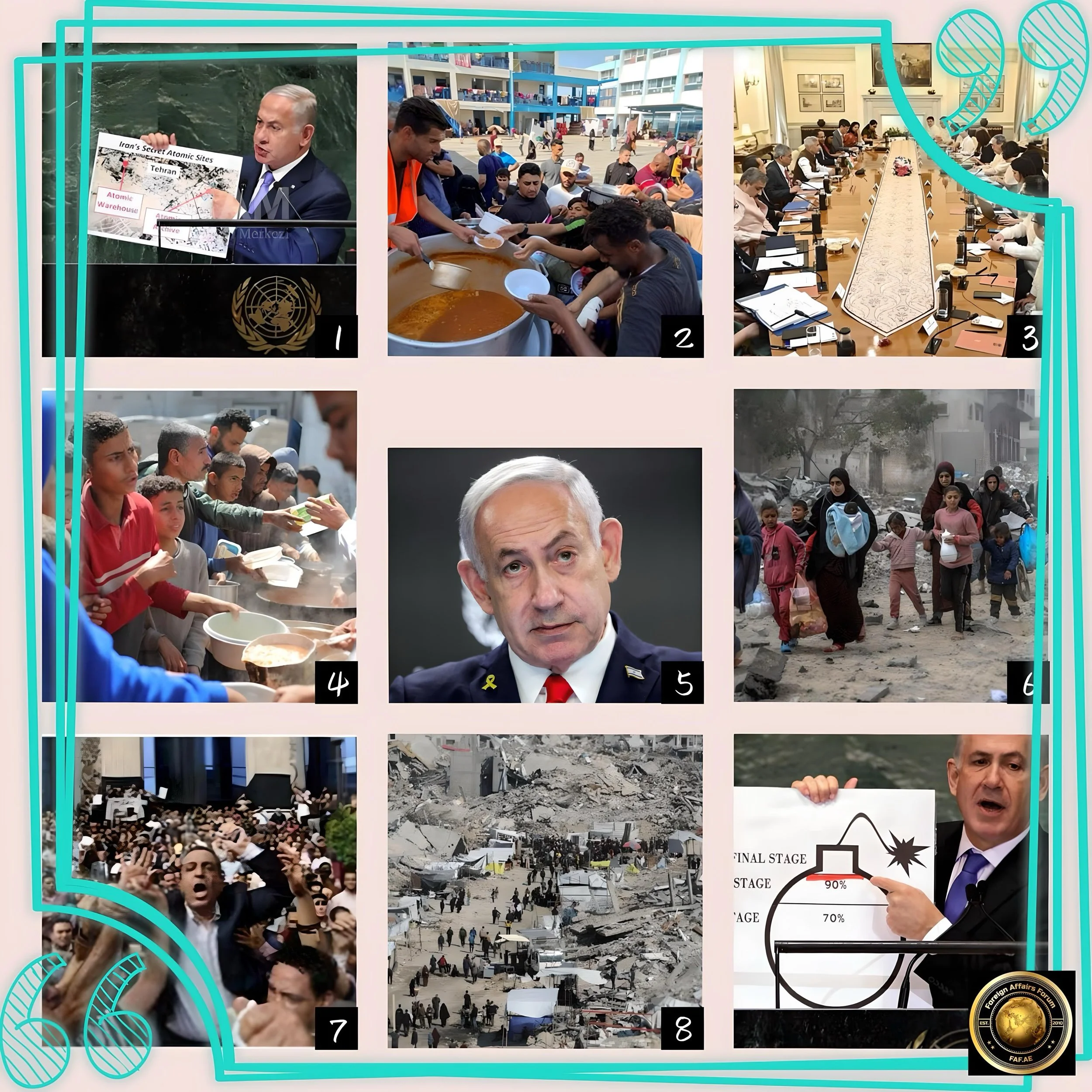
Israeli Prime Minister Benjamin Netanyahu has made his position on Palestinian statehood clear through a series of definitive statements rejecting any potential for its establishment.
In a stark declaration on September 11, 2025, he stated: “There will be no Palestinian state. This place belongs to us," emphasizing the Israeli claim to the land.
Ten days later, on September 21, he reiterated his stance, stating, “It will not happen.
A Palestinian state will not be established west of the Jordan River," reinforcing Israel’s unwavering commitment to maintaining control over the territory.
In conjunction with these political declarations, Netanyahu’s government has advanced a series of strategic actions that further entrench Israeli presence and control over Palestinian territories.
A notable example is the E1 Settlement Plan, which has approved the construction of 3,412 housing units in a critical area designed to physically connect existing settlements and disrupt the contiguity of Palestinian areas within the West Bank.
Additionally, Netanyahu has ordered the complete evacuation and military takeover of Gaza City, implementing strategies that aim for total Israeli control over this heavily populated area.
Plans for the territorial expansion of “Greater Jerusalem” have also been announced, which seek to extend Israeli administrative control into the Jordan Valley, further complicating the prospect of a viable Palestinian state.
Despite international calls for recognition of Palestinian statehood and a growing number of countries acknowledging Palestinian rights, the ground reality remains starkly different.
Israel effectively maintains de facto control over Palestinian territories, with the West Bank fragmented into isolated enclaves.
These enclaves are intricately surrounded by Israeli settlements, fortified checkpoints, and designated military zones, severely limiting Palestinian movement and autonomy.
In Gaza, an ongoing siege has led to complete isolation, with military operations further entrenching Israeli dominance and suppressing any aspirations for self-governance among Palestinians.
Meanwhile, East Jerusalem remains annexed by Israel, disregarding widespread international non-recognition of such actions, thus highlighting the profound disconnect between diplomatic statements and the realities on the ground.
Settlement Expansion Strategy
Finance Minister Bezalel Smotrich has made a bold declaration regarding the E1 project, asserting that it would effectively "bury the idea of a Palestinian state because there is nothing to recognize and no one to recognize."
This statement highlights the Israeli government's clear intention to reshape the geographical landscape and eliminate any feasible prospect of Palestinian statehood.
Settlement Strategy and Its Implications
The Israeli settlement strategy is designed to establish irreversible facts on the ground, thus rendering the possibility of a Palestinian state practically unviable.
The ongoing expansion of settlements is a deliberate attempt to alter the demographics and territorial integrity of areas where a Palestinian state might exist.
Probability of Achieving Statehood
Short-Term Prospects (2025-2027)
Currently, the path for Palestine to attain full membership in the United Nations remains obstructed, primarily due to the unwavering support of the United States, which guarantees a veto in the Security Council.
Under the present US administration, the likelihood of any resolution being passed in favor of Palestinian statehood is virtually non-existent.
Symbolic vs. Practical Impact
While there has been a discernible increase in diplomatic recognition of Palestine, which may exert some pressure on Israel, the tangible impact of these developments is quite limited.
Israeli Prime Minister Netanyahu has made it clear that such international recognition "will not change reality on the ground," as Israel’s military actions and settlement growth persist without interruption.
Long-Term Scenarios for Palestinian Statehood
The future trajectories of Palestinian statehood are fraught with uncertainty and challenges:
Continuation of the Status Quo
The US will likely continue to wield its veto power, maintaining Palestine's current status as an observer state indefinitely.
European-Led Initiative
There is the potential for European nations to lead initiatives to enhance Palestine's observer privileges or facilitate different international frameworks that could provide support.
Demographic Pressure
Should international isolation intensify, it might eventually compel Israeli authorities to reconsider their policies due to growing global condemnation.
Annexation Reality
The ongoing expansion of Israeli settlements could make the realization of a two-state solution geographically impossible, further entrenching the annexation of Palestinian territories.
Constraints on the Future of Palestine
Without Israeli Agreement
With Netanyahu's firm rejection of any negotiations towards statehood and the strong backing from the US, the prospects for Palestine appear severely restricted.
Political Options
In this constrained environment, Palestine could pursue various strategies, such as:
Maintaining its observer status at the UN while seeking expanded privileges.
Forging regional recognition and cooperation agreements with neighboring states.
Initiating international legal proceedings through international bodies like the International Court of Justice (ICJ) and the International Criminal Court (ICC).
Leading diplomatic campaigns aimed at isolating Israel on the world stage.
Territorial Reality
The situation on the ground paints a stark picture.
The West Bank is becoming increasingly fragmented due to the relentless expansion of settlements, creating a patchwork of disconnected Palestinian territories.
Gaza may face the risk of becoming permanently under Israeli control, complicating any future negotiations.
East Jerusalem has been effectively annexed, extinguishing hopes for its return to Palestinian governance.
Economic and Humanitarian Consequences
Gaza
The region is poised for complete reconstruction under Israeli oversight, which includes the establishment of "humanitarian zones" intended to concentrate the population.
This could significantly alter the sociopolitical fabric of Gaza.
West Bank
The imposition of military restrictions combined with encroaching settlements leads to economic strangulation, undermining the livelihood of many Palestinian residents.
Refugee Population
Ongoing displacement continues to plague the refugee population, exacerbated by a lack of substantial international support.
This demographic crisis further complicates the region's chances for future peace and stability.
Conclusion
The recent surge in diplomatic recognition for Palestine, with more than 150 countries offering support, appears to be more of a symbolic triumph than a significant step toward genuine progress.
Despite this growing acknowledgment, the prospects for meaningful Palestinian statehood remain bleak due to a combination of factors, including the United States’ veto power in the United Nations, Israel's military dominance over Palestinian territories, and the ongoing expansion of Israeli settlements, which together form an imposing barrier to any actionable statehood.
Prime Minister Benjamin Netanyahu’s current strategy seems meticulously designed to entrench irreversible territorial realities.
At the same time, the international community remains caught up in the debate over formal recognition for Palestine.
The ambitious E1 settlement plan and the military takeover of Gaza are critical components of a broader, systematic approach aimed at undermining the geographical foundations necessary for Palestinian statehood.
These actions reflect a troubling trend that prioritizes settlement expansion over diplomatic resolutions.
Looking ahead, the likelihood of establishing a functional Palestinian state within the next five to ten years seems extraordinarily low, unless there are substantial and transformative shifts in either U.S. foreign policy or the dynamics of Israeli domestic politics.
Current trajectories indicate a worrying movement towards de facto annexation, effectively sidelining the prospect of implementing a two-state solution in favor of solidifying Israeli presence and authority in contested areas.