Trump’s Historic Second UK State Visit: Highlights, Challenges, and Diplomatic Implications
Executive Summary
Trump’s Landmark Second State Visit to the UK: Key Moments, Challenges Faced, and Diplomatic Consequences.
Former President Donald Trump’s second state visit to the United Kingdom marked a significant moment in transatlantic relations, showcasing both the pomp of diplomatic ceremonies and the complexity of international politics.
The visit featured a lavish welcome ceremony at Buckingham Palace, attended by Queen Elizabeth II, who hosted a formal banquet in honor of the U.S. leader.
The grandeur of the occasion was underscored by military honors and a display of traditional British pageantry, symbolizing the enduring bond between the two nations.
Amidst the fanfare, Trump’s visit was not without its challenges. Protests erupted across various cities, with demonstrators voicing their dissent over numerous policies and actions taken during his administration.
The stark contrast between the celebratory events and the vocal opposition highlighted the divisive sentiments surrounding his presidency both domestically and abroad.
Diplomatically, the visit offered a platform for discussions on key issues such as trade relations, security cooperation, and climate change.
High-level meetings between Trump and British officials aimed to reinforce the so-called “special relationship” between the United States and the UK.
However, underlying tensions regarding trade negotiations following Brexit and differing approaches to foreign policy presented hurdles that required careful navigation.
Overall, Trump’s second state visit to the UK served not only as a display of ceremonial grandeur but also as a reflection of the intricate web of alliances, challenges, and diplomatic responsibilities that define contemporary international relations.
Introduction
Key Visit Highlights and Political Outcomes
Historic Ceremony and Royal Reception
Overview of President Trump’s Second State Visit to the UK (September 16-19, 2025)
President Donald Trump etched his name into history once again during his unprecedented second state visit to the United Kingdom, making him the first U.S. president to receive this honor on two separate occasions.
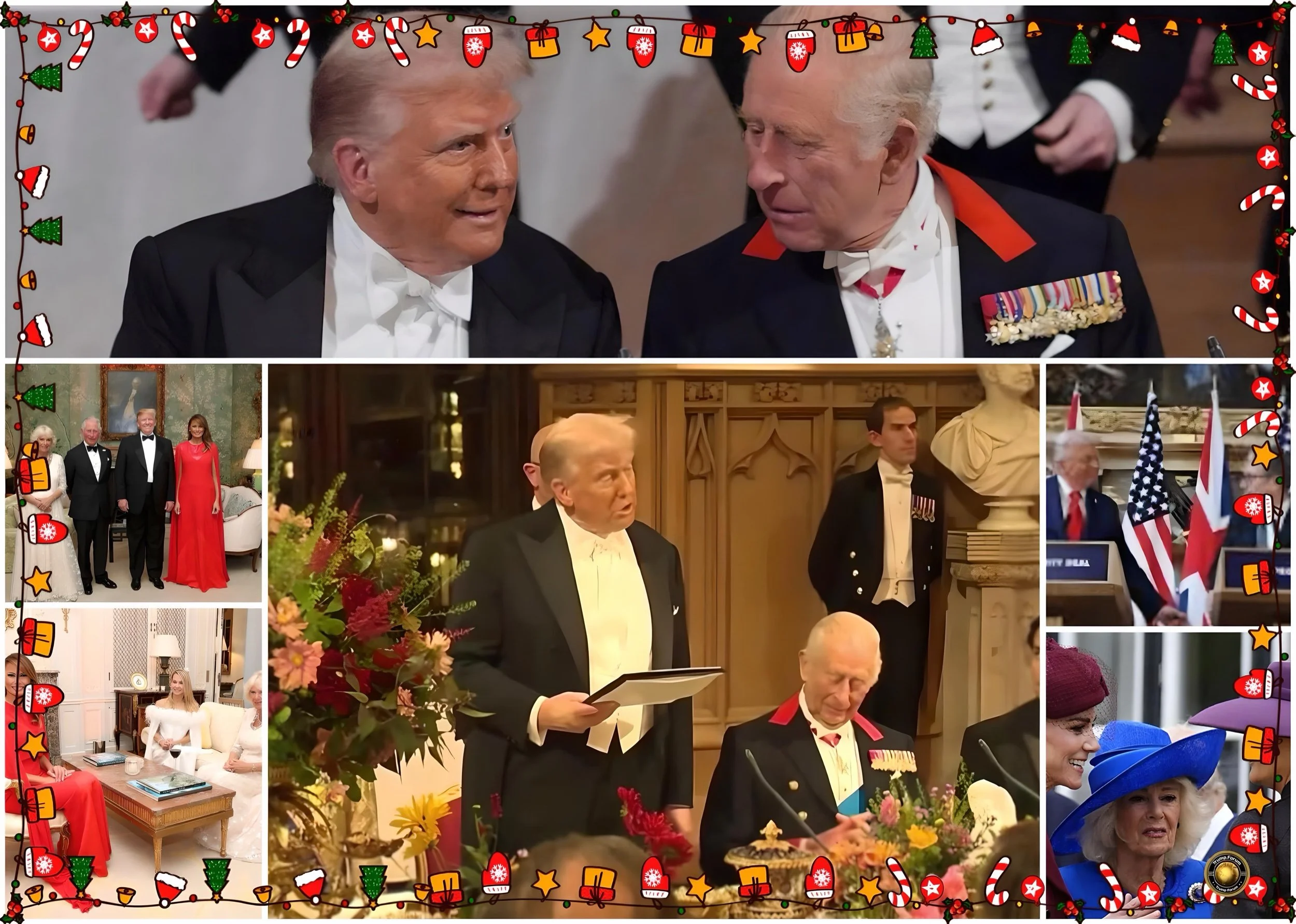
This state visit was marked by a display of full royal ceremonial pageantry at the historic Windsor Castle, where the grandeur of the occasion included an opulent carriage procession and a lavish state banquet.
Approximately 150 esteemed guests attended the banquet, underscoring the significance of the event in diplomatic relations.
Among the highlights of the visit were vital discussions with King Charles III and Queen Camilla.
Trump expressed immense pride as he described the visit as “one of the highest honors of my life,” emphasizing the strong ties and mutual respect between the two nations.
Key Political and Economic Developments
A significant milestone of this visit was the announcement of the Technology Prosperity Deal (TPD), a groundbreaking agreement valued at $350 billion that aims to foster technological collaboration between the United States and the United Kingdom.
Key Components of the TPD Include
Investment Commitment
A staggering £150 billion, equivalent to approximately $204 billion, is pledged for U.S. investments within the UK.
Of this ambitious funding, an impressive £90 billion will be contributed by Blackstone over a span of ten years, signaling robust confidence in the UK market.
Corporate Contributions
Renowned tech giants have made substantial financial pledges to the deal: Microsoft has committed £22 billion, Nvidia has allocated £11 billion, Google/Alphabet has offered £5 billion, and OpenAI has also made significant contributions, showcasing the commitment of major players in the tech industry to this transatlantic partnership.
Nuclear Energy Projects
As a cornerstone of energy independence efforts, plans have been laid out for the construction of 12 advanced nuclear reactors in Northern England.
These initiatives aim to bolster the UK's capacity for clean energy generation and reduce dependence on external resources.
Job Creation
The ambitious partnership is projected to create approximately 15,000 new jobs in the UK, alongside an estimated 2,500 job opportunities in the United States, thereby contributing positively to both economies.
Joint Research Initiatives
The TPD promotes collaborative research ventures in cutting-edge fields such as artificial intelligence, quantum computing, and civil nuclear energy.
Noteworthy partnerships are set to form between prestigious research institutions, including the U.S. Center for AI Standards and Innovation and the UK AI Security Institute, enhancing innovation and technological advancement.
Energy Independence Goal
A shared objective between the two nations is to completely eliminate reliance on Russian nuclear fuel by the close of 2028. This ambition reflects a commitment to national security and energy autonomy amidst shifting global dynamics.
This visit not only solidified the diplomatic relationship between the U.S. and the UK but also set a dynamic framework for future collaboration in technology, energy, and job creation.
Press Conference Insights
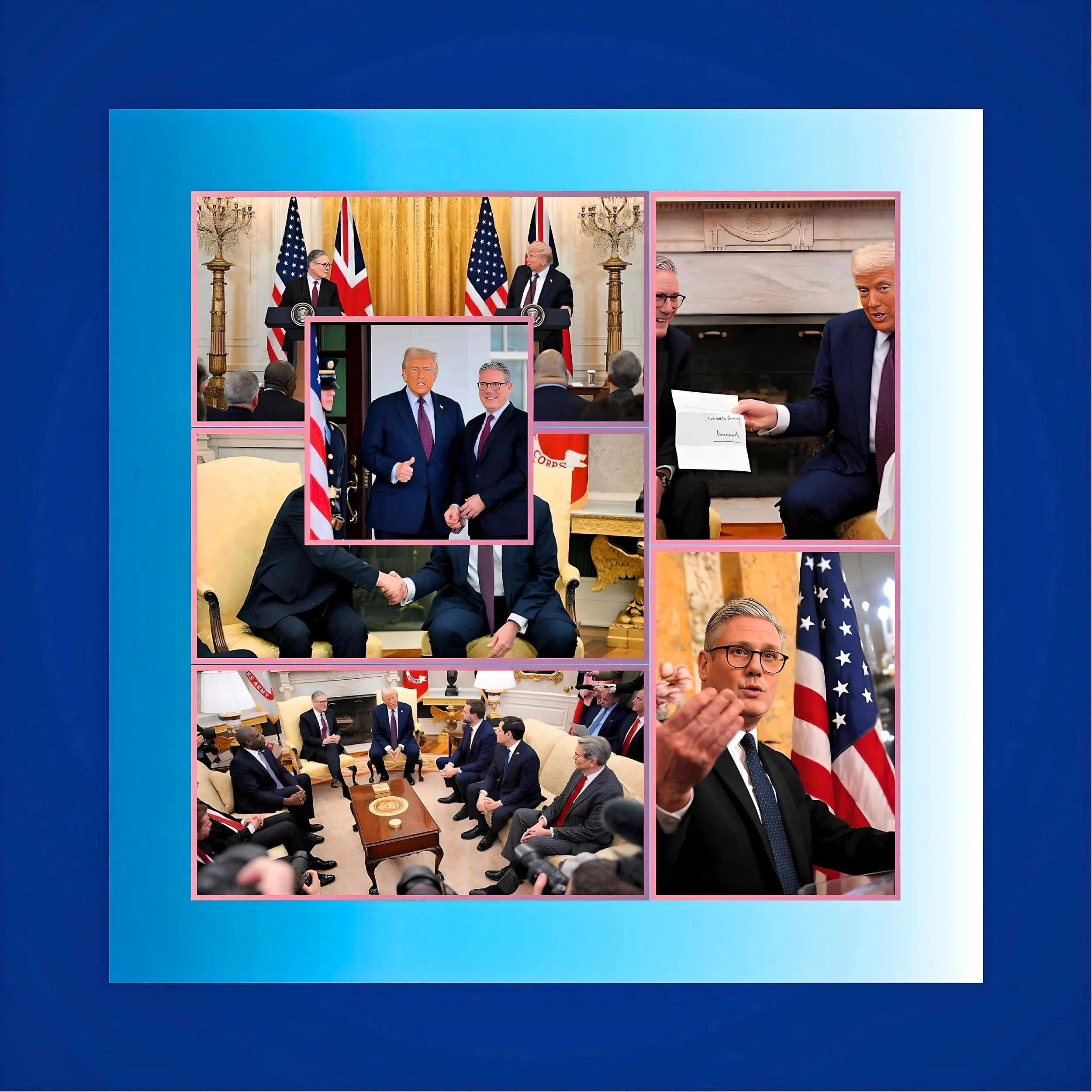
During the joint press conference held at Chequers on September 18, several significant exchanges unfolded that highlighted the contrasting perspectives of the two leaders.
Immigration Policy
Donald Trump urged UK Prime Minister Keir Starmer to take a firmer stance on illegal immigration, advocating for potentially controversial measures, including military intervention if deemed necessary.
His call emphasized a desire for more robust border enforcement, advocating that the UK should adopt a tougher posture towards unauthorized entries and challenges to immigration policy.
Ukraine Conflict
In a candid moment regarding international relations, Trump conveyed his disappointment in President Vladimir Putin concerning the protracted and unresolved crisis in Ukraine.
He voiced concerns over the lack of progress in addressing the conflict. In stark contrast, Starmer affirmed the United Kingdom's unwavering commitment to support Ukraine, stressing the importance of diplomatic efforts to foster peace in the region.
He articulated a vision for sustained backing of Ukrainian sovereignty while advocating for a united front to apply pressure on Russia for a peaceful resolution.
Palestinian Statehood Recognition
On the matter of recognizing Palestinian statehood, Trump acknowledged that there exists a point of contention between him and Starmer.
However, he downplayed the significance of this disagreement, characterizing it as a minor issue in what he described as a robust and cooperative partnership.
Starmer took the opportunity to clarify that the decision regarding the timing of Palestine's recognition was not influenced by Trump’s visit; rather, it was part of an overarching initiative aimed at fostering lasting peace in the region.
Trade Relations
Both leaders celebrated the enduring "special relationship" between the United States and the United Kingdom. Trump took a moment to commend Starmer’s adept negotiation skills, particularly in securing favorable tariff agreements.
This included ongoing discussions about the removal of the 25% tariffs that the U.S. imposes on steel and aluminum imports.
Their dialogue underscored a mutual interest in enhancing trade relations and pursuing beneficial economic collaborations that would strengthen both nations' industries.
Public Protests and Security Measures
The recent state visit encountered significant opposition, marked by large-scale protests throughout London and Windsor. The Stop Trump Coalition orchestrated a major demonstration that drew roughly 5,000 participants in the heart of central London.
Protesters brandished eye-catching placards that conveyed messages like "No to racism, no to Trump," and they revived the iconic "Trump baby blimp," which had previously become a symbol of dissent during his earlier visit.
The blimp, depicting a caricature of the President as an infant, added a humorous yet poignant touch to the protests.
In response to the potential unrest, law enforcement deployed an extensive security detail that included over 1,600 police officers, ensuring a heightened security presence throughout the city.
To further mitigate the risk of confrontation, official events were meticulously scheduled away from the protest hotspots, effectively limiting Trump's exposure to demonstrators and crafting an itinerary designed to avoid any direct clashes.
Regarding public sentiment, despite receiving a formal and ceremonious welcome from government officials, Trump's standing among the British populace remains notably low.
A recent YouGov survey revealed that 45% of participants considered the invitation extended to Trump inappropriate, while only 30% felt it was warranted.
This stark contrast reflects the prevailing discontent and skepticism regarding the President's visit among many in the UK.
Response to UK’s Recognition of Palestine
Former President Donald Trump expressed strong disapproval regarding the United Kingdom's decision to officially recognize Palestinian statehood.
During a press conference, he articulated his concerns, suggesting that such recognition could inadvertently empower Hamas, a militant group that he views as a significant barrier to peace in the region.
Just three days after Trump's departure from office, the UK made a significant diplomatic move by formally recognizing the State of Palestine.
This decision positioned the UK alongside other nations, including Canada, Australia, and Portugal, that have also embraced this stance in support of Palestinian aspirations for statehood.
Prime Minister Keir Starmer emphasized that this recognition aligns with a renewed commitment to fostering peace between Palestinians and Israelis.
He framed the UK's decision not only as a political gesture but as a crucial step towards enhancing dialogue and cooperation aimed at resolving long-standing conflicts in the region.
Conclusion
Diplomatic Dynamics Between the UK and U.S.: A Focus on Palestine Recognition
The recent recognition of Palestine has posed a unique diplomatic challenge, yet both U.S. President Trump and UK Prime Minister Starmer emphasized the enduring strength of the bilateral relationship between their nations.
President Trump characterized the ties between the United Kingdom and the United States as “unbreakable,” highlighting the deep-rooted connection that has historically characterized their alliance.
In contrast, Prime Minister Starmer articulated the importance of this partnership, referring to the United States and the United Kingdom as “first partners” across critical areas such as defense, international trade, and technological innovation.
This framing underscores the necessity of collaboration in addressing global challenges and advancing shared interests.
As the situation unfolds, the U.S. State Department's forthcoming response to the UK’s recognition of Palestine is expected to play a pivotal role in shaping the ongoing diplomatic discourse between the two nations.
Observers anticipate that this response will not only reflect U.S. policy but also set the tone for future engagements on Middle Eastern affairs and the wider geopolitical landscape.