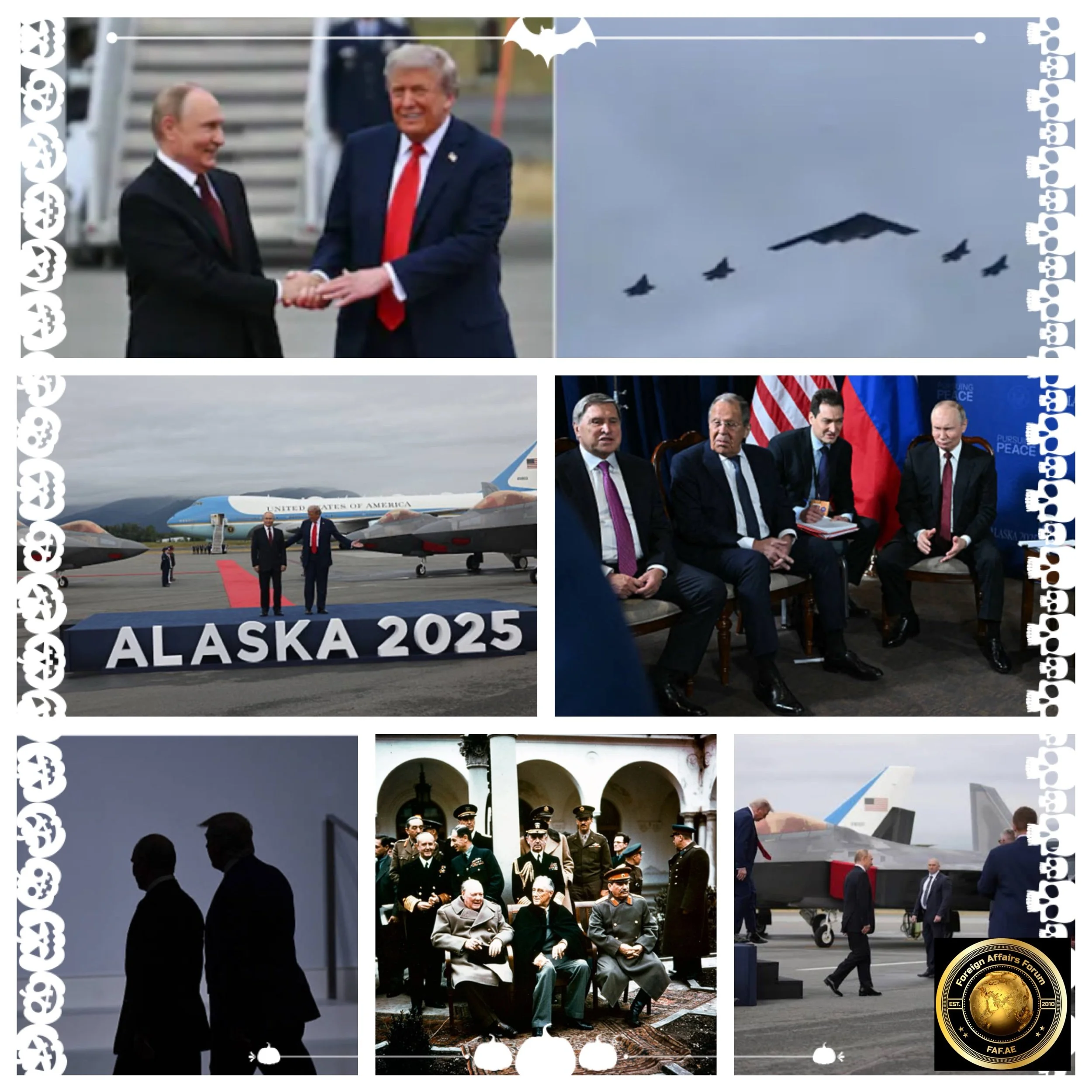
The Potential Trump-Putin Alaska Summit: A New Yalta or Path to Peace? Global Implications and Reactions - Part II
Executive Summary
In an era defined by escalating geopolitical tensions and realigning alliances, the much-anticipated summit between former President Donald Trump and Russian President Vladimir Putin is set to take place in Alaska's breathtaking, pristine wilderness.
This gathering stirred a complex mix of hope and apprehension; however, the outcomes have suggested a disappointing lack of progress.
Mirroring the historic Yalta Conference of 1945—where wartime leaders came together to lay the groundwork for the post-war order—this summit promises to chart a new course towards enduring peace between the United States and Russia, yet it appears to be failing to deliver substantial results.
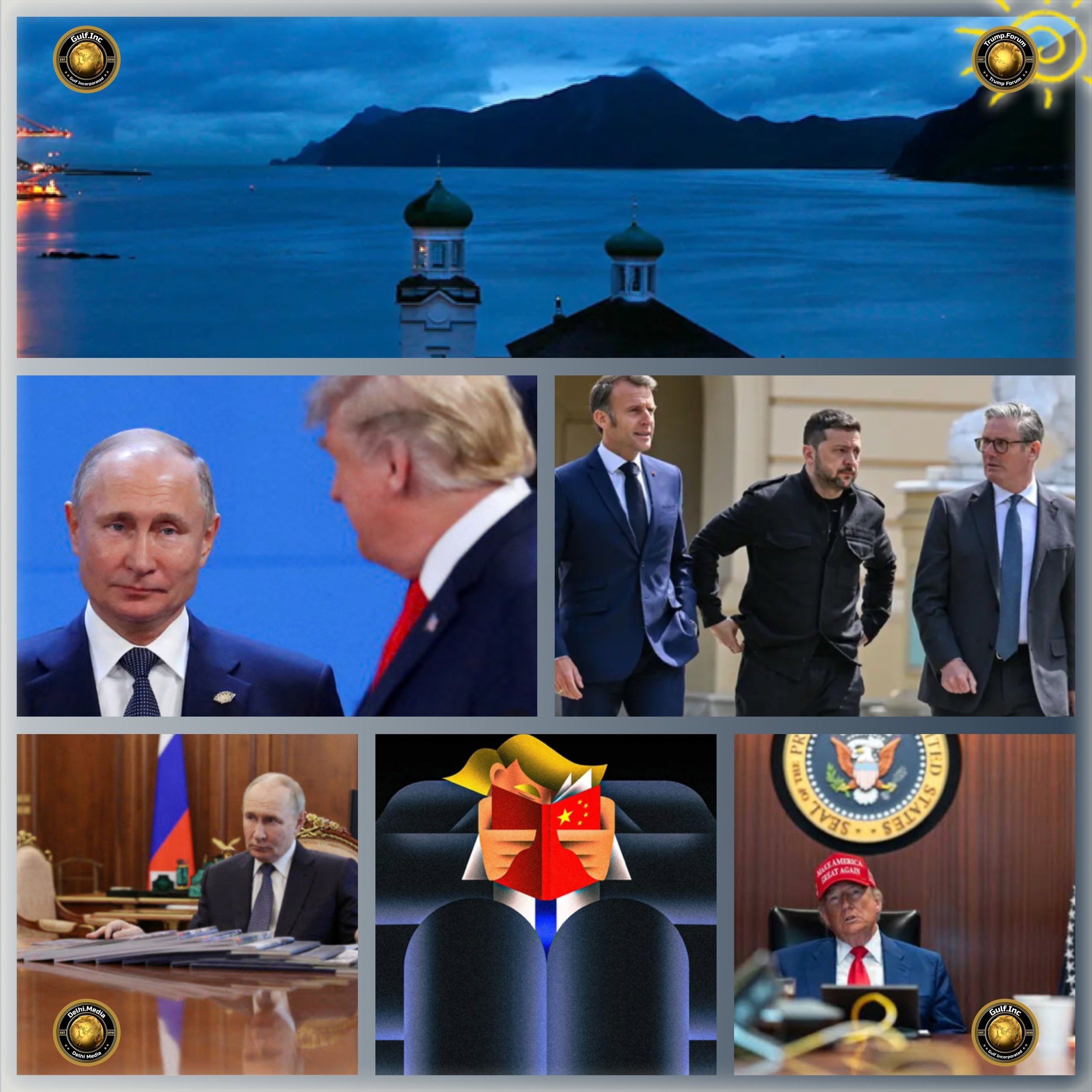
Against the majestic backdrop of Alaska’s dramatic landscape, with its towering mountains and shimmering glaciers, the summit has captured the keen attention of global leaders and analysts alike.
Their scrutiny centers on the potential ramifications this high-stakes meeting might unleash.
The summit symbolized a bold endeavor to reconcile deep-seated differences and address long-standing disputes, ranging from territorial disagreements to cyber warfare complexities.
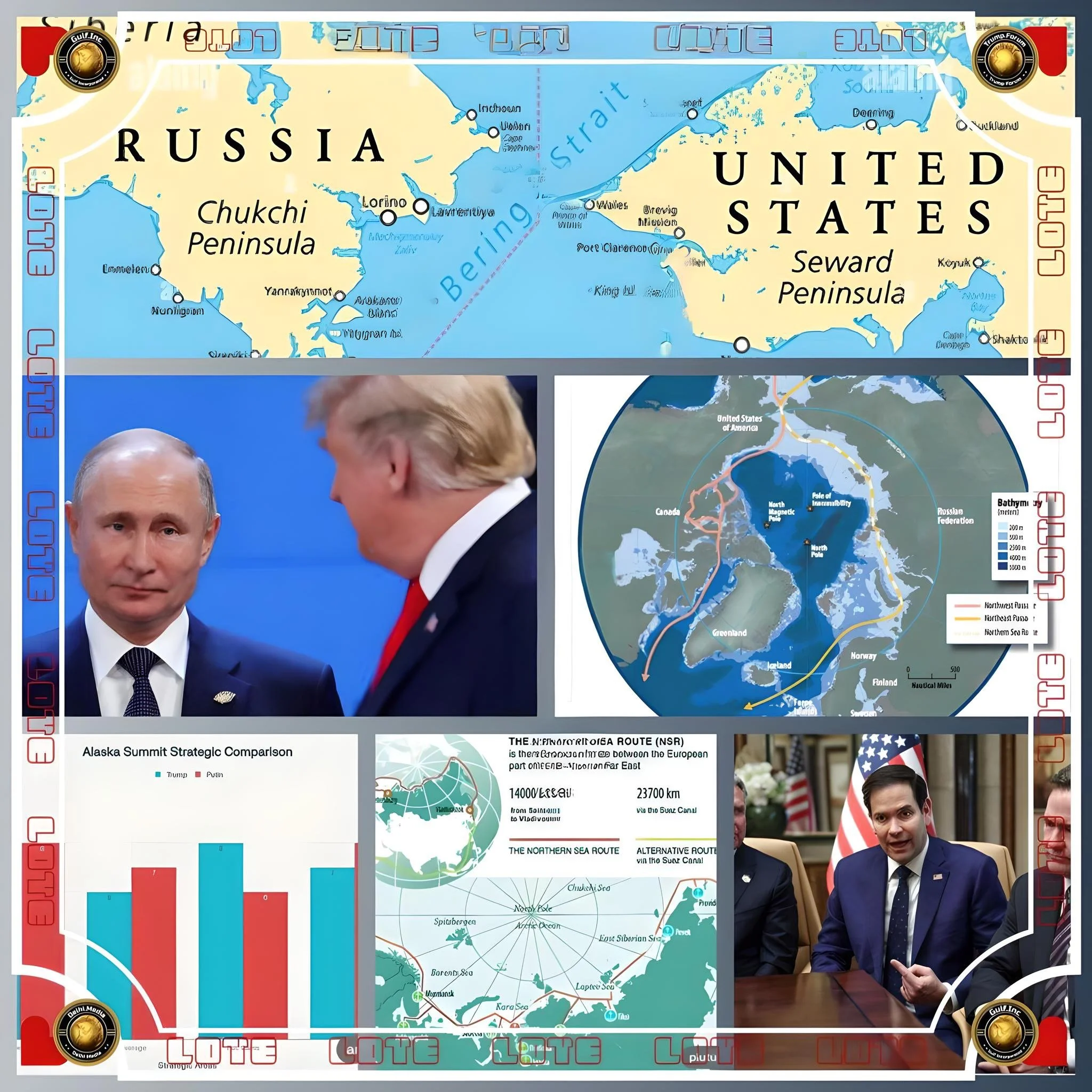
With the Arctic emerging as a region of increasing strategic relevance due to climate change and the consequent melting of ice caps, Alaska has been selected as a fitting arena for both leaders to confront critical issues.
These included resource management, military presence, and the need for international collaboration in this fragile region, yet they primarily resulted in mere accolades without significant agreements.
Reactions from the international community have varied widely, expressing a blend of cautious optimism and outright skepticism.
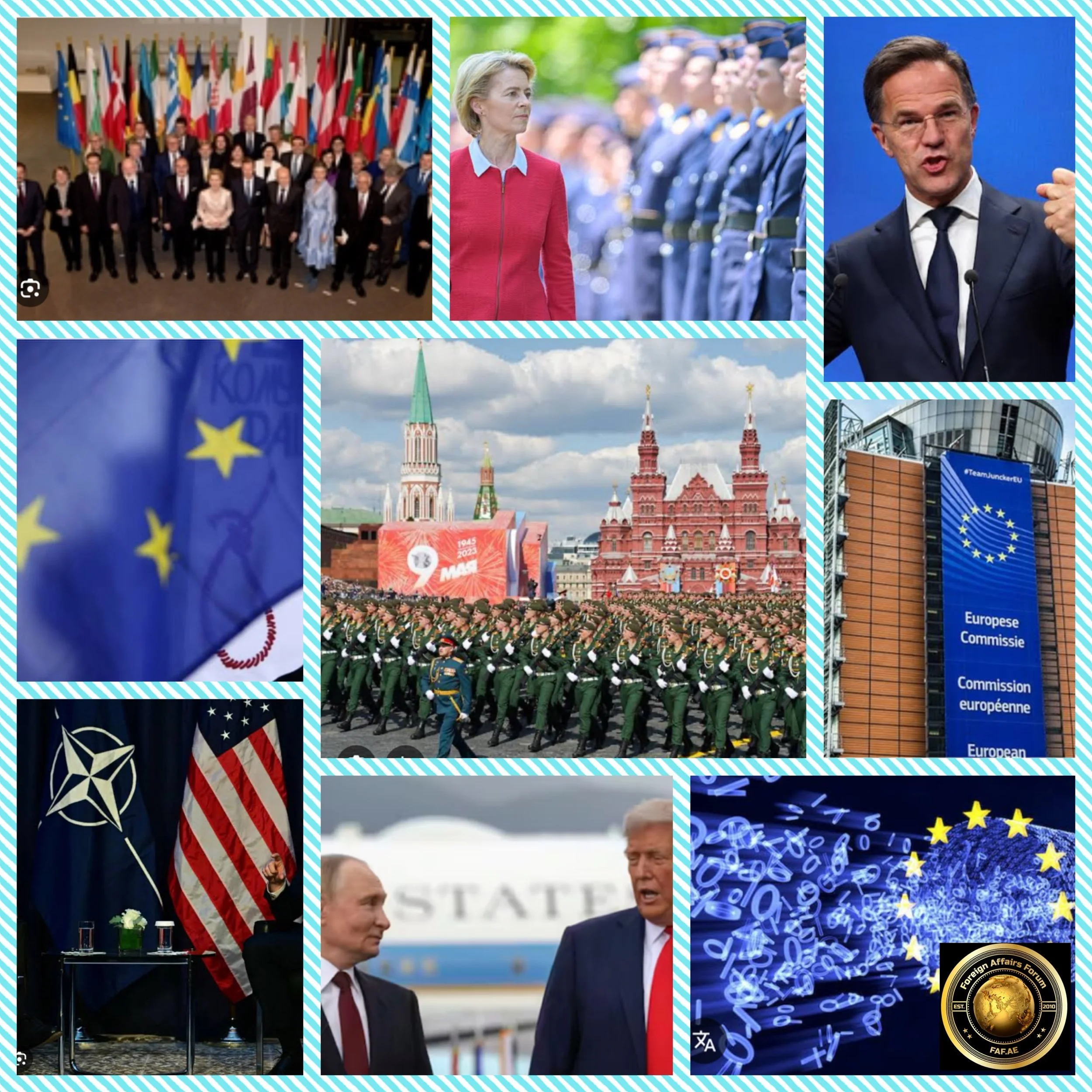
European allies have voiced apprehensions regarding the ramifications of a rapprochement between Trump and Putin, fearing it may threaten their security frameworks and complicate the already complicated geopolitical landscape.
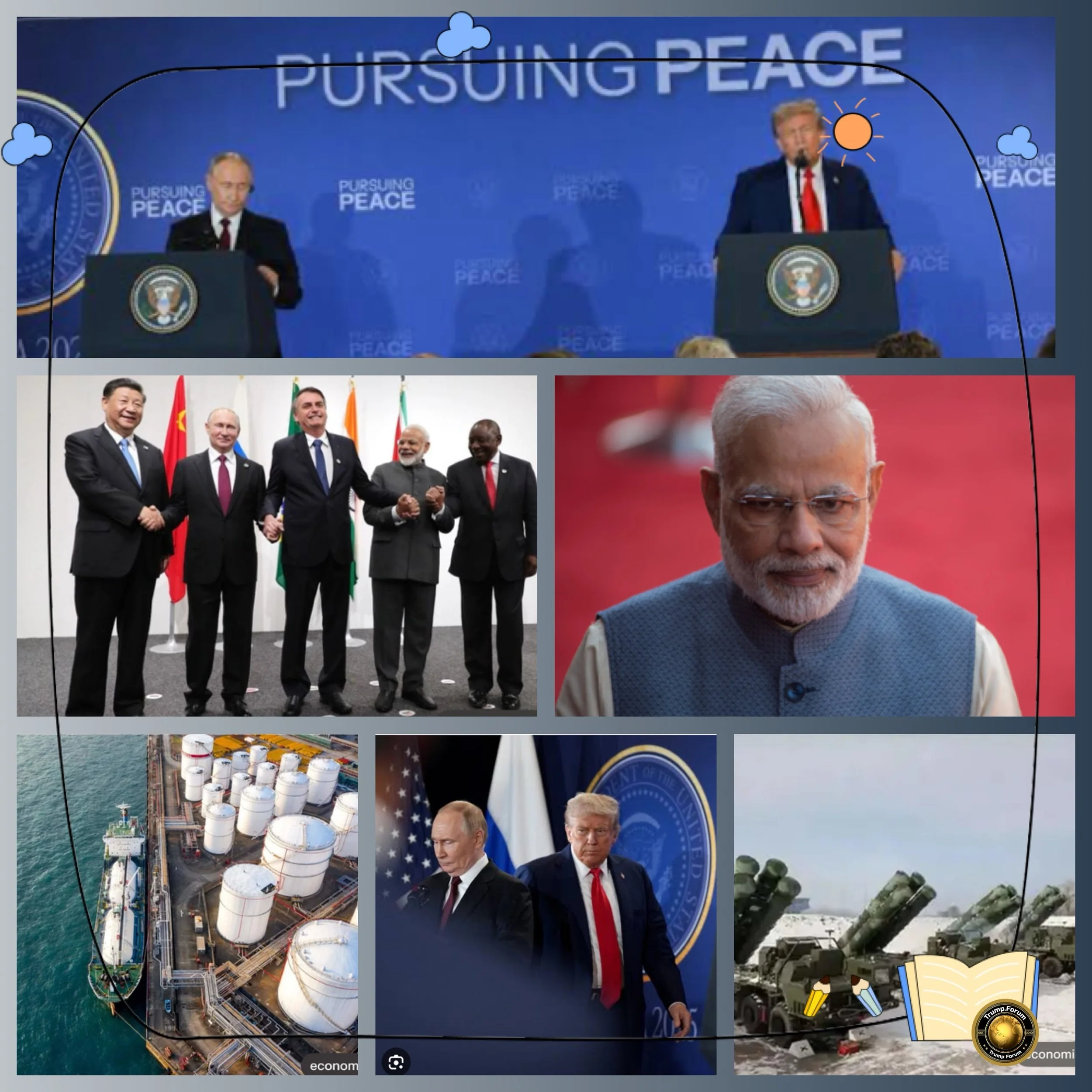
On the other hand, countries such as China and India initially regarded the summit as an opportunity to reassess their diplomatic strategies, particularly about the emerging BRICS alliance.
They appear poised to recalibrate their foreign policies contingent upon the outcome of the discussions in Alaska, potentially embracing greater self-reliance and reducing their dependence on American influence.
As FAF analyzes the possible impacts of this summit, it becomes crucial to reflect on how such a meeting may not only influence U.S.-Russia relations but also reshape the broader international order.
Will the high-level discussions facilitate a de-escalation of existing tensions, or will they entangle the global community in an even more complex web of alliances and rivalries?
Only time will reveal the answers as America grapples with its diminishing role on the world stage.
The stakes are extraordinarily high, and nations across the globe are watching intently. Scholars are scrambling the history narratives, and physiologists are assessing their review of Putin and Trump's minds.
This pivotal event unfolds with uncertainty, leaving many to wonder what the future holds for international relations in an increasingly volatile world.
Introduction
The Trump-Putin Alaska Summit diplomatic event that occurred on August 15, 2025, at Joint Base Elmendorf-Richardson in Anchorage. It has been dubbed the biggest failure of the Trump administration.
After nearly three hours of discussions, the summit concluded in complete failure, with both leaders acknowledging that no agreement was reached to end the war in Ukraine.
FAF analysis delves into the summit’s breakdown, global reactions, and profound implications for international order—revealing not a “path to peace” but rather the dangerous limitations of transactional diplomacy in resolving complex geopolitical conflicts.
The summit’s failure represents a watershed moment in 21st-century diplomacy, exposing the fundamental incompatibility between Putin’s maximalist territorial demands and any meaningful framework for sustainable peace.
More critically, it demonstrates how the erosion of multilateral diplomatic structures and the return to bilateral great power bargaining can produce not stability, but dangerous precedents that threaten the foundations of international law and order.
The Summit’s Spectacular Failure
The Alaska Summit’s collapse was as dramatic as its ambitious setup. Despite Trump’s elaborate welcome—complete with red carpet, military flyovers, and a “Pursuing Peace” backdrop—the meeting produced no ceasefire, framework for future negotiations, or concrete steps toward ending Europe’s deadliest conflict since 1945.
The Moment of Breakdown: Trump’s admission that “there’s no deal until there’s a deal” encapsulated the summit’s failure. Despite claiming “many points were agreed to,” neither leader could identify a concrete achievement.
The absence of any progress on the primary objective—a Ukraine ceasefire—was particularly striking given Trump’s pre-summit confidence and warnings of “severe consequences” for Russia if talks failed.
Putin’s response was equally telling. While claiming an “understanding” had been reached, he reiterated Russia’s maximalist demands, insisting that “all root causes of the crisis must be eliminated”—diplomatic code for Ukraine’s complete capitulation to Russian territorial claims and abandonment of NATO aspirations.
His warning to Europe not to “torpedo the nascent progress” revealed Moscow’s strategy of using summit rhetoric to divide Western allies while offering no substantive concessions
Summit Failure
The summit’s choreography inadvertently highlighted its substantive emptiness.
Putin’s arrival in Trump’s presidential limousine—an unprecedented breach of protocol between adversaries—symbolized Trump’s willingness to grant symbolic victories without securing reciprocal concessions.
Both leaders' immediate departure after brief, vague statements without taking questions from reporters underscored their inability to explain what, if anything, had been accomplished.
Global Reactions: Relief, Concern, and Strategic Recalibration
The international response to the summit’s failure revealed a complex mosaic of relief, anxiety, and strategic opportunism that illuminated the deep fractures in contemporary global order.
European Allies: Cautious Relief Mixed with Alarm
European reactions demonstrated the profound tensions within the Western alliance over Trump’s unilateral approach to great power diplomacy.
While publicly welcoming Trump’s engagement with Putin, European leaders privately expressed relief that no damaging agreements had emerged from the talks.
Czech Foreign Minister Jan Lipavsky captured the European skepticism, noting: “If Putin were serious about negotiating, he would not have been attacking Ukraine all day today”.
This observation highlighted the fundamental European concern that Putin was using diplomatic engagement as cover for continued military aggression rather than genuine peace-seeking.
German and French officials, speaking anonymously, expressed particular alarm at the exclusion of European voices from negotiations that directly affected European security.
The summit reinforced fears of a return to spheres-of-influence politics, in which great powers divided the world without consulting affected allies or partners.
Ukraine: Between Relief and Abandonment Fears
Ukraine’s reaction reflected the complex psychology of a nation whose fate was being discussed without participation.
Despite Trump’s earlier suggestions of a trilateral meeting, President Zelensky's absence from the summit embodied the exclusionary logic that European leaders feared.
Ukrainian Parliamentary Committee Chair Oleksandr Merezhko characterized the summit as “already a diplomatic win for Putin” simply because Trump had brought him “into the limelight”.
This assessment reflected broader Ukrainian concerns that any US-Russia dialogue would legitimize Putin’s position while potentially undermining Ukraine’s negotiating stance.
The war’s continuation during the summit—with Russian attacks persisting even as the leaders spoke—underscored the gap between diplomatic summit and battlefield reality.
Ukrainian officials noted grimly that “Putin has bought himself more time” while offering no meaningful concessions.
Strategic Competitors: China’s Calculated Satisfaction
China emerged as a significant indirect beneficiary of the recent summit, despite its lack of direct participation. The Chinese response to the summit indicates a sophisticated understanding of how the Alaska summit might influence its territorial aspirations, particularly with respect to Taiwan.
Former President Trump’s assertion that Beijing would refrain from aggression toward Taiwan during his administration stands in stark contrast to his administration's actions, which included distancing from Taiwan while simultaneously courting China through various diplomatic concessions and ultimately canceling a Taiwanese delegation's visit to New York.
Craig Singleton from the Foundation for Defense of Democracies noted that China interprets the Alaska summit as an affirmation of Trump's "great-power bargaining" instinct, positioning Russia, China, and the United States as coequal poles in international relations, thereby reintroducing spheres-of-influence dynamics.
This perspective implies that China perceives the summit—not merely for its outcomes—as a validation of significant bilateral negotiations that overshadow the concerns of smaller nations.
The Foreign Affairs Forum (FAF) raises critical questions about whether this indeed validates Trump’s bargaining power, suggesting that the summit may reflect a desperate attempt to establish a ceasefire in exchange for a Nobel Prize, highlighting potential strategic disadvantages.
Furthermore, the summit's bilateral framework, which excluded key stakeholders like Ukraine, serves as a precedent that China could reference in future discussions regarding Taiwan.
Xi Jinping’s favorable comments about US-Russia dialogue underscore Beijing's intent to normalize such an approach to territorial disputes moving forward.
India and the Global South: Hedging Strategies Intensify
For countries like India, caught between competing great powers, the summit’s failure represented opportunity and risk.
India’s balanced response—welcoming dialogue while avoiding substantive commentary—reflected its broader strategy of strategic autonomy in an increasingly polarized world.
The summit’s breakdown potentially reduces pressure on India to choose sides definitively between Washington and Moscow, allowing continued engagement with both powers.
However, it raises concerns about the precedent of territorial changes through force, particularly relevant given India’s border disputes with China and Pakistan.
Historical Parallels and the Yalta Question
While imperfect, the comparison to the 1945 Yalta Conference illuminates crucial aspects of the Alaska Summit’s significance and failure.
Structural Similarities to Yalta
Like Yalta, the Alaska Summit represented an attempt by great powers to resolve complex territorial and security issues through bilateral negotiations, excluding the most directly affected parties.
The exclusion of Ukraine from Alaska paralleled the marginalization of smaller Eastern European nations at Yalta, raising concerns about a return to spheres-of-influence politics.
The geographical symbolism was striking: just as Yalta occurred in Soviet territory with Stalin as host, Alaska—former Russian territory—provided Putin with symbolic advantages and historical resonance.
During the summit, Putin’s references to Alaska’s Russian heritage reinforced these historical echoes.
Critical Differences and Modern Constraints
The failure of the Alaska Summit starkly contrasts with the historical dynamics of the Yalta Conference.
In 1945, the Soviet Union entered negotiations with significant leverage, buoyed by military victories and a compelling need for collaboration with the Allied powers.
Conversely, while Putin's Russia approached the Alaska Summit from a comparatively weakened position relative to Yalta, it nonetheless retained a strategic winning status before and after the summit’s outcomes.
During the Yalta Conference, the economic challenges facing the Soviet Union—aggravated by wartime sanctions and heavy military expenditures—afforded Franklin D. Roosevelt and Winston Churchill a unique leverage that was absent in their interactions with Joseph Stalin.
This disparity allowed the Allies to exert greater influence than what was observed in the recent negotiations.
Despite the unfavorable conclusions of the Alaska Summit for the United States, it is significant that Putin effectively emerged victorious, analogous to Stalin's gains at Yalta.
Donald Trump’s posturing surrounding the imposition of "severe economic consequences" functioned as a novel negotiation tactic not utilized by his predecessors.
However, in the current geopolitical landscape, such threats have proven ineffectual, lacking the impact necessary to alter outcomes.
Additionally, today's strategic landscape is characterized by nuclear parity among multiple states, in stark contrast to 1945 when only the United States held nuclear capabilities.
This evolution towards a multipolar nuclear framework adds a layer of complexity, inhibiting both leaders from making substantial concessions or engaging in aggressive posturing, leaving both nations in a state of mutual vulnerability.
The Message to the World: Transactional Diplomacy’s Limits
The failure of the Alaska Summit conveyed important insights regarding the current state of the international system and the inherent limitations of personality-driven diplomacy in managing structural conflicts.
For Allies: Concerns Over Reliability Intensify
The summit amplified apprehensions among U.S. allies regarding the reliability and predictability of American leadership, particularly under Trump’s transactional diplomacy.
The lack of even minimal outcomes, despite extensive preparations, indicated that Trump’s touted negotiation skills were insufficient in addressing complex geopolitical dynamics.
Anonymously, NATO officials expressed worries that Trump’s direct engagement with Putin—without prior consultations with allies—compromised collective decision-making mechanisms.
Furthermore, the summit's bilateral format contravened the established principle of “nothing about us without us,” which has guided Western interactions with Russia since 2014.
For Adversaries: Evaluating U.S. Resolve
The summit’s outcome sent mixed signals to potential adversaries. It showcased Trump’s inability to extract concessions from Russia, despite significant offers of diplomatic recognition.
Simultaneously, it revealed a U.S. frustration with multilateral frameworks and alliance commitments.
Chinese analysts interpreted the summit as indicative of an American inclination to sidestep traditional alliance structures in favor of bilateral negotiations. This perception could embolden Beijing regarding its territorial ambitions, particularly concerning Taiwan.
For the International System: Erosion of Institutional Norms
Perhaps most critically, the summit underscored the ongoing degradation of multilateral institutions and norms that have traditionally favored collective negotiations over bilateral great power dynamics.
The exclusion of international organizations, regional entities, and relevant stakeholders from peace talks represents a regression to a 19th-century style of diplomacy, contrary to the principles established to uphold international law and cooperation.
Economic and Strategic Implications
The summit’s failure has significant implications for global markets, energy security, and geopolitical stability, both in the short and long term.
Energy Markets: Ongoing Volatility
Following the summit, oil prices dipped by nearly $1, reflecting market expectations for sanctions relief that ultimately did not materialize.
The absence of a substantive outcome contributes to ongoing uncertainty in energy markets, where Russian oil remains under sanctions pressure, and global supply chains adapt to persistent geopolitical tensions.
Countries like India, which have notably ramped up Russian oil imports since 2022, now face the challenge of balancing economic interests with geopolitical alliance pressures.
Despite affirming its intent to continue importing Russian oil, India's position underscores the complexities of navigating these triangular relationships.
The failure to achieve a breakthrough suggests that this intricate balance among middle powers will endure, as they continue to hedge between competing great power interests.
Defense and Security Markets
The mixed reactions from defense contractors and military industries post-summit highlight a dual-edged scenario. Continued conflict fosters sustained demand for military equipment and systems.
However, the diplomatic stalemate raises concerns about escalation and broader conflicts that could jeopardize global stability.
Moreover, the lack of progress at the summit underscores the critical importance of alliance frameworks and multilateral defense cooperation.
This might serve to fortify NATO cohesion and bolster European defense integration initiatives, suggesting a strategic recalibration in response to the evolving security landscape.
Implications for Future Diplomacy
The Alaska Summit's failure has significant ramifications for the future landscape of great power diplomacy and the mechanisms of international conflict resolution.
The End of Bilateral Solutions?
The collapse of the summit indicates that traditional power negotiations may no longer suffice for addressing contemporary conflicts, which are increasingly based on competing interpretations of global order.
Unlike the Cold War period, when superpower détente could manage disputes, current geopolitical challenges often involve complex issues of territorial sovereignty, international law, and institutional legitimacy that resist resolution through bilateral means.
Ukraine's demand for inclusion in future negotiations signifies a broader shift in international norms, moving away from a great power-centric approach toward more inclusive diplomatic frameworks.
This normative shift constrains the capacity of major powers to monopolize conflict resolution via exclusive bilateral agreements.
Regional and Middle Power Agency
Interestingly, the summit's failure might inadvertently bolster the role of regional and middle powers, highlighting the limitations of great power diplomacy.
Countries such as India, Turkey, and Brazil, which have embraced strategies of strategic autonomy, may find their positions reinforced as it becomes evident that alignment with individual great powers yields diminishing returns.
This scenario could underscore the renewed significance of multilateral institutions and regional organizations as viable alternatives to the ineffective bilateral approaches we have witnessed.
The breakdown of the summit could catalyze a move toward more inclusive, institutionalized conflict resolution methods that incorporate diverse stakeholders and perspectives.
Looking Forward: Scenarios and Consequences
The failure of the Alaska Summit presents multiple implications for the trajectory of US-Russia relations and the broader global order.
Escalatory Risks
With diplomatic efforts yielding minimal results, both parties may resort to escalatory strategies aimed at enhancing their negotiating leverage.
Notably, the Trump administration's threats of "severe economic consequences" for Russia remain largely unfulfilled, raising concerns about the credibility of U.S. commitments and its resolve to act on diplomatic ultimatums.
Putin's proposition for a meeting in Moscow underlines a sustained effort at diplomatic engagement, but it risks becoming a strategic maneuver that could further validate Russian positions without yielding meaningful concessions.
The optics of an American president conducting high-level talks in Moscow while Russian forces occupy Ukrainian territory would convey problematic signals to both allies and adversaries
Alliance Strengthening
Alternatively, the lack of progress at the summit may fortify alliance unity by showcasing the ineffectiveness of unilateral approaches to multifaceted conflicts.
European calls for increased involvement in upcoming negotiations, coupled with Ukraine's demand for direct representation, could foster more inclusive diplomatic frameworks that adequately address the interests of affected stakeholders.
NATO and EU institutions might find renewed relevance as platforms for coordinating responses to Russian aggression and the assertiveness of China.
Furthermore, the summit’s failure could act as a catalyst for enhancing multilateral institutions and establishing new mechanisms for collective diplomatic engagement.
Transformation of the Global Order
The unsuccessful outcome of the Alaska Summit could signify a pivotal moment in the evolution of the international order, transitioning from unipolar American hegemony to a more genuine multipolarity.
The inability of the United States, a global superpower, to elicit meaningful concessions from a regional player like Russia signals potential structural shifts in the global distribution of power that existing diplomatic frameworks have not yet adapted to.
Emerging powers may interpret the summit’s failure as an indication that traditional great power diplomacy is insufficient to address contemporary global challenges, spurring innovative approaches to diplomacy and institutional design.
This scenario could expedite the emergence of new forms of multilateral cooperation that better reflect the current power dynamics and evolving norms in international relations.
Conclusion
The Dangerous Illusion of Great Power Solutions
The Alaska Summit will be remembered not for what it achieved, but for what it revealed about the limitations of transactional diplomacy and bilateral great power bargaining in addressing 21st-century conflicts.
Trump’s failure to secure any meaningful concessions from Putin despite offering significant diplomatic recognition and threatening economic consequences exposes fundamental flaws in approaches that prioritize personal relationships over institutional frameworks and inclusive processes.
The summit’s breakdown was not an accident but an inevitable result of attempting to resolve conflicts rooted in competing visions of international order through bilateral negotiations that excluded the most affected parties.
Putin’s maximalist demands and Ukraine’s insistence on sovereignty created an irreconcilable gap that no amount of personal chemistry or diplomatic theater could bridge.
The global reactions—from European relief mixed with alarm to Chinese strategic satisfaction—reveal a world increasingly skeptical of American leadership while uncertain about alternatives.
The summit’s failure may accelerate trends toward multipolarity and institutional innovation, but it also creates dangerous precedents for territorial aggression and diplomatic exclusion that threaten smaller nations worldwide.
For the international system, the Alaska Summit represents both an ending and a beginning.
It marks the effective end of post-Cold War assumptions about American hegemony and the ability of great powers to manage global conflicts through bilateral agreements.
Simultaneously, it opens space for new forms of diplomatic engagement that may better reflect contemporary power distribution and normative evolution.
The ultimate lesson of Alaska may be that sustainable peace requires not the resurrection of 19th-century great power politics, but the development of genuinely inclusive, institutionalized approaches to conflict resolution that respect sovereignty while accommodating legitimate security interests.
The alternative—continued reliance on bilateral bargaining between major powers—risks not only the perpetuation of specific conflicts like Ukraine, but the broader degradation of international law and institutional cooperation that has prevented even greater catastrophes.
The war in Ukraine continues, the international system remains fractured, and the search for sustainable approaches to great power competition has become more urgent than ever.
The Alaska Summit’s failure may ultimately prove more valuable than success would have been—if it catalyzes the development of diplomatic methods adequate to the challenges of our multipolar age.