Trump-Putin Summit in Alaska: Zelensky Cautions Against Compromises on Territorial Integrity
Executive Summary
During the recent summit in Alaska, a significant dialogue unfolded between former U.S. President Donald Trump and Russian President Vladimir Putin, addressing issues with profound implications for international relations and security dynamics.
In light of escalating tensions in Eastern Europe, Ukrainian President Volodymyr Zelensky issued a pointed warning regarding any potential territorial concessions stemming from these discussions.
He underscored the critical importance of maintaining Ukraine’s sovereignty, urging the international community to adopt a resolute position against the commodification of land for diplomatic purposes.
Zelensky's remarks reflect considerable apprehension that peace negotiations could jeopardize Ukraine’s territorial integrity amidst the ongoing conflict.
Introduction
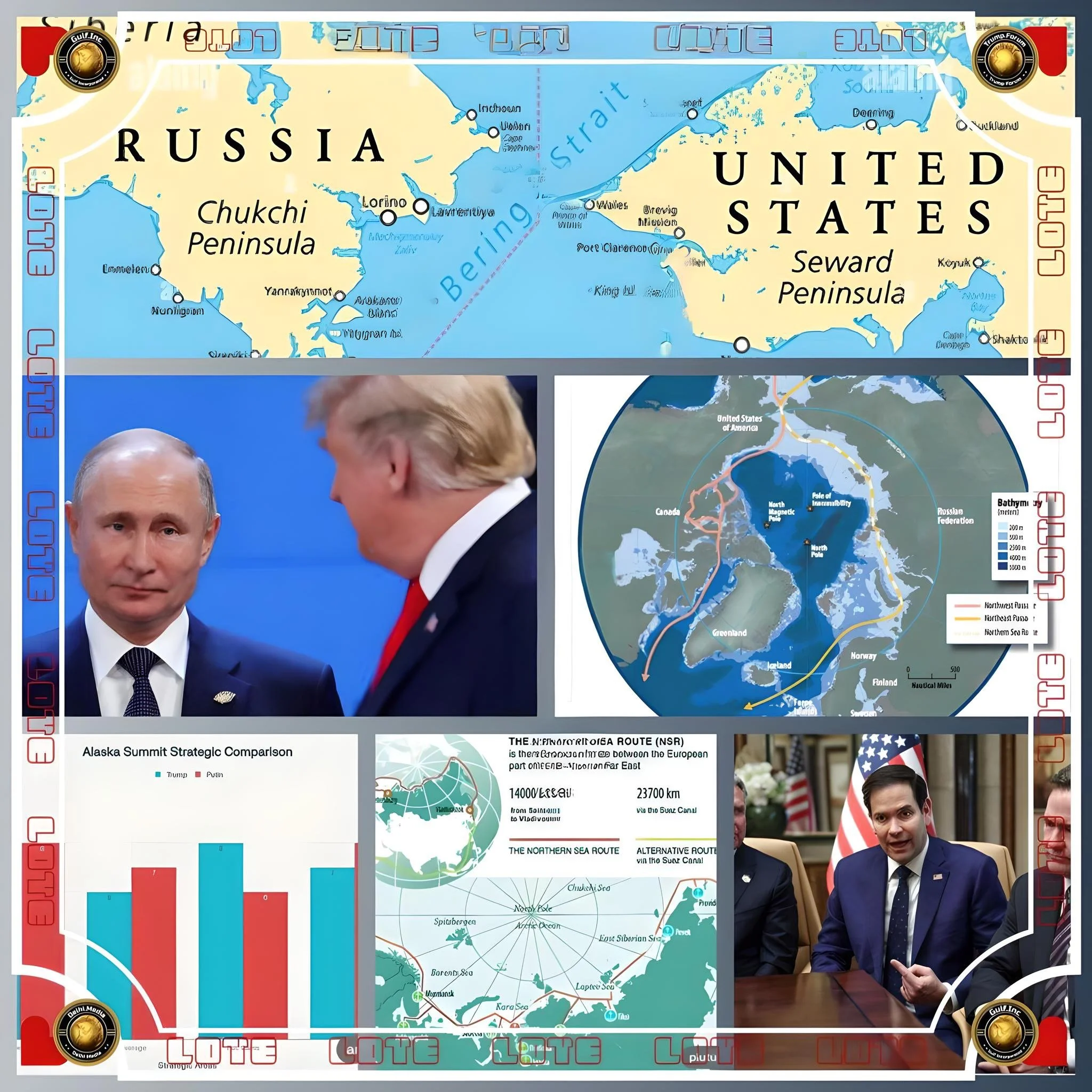
Donald Trump’s decision to convene a meeting with Vladimir Putin in Alaska on August 15, 2025, embodies complex geopolitical symbolism, especially from the Russian perspective.
Alaska, acquired by the United States in 1867 from Tsar Alexander II's regime for $7.2 million, represents a touchstone of historical territorial grievances for Russian nationalists, marking what some perceive as a strategic miscalculation of the Empire.
In Trump’s broader geopolitical vision, there are implications of impending territorial ambitions that may encompass Canada and Greenland, hinting at elements of modern imperialism.
This summit may serve not only as a platform for diplomatic dialogue but could also encompass discussions of territorial negotiations concerning Ukraine—potentially undermining President Zelensky’s sovereignty.
Trump’s proposal of a “territorial swap” between Russia and Ukraine raises significant concerns regarding international law and Ukraine's territorial integrity.
This proposition hints at the troubling prospect of trading Ukrainian sovereignty for Russian gains, thereby heightening tensions in an already volatile situation.
President Zelensky remains resolute, emphasizing that while he is willing to engage in discussions, he will categorically reject any attempts to fragment Ukraine's territory, affirming the necessity of sovereignty in any peace process despite external pressures.
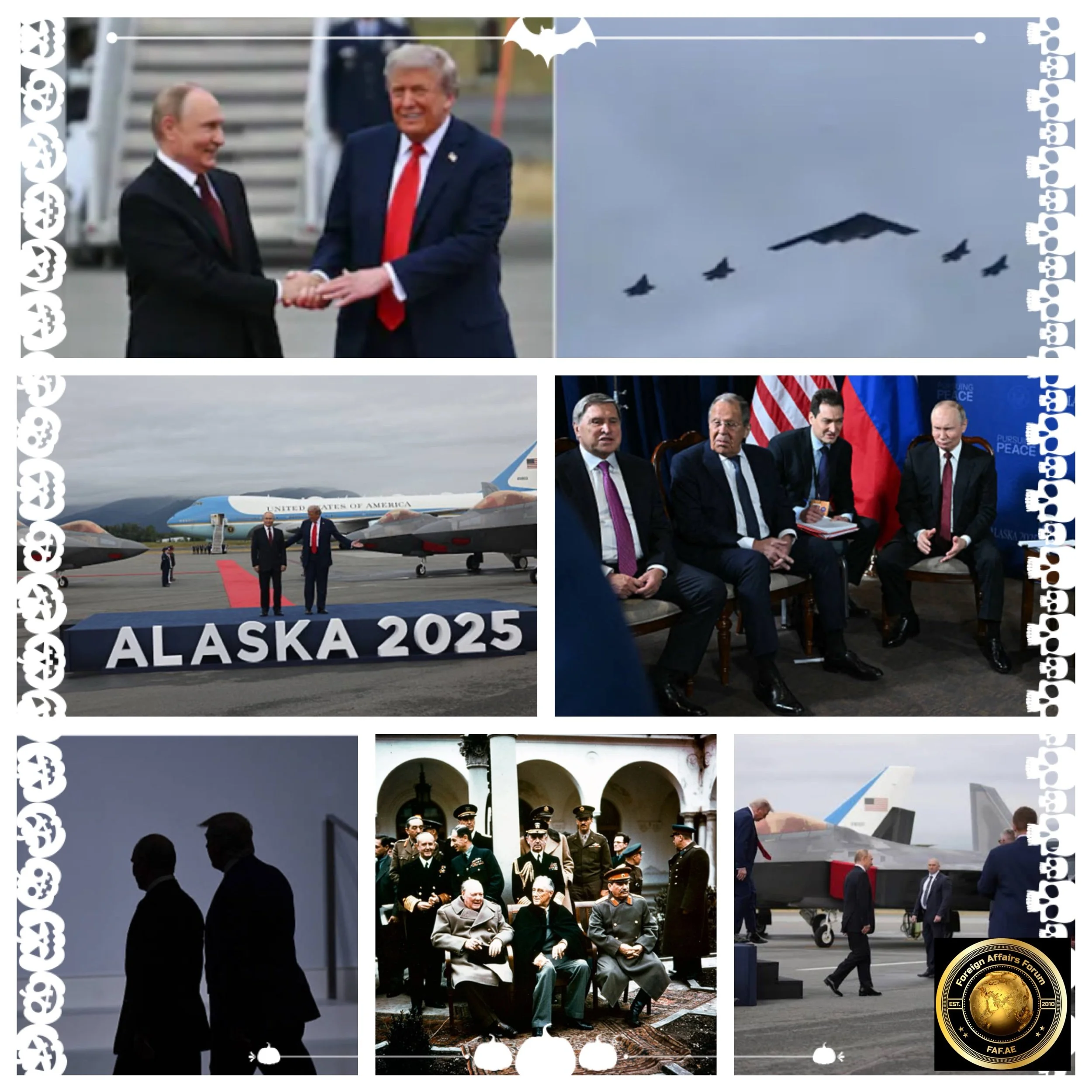
This summit marks a historic moment as it represents the first formal engagement between incumbent U.S. and Russian presidents since Joe Biden and Putin's meeting in Geneva in June 2021—an encounter that occurred just prior to the escalation of Russian military actions in Ukraine.
The choice of Alaska as the venue for this high-stakes meeting holds significant strategic implications.
Given Putin's precarious position due to an International Criminal Court arrest warrant for alleged war crimes perpetrated in Ukraine, Alaska minimizes the risk of detention, thereby allowing for a more secure environment for this diplomatic engagement.
The Territorial Dispute
Trump’s “Land Swap” Proposal
During a recent press briefing at the White House, Trump posited a potential "land swap" approach as a component of any peace deal that might serve the interests of both Ukraine and Russia.
This proposal has met with immediate backlash from Zelensky, who adamantly opposes any form of territorial displacement.
Putin’s Demands
Reports indicate that Putin has articulated an extensive ceasefire proposal, which necessitates significant territorial concessions from Ukraine. The key demands include:
Ukraine’s withdrawal from the entirety of the Donetsk and Luhansk oblasts in eastern Ukraine
Formal recognition of Russia’s annexation of Crimea
Establishment of frozen frontlines in the Zaporizhzhia and Kherson oblasts
Ukraine renouncing aspirations for NATO membership
Assurance of Ukraine’s long-term neutrality
Strategic Implications
Military analysts caution that acquiescing to Putin’s demands would compel Ukraine to forfeit its strategic "fortress belt" – a primary fortified defensive line in the Donetsk region that has been developed since 2014.
The Institute for the Study of War observes that yielding unoccupied yet strategically significant territories in Donetsk could expose Ukraine to further Russian offensives, as it would effectively allow Moscow to secure significant defensive positions without engaging in combat.
Ukraine’s Firm Response
Constitutional Constraints
Zelensky has unequivocally rejected any concessions of territory, citing Ukraine’s constitution, which prohibits ceding land to foreign entities. “Ukrainians will not give their land to the occupier,” he stated emphatically.
He articulated that any decisions made without Ukraine’s involvement would undermine the prospects for peace and yield no constructive outcomes.
Historical Precedent Concerns
Analysts in Ukraine have drawn comparisons to historical instances of appeasement, with Zelensky likening the potential concessions to the prelude of World War II, specifically referencing Hitler’s demands for parts of Czechoslovakia.
This perspective is rooted in the belief that yielding territory to Russian aggression would only embolden further expansionist maneuvers.
European Response
Joint Statement of Support
European leaders, including officials from the UK, France, Germany, Italy, Poland, Finland, and the European Commission, issued a collective statement expressing their backing for Trump’s peace initiatives.
They emphasized that “the path to peace in Ukraine cannot be determined without Ukraine.” The statement asserts that:
International borders must remain intact and not be altered through coercion.
Any substantive negotiations necessitate a ceasefire.
Ukraine should be a pivotal participant in decisions concerning its own future.
Robust security guarantees are essential for achieving a sustainable peace.
Counterproposal
European officials have reportedly proposed a countermeasure which stipulates the implementation of a full ceasefire prior to entering territorial negotiations.
The framework suggests any territorial adjustments occur mutually while ensuring sturdy security guarantees for Ukraine.
The Exclusion Dilemma
Missing Voice at the Table
Originally, the Alaska summit was structured as a bilateral discourse between Trump and Putin, noticeably excluding Zelensky.
This exclusion has raised alarms regarding Ukraine’s potential marginalization in discussions pertinent to its future.
However, the White House has indicated it is “considering” an invitation for Zelensky to join the summit, though no formal invitation has been issued.
“Dead Solutions” Warning
Zelensky has cautioned that any peace agreement that sidelines Kyiv would inevitably result in “dead solutions” that lack viability.
Historical Context and Symbolism
Alaska’s Russian Heritage
The selection of Alaska as the venue for this summit is laden with historical significance. Russia’s initial settlements in the region date back to the 1770s, during which time indigenous populations were exploited predominantly for the lucrative fur trade.
The geopolitical landscape shifted in 1867 when the U.S. purchased Alaska from Russia, a decision rooted in financial distress following Russia’s defeat in the Crimean War.
This sale has been viewed by Russian nationalists as a historical grievance, paralleling contemporary claims regarding Ukraine.
President Putin's visit to Alaska—his first to U.S. territory in a decade—implicitly acknowledges American sovereignty over a region that remains a point of contention among some Russian factions.
International Criminal Court Complications
Putin’s international mobility is currently hampered by an arrest warrant issued by the International Criminal Court (ICC) in March 2023. This warrant pertains to alleged war crimes associated with the unlawful abduction of Ukrainian minors.
The ICC mandates that member states apprehend Putin should he step onto their soil, which constrains viable summit locations to non-ICC jurisdictions or U.S. territory where security assurances can be guaranteed.
Conclusion
The Alaska summit signifies a pivotal moment in the context of Europe’s largest conflict since World War II. With significant loss of life and millions displaced following Russia's February 2022 invasion, the summit could play a crucial role in either prolonging the conflict or steering it toward resolution.
Notably, the central impasse revolves around territorial concessions. While former President Trump appears open to the idea of “land swaps,” Ukrainian President Zelensky faces constitutional limitations, and European allies emphasize the sanctity of Ukrainian sovereignty.
These factors indicate that any potential agreement requiring territorial adjustments is likely to encounter substantial resistance.
The outcomes of the summit will largely hinge on whether the involved parties can negotiate a compromise that balances Russian security concerns with the imperative to uphold Ukraine’s territorial integrity and sovereignty—a challenging equilibrium that has remained elusive amid three years of hostilities.