The Russia-Ukraine War: Trajectory, Predictions, and Diplomatic Prospects
Introduction
Current Military Situation and Likely Conflict Development
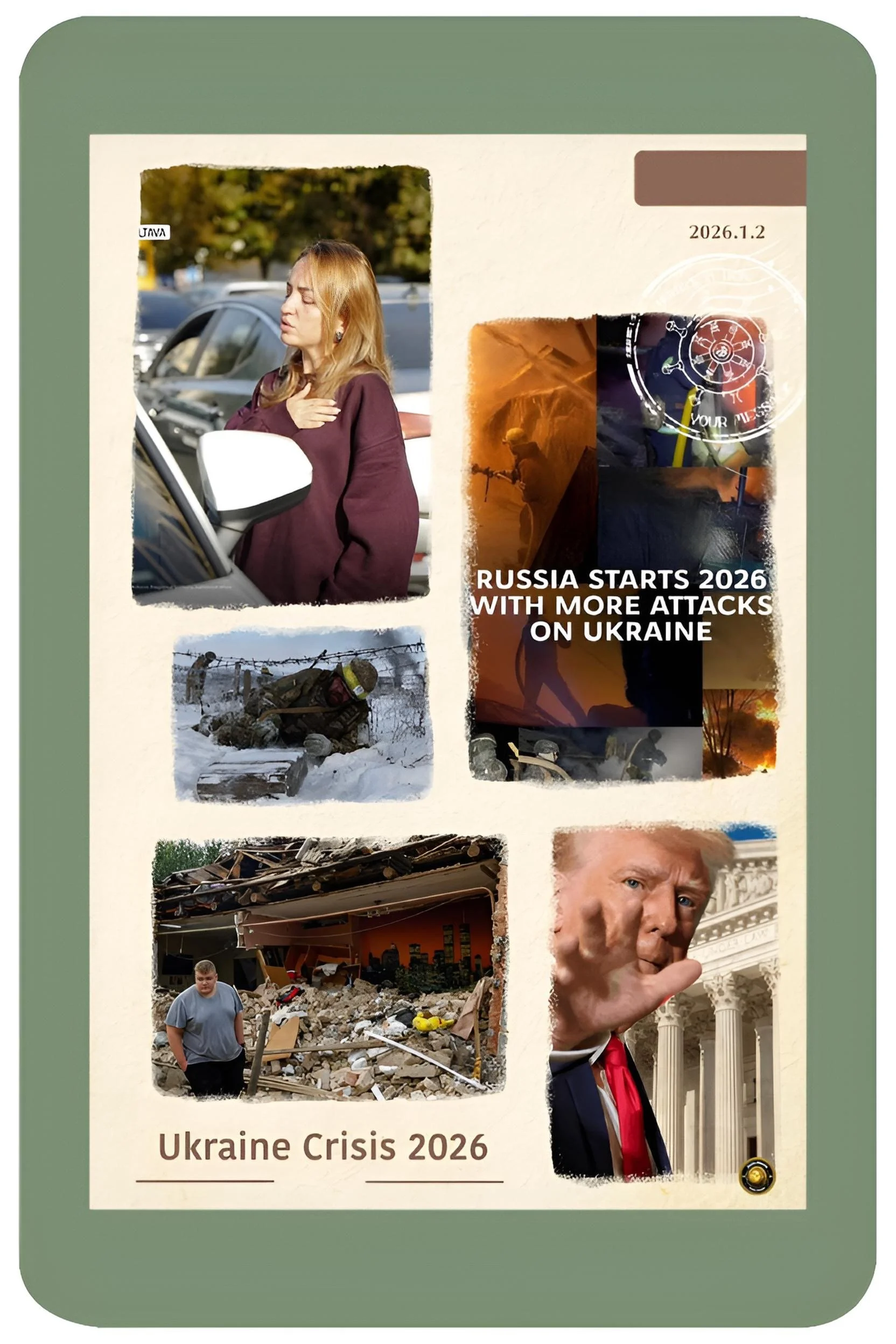
The Russia-Ukraine conflict remains fundamentally locked in a grinding war of attrition with minimal territorial changes despite massive casualties on both sides.
As of November 2025, Russia controls approximately 20% of Ukrainian territory, with concentrated offensives focused on Donbas, particularly around Pokrovsk in Donetsk Oblast.
Russia has deployed roughly 150,000 troops to capture Pokrovsk, though Ukrainian forces continue defensive operations with significant logistical challenges.
Overall Russian losses are staggering—with estimates exceeding 790,000 killed or injured according to April 2025 assessments, compared to Ukrainian losses of approximately 400,000.
Russia faces a critical timeline paradox.
Despite controlling the current battlefield initiative and making territorial gains, Russian forces are significantly underperforming against their own operational timelines.
Russia intended to capture Pokrovsk by November 2024, yet as of November 2025—over a year later—Russian forces have advanced only 39 kilometers (24 miles) from Avdiivka in 21 months of campaigning.
This suggests Russia needs to achieve decisive victory by late 2025 or early 2026 to avoid facing severe economic and personnel sustainability constraints that would fundamentally undermine its military capabilities.
Russia’s Strategic Objectives and Larger Ambitions
Primary Objective: Complete Donbas Control
Russia’s stated immediate goal remains capturing the entirety of Donetsk and Luhansk oblasts (the “four annexed regions”).
However, Russia has consistently demanded far more territory than it currently controls militarily.
During negotiations with the Trump administration in August 2025, Russia demanded Ukraine surrender regions while proposing to freeze gains in other areas—a negotiating position that reveals maximalist ambitions exceeding present military reality.
The Kremlin explicitly refuses any ceasefire that would allow Ukraine to rearm and regroup, insisting instead on achieving Russian war aims first.
Broader Geostrategic Ambitions
Your assessment regarding Russia’s larger strategic interests appears well-founded.
Russian objectives extend beyond Donbas to include:
Land Corridor to Crimea
Russia has largely secured this objective.
While Ukraine has failed to advance from Kherson toward Crimea to sever the connection, Russia has completed alternative rail routes connecting occupied territories and Crimea without depending on the vulnerable Crimean bridge.
This reduces but doesn’t eliminate Crimea’s strategic vulnerability.
Energy and Resource Control
Russia seeks consolidated control over Ukraine’s energy assets and rare earth deposits.
Eastern Ukraine contains recoverable rare earths and lithium vital for renewable technologies, while Black Sea reserves contain up to 2 trillion cubic meters of natural gas—approximately 80% now controlled by Russia following its territorial gains.
Regional Dominance and NATO Containment
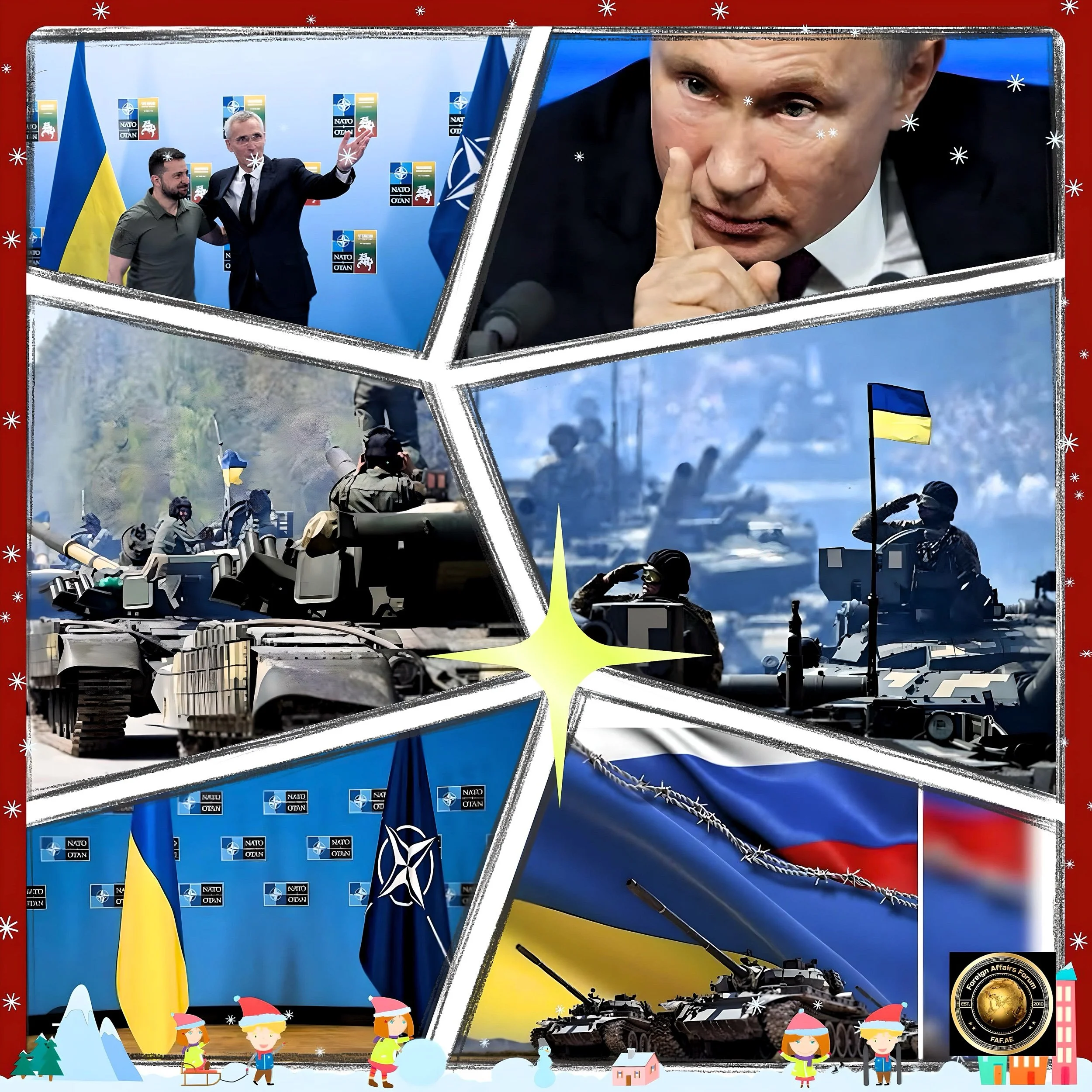
Russia views Ukraine’s NATO membership as existential threat to its regional hegemony.
This extends to concerns about Moldova, where Russia has significantly amplified disinformation campaigns accusing NATO of planning military intervention—employing rhetoric identical to pre-2014 Crimea annexation messaging.
Critical Constraints on Russian Capabilities
Economic Sustainability Crisis
Russia’s economy is approaching critical sustainability limits.
Defense spending reached 15.5 trillion rubles (approximately $160 billion) in 2025, representing 7.2% of GDP and 37% of total federal spending.
The Russian budget for 2025 has already begun implementing austerity measures, with reductions to pension and social insurance funds of 1.4 trillion rubles ($17 billion).
More troublingly, economic growth is decelerating dramatically from 4.3% in 2024 to projected 1% in 2025 and only 1.3% in 2026—well below pre-war trends.
Military spending has reached its real-term ceiling in 2025. Growth rates, which averaged nearly 40% annually from 2022-2025, are expected to fall significantly or stagnate in 2026.
Interest rates remain elevated at 21%, severely constraining private sector investment and civilian economic activity.
The underlying economy is increasingly distorted, with civilian coal companies experiencing 50% financial losses as resources flow exclusively toward defense industries.
Manpower Crisis and Recruitment Failure
Russia faces severe recruitment challenges despite aggressive incentive campaigns. Official claims of 50,000-60,000 monthly recruits vastly exceed actual figures estimated at 30,000-40,000, with recruitment declining in early 2025 quarters.
Recruitment bonuses have tripled in some regions, with approximately 20% of current advertisements deceptively promising “safe” rear-echelon positions, terminology rarely used before 2025.
This desperation reveals that ideological mobilization has failed entirely, replaced by increasingly aggressive financial inducements and coercive tactics.
Russia has formally amended reserve mobilization laws, enabling “rolling partial mobilization” without formal declarations.
The Kremlin is reportedly forming a “strategic reserve” of newly recruited personnel, likely because casualty rates have necessitated creating a replacement pool before the current force becomes completely unsustainable.
Ukraine’s Vulnerabilities and Declining Military Capacity
Ukraine faces its own critical challenges threatening long-term sustainability.
The nation confronts severe troop shortages with recruitment evading becoming endemic, particularly in regions with ambivalent attitudes toward the war.
Hundreds of thousands of Ukrainian soldiers have been killed, injured, captured, or gone missing.
These losses have created gaps of hundreds of yards between frontline positions, allowing Russian forces to exploit weaknesses.
Ukrainian air defense capabilities have declined measurably—shooting down 88% of Russian drones in 2025 compared to 93% in 2024, creating dangerous attrition in Ukraine’s most critical defense system.
Western military aid flows have contracted significantly under the Trump administration, with U.S. weapons shipments declining substantially compared to Biden-era levels.
While European allies have increased support through new mechanisms (including the PURL system providing $10 billion in potential weapons purchases), European military aid lacks the coherence and scale of previous U.S. assistance.
Ukraine’s manpower challenges are structural and demographic.
The nation has exhausted its initial volunteer force, and subsequent mobilization has proven increasingly unpopular.
Without dramatic improvement in recruitment, voluntary service terms, or international manpower support, Ukraine’s defensive capacity will continue degrading relative to Russian numerical superiority.
Diplomatic Deadlock and Negotiation Reality
The Fundamental Impasse
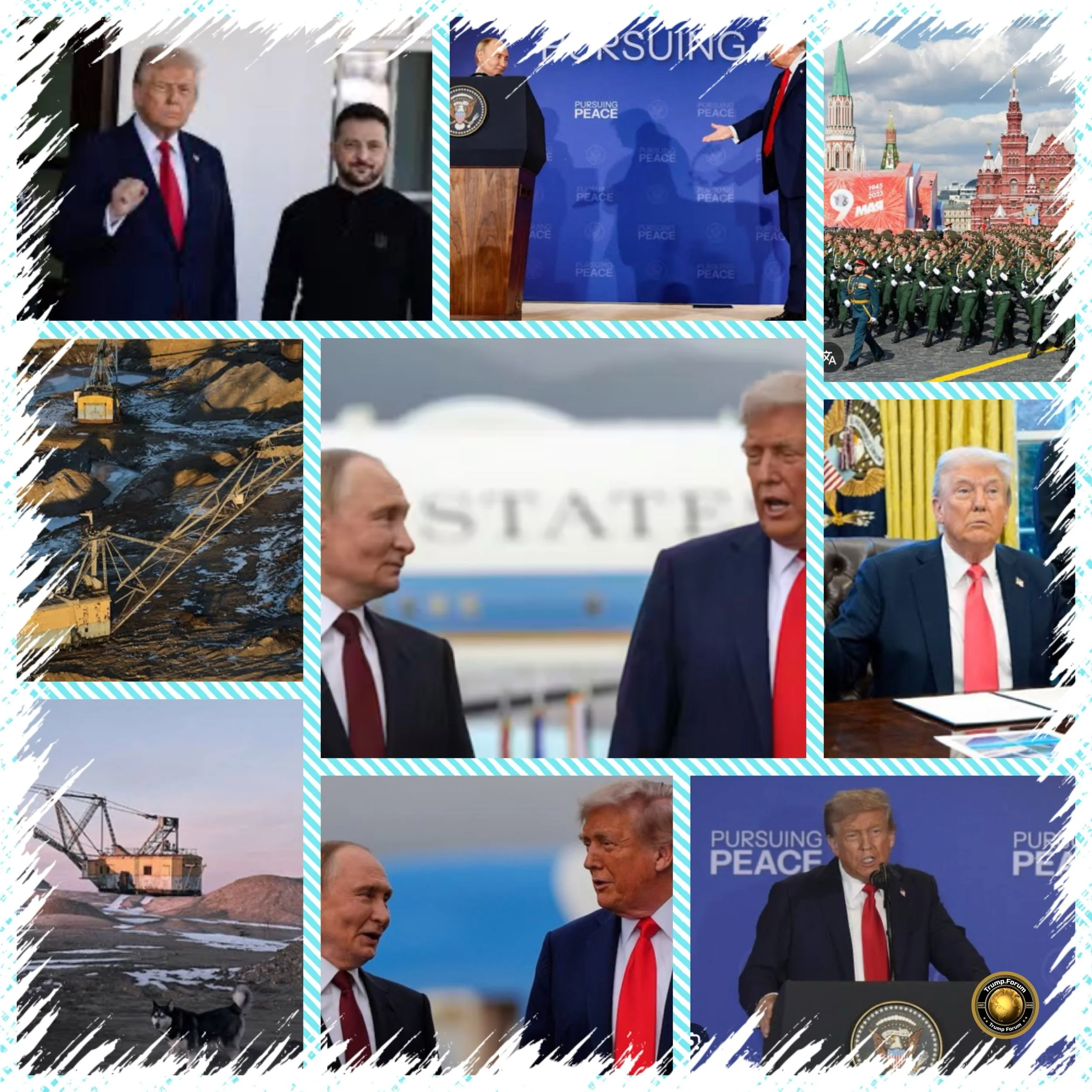
Peace negotiations have demonstrably failed to achieve any breakthrough. Trump’s August 2025 Alaska summit with Putin produced zero agreement.
A proposed Budapest summit was postponed when Russia rejected Trump’s ceasefire proposal on current frontlines.
Russia subsequently sent a “non-paper” to the U.S. government reiterating maximalist demands for complete Donbas control—demands inconsistent with Trump’s ceasefire proposal.
The negotiation deadlock stems from irreconcilable positions: Ukraine and Western partners (including Trump) demand a ceasefire before substantive peace talks.
Russia refuses any ceasefire, insisting on continuing military operations while negotiating, following Korea and Vietnam precedent.
Russia demands Ukraine cede more territory than Russian forces currently occupy militarily, effectively asking Ukraine to surrender additional land before negotiations begin.
Russian negotiator Kirill Dmitriev acknowledged Ukraine has made significant compromises by proposing ceasefire on current lines, yet reiterated Russia remains committed to seizing all four “annexed” oblasts.
This reveals Russia’s negotiating position is fundamentally about achieving maximum territorial gains through continued warfare rather than genuine peace settlement.
Trump Administration’s Shifting Position
President Trump began his 2025 term expressing confidence in rapid peace achievement, but has grown “increasingly pessimistic” about near-term resolution prospects.
His approach has shifted from demanding immediate ceasefire to exploring continued negotiation while fighting continues—a position Russia prefers.
However, Trump administration officials simultaneously approved military aid packages to Ukraine and have increased pressure on Russian oil sales, suggesting internal divisions within the administration on Ukraine policy.
Credible Conflict Trajectories: 2025-2026 and Beyond
Based on comprehensive expert assessments, multiple authoritative forecasting efforts provide probabilistic scenarios:
GLOBSEC Ukrainian Expert Assessment (61 top Ukrainian security experts surveyed, including former ministers and current operational commanders)
War of attrition with lowered intensity (38% probability)
Continued high-intensity fighting with gradually declining intensity due to resource exhaustion on both sides.
This represents the most likely outcome through 2026, characterized by minimal territorial changes and neither decisive victory nor diplomatic settlement.
Hybrid World War III scenario (18% probability)
Acute regional conflicts across the globe blur the Ukraine war amid simultaneous conflicts in Middle East, Asia-Pacific, Balkans, and Caucasus.
Three peace scenarios combined (25% probability)
All diplomatic resolution scenarios together account for only one-quarter of expert assessments, suggesting Ukrainian security professionals view genuine peace settlement as unlikely through 2026.
Four military scenarios combined (75% probability)
War continuation in various intensities dramatically outweighs peace prospects, reflecting expert consensus that military dynamics will dominate 2025-2026.
Analytical Predictions from Defense Experts
Military analyst Vasily Dandykin predicts Russian victory could occur by winter 2026, contingent on sustained Western aid reduction.
The CSIS assessment identifies a “Russian Breakthrough and Ukrainian Collapse” scenario as “not likely, but not impossible,” dependent on
(1) continued U.S. weapons aid decline under Trump administration priorities
(2) European aid failing to fully compensate for reduced American support
(3) Ukrainian manpower exhaustion continuing unabated.
This scenario would unfold via gradual Ukrainian attrition reaching critical levels, enabling Russian forces to achieve breakthrough in 2026.
Conversely, some analysts argue Russia faces economic constraints that could force withdrawal before 2026 if it cannot achieve decisive victory.
The Institute for the Study of War emphasizes Russia must achieve victory by 2026 or face medium- to long-term economic constraints that would “severely impair Russia’s capability to maintain its war activities.”
Likelihood of Diplomatic Breakthrough
Current Assessment: Very Low (10-20% probability through 2026)
Several factors ensure continued diplomatic deadlock:
Incompatible War Termination Conditions
Russia demands outright victory; Ukraine seeks territorial restoration; the West seeks Ukrainian independence and NATO pathway. These positions are mutually exclusive without one side experiencing catastrophic defeat.
Kremlin Commitment to Victory, Not Negotiation
Putin has consistently characterized the war as existential struggle for Russian regional dominance and Ukraine’s NATO prevention. Kremlin rhetoric emphasizes “victory at any cost” and complete conquest of Donbas.
The regime has invested enormous political capital in this narrative, making any settlement short of victory domestically unacceptable.
Trump’s Limited Leverage
Despite Trump’s self-presentation as peacemaker, he lacks coercive leverage over Russia.
Russia faces declining economic capacity but has no imminent threat causing negotiation desperation.
Trump simultaneously faces domestic pressure to reduce Ukraine support, undercutting his negotiating position.
Ukraine’s Non-Capitulation Commitment
Ukraine views any territorial concession as permanent amputation of national sovereignty, given Budapest Memorandum violations (1994 security assurances proving worthless).
Ukraine refuses formal territorial recognition of Russian occupation without NATO membership guarantees—which Russia explicitly opposes.
European Fracture
European countries disagree on negotiation approaches.
France and Germany sought limited ceasefires; Poland and Britain oppose major concessions.
This internal NATO division undermines unified negotiating pressure.
Most Probable Conflict Trajectory: 2026-2027
The Extended Attrition Scenario (highest probability, 35-40%)
The conflict will likely continue as prolonged military stalemate characterized by.
Slow Russian territorial advances at disproportionate manpower cost, potentially capturing most of Donetsk while failing to break Ukrainian defenses or achieve strategic breakthrough
Continued Ukrainian resistance despite manpower constraints, employing drone warfare, intelligence operations, and attrition tactics to raise Russian costs beyond sustainability
Economic pressure mounting on Russia as inflation persists, civilian sectors deteriorate, and defense spending crowds out all other priorities, creating social discontent
Diplomatic efforts remaining symbolic rather than productive, with occasional negotiation theater but no genuine progress toward settlement
NATO expansion accelerating through de facto integration (Ukraine already fighting as quasi-NATO member) rather than formal membership, with American support continuing despite Trump administration ambivalence
War potentially transitioning to lower-intensity frozen conflict post-2026 if Russian offensive momentum completely exhausts, resembling Korean peninsula dynamics with militarized border, periodic escalation, but no resolution
This scenario produces neither decisive Russian victory nor Ukrainian territorial restoration, but rather international community acceptance of frozen territorial partition—exactly the outcome Putin might settle for if Russian economy collapses faster than Ukrainian resistance.
Implications for Ukraine and Russia
For Ukraine
Continued existence as sovereign state assured through Western support, but with permanent territorial losses (20-25% of territory) difficult to reverse.
Economic devastation with reconstruction costs exceeding $400 billion, requiring decades of international aid.
NATO integration likely through de facto alliance relationship, possibly formal membership post-conflict despite Russian opposition.
Long-term deterrence challenge requiring permanent Western military presence and NATO commitment.
For Russia
Victory remains elusive despite territorial gains; objectives of Ukraine NATO-prevention increasingly untenable.
Economic exhaustion limiting regional influence and superpower status maintenance; potential internal political instability as war economy proves unsustainable.
Strategic defeat in long-term geopolitical sense even with territorial gains, as NATO expands and Western unity strengthens.
Regional isolation with increased Chinese dependence and loss of European economic integration.
Conclusion
Continued Military Escalation Most Likely
Based on current dynamics, continued military escalation is far more probable than diplomatic breakthrough through 2026.
Neither Russia nor Ukraine possesses sufficient military disadvantage to force capitulation, yet both maintain incompatible war termination demands.
The Kremlin’s explicit refusal of ceasefires, Russia’s narrow time window before economic constraints become critical, and Ukraine’s non-negotiable NATO membership demands create structural impediments to peace.
The war will likely evolve from high-intensity active warfare toward prolonged attrition and eventual frozen conflict rather than resolution, with diplomatic efforts remaining peripheral to military dynamics driving actual outcomes.
This trajectory offers neither side their stated objectives, suggesting eventual settlement via exhaustion rather than negotiated triumph—a costly stalemate likely reached 2027-2028 after both sides fully exhaust available resources.