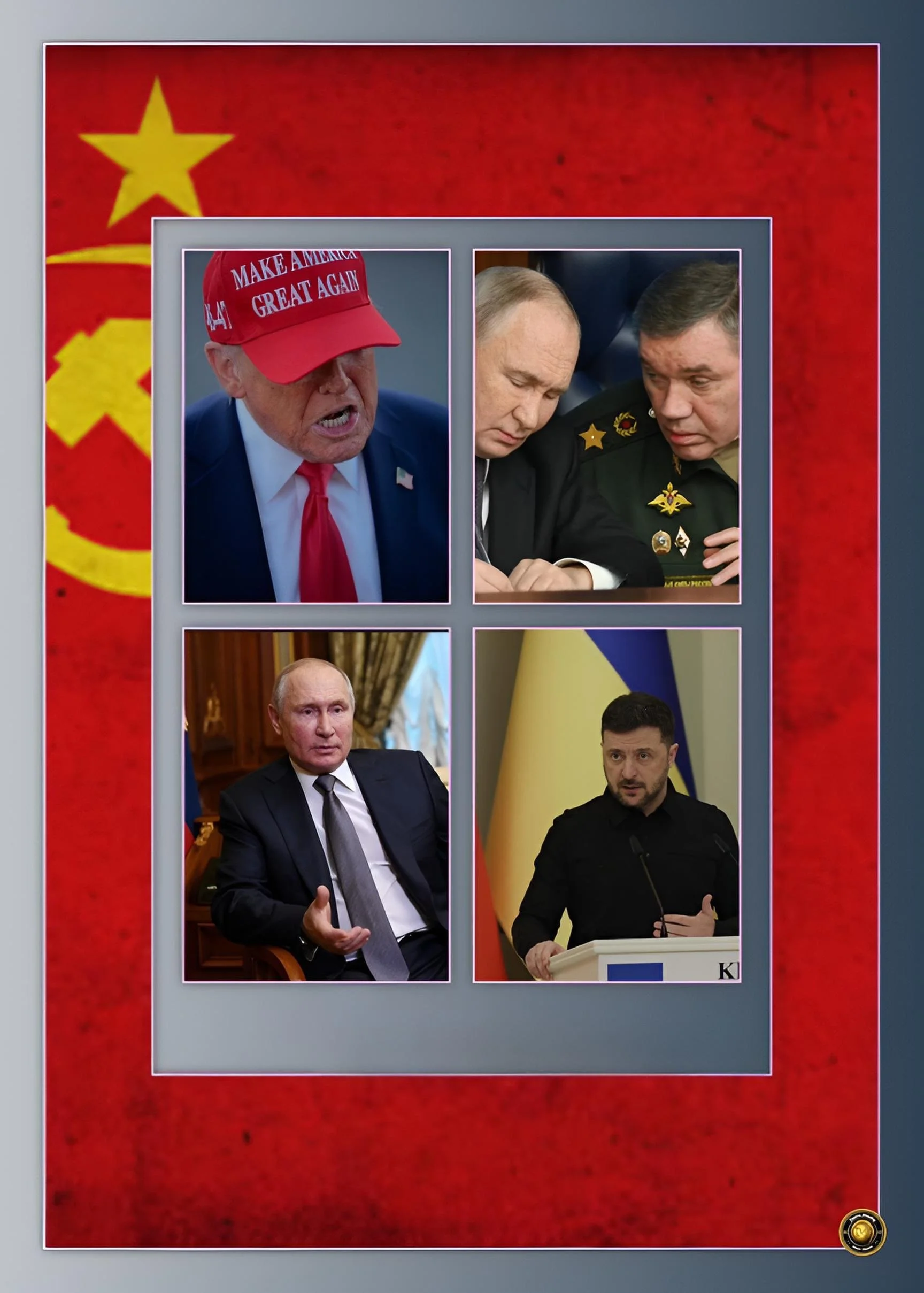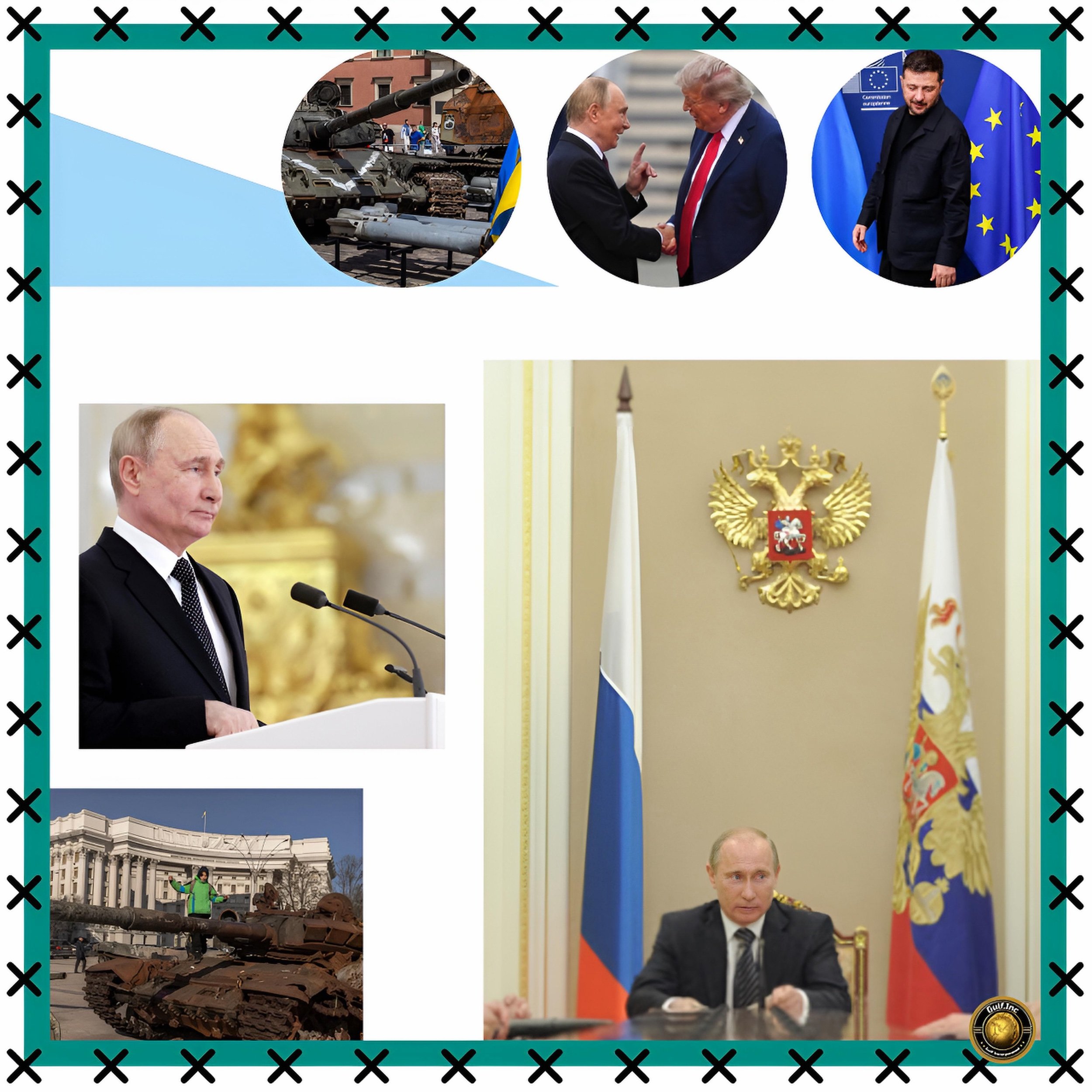
Is Putin Unstoppable? Russia’s Military Momentum, Strategic Objectives, and Hidden Ambitions
Introduction
The characterization of Putin as “unstoppable” significantly oversimplifies Russia’s complex and constrained military position in Ukraine.
While Russia has achieved tactical advances, particularly around Pokrovsk, structural limitations on its war economy, unsustainable casualties, and fundamental constraints on achieving its maximalist objectives suggest a far more complicated picture than near-term unstoppability.
Current Military Situation and Limitations
Russia does control approximately 20 percent of Ukrainian territory as of November 2025, having gained an average of 168 square miles monthly since January 2025.
Recent Russian advances into Pokrovsk represent the culmination of a 21-month campaign, with Russian forces reportedly deploying nearly 100 fireteams daily into the city. However, this tactical progress masks significant operational constraints.
The pace of Russian territorial gains has dramatically decelerated despite enormous resource commitments. In 2022’s first three months, Russia captured over 32,000 square kilometers; in contrast, during the summer months of 2025 alone, it seized only 1,574 square kilometers despite fielding substantially larger forces.
Casualty rates have proven catastrophic: while Russia suffered approximately 22,000 losses in the first three months of 2022, by summer 2025 it had incurred 93,500 casualties in just three months.
More recently, Putin reportedly demanded the seizure of Pokrovsk by mid-November—a deadline Russian command described as unrealistic to military analysts.
Russian forces have adapted their tactics in response to Ukrainian drone superiority, shifting from armored assaults to small-unit infiltration tactics that overwhelm Ukrainian positions through numerical advantage rather than maneuver warfare.
This represents a fundamental degradation from the conventional military operations Russia executed in 2022, indicating forced adaptation due to technological disadvantage rather than strategic preference.
Western Sanctions: Limited but Meaningful Impact
The assumption of sanctions ineffectiveness requires qualification. While Russia has adapted through sanctions evasion networks and alternative trade routes, Western measures have produced tangible economic consequences.
Between frozen assets and oil price caps, Coalition nations have deprived Russia of over $500 billion that could have funded its war effort.
Russia’s central bank raised interest rates to 21 percent as of February 2025 to combat inflation, while unemployment fell to record lows of 2.1-2.2 percent—indicating labor scarcity rather than economic vigor.
However, sanctions enforcement remains uneven. The sanctions will reduce Russian oil exports by approximately 700,000 barrels daily, representing a 15 percent decrease in foreign currency earnings, but this incentivizes growth of parallel financial systems and accelerates de-globalization rather than forcing surrender.
Trump’s Assessment: Tactical Shift, Not Strategic Victory
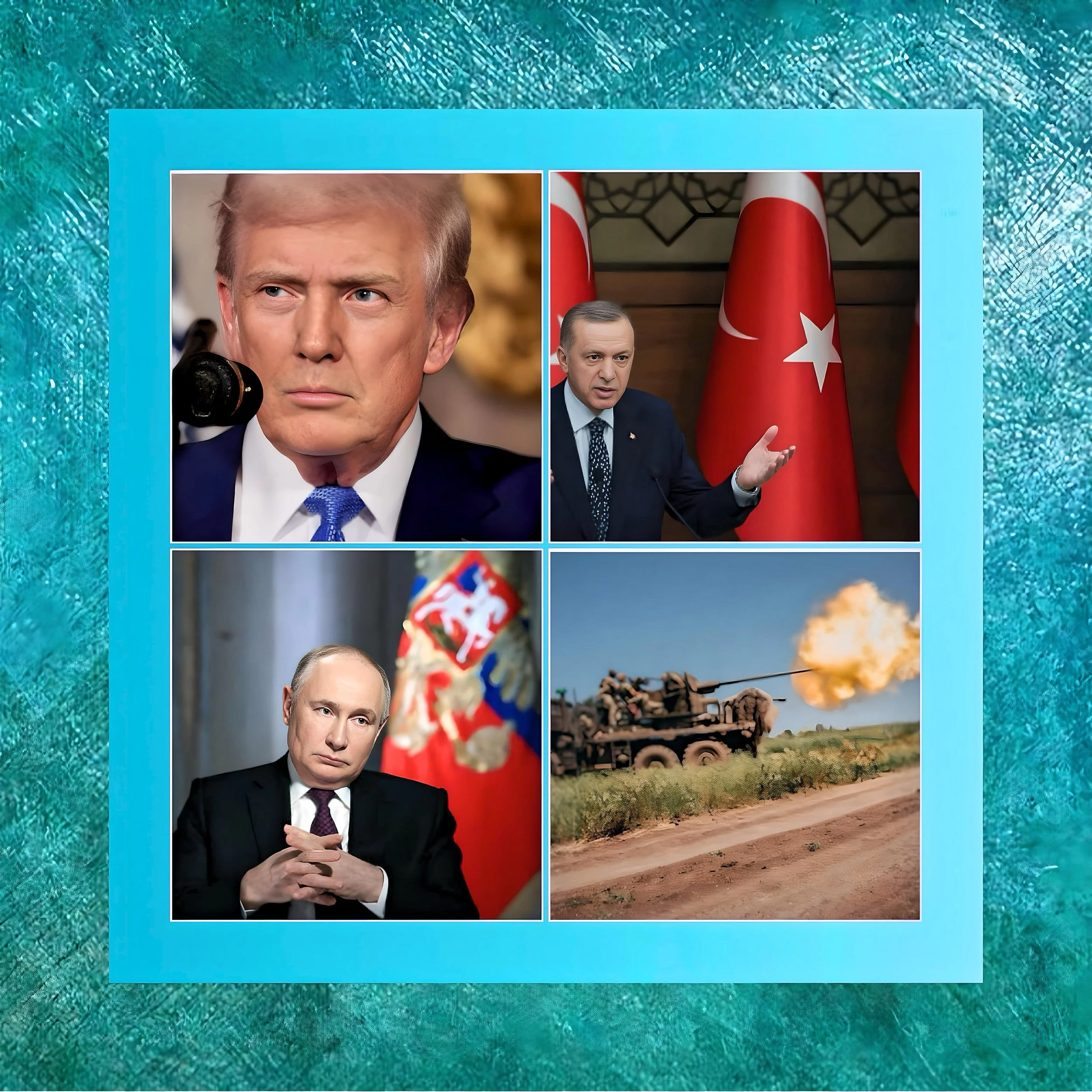
Trump’s evolution on Ukraine contradicts the narrative of inevitable Russian triumph. By September 2025, Trump declared that Ukraine could “recover all of Ukraine in its initial form” with NATO and European support, describing Russia as a “paper tiger” in economic trouble. This represented a dramatic reversal from February 2025, when Trump claimed he possessed no leverage.
Trump’s shift reflected recognition of Ukraine’s drone warfare strategy, which has rendered approximately 38 percent of Russian refineries offline.
Rather than asserting Ukrainian hopelessness, Trump’s revised position acknowledged Russia’s economic vulnerability.
Critically, Trump has repeatedly threatened sanctions and advanced weapons provision to Ukraine but has delayed implementation—each decision not to increase pressure followed Russian suggestions to restart negotiations.
Putin’s Broader Strategic Objectives: Imperial Restoration, Not Limited Territoriality
The critical question concerns Putin’s actual war objectives, which extend far beyond territorial conquest.
Multiple authoritative sources reveal Putin’s maximalist ambitions encompassing regime change, permanent Ukrainian neutrality, and ultimately Ukraine’s integration into Russia’s sphere of influence.
Official Russian Demands
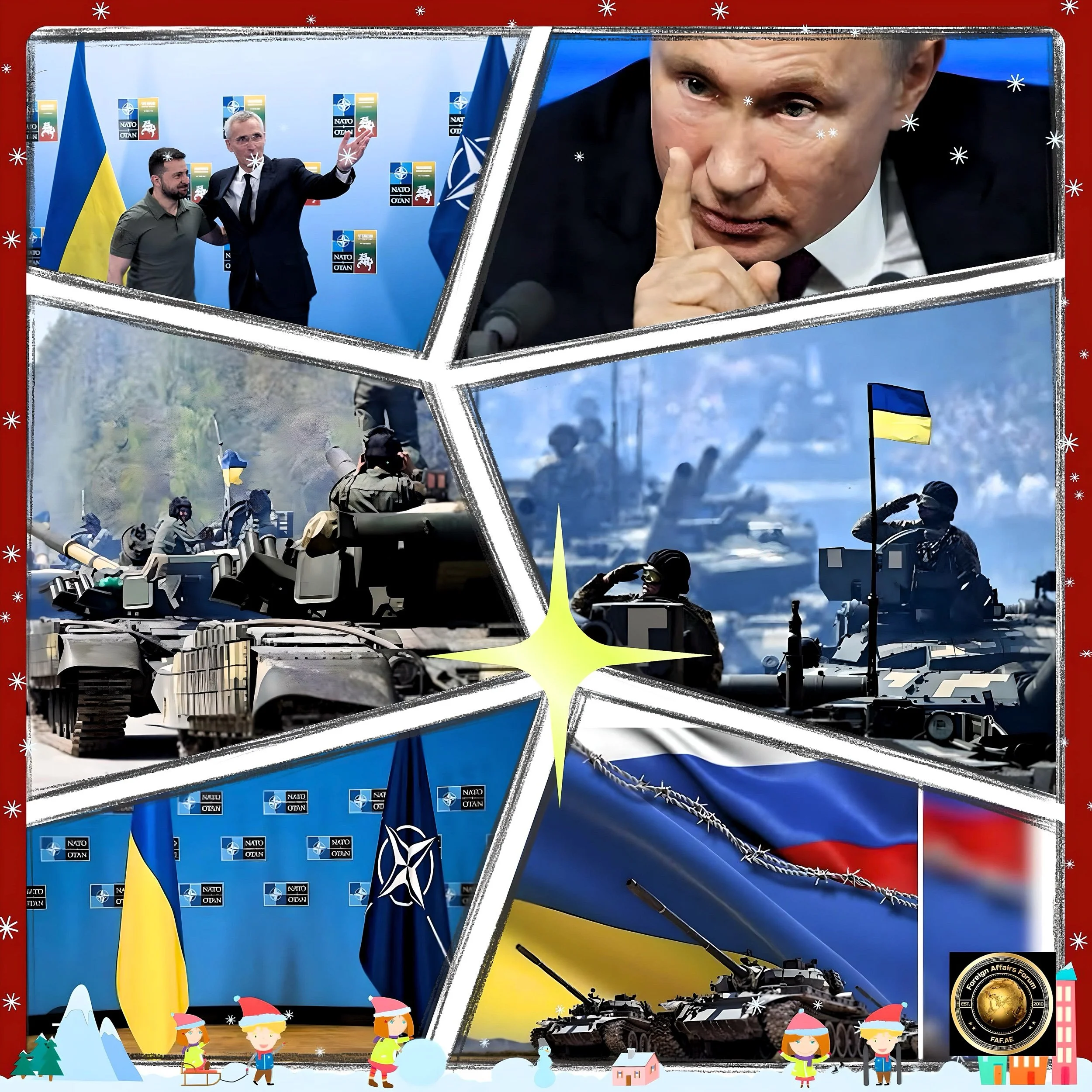
Moscow consistently insists Ukraine must be permanently demilitarized, neutral, banned from NATO/EU membership, and prohibited from receiving Western military assistance.
These demands reveal Putin’s intent to establish conditions enabling future Russian aggression—a “forever war” at lower intensity rather than a sustainable peace.
Regime Change Component
Russia explicitly demands Ukraine hold elections as a precondition for peace settlement, a demand Putin personally reiterated.
This represents a sovereignty violation: Russia seeks to determine Ukrainian governance structures as a negotiating prerequisite, not merely territorial adjustment.
Historical Imperial Doctrine
Putin’s worldview explicitly rejects Ukrainian statehood legitimacy. In his 2021 essay on Ukraine, Putin declared that Ukrainians and Russians are “one people,” questioned Ukraine’s historical borders, and stated: “Russia was robbed”.
He claimed Ukrainian sovereignty depends on Moscow’s consent, asserting true Ukrainian sovereignty is “only possible in partnership with Russia”.
Military intelligence assessments indicate Putin has shifted tactical focus—not strategic ambition—toward consolidating captured territory and degrading Ukraine’s military while maintaining long-term maximalist objectives.
Intelligence reports assess there exists “zero indication” Putin could conquer all remaining Ukrainian territory through military means, yet the Kremlin “clearly hasn’t abandoned their maximalist war aims”.
Hidden Ambitions Beyond Ukraine
Putin’s imperial vision extends substantially beyond Ukraine’s borders, grounded in what Russian analysts term “the Great Power doctrine.” This encompasses multiple strategic layers:
Sphere of Influence Restoration
Russia explicitly demands recognition of a “zone of privileged interests” in the post-Soviet space, rejecting the right of former Soviet states to freely choose alliances or NATO membership.
This represents not defensive security posture but hegemonic ambition—Moscow implicitly rejects the sovereignty of post-Soviet states except as satellite entities.
Eurasian Integration
Putin’s announced objective to create a tightly integrated Eurasian Union represents an economic-political framework for reconstituting Russian regional dominance.
While the Eurasian Economic Union remains underdeveloped, Putin has moved toward effective absorption of Belarus through massive financial transfers and deepening military integration.
Historical Reconstitution Ambitions
Russian policy documents indicate maximalist objectives encompassing restoration of borders approximating former Soviet territorial extent or, in more ambitious interpretations, historical Russian imperial frontiers including lands conquered by Catherine the Great and Ivan the Terrible.
These are not mere rhetorical flourishes but appear in military doctrine and strategic planning frameworks.
European Sphere Revision
Russian officials have explicitly threatened expansion into Sumy and Dnipropetrovsk regions beyond the four “officially claimed” regions.
A map visible behind Chief of General Staff Valery Gerasimov in August 2025 indicated Russian objectives extending to Odesa and Kharkiv oblasts.
These territorial ambitions dwarf current military control and suggest Russia envisions Ukraine merely as an opening gambit in broader regional restructuring.
War Economy Sustainability: Real but Finite
Contrary to assumptions of indefinite Russian capacity, Russia’s war economy operates at unsustainable marginal cost despite remaining technically solvent.
Military expenditure consumes approximately 7.2 percent of GDP (15.5 trillion rubles annually in 2025), approaching the ceiling of fiscal sustainability.
Russia’s labor market faces acute shortage—officials have acknowledged critical shortfalls with independent trackers projecting further tightening as demographics deteriorate.
Defense industries experience chronic hiring difficulties while civilian services and construction stagnate.
Critically, Russia has exhausted buffer fiscal reserves and now relies on deficit financing, debt issuance, and administrative coercion to redirect labor toward defense production.
Analysts project sluggish economic growth of approximately 1 percent annually going forward, indicating the Russian economy has entered structural stagnation rather than wartime dynamism.
The Unfeasible Endpoint
The fundamental constraint on Russian “unstoppability” lies in the mathematical impossibility of Putin’s strategic objectives. Russia cannot simultaneously:
Conquer all of Ukraine at acceptable casualty rates (currently losing 100-150 troops per square kilometer of gained territory)
Maintain military expenditure at current levels indefinitely without economic collapse
Establish a compliant, demilitarized Ukrainian vassal state while sustaining NATO’s strengthened presence elsewhere
Prevent Ukraine from retaliating with long-range strikes on Russian territory
Ukraine’s drone campaign, combined with Western weapons provision, has created what strategists term “strategic neutralization”—rendering Russia’s military objectives progressively more costly and politically unworkable rather than militarily inevitable.
Conclusion
Tactical Momentum, Strategic Paralysis
Putin is neither unstoppable nor defeated, but rather locked in a conflict generating unsustainable costs for progressively diminishing gains.
His maximalist objectives—regime change in Kyiv, permanent Ukrainian neutrality, and probable future expansion into neighboring post-Soviet space—remain unchanged despite military realities making their achievement through current approaches implausible.
The question is not whether Putin can capture Ukraine, but whether the costs of perpetual conflict will eventually force strategic recalibration—a process that remains contested and subject to Western decisions regarding sustained military support to Ukraine.