The Rise of Small Nations Seeking Asylum in Europe: A Shift in Geopolitical Dynamics
Introduction
In recent years, smaller European nations have undergone a remarkable transformation in their approach to neutrality and independence, increasingly seeking the protective security offered by the European Union (EU).
This shift indicates profound changes in the global geopolitical landscape, compelling vulnerable states to rethink their strategies in an increasingly perilous world.
The Decline of the Neutrality Era
The post-war period during which small European countries enjoyed a comfortable era of neutrality—benefiting from international agreements while avoiding obligations—has now come to a definitive close.
Countries such as Switzerland, Iceland, and Norway, once celebrated for their effective independent navigation within the global arena, are currently reevaluating their long-standing positions.
Switzerland’s reconsideration is particularly notable. After rejecting the prospect of closer ties with the EU in 2021, the country has drastically shifted its approach.
By December 2024, it had finalized extensive negotiations with the EU, leading to the signing of pivotal bilateral agreements covering sectors such as electricity, healthcare, and food safety.
This commitment also entails dynamic regulatory alignment, highlighting a significant pivot away from Switzerland’s historical emphasis on absolute sovereignty.
Iceland, too, is at a crossroads, moving toward a referendum on EU membership, anticipated in 2027.
Recent polling indicates that 54% of Icelanders support joining the EU—an astonishing turnaround considering that the country paused its accession talks in 2013.
This shift is primarily driven by increasing concerns regarding national vulnerability, which became starkly apparent following the financial crisis 2008, which left Iceland isolated and struggling.
Similarly, Norway is experiencing a shift in public opinion. 63% of Norwegians now advocate for an EU membership referendum—an increase from only 27% just a year prior.
Despite rejecting EU membership in two prior referendums, recent geopolitical tensions and evolving security dynamics have prompted many Norwegians to rethink their stance on maintaining independence versus pursuing deeper integration with the EU.
The EU's Evolving Asylum Policies
As these small nations turn to the EU for stronger security assurances, the bloc is tightening its immigration policies, notably impacting the future of European asylum seekers.
The New Asylum Framework
The EU’s Migration and Asylum Pact, which received approval in 2024 and is set to take effect in 2026, marks a significant shift toward stricter asylum regulations across member states. Noteworthy changes include:
Expedited Border Processing
Asylum claims will now be processed within a maximum of 12 weeks, and applicants will be subject to detention at border points throughout this period.
Mandatory Solidarity Measures
EU member states must either accept relocated asylum seekers or face a substantial financial contribution of €20,000 for each asylum seeker to the frontline states.
Enhanced Screening Protocols
New screening procedures stipulate that biometric data must be collected within seven days of an asylum seeker’s arrival, even from children as young as six.
Streamlined Deportation Processes
Rejected asylum applicants must be returned within the same 12-week timeframe, expediting the deportation process significantly.
Despite these new frameworks, the underlying challenges regarding the equitable distribution of asylum responsibilities persist.
Historical analyses reveal that EU solidarity initiatives have largely failed to achieve a fair sharing of asylum seekers during multiple refugee crises over the past three decades, from the conflicts in Yugoslavia to the humanitarian crises in Syria and Ukraine.
Introducing “flexible solidarity” allows certain countries, such as Poland and Hungary, to continue evading their direct obligations by opting to finance rather than accept migrants, thereby maintaining the imbalance and burden on frontline nations like Italy, Greece, Spain, and Malta.
Small Nations and EU Enlargement Initiatives
The EU’s efforts to assist small countries grappling with vulnerability involve expediting the enlargement process, especially for Western Balkan nations eager for EU membership as a pathway to enhanced security.
Current Enlargement Progress
Montenegro stands at the forefront of this expansion, with negotiations expected to conclude between 2026 and 2027, positioning the nation for EU membership by 2028.
Montenegro meets vital interim benchmarks concerning the rule of law and has closed seven of the thirty-three negotiation chapters required for accession.
Albania is also making significant strides, having unshackled its accession process from North Macedonia in 2024.
It has embarked on negotiations across four critical clusters focused on fundamentals, external relations, internal market regulations, and competitiveness, with an ambitious target of finalizing talks by 2027.
Other candidates, such as Bosnia and Herzegovina, North Macedonia, and Serbia, have made mixed progress. Some are still grappling with essential democratic reforms and aligning with EU standards.
Geopolitical Implications for the Contemporary Landscape
The tendency of small European nations to seek EU membership and assistance reflects three pivotal geopolitical realities
The Resurgence of Great Power Rivalry
The erosion of a rules-based international order—which once safeguarded smaller states through cooperative multilateral institutions—has intensified.
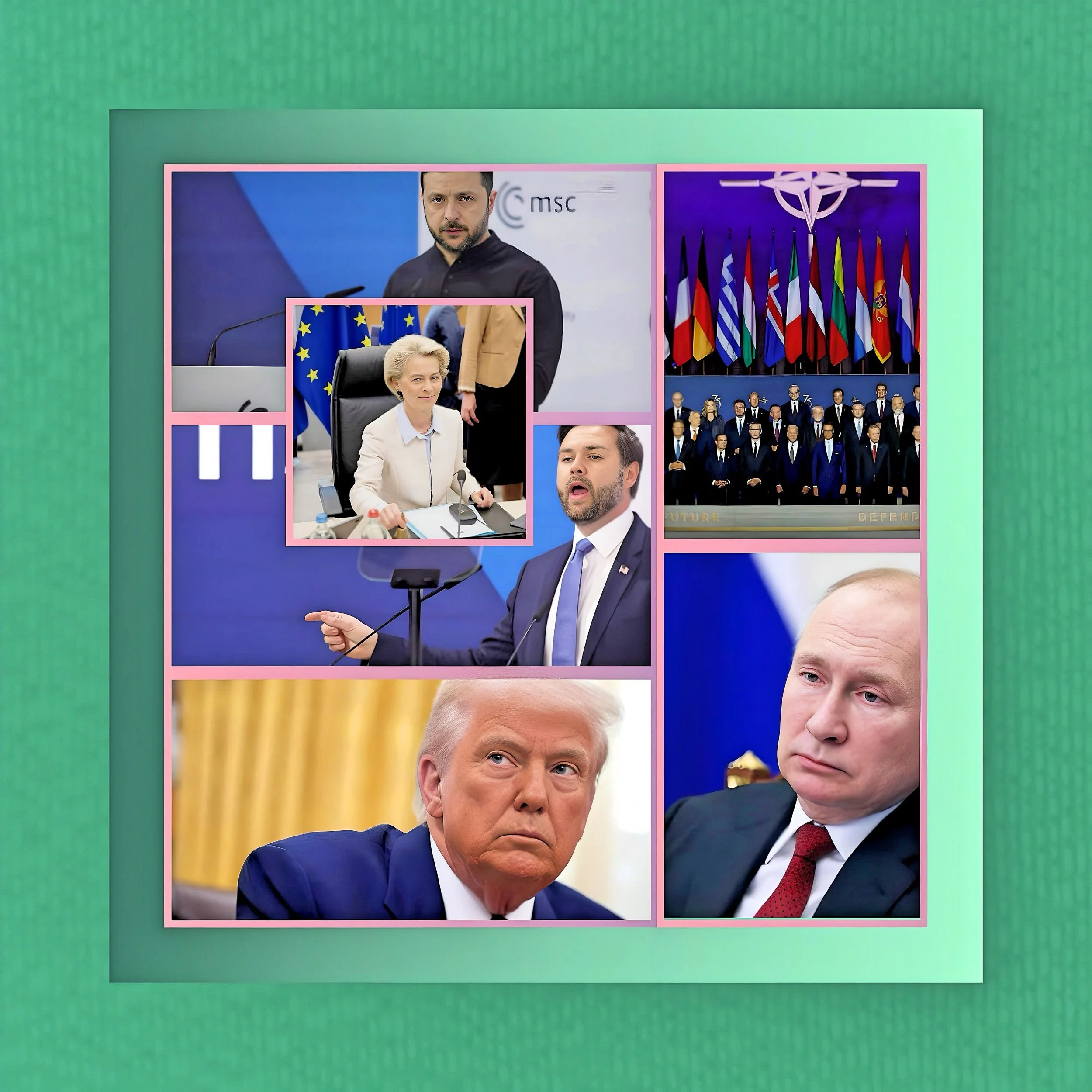
Russia’s invasion of Ukraine starkly highlighted that geographic factors and national vulnerabilities often outweigh the theoretical protections offered by international laws, prompting smaller states to secure tangible security guarantees instead of relying solely on the notion of neutrality.
Economic Integration as a Protective Strategy
For small states, EU membership is increasingly seen not merely as an economic opportunity but as an essential insurance policy against global instability.
Iceland’s foreign minister captured this sentiment perfectly by suggesting that joining the EU is viewed as “valuable insurance,” serving a purpose far beyond bureaucratic involvement, especially in an era characterized by great power competition.
Evolving Security Dynamics
The shifting landscape of security and political alliances demands that small nations remain agile and adaptable in their approaches, ensuring they can respond effectively to emerging threats and power imbalances.
This evolving context highlights the necessity for small countries to align with larger powers for protection. It underscores the urgency with which they must navigate these complex geopolitical waters to secure their futures.
Conclusion
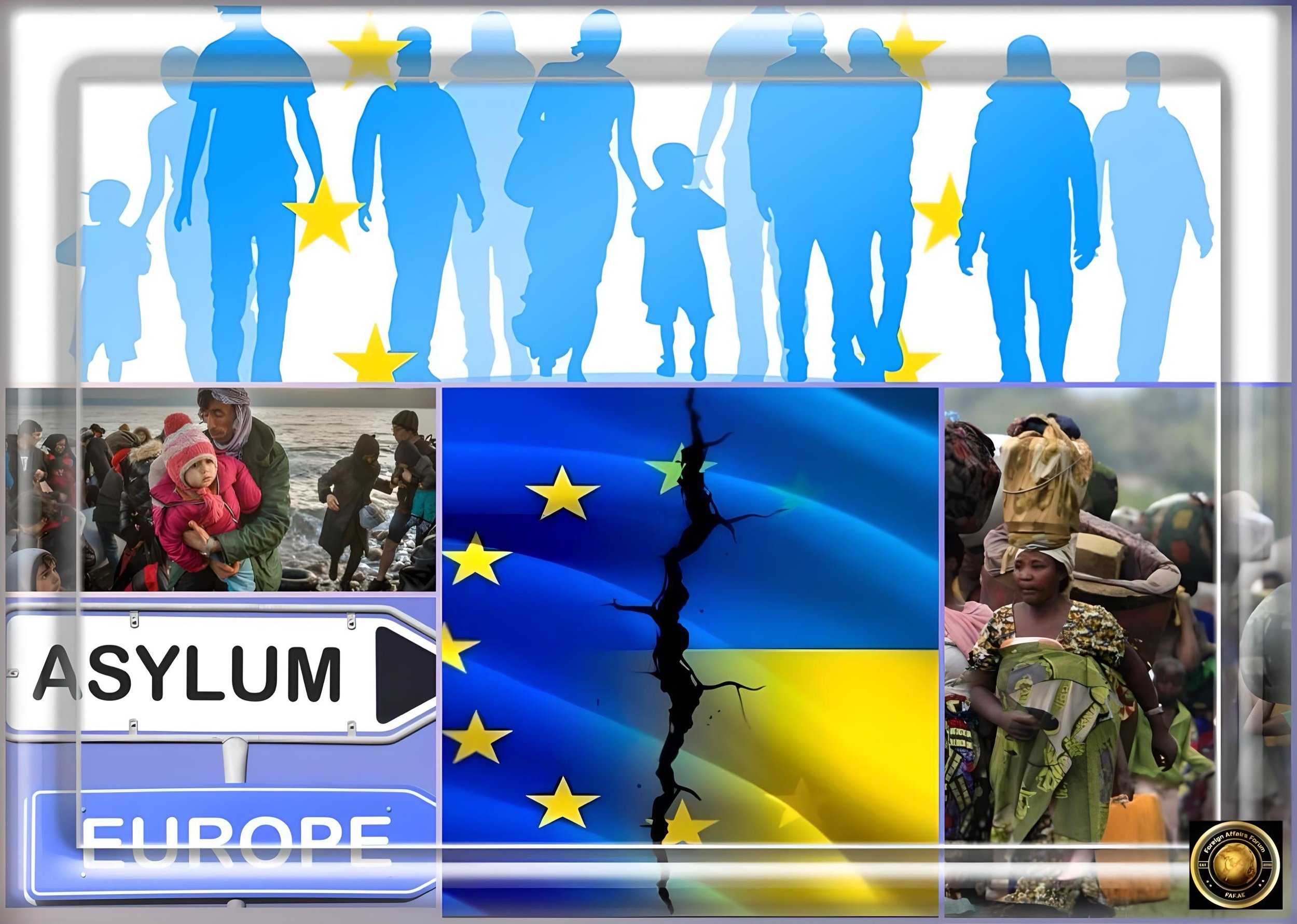
Europe is currently experiencing a significant transformation as it navigates multifaceted social issues surrounding migration.
On one hand, there has been a pronounced influx of asylum seekers, notably from Ukraine and several smaller Eastern European countries.
This situation has compelled a number of these smaller states, often characterized by limited resources and infrastructural capacity, to engage actively in the European asylum framework.
These nations are increasingly tasked with establishing and implementing their asylum intake systems, highlighting a shift in their roles as frontline states in the European asylum landscape.
Conversely, Europe faces challenges stemming from a rising wave of Islamization, particularly in light of potential new influxes of Palestinian refugees.
This development raises concerns about a recurrence of the societal tensions seen during the refugee surges from Syria and Iraq between 2016 and 2020, when public opinion became increasingly polarized and contentious.
Furthermore, there has been a surge in refugees from African nations such as the Democratic Republic of the Congo and Sudan, which are experiencing severe violence, persecution, and genocide.
The influx of these diverse groups poses risks to the cultural heritage and social cohesion of the European Union.
These refugees' varied experiences and backgrounds challenge integration policies and community structures.
These dynamics underscore a noteworthy shift in the global migration landscape, where economic distress, political instability, and environmental challenges increasingly influence the quest for safety.
Nations previously marginalized in asylum policy discussions are now asserting their positions and strategically aligning themselves within the broader European asylum framework.
In this context, smaller states are navigating a complicated landscape, balancing domestic pressures for security and stability with their legal and moral obligations to provide refuge.
As these countries adapt to the changing migration dynamics, they confront distinct challenges that are often more acute than those faced by larger nations with more robust infrastructures.
The implications of these migration trends are far-reaching, affecting not only the individual nations involved but also the overall stability and cohesion of the European Union.
This juncture in history represents a critical turning point for asylum in Europe, emphasizing the urgent need for a more nuanced, inclusive, and multifaceted approach to address contemporary migration challenges.
Such an approach must thoughtfully reconcile humanitarian responsibilities with the realities facing countries of varying sizes as they respond to the evolving landscape of asylum and migration.