Impact of Trump’s Tariff Regime on U.S. Revenue, Growth, and Debt
Executive Summary
The Influence of Trump's Tariff Policies on U.S. Treasury Revenues, Economic Expansion, and National Debt
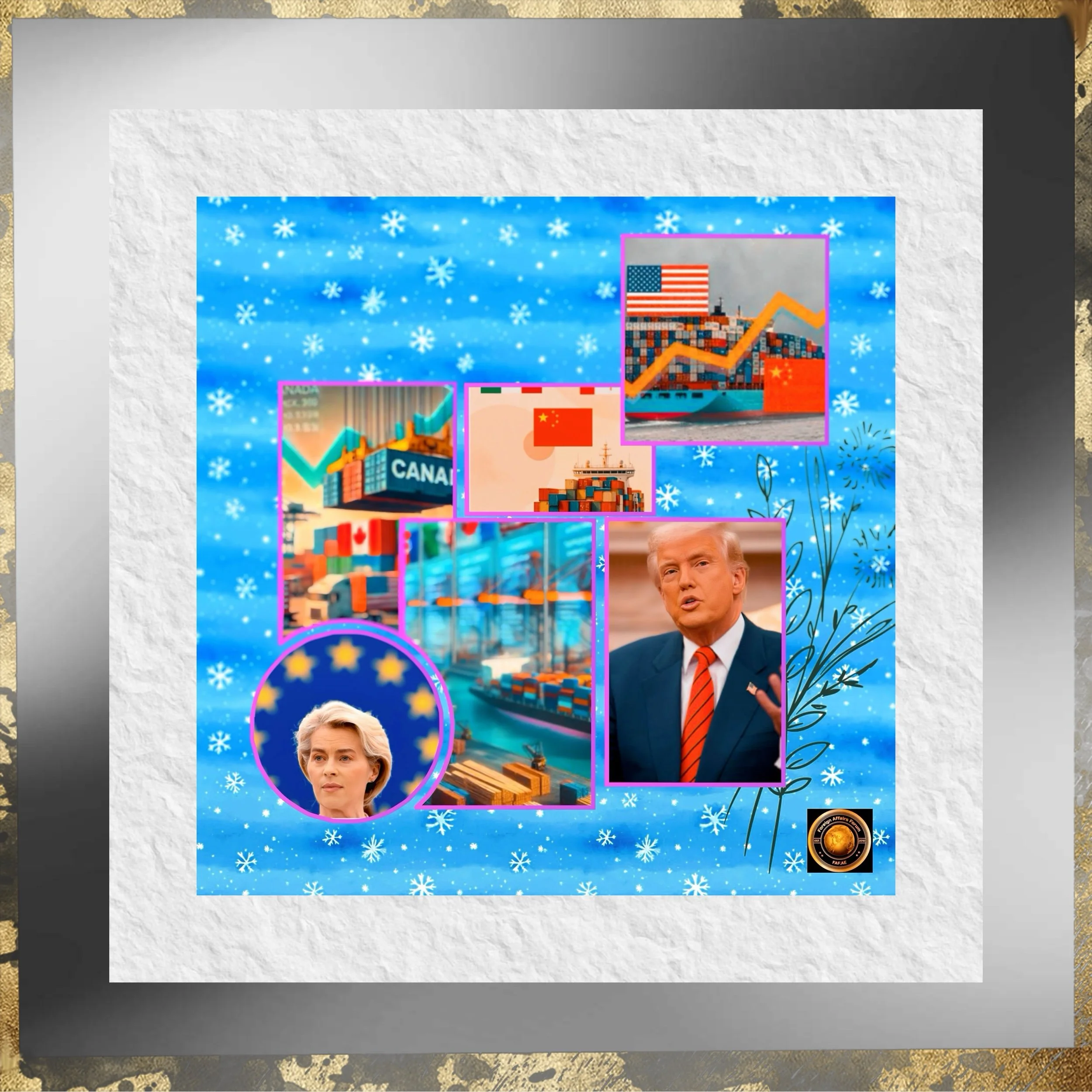
This analysis explores the multifaceted effects of former President Donald Trump's tariff regime on various aspects of the U.S. economy, particularly focusing on how these tariffs impacted federal revenue generation, economic growth metrics, and the accumulation of national debt.
By implementing tariffs on a wide range of imports, Trump's administration aimed to protect domestic industries and encourage American manufacturing.
While intended to boost economic performance, this protective measure had significant implications for trade relations and ultimately influenced the nation's financial health.
Specifically, the tariffs increased revenue for the federal government in the short term, as higher duties generated substantial income.
However, the long-term consequences for economic growth are more complex. While some sectors may have benefited from reduced competition, others faced increased costs for raw materials and finished goods, potentially stifling broader economic expansion.
Moreover, as trade tensions escalated, particularly with major partners such as China, retaliatory measures resulted in declining exports for specific U.S. industries.
The cumulative effects of these policies raised concerns about inflation but also contributed to an increase in the national debt as the government navigated the financial repercussions, including potential losses in trade revenue.
FAF analysis delves deeper into the specific economic indicators affected by these tariffs, assesses their implications on the nation’s fiscal guidelines, and considers the legacy of Trump's tariff decisions on the future trajectory of the U.S. economy.
Introduction
The broad global tariff initiative championed by the Trump administration aims to generate substantial federal revenue, potentially amounting to tens or even hundreds of billions of dollars.
This influx is intended to partially counter the nation’s deficit spending and support various social programs, all while ostensibly encouraging domestic production and manufacturing within the United States.
Nevertheless, these tariffs have been implemented due to inconsistencies and uneven application, leading to reciprocal retaliatory measures from trading partners and introducing significant economic distortions.
This has increased consumer prices and posed risks to a decelerating GDP growth rate.
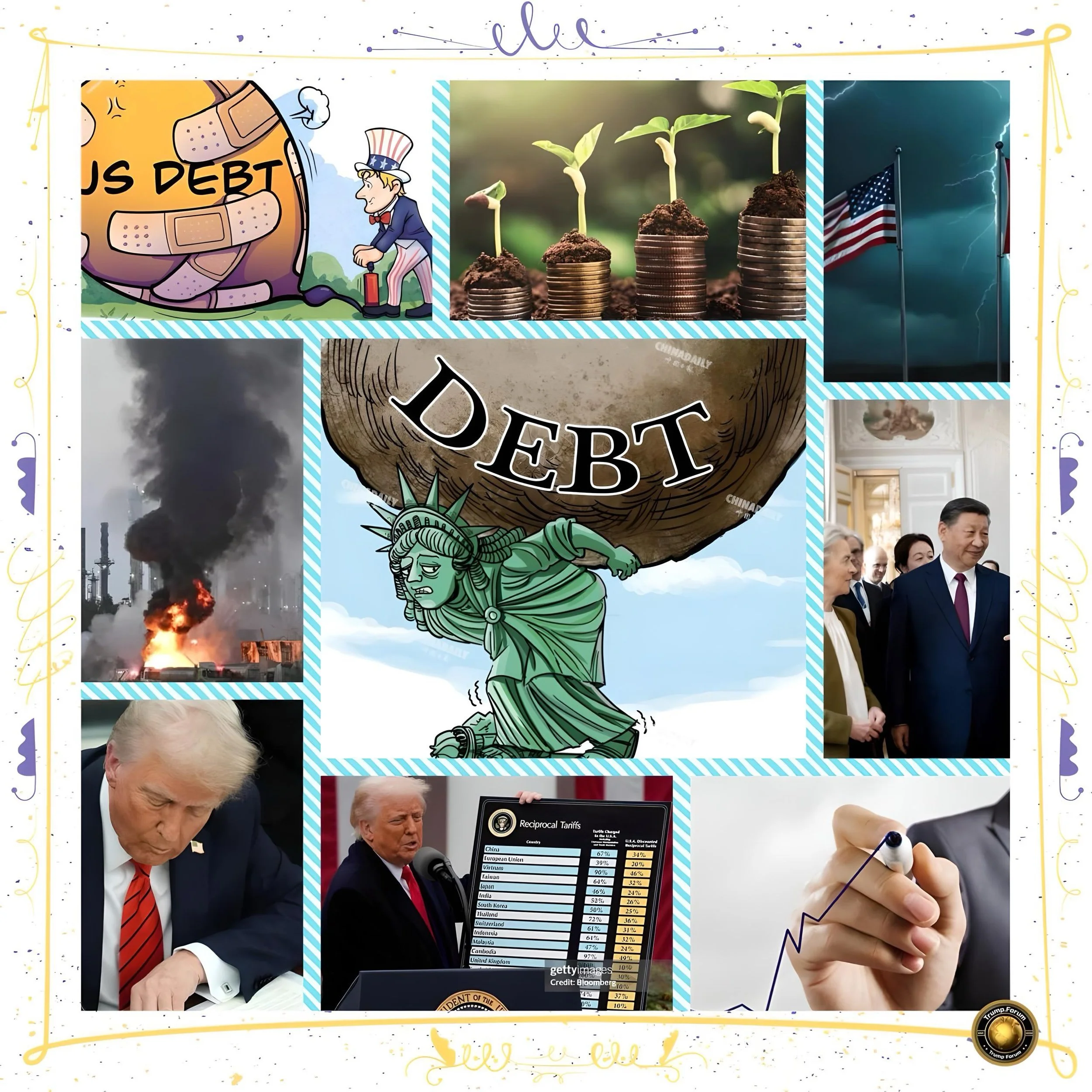
As tariff receipts approach near-record levels, the national debt continues its alarming ascent, with projections indicating it could exceed $37 trillion by the end of 2025.
Without durable deficit-reduction strategies extending beyond mere tariffs, American families' long-term fiscal health and stability remain precariously at risk.
Tariff Design: Revenue Generation and Growth Objectives
Revenue Targets
From January to July 2025, the U.S. Treasury reported remarkable tariff receipts totaling approximately $124 billion.
This figure represents an extraordinary 131 percent increase compared to the same period in the previous year.
Particularly notable was June 2025, when monthly collections reached an unprecedented $28 billion. By late July, the year-to-date total approached $150 billion.
Treasury forecasts suggest that total tariff revenues for the entire year of 2025 could reach an eye-popping $300 billion.
Structure and Scope
At the core of the tariff framework lies a foundational “universal” tariff set at 10 percent, applied to nearly all imports from countries that do not have specific exemptions.
A 15 percent reciprocal tariff is enforced for countries with which the U.S. maintains a goods trade deficit.
However, several bilateral agreements have facilitated lower rates for some nations; for instance, Cambodia and Thailand have a reduced tariff rate of 19 percent, while Taiwan faces a slightly higher rate of 20 percent.
This policy showcases a nuanced approach to managing international trade relationships.
On the other end of the spectrum, smaller developing nations have been subjected to severe “blanket” tariffs that often impose uniform high rates without product-specific exemptions.
A prime example is India, which has recently enacted a substantial 25 percent tariff that came into effect on August 7, 2025.
Growth Rationale
Advocates of this tariff strategy argue that raising import duties will serve several critical objectives. These include fostering the on-shoring of manufacturing operations and revitalizing domestic investment across various industries.
Proponents assert that by redirecting consumer demand toward U.S.-made products, these tariffs will strengthen the tax base and reduce the overarching trade deficit by making imports comparatively more expensive.
Conversely, detractors warn that tariffs resemble regressive consumption taxes, potentially stunting economic growth.
They highlight concerns that inflated prices for consumers and businesses may erode real incomes, collectively diminishing overall economic investment levels.
Global Resistance and Market Uncertainty
Major Players Hold Firm
Significant global players, including China, India, and Russia, have adamantly resisted negotiations for bilateral concessions. This resistance has initiated a cycle of escalating tariffs that disproportionately affect smaller developing nations.
Unfortunately, these punitive measures have not compelled larger economies to make meaningful concessions; instead, they have shifted the burden onto smaller countries, which often lack the negotiating power to counter such measures effectively.
Financial Market Volatility
The unpredictability surrounding tariff-related announcements and the frequent threats made under emergency powers have instigated considerable turmoil within both currency and equity markets.
This environment of heightened uncertainty has led to increased risk premiums, which may impede foreign direct investment—an essential component of sustained economic expansion.
Impact on American Households and Social Programs
Consumer Price Effects
The implementation of tariffs has directly impacted the prices of essential consumer goods across various sectors.
For example, in June 2025, home furnishings experienced a notable price increase of 1.3 percent, while recreational goods and clothing rose 0.9 percent and 0.4 percent, respectively. These increases reflect broader trends affecting the cost of living for American households.
Distributional Burden
Research reveals that the average American household is confronted with tax-equivalent cost increases estimated at $1,270 for 2025. Projections indicate this figure could rise to $1,619 in 2026, driven primarily by the diverse array of tariffs implemented. Notably, this figure does not consider the further strains of escalating retail prices or diminished consumer choices.
Social Program Trade-Offs
While the influx of tariff revenues does contribute to federal finances, the inherent unpredictability of these funds creates challenges for budgetary planning related to essential social safety nets.
Programs such as Medicaid and SNAP, which serve vulnerable populations, are already facing substantial cuts, forcing households dependent on these services to navigate increased costs amid diminishing purchasing power.
National Debt Trajectory and Deficit Mitigation
Current Debt Levels
As of July 3, 2025, the gross federal debt had surged to an alarming $36.22 trillion—a staggering increase of $1.37 trillion from the previous year. If existing policy measures remain unchanged, projections indicate that the U.S. could surpass $37 trillion in total debt by December 2025.
Role of Tariffs in Deficit Reduction
According to projections by the International Monetary Fund (IMF), the federal deficit is anticipated to decline from 7.3 percent of GDP in 2024 to 6.5 percent in 2025, a reduction heavily reliant on the robust tariff revenue.
However, the IMF has cautioned that any significant drops in imports or economic adjustments could dangerously alter these revenue outcomes, highlighting the volatility associated with depending solely on tariff income.
Legislative Responses
On July 3, 2025, Congress passed the “One Big Beautiful Bill,” which bundles extensive tax cuts and spending initiatives projected to inflate the federal debt by as much as $3 trillion over the next decade.
This new legislation may counteract any fiscal benefits gained from tariffs.
To stabilize the debt-to-GDP ratio effectively, bipartisan consensus on focused spending restraints or exploring new revenue sources beyond reliance on trade tariffs is urgently needed.
Long-Term Implications for Economic Stability
Growth vs. Revenue Trade-Off
While tariffs present opportunities for revenue generation in the short term, they simultaneously pose risks to long-term economic growth.
Tariffs could hinder investment and inflate prices, creating a complex landscape that policymakers must navigate carefully to strike a balance between immediate fiscal gains and sustainable economic health.
Fiscal Sustainability
The current economic strategy's heavy dependence on unpredictable customs duties is inadequate for addressing the ongoing structural deficits.
These deficits largely stem from mandatory spending increases, which include rising costs for social security, healthcare programs, and other essential governmental obligations, coupled with an escalation in interest payments on national debt.
Policy Recommendations
To effectively mitigate these pressing challenges, it is crucial to establish multi-year budget frameworks that significantly diminish reliance on emergency tariff measures.
Such frameworks would provide a stable fiscal environment that allows for better long-term planning and resource allocation.
Moreover, pursuing targeted fiscal reforms is essential. This could include a thorough review and potential revision of means-tested entitlement programs, ensuring that they are strategically aligned with current economic realities and fiscal capabilities.
Additionally, broadening the corporate tax base—by closing loopholes and enhancing compliance—would help create a more equitable tax structure that generates consistent revenue to complement that derived from tariffs.
is paramount to cultivate more stable and productive international relationships.
These efforts will not only help secure better trade agreements but also contribute to a more resilient economic future, allowing for diversified and dependable revenue streams that can withstand global economic fluctuations.
Conclusion
The tariff policies implemented under Trump's administration have successfully generated significant revenue for the government, offering a short-term solution to budgetary deficits that have plagued federal finances.
However, the inconsistent application of these tariffs, coupled with retaliatory actions from trading partners, poses a serious threat to long-term economic growth and introduces hidden financial burdens on American families.
As the national debt accelerates toward an alarming $37 trillion, it becomes increasingly clear that achieving sustainable economic stability requires more than just temporary measures like tariffs.
It calls for extensive and strategic fiscal reforms that promote long-lasting solutions, alongside consistent and predictable trade relations with our global partners.
Reliance on stop-gap tariffs is insufficient; proactive policy-making is essential to ensure a resilient and robust economy moving forward.