Taiwan's Democratic Foundations Face Significant Challenges: An In-Depth Analysis
Executive Summary
The political situation in Taiwan has become increasingly volatile, raising alarms for both citizens and international analysts.
Recent years have seen a notable escalation in authoritarian tendencies, spurred by external pressures from the People’s Republic of China (PRC) and internal rifts within Taiwan's political framework.
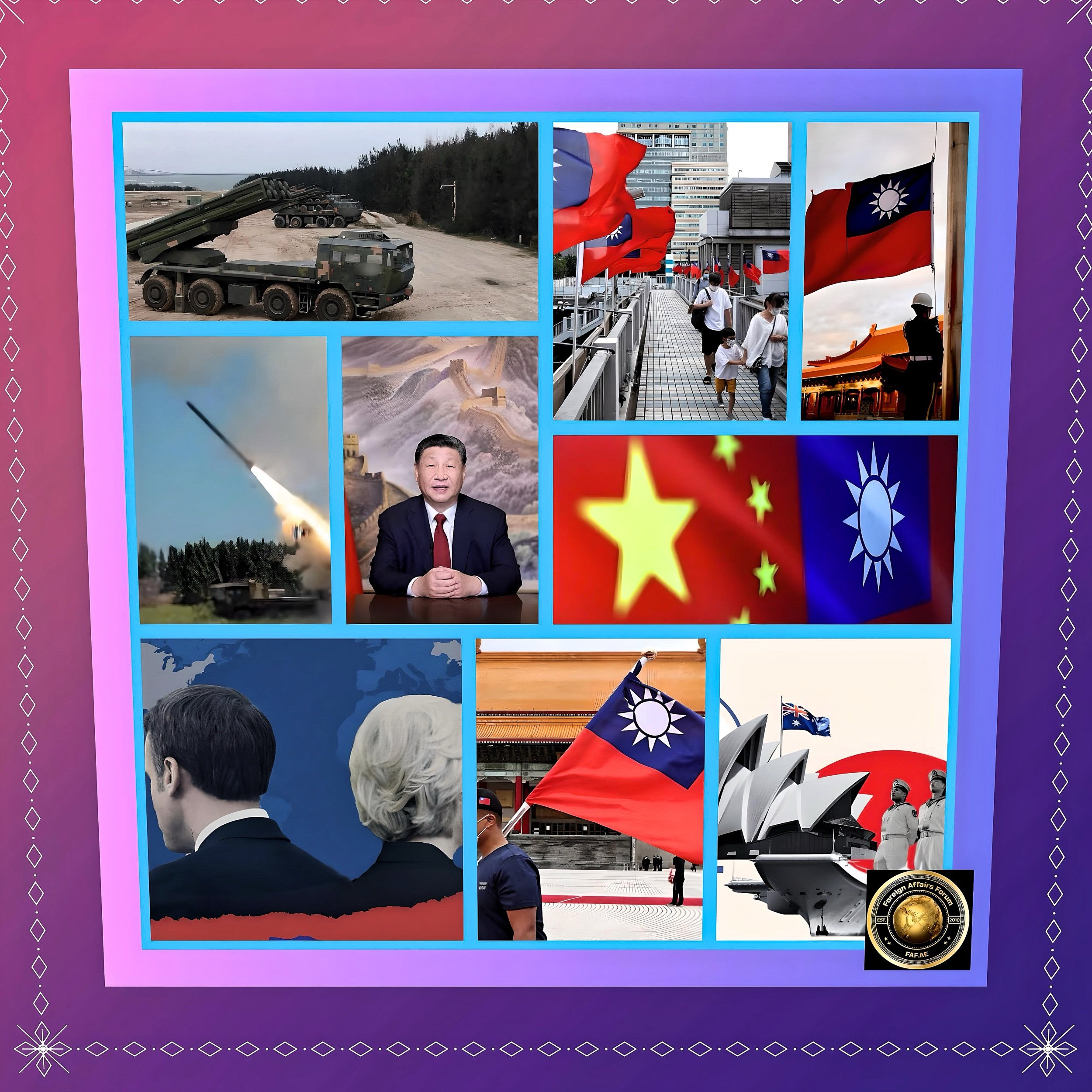
The PRC has intensified its campaign to assert control over Taiwan, framing it as a breakaway province rather than a sovereign entity.
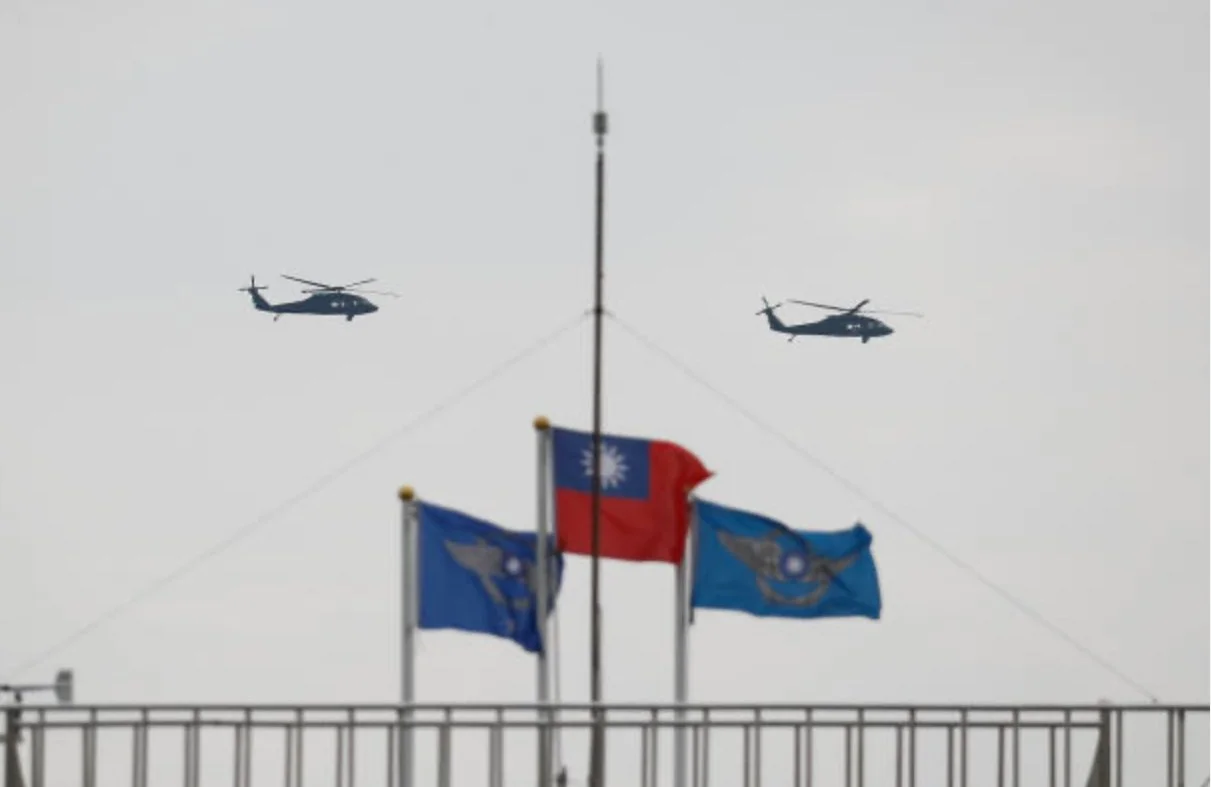
This pressure manifests through various channels, including diplomatic isolation, increased military maneuvers in proximity to Taiwanese waters, and a barrage of aggressive rhetoric aimed at undermining Taiwan's sovereignty.
Consequently, many Taiwanese citizens experience anxiety regarding their democratic rights and the preservation of their autonomy.
Internally, Taiwan is contending with significant political polarization.
The primary political factions, the Democratic Progressive Party (DPP) and the Kuomintang (KMT), frequently clash, contributing to a fragmented political environment.
This polarization has precipitated a decline in public trust in governmental institutions, as citizens express dissatisfaction with issues including economic disparities, governance efficacy, and transparency.
Furthermore, the proliferation of disinformation campaigns—often tied to foreign influence—compounds the challenges faced by democratic processes.
Such misinformation undermines public confidence in electoral integrity, posing a substantial risk to free and fair engagements.
In summary, Taiwan’s democracy stands at a critical juncture, threatened by external aggression and internal discord.
Its democratic principles necessitate unified efforts from both the government and civil society to foster dialogue, strengthen institutions, and counteract authoritarian encroachments.
Absent such commitment, the outlook for democracy in Taiwan appears increasingly precarious.
Introduction
The escalating polarization between Taiwan’s two predominant political factions—the Democratic Progressive Party (DPP) and the Kuomintang (KMT)—has prompted an unprecedented wave of mass recall initiatives.
This development has heightened legislative gridlock, impeding Taiwan’s ability to respond coherently to the mounting security threats posed by the PRC.
Taiwan’s Political History
Taiwan’s political trajectory is marked by colonial domination, authoritarian governance, and a transition to a thriving democracy. The island, annexed by the Qing dynasty in 1683, was ceded to Japan in 1895 following the Treaty of Shimonoseki.
After Japan’s defeat in World War II, the Republic of China (ROC) began to administer Taiwan in 1945.
In 1949, following the Chinese Civil War, the ROC government retreated to Taiwan and established an authoritarian regime under the KMT, imposing martial law marked by the “White Terror,” where dissent was severely repressed, and civil liberties were restricted.
This authoritarian rule persisted for nearly four decades, rendering the political system nominally parliamentary but effectively a one-party dictatorship.
The late 1970s heralded a period of significant political liberalization. The Kaohsiung Incident in 1979 served as a pivotal moment for the democracy movement.
Under President Chiang Ching-kuo, martial law was lifted in 1987, permitting the establishment of new political parties and enhancing civil rights. This shift laid the groundwork for multiparty democracy and constitutional reforms.
President Lee Teng-hui, the first Taiwan-born leader, further accelerated democratic reforms throughout the 1990s, culminating in Taiwan's first direct presidential elections in 1996.
During this time, new political schisms emerged, including the Pan-Blue coalition (KMT and allies, generally advocating for closer relations with China) and the Pan-Green coalition (DPP and allies, typically emphasizing Taiwanese identity and independence).
In 2000, Chen Shui-bian of the DPP made history as the first opposition candidate to secure the presidency, exemplifying Taiwan's first peaceful transfer of power between parties.
Since then, political dynamics have centered around identity, cross-strait relations with China, and functional two-party competition, with both the KMT and DPP alternating in governance as Taiwan remains a resilient democracy, consistently ranked among the most free and open globally.
China's claim over Taiwan persists, despite the island's independent governance, constitution, and military capacities.
Key Developments
Japanese Rule - 1895–1945.
ROC Administration - 1945 onward; authoritarianism under KMT.
Martial Law - 1949–1987; extensive repression (White Terror).
Democratization - Mid-1980s to 1990s; first direct presidential election in 1996.
Political Competition - Peaceful transitions of power between DPP and KMT.
As of today, Taiwan's democracy is robustly rated on the global scale, characterized by open electoral processes, civil liberties, and a vibrant political landscape.
The “Great Recall” of July 26, 2025: An Analytical Overview
On July 26, 2025, Taiwan witnessed an unprecedented political milestone as 24 members of the Legislative Yuan—approximately 21% of the total 113 seats—faced recall votes.
This event constitutes the largest and most systematically organized recall initiative in Taiwan's democratic history.
Primarily targeting Kuomintang (KMT) lawmakers, all 24 recall attempts ultimately failed.
The Democratic Progressive Party (DPP) and its affiliates orchestrated this recall effort with the explicit intent of dismantling the opposition coalition's legislative majority, thereby impeding their capacity to obstruct key legislative measures, particularly those concerning defense funding and national security.
Pursuant to the provisions of the Public Officials Election and Recall Act, a successful recall necessitates that over 25% of eligible voters in each relevant district cast affirmative votes; however, none of the recall campaigns managed to attain this critical benchmark.
A subsequent round of recall votes, focusing on seven KMT members, is scheduled for August 23. This provides the DPP a limited opportunity to reclaim six additional seats essential for securing a legislative majority.
Drivers of Political Polarization
The political environment in Taiwan has experienced increasing fragmentation, particularly around identity, national security, and cross-strait policies:
Mutual Delegitimization
DPP representatives have accused the KMT of collusion with the Chinese Communist Party, alleging efforts to compromise Taiwan’s sovereignty.
Conversely, KMT officials have characterized President Lai Ching-te’s administration as “authoritarian,” invoking historical references to “green terror,” a term that resonates with Taiwan's past experiences of political violence and repression.
Legislative Obstruction
Since January 2024, the pan-blue coalition—which includes the KMT and the Taiwan People's Party—has effectively hindered initiatives proposed by the DPP.
Noteworthy is their obstruction of proposed increases in defense spending and their attempts to amend legislation in a way that transfers critical powers from the executive to the legislative branch, complicating governance concerning national security.
Media Fragmentation
The media landscape in Taiwan has grown increasingly partisan, characterized by outlets and social media platforms that exacerbate public distrust.
Alarmingly, only 27% of Taiwanese citizens report confidence in the majority of news media, representing the lowest trust level recorded in the Asia-Pacific region.
Implications for National Security
The ongoing polarization presents severe implications for Taiwan’s ability to formulate a cohesive strategic response to escalating threats from China:
Budgetary Gridlock
Legislative stalemate has stalled efforts to enhance the defense budget, critically limiting Taiwan's procurement capabilities for essential military assets and undermining overall military readiness.
Strategic Incoherence
The divisive tension surrounding the recall campaigns has siphoned substantial political capital away from strategic planning.
This preoccupation with internal disputes undermines cross-party collaboration, critically impairing Taiwan's capacity to establish a coherent, long-term security strategy.
Exploitable Vulnerability
Beijing’s strategy of "coercion without violence"—encompassing cyber attacks, disinformation campaigns, and gray-zone tactics—exploits Taiwan’s internal divisions to erode public confidence and weaken deterrent capabilities against potential aggressions.
External Assessments and Warnings
Experts and analysts have issued stark warnings regarding the implications of ongoing internal strife, suggesting that it could inadvertently embolden Beijing.
Bonnie Glaser from the German Marshall Fund highlights the risks posed by persistent polarization to national security, advocating for compromise as a necessary step toward strengthening governance.
Joshua Freedman of the Foreign Policy Research Institute cautions that continued partisan conflicts will hinder Taiwan’s leadership in developing effective strategies to counter pressures from Beijing, potentially jeopardizing relations with Washington.
Michael Cunningham of the Heritage Foundation warns that normalizing mass recall initiatives could jeopardize the foundational stability of Taiwan’s democratic institutions, posing a risk even as such initiatives are justified in the name of democratic integrity.
Conclusion
Even if the DPP achieves success in the upcoming August recall and by-elections, the entrenched structural divides within Taiwanese politics are unlikely to dissipate.
Without concerted efforts to rebuild mutual trust and foster an ethos of compromise, Taiwan's democratic framework may continue to deteriorate under both internal discord and external pressures.
Engaging in high-level, cross-party dialogues and implementing reforms to reduce incentives for mass recall campaigns are essential steps toward ensuring Taiwan remains a united front against Beijing's coercive strategies.