Liberalism Has Undermined the Liberal International Order: Advocating for a Practical and Inclusive Alternative
Introduction
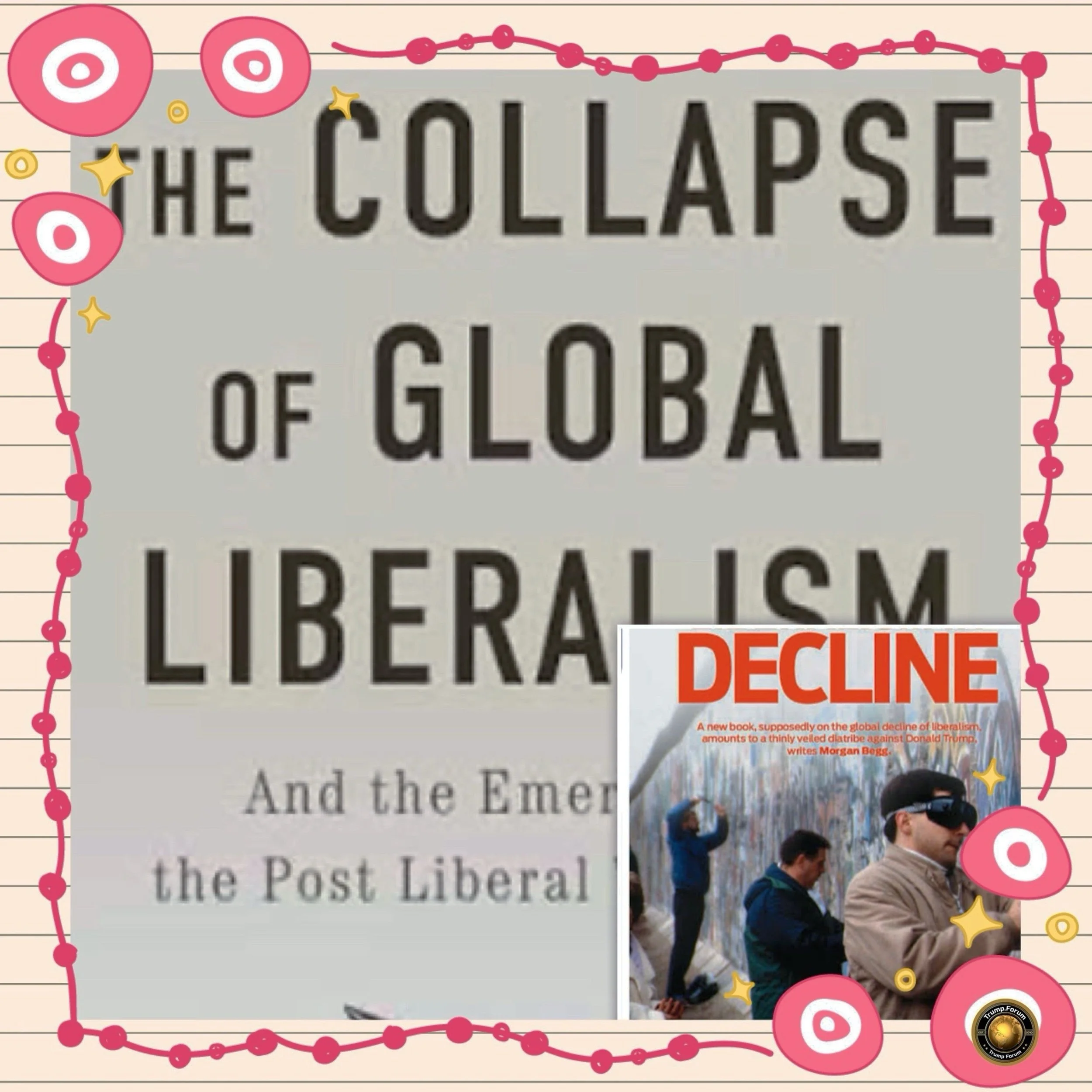
The liberal international order (LIO), which has been defined by its reliance on multilateral institutions, adherence to established legal protocols, and commitment to procedural norms, has now entered a profound state of crisis.
What was once viewed as the strength of legalism and procedural rigidity has transformed into a significant source of stagnation and contentious disputes among nations.
The very frameworks that were designed to foster cooperation and stability are now perceived as obstacles, rendering them ineffective in addressing the complexities of contemporary global challenges.
To effectively protect democracies and promote sustained cooperation in an increasingly diverse and multifaceted international landscape, there is an urgent need to shift towards a less legalistic and more pragmatic approach.
This new system should prioritize pluralism, allowing for a balance between the rule of law and the necessity for political negotiation and flexibility.
Such a transformation is essential to navigate the complexities of modern international relations and ensure that the ideals of democracy thrive in a world characterized by varying interests and perspectives.
The Paradox of Legalism and Rigidity in International Order
Legalistic Foundations as a Source of Weakness
The Liberal International Order (LIO), characterized by its insistence on universally binding regulations and rigorous legal frameworks, has inadvertently fostered inflexible institutions that struggle to adjust to the dynamic landscape of global politics.
While international organizations (IOs) that feature high precision in rules and independent judicial mechanisms initially garnered legitimacy, this very strength led to unforeseen consequences.
Over time, states and domestic stakeholders began to perceive these organizations as incapable of addressing local needs and circumstances, resulting in a notable backlash against their authority.
The prevailing ideology of global legalism posits that international law is the panacea for collective action dilemmas.
However, this perspective fails to account for several critical realitie
first, IOs often lack robust mechanisms for global enforcement, making compliance sporadic and contingent upon national interests;
second, states are more likely to adhere to international rules when it aligns with their self-serving objectives;
third, the fragmented nature of jurisdictions complicates the authority and efficacy of judicial institutions, undermining overall cohesion.
Endogenous Contestation and Institutional Paralysis
As international organizations broadened their inclusivity and institutionalized their operations, attempts by liberal entities to address grievances—such as increasing membership or enhancing procedural safeguards—resulted in added complexity.
This complexity often led to decision-making gridlock, where the organizations struggled to deliver substantive outcomes.
The inability of these legal entities to provide expected public goods, such as the anticipated trade liberalization stemming from the Doha Round or effective collective security initiatives, gradually diminished public trust in the system.
This erosion of faith has been a catalyst for the rise of nationalist and populist movements, particularly within the contexts of liberal democracies that once championed the global order.
Why Mourning the Order’s Passing Is Counterproductive
Misdiagnosis of the Crisis
The crisis facing the liberal order is frequently misattributed to external provocateurs, such as the unilateral policies of the Trump administration or the ascendance of China as a dominant global player.
Such perspectives and critiques fail to confront the fundamental issue: the over-institutionalization of liberal principles has come at the cost of adaptability and responsiveness to changing global realities.
Naïve Remedies
The calls to "defend the rules-based international order" through an intensification of legalistic rigidity may unintentionally exacerbate the paralysis that currently plagues these organizations.
Furthermore, attempts to appease hegemonic powers with apologetic rhetoric cannot adequately restore the institutional responsiveness necessary for effective governance.
Toward a Pragmatic, Pluralistic International System
Principles of Pragmatic Pluralism
Selective Legalization
A more effective approach would involve the adoption of legal norms that demonstrably yield clear public benefits, such as internationally recognized environmental standards.
However, there should be allowances for flexibility in other areas, permitting variable geometry coalitions that more aptly reflect the diverse interests of member states.
Political Contestation
Incorporating deliberative mechanisms to complement existing legal frameworks would enable both state and non-state actors to negotiate and adjust rules based on the evolving political landscape and community needs.
Pluralism of Orders
Acknowledging the existence of multiple suborders—such as those focused on economic cooperation, security, and human rights—allows for varying levels of liberal integration and degrees of institutionalization, each stewarded according to the most suitable blend of legal imperatives and political considerations.
Institutional Innovations
Minilateral Coalitions
For issues demanding significant cooperation, such as in the realm of technology governance, establishing "coalitions of the willing" can facilitate quick action and decision-making, circumventing the inertia often encumbering larger, universal forums.
Modular Rule-Making
Introducing a system of tiered membership within IOs, where core members are bound by stringent obligations while peripheral participants adhere to lighter commitments, can maintain inclusivity yet improve overall efficacy.
Enhanced Political Forums
Creating political deliberative councils that exist parallel to judicial bodies would empower a broader array of voices, thus nurturing negotiated solutions that are reflective of the interests of diverse constituencies.
Protecting Democracies through Flexibl Cooperation
A less legalistic international system has the potential to safeguard democratic values by enabling:
Respecting Sovereignty and Agency
By allowing democracies to tailor the enforcement of rules according to domestic accountability mechanisms, a more nuanced approach can be cultivated.
Mitigating Backlash
Adjusting the strictness of global rules to consider local social resilience can help alleviate the economic disruptions often wrought by hyperglobalization, fostering a more stable international environment.
Enabling Reform from Within
Facilitating incremental and politically motivated reforms will maintain legitimacy and buy-in from a varied array of stakeholders, ensuring that the system remains relevant and responsive to contemporary challenges.
Conclusion
The decline of the Liberal International Order (LIO) stems not from sudden external crises but rather from its own entrenched procedural rigidity.
To reinvigorate this cooperative framework, it is essential to adopt a pragmatic approach to pluralism. In this context, law is perceived as just one instrument among a diverse set of tools, allowing for a more flexible response to changing circumstances.
Furthermore, fostering an environment of political contestation is crucial for ensuring both adaptability and the democratic legitimacy of governance.
For liberal democracies to effectively uphold and promote the fundamental norms and values they hold dear, it is imperative to break free from the constraints imposed by excessive legal formalism.
This involves embracing a broader perspective that prioritizes open dialogue, cooperative decision-making, and a willingness to adapt to evolving challenges.