Trump’s Trade Strategy: Analyzing the China-India Manufacturing Dynamics
Introduction
U.S. President Donald Trump's recent policy shifts regarding tariffs on China and his comments about Apple’s manufacturing in India reveal a complex interplay of economic priorities, negotiation tactics, and geopolitical considerations.
Per the FAF review, Trump’s approach to international trade has been marked by dramatic announcements and significant modifications, raising questions about his ultimate objectives.
Trump’s Tariff Flip-Flops with China
Significant policy reversals have characterized President Trump’s recent approach to trade with China.
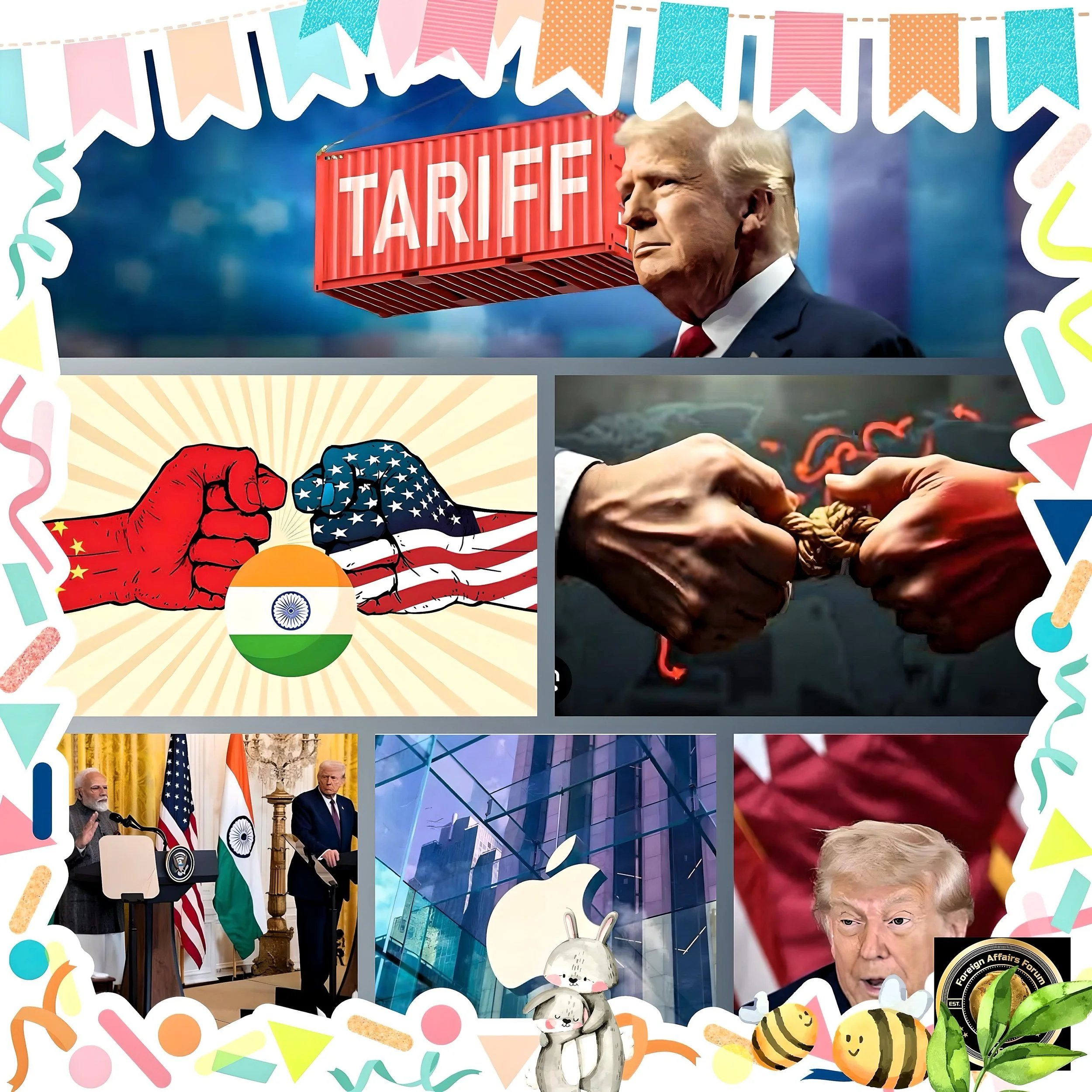
On April 2, 2025, Trump declared “Liberation Day” for American trade, imposing a 10% tariff on all imports globally while dramatically escalating tariffs on Chinese goods to an unprecedented 145%.
This move sent global markets into turmoil, erasing over $6 trillion in market value.
However, just a week later, on April 9, Trump postponed the implementation of these tariffs by 90 days for all countries except China.
More recently, U.S. officials have discussed reducing the punishing levies on Chinese goods to between 50% and 54%.
According to the New York Post, the Trump administration is considering lowering tariffs to begin what promises to be lengthy negotiations for a trade agreement.
This rapid shift in policy has drawn criticism from political opponents. Senate Democratic Leader Chuck Schumer has accused Trump of “caving to Xi Jinping and the CCP,” claiming that “China got the better of the Trump administration.”
Schumer argued that while he supports strict action on China regarding unfair trade practices, Trump’s approach has created economic chaos without securing meaningful concessions.
The Strategy Behind the Volatility
Rather than a simple fear of China, Trump’s tariff adjustments appear to reflect both economic realities and his distinctive negotiation style.
According to the analysis of Trump’s approach, as detailed in his book The Art of the Deal, his negotiation strategy typically involves “starting big, creating chaos, and forcing the other side to blink first.”
Economic pressures likely played a significant role in the policy reversal.
Sources note that “China is in a better position of strength to win this long war of attrition on trade” and that the U.S. needed to “avert a potential imminent supply shock” as “there are no easy alternatives to replace Chinese goods in terms of scale, efficiency, and costs for at least the next few years”.
The Apple-India Manufacturing Controversy
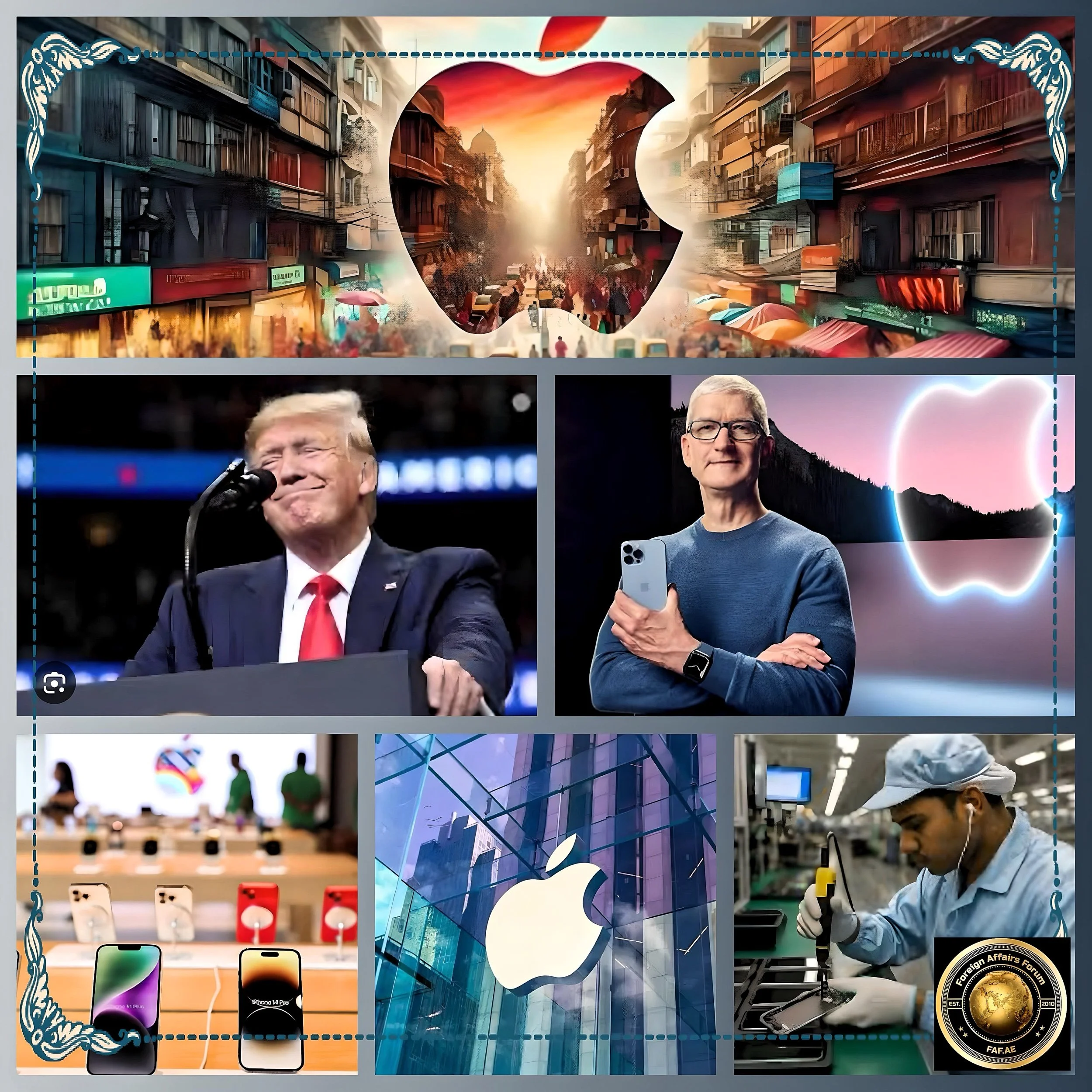
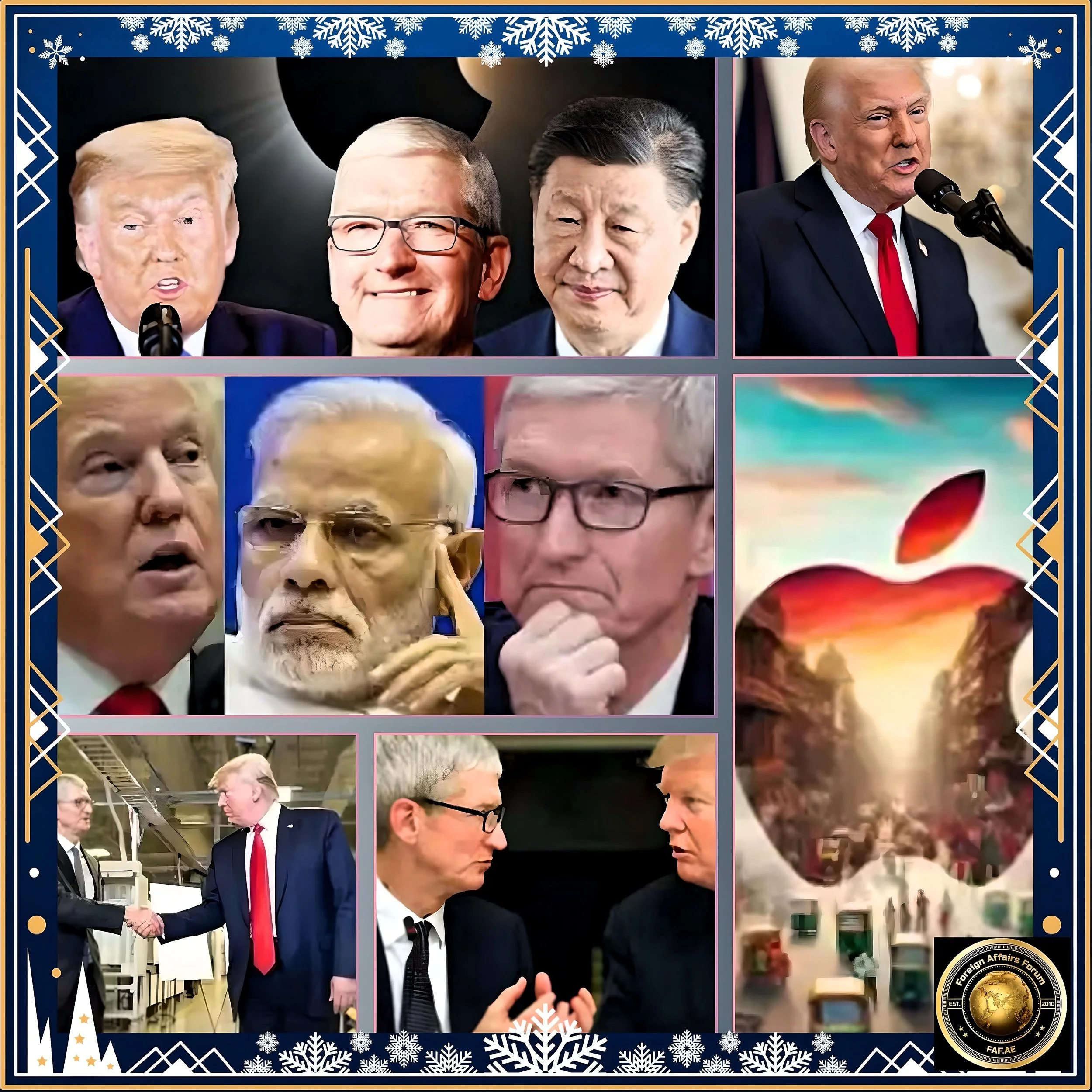
On May 15, 2025, during a business event in Qatar, Trump revealed he had confronted Apple CEO Tim Cook about the company’s expanding manufacturing operations in India.
“I had a little problem with Tim Cook yesterday,” Trump stated. “I said to him, ‘my friend, I treated you very good… but now I hear you’re building all over India. I don’t want you building in India’”.
Trump elaborated on his position: “I told Tim, ‘Look, we treated you really good, we put up with all the plants you build in China for years, now you got to build us… We are not interested in you building in India. India can take care of themselves. They are doing very well. We want you to build here’”.
This intervention comes at a significant moment for Apple’s global supply chain strategy.
The company has been rapidly expanding its manufacturing presence in India, with approximately 15% of iPhones now assembled there.
Production in India reached an estimated $22 billion worth of iPhones in the year ending March 2025, marking a 60% increase from the previous year.
India’s Response and Apple’s Position
The Indian government has downplayed Trump’s remarks.
A senior government official stated that “India has become a very significant mobile manufacturing hub” and suggested that “Apple would be more concerned about where they would find manufacturing competitiveness” than about political rhetoric.
More significantly, Apple has reportedly “assured the Indian government that there will be ‘no change’ in its investment plans for the country,” according to government sources.
Rajoo Goel, Secretary General of the Electronic Industries Association of India, characterized Trump’s comments as “just a statement” and expressed confidence that the U.S. President “might change his stance”.
The Value of U.S.-China Trade Relations
Contrary to the suggestion that the United States gains little from trade with China, economic data indicates significant benefits across multiple dimensions:
Consumer Benefits and Jobs
U.S. consumers have benefited substantially from trade with China through access to lower-priced goods.
A 2019 study by economists Xavier Jaravel and Erick Sager found that increased trade with China boosted the annual purchasing power of the average U.S. household by $1,500 between 2000 and 2007.
Trade with China also supports over one million U.S. jobs through exports, which totaled $192 billion in goods and services in 2021, constituting 7.5% of all U.S. exports.
Additionally, Chinese companies invested in the United States employ over 160,000 workers.
Business Opportunities and Financial Benefits
U.S. companies have profited immensely from access to China’s market.
According to official U.S. data, sales by American companies invested in China reached $370 billion in 2020.
This substantial revenue allows companies to reinvest in R&D and develop cutting-edge technologies, contributing to the United States’ position as a leader in innovation.
China’s ownership of $1 trillion in U.S. Treasury bills helps keep interest rates low, translating to meaningful reductions in mortgage payments for U.S. homeowners and tens of billions of dollars in savings for the federal government.
Is Trump’s Policy Motivated by Fear of China?
The evidence does not clearly support the notion that Trump’s tariff reductions are motivated primarily by fear of China.
Rather, they appear to reflect a recognition of economic realities and domestic pressures.
Republican leaders have been “openly criticizing Trump’s bellicose tariffs and other policies,” which may affect the mid-term U.S. election next year.
Similarly, there is no direct evidence in the available information that Trump’s opposition to Apple manufacturing in India is intended to appease China.
His statements consistently emphasize wanting manufacturing to return to the United States rather than expressing a preference for China over India.
Conclusion
President Trump’s approach to trade policy with China and his intervention regarding Apple’s manufacturing in India reflect his “America First” agenda and distinctive negotiation tactics rather than simple fear of China.
The initial imposition of dramatic tariffs followed by significant reductions appears consistent with his established pattern of creating leverage through extreme positions before seeking compromise.
While critics characterize these policy shifts as “flip-flops” or “caving,” supporters might view them as tactical adjustments in pursuit of long-term goals.
The facts show that, contrary to the suggestion that the U.S. gains little from trade with China, the relationship yields substantial economic benefits for American consumers, workers, and businesses.
As for Apple’s manufacturing in India, the company appears committed to maintaining its investment plans despite Trump’s objections, highlighting the complex interplay between corporate strategy, geopolitics, and government policy.