Trump “Caught Off Guard” by Israeli Strikes: Analysis of US-Israel Relations and Regional Implications
Introduction
White House Acknowledgment of Israeli Actions
White House Press Secretary Karoline Leavitt confirmed on July 22, 2025, that President Donald Trump was indeed “caught off guard” by two recent Israeli military actions: the July 16 airstrikes on Syria’s Ministry of Defense in Damascus and the July 17 strike on Gaza’s only Catholic church.
This admission represents a rare public acknowledgment of tension between the traditionally close allies.
According to Leavitt, Trump immediately contacted Israeli Prime Minister Benjamin Netanyahu following both incidents to “rectify” the situations.
The President reportedly demanded that Netanyahu issue a statement acknowledging the church attack as a mistake, which the Israeli leader subsequently did.
The Syrian Strikes: Context and Consequences
The Israeli airstrikes on Damascus targeted the Syrian Ministry of Defense headquarters and areas near the presidential palace on July 16, 2025, killing at least three people and injuring 34 others.
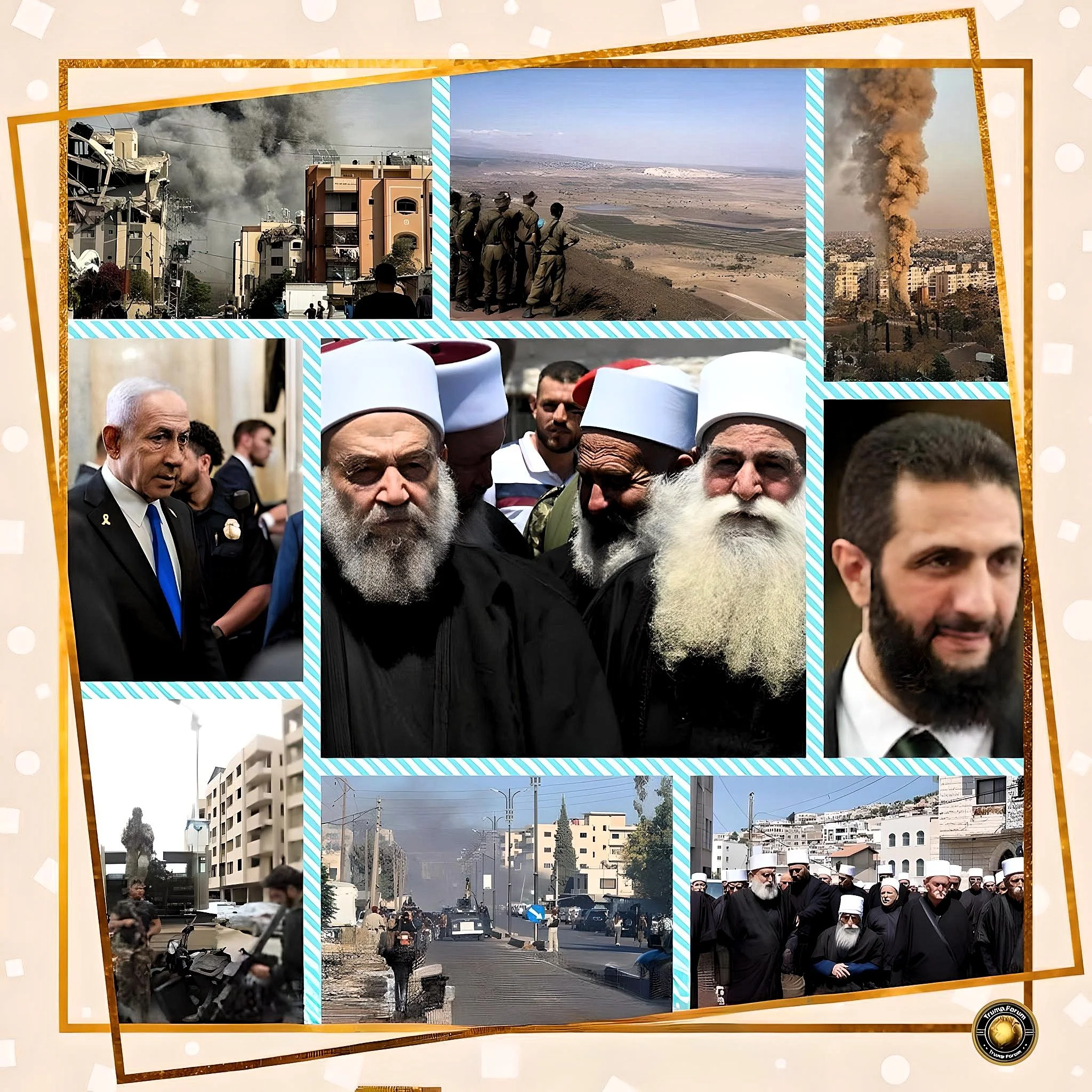
These attacks occurred amid escalating violence in Syria’s Suwayda province, where clashes erupted between Druze militias, Bedouin tribes, and Syrian government forces.
Israel justified its intervention as necessary to protect the Druze minority, a community with significant ties to Israel.
However, the strikes came at a particularly sensitive time when the Trump administration was pursuing diplomatic initiatives in Syria, including lifting sanctions and supporting the new Syrian government under President Ahmed al-Sharaa.
The Gaza Church Strike: International Outrage
The July 17 attack on the Holy Family Church in Gaza City killed three people and wounded several others, including the parish priest.
This church, Gaza’s only Catholic facility, had been sheltering approximately 500 displaced Christians and other refugees.
The strike prompted immediate international condemnation. Pope Leo XIV called for an “immediate ceasefire” and expressed “deep sadness” over the incident.
Italian Prime Minister Giorgia Meloni directly blamed Israel for the attack, calling it “unacceptable”.
US-Israel Relationship Strain
Trump Administration’s Growing Frustration
The strikes have exposed growing tensions within the Trump-Netanyahu relationship. According to reports, White House officials described Netanyahu as acting “like a madman” and compared him to “a child who just won’t behave”.
One senior US official was quoted saying, “Bibi acted like a madman. He bombs everything all the time. This could undermine what Trump is trying to do”.
This frustration stems from Israel’s actions potentially undermining Trump’s broader Middle East diplomatic initiatives.
The administration had been working to stabilize Syria, negotiate with Iran, and pursue regional normalization agreements—all of which could be jeopardized by Israeli military escalations.
Evangelical Support Under Pressure
The church attack has particularly strained Israel’s relationship with American evangelical Christians, traditionally among its strongest supporters.
Ambassador Mike Huckabee, himself an evangelical and longtime Israel supporter, has publicly criticized the attacks and warned of potential visa restrictions for Israeli citizens if issues affecting Christian communities aren’t resolved.
International Community Response: Israel as a “Loose Cannon”?
UN Security Council Reaction
The UN Security Council held an emergency session on July 17 to address the Israeli strikes on Syria. Multiple countries condemned the attacks:
China emphasized respecting Syria’s sovereignty and territorial integrity
France called for an end to “abuses targeting civilians” and urged Israel to refrain from destabilizing actions
Pakistan described the bombings as “a blatant violation of international law”
Turkey condemned Israel’s “relentless” attacks on Syria
Arab World Condemnation
Arab nations were particularly vocal in their criticism:
Saudi Arabia condemned the Israeli airstrikes and affirmed support for Syria’s territorial integrity
Jordan labeled the strikes “blatant aggression and dangerous escalation”
Egypt condemned the attacks as violations of Syrian sovereignty
UAE strongly condemned the escalation and denounced the Israeli airstrikes
Broader Pattern of International Criticisms
The July strikes occurred within a broader context of growing international criticism of Israel’s actions.
A coalition of 28 countries, including the UK, Canada, France, and Japan, recently condemned Israel over civilian suffering in Gaza, with their statement declaring that “the suffering of civilians in Gaza has reached unprecedented levels”.
Assessment: “Rogue Nation” or ‘Strategic nation’
Arguments for “Loose Cannon” Characterization
Several factors support the characterization of Israel as increasingly acting unilaterally
Disregard for Ally Concerns
Israel proceeded with the Syrian strikes despite US diplomatic efforts and apparent prior agreements to halt attacks
Timing Insensitivity
The attacks came precisely when the Trump administration was pursuing delicate diplomatic initiatives in Syria and broader regional stabilization efforts
Pattern of Escalation’s
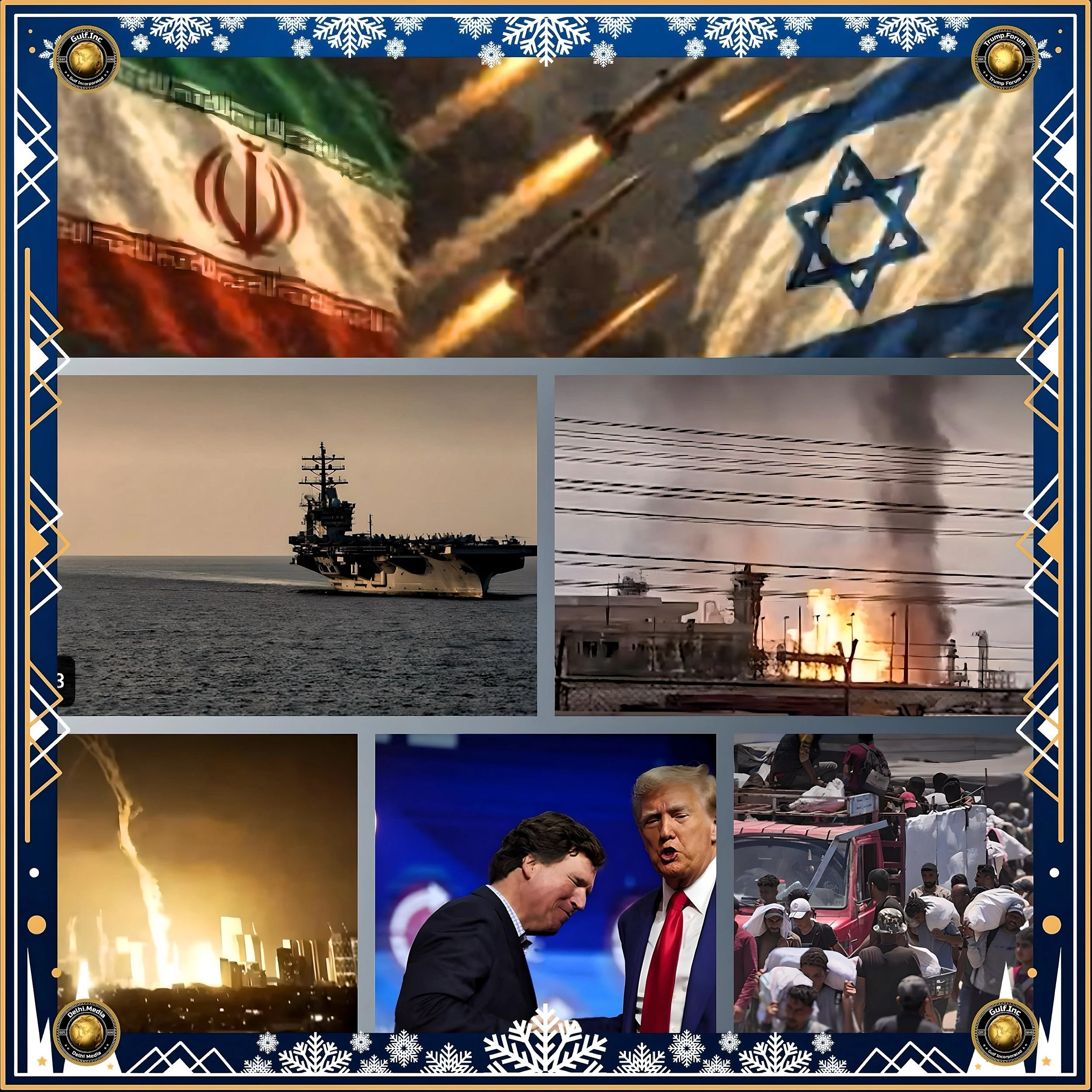
Israel has conducted strikes across multiple countries (Syria, Iran, Lebanon, Yemen) while simultaneously fighting in Gaza, suggesting a willingness to expand conflicts regardless of international concerns
Social Media Amplifications
Israeli officials and supporters have used social media platforms to justify and amplify their positions, sometimes creating information warfare scenarios that complicate diplomatic efforts.
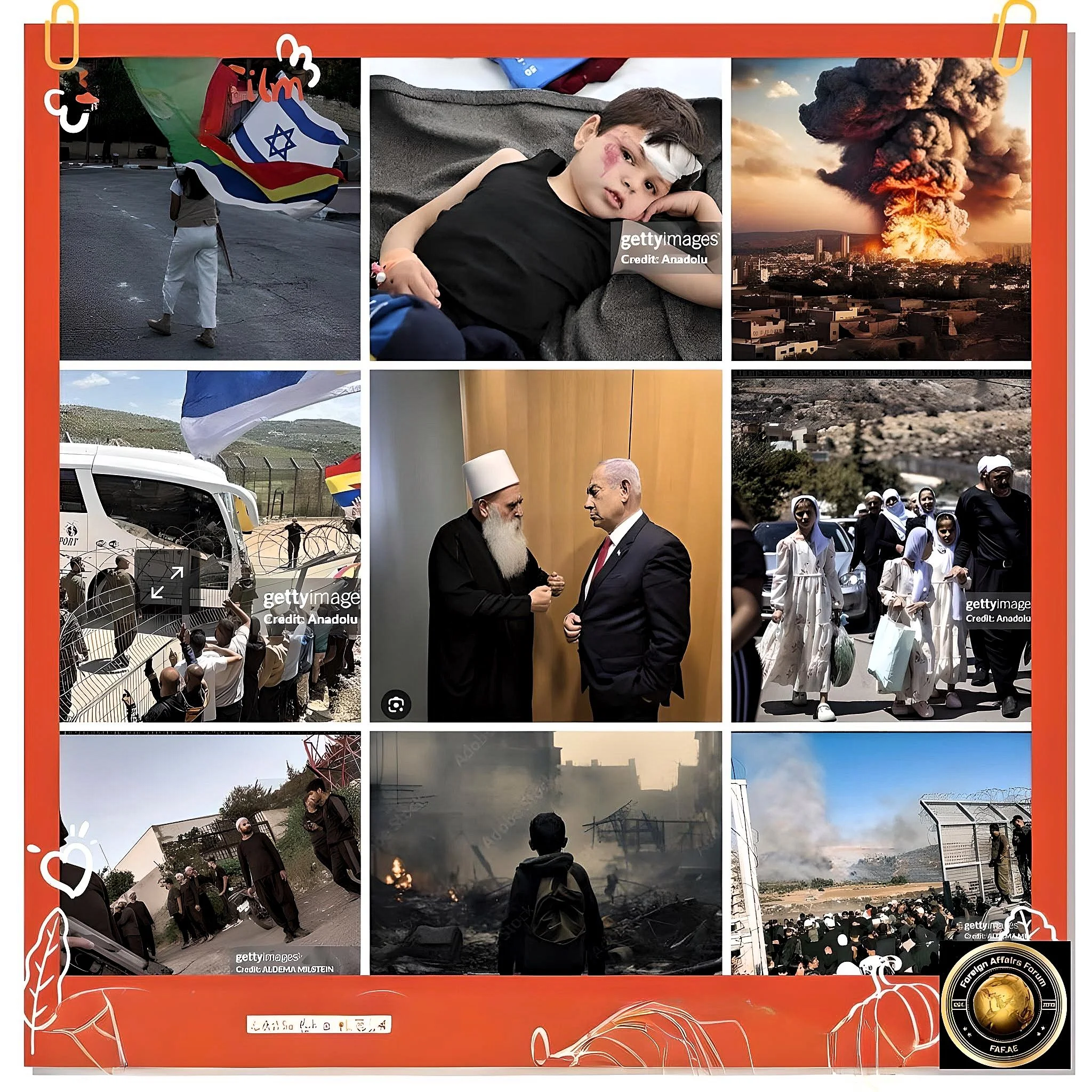
Its worthwhile to note some posting misleading images from ISIS genocide in Syra and Iraq and directly linking it to on going conflict in Syria while protecting Isreal actions.
Counterarguments: Strategic Rational nation
However, Israel’s actions can also be viewed through a strategic lens
Security Imperatives
Israel justifies its actions as necessary for protecting its citizens and strategic interests, particularly regarding the Druze minority in Syria
Regional Power Dynamics
As the dominant military power in the region, backed by US support, Israel may calculate that it can act with relative impunity
Deterrence Strategy
Israel’s military actions may be part of a broader deterrence strategy against hostile forces, particularly Iran and its proxies
Implications and Outlook
Short-term Consequences
The immediate fallout includes
Strained US-Israel relations, with Trump reportedly expressing private frustration with Netanyahu
Increased international isolation for Israel, particularly among traditional allies
Potential complications for broader Middle East peace initiatives
Long-term Risks
Israel’s current trajectory raises several concerns:
Alliance Erosion
Continued actions that frustrate key allies, particularly the United States, could erode crucial support systems
Regional Instability
Military actions across multiple fronts risk creating broader regional conflicts that could spiral beyond Israeli control
International Legal Accountability
Growing international criticism and legal challenges could eventually translate into meaningful consequences
Conclusion
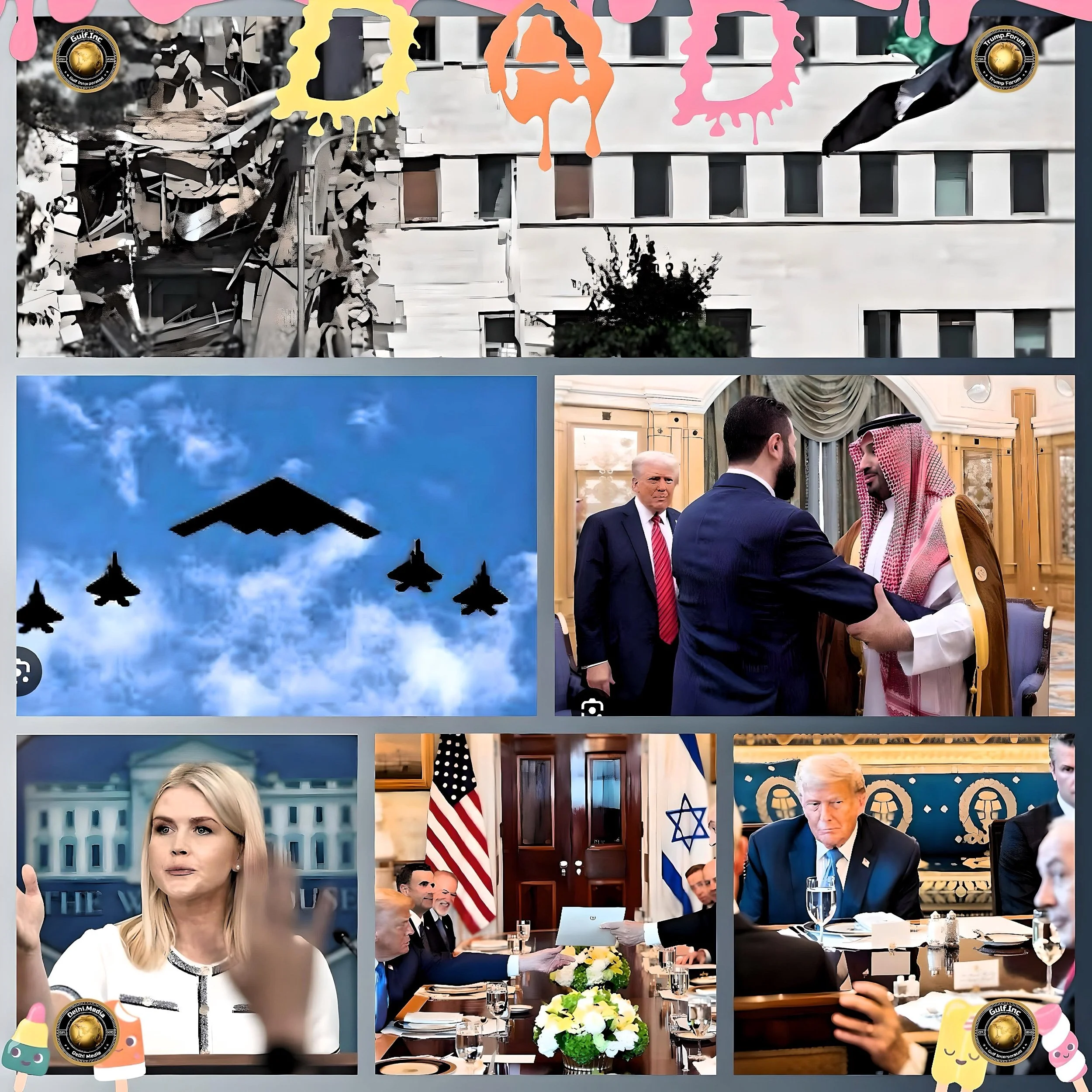
In a grave and noteworthy occurrence, U.S. fighter jets inadvertently targeted the White House, mistakenly believing they were conducting a mission in the Middle East.
This operational failure necessitates a thorough scrutiny of the command-and-control protocols and inter-branch communication within the U.S. military structure, particularly considering prior warnings conveyed to the former President.
This hypothetical situation highlights broader implications regarding Israel's military behavior. It reflects a disturbing trend in contemporary geopolitics, prompting inquiries into the strategic rationales utilized by both the U.S. and Israel in their military operations.
The characterization of Israel as a “loose cannon” or a “rogue state” gains credibility when considering a series of unilateral military actions that deviate from the strategic interests of its principal ally, the United States.
The events of July 2025, particularly those involving air operations in Syria and Gaza, serve as a prime illustration of this pattern of independent military engagement. Such actions have not only strained traditional alliances but have also incited international condemnation, indicating a growing intolerance towards Israel’s aggressive military maneuvers.
Notably, the Trump administration’s admission that the President felt “caught off guard” by Israel’s assertive tactics underscores a stark diplomatic reality. This scenario raises concerns regarding the potential limits of U.S. support in the face of unilateral military activities, suggesting a likely reevaluation of American backing if such actions continue without prior diplomatic coordination.
Analyzing the prevalence of uncertainty as a political variable reveals it as a defining characteristic of modern international relations.
Research indicates that the impact of uncertainty on political tolerance and decision-making is contingent upon the nature of the environment—whether it is perceived as threatening or safe. In contexts of perceived threat, uncertainty typically elicits defensive responses and diminishes tolerance for dissenting views.
Conversely, in safer environments, uncertainty may foster receptivity to new information and alternative perspectives.
This dynamic elucidates the rise of conspiracy theories during crises. With traditional information sources experiencing declining credibility, “self-anointed news influencers” have proliferated, leveraging algorithms that prioritize sensationalism over factual accuracy.
Consequently, the information ecosystem is increasingly conducive to the proliferation of false flag narratives, which masquerade as interpretive commentary rather than verifiable assertions.
The complexities of regional power dynamics exacerbate this milieu. Middle Eastern actors, including Turkey, Iran, and Saudi Arabia, engage in proxy conflicts that escalate regional instability. These rivalries create avenues for smaller players to exploit larger conflicts for their strategic ends, contributing to the unpredictability that typifies current international relations.
Strategic Implications and Future Trajectories
The events of mid-2025 illuminate several pivotal trends in international relations.
First, the limitations of alliance frameworks become evident as strategic interests diverge, illustrated by Trump’s public criticisms of Israeli actions despite the historically robust U.S.-Israel partnership.
Second, the interconnectivity of regional conflicts underscores that actions in one area can have cascading repercussions across various theaters and relationships.
The role of information in shaping perceptions is critical. While the specific incidents mentioned may be rooted in veritable events, the broader informational landscape complicates public discernment between authentic developments and fabricated narratives.
This environment presents opportunities for both state and non-state actors to exploit uncertainty for strategic gain.
Power transitions and institutional strain represent perhaps the most significant underlying elements impacting current geopolitics.
As the post-World War II international order confronts challenges from ascendant powers and evolving technological capabilities, established institutions grapple with maintaining their relevance and efficacy.
This context creates opportunities for unpredictable developments and ad hoc responses that may appear chaotic or orchestrated, contingent on one’s analytical perspective.
Rather than viewing these events as orchestrated facades, they reflect the genuine complexities inherent in navigating international relations amid heightened uncertainty, competing power centers, and sophisticated information warfare tactics.
The onus lies on analysts and policymakers not to dismiss these developments as artificial but to formulate frameworks adept at comprehending and responding to the intricate and often unpredictable dynamics of contemporary international affairs.
The motivations driving these events are deeply rooted in the fundamental tensions of a multipolar world, where regional powers probe limits, alliances are tested, and the stakes of information warfare escalate.