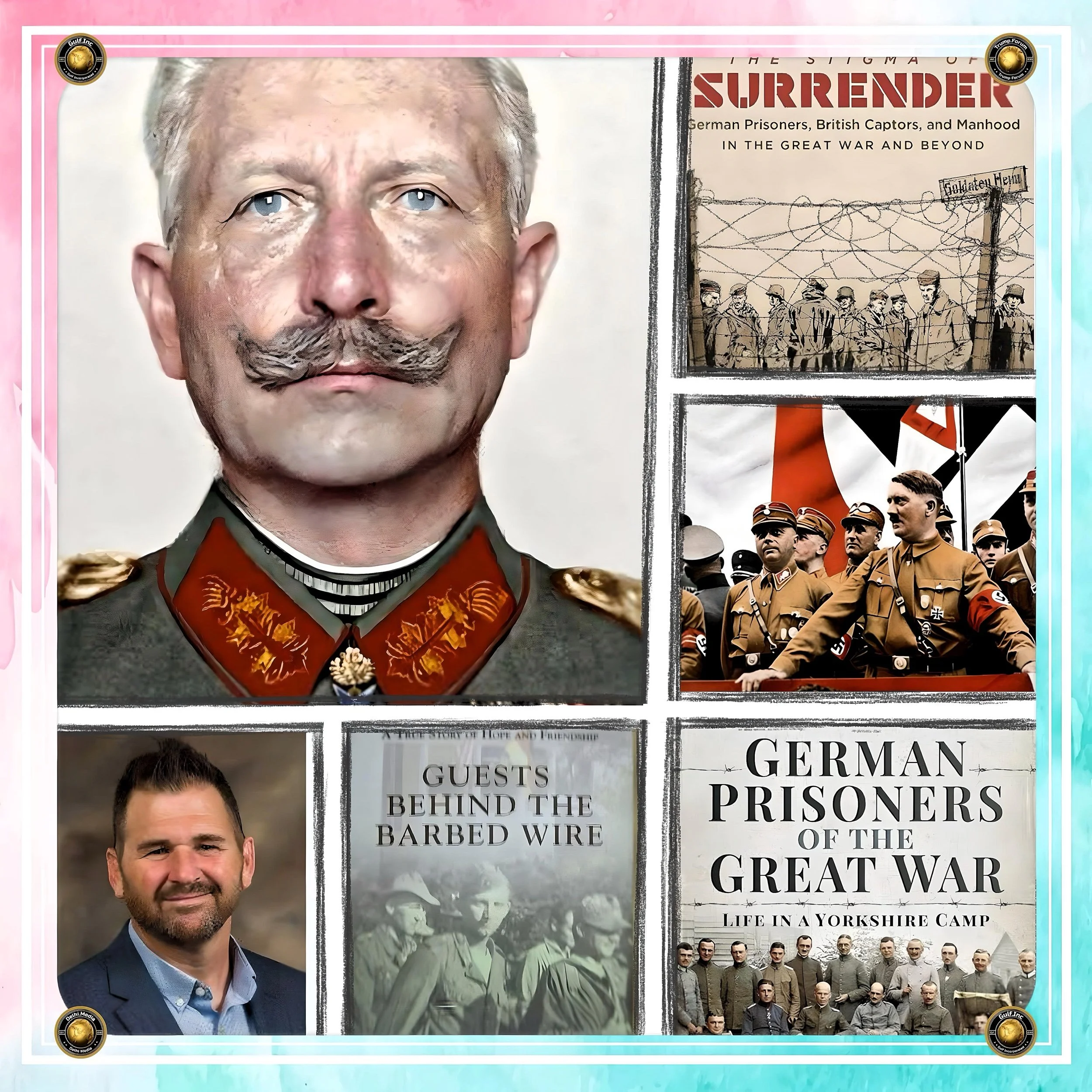
The Stigma Surrounding Surrender: An Analysis of German Prisoners and British Captors in the Context of Masculinity During the Great War and Its Aftermath- Rise of Nationalism and birth of Nazism
Introduction
The Dynamics of World War I and the Psychological Impact of POW Humiliation, the Role of Nationalism and Rise of Nazism—The Emergence of Israeli Path of Genocide in Gaza.
The Intersection of Masculinity and Military Captivity in World War I
The surrender experience during World War I represented far more than a tactical military decision—it constituted a profound crisis of masculine identity that would reverberate through the interwar period and contribute to the political upheavals that followed.
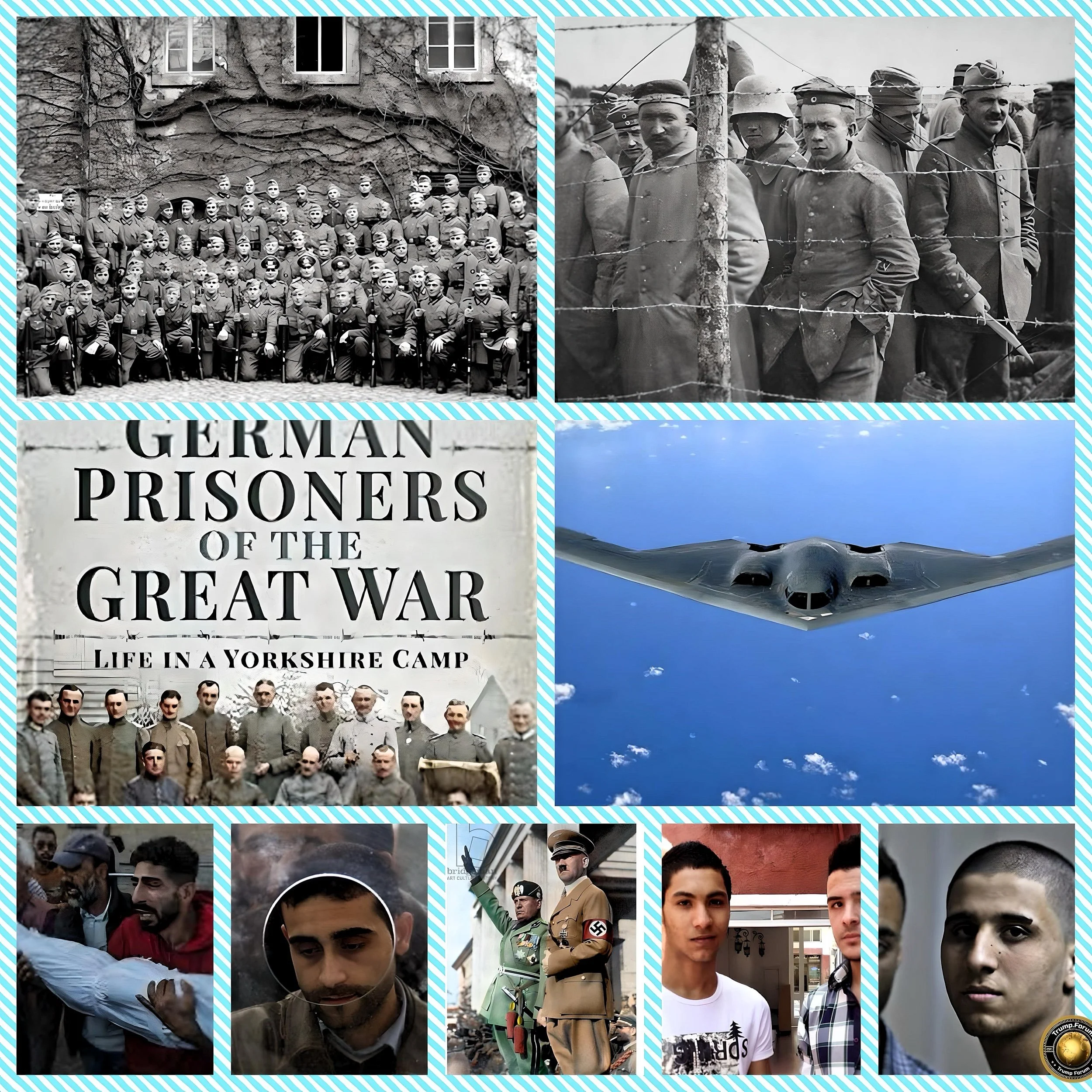
Brian K. Feltman’s seminal research illuminates how approximately 130,000 German prisoners held in the United Kingdom during the conflict navigated the devastating psychological terrain between cultural expectations of heroic masculinity and the reality of captivity.
The Crisis of German Masculine Identity
Pre-War Masculine Ideals
German masculinity in the early twentieth century was inextricably linked to military service and the defense of the Fatherland.
Heldentod (hero’s death) represented the pinnacle of masculine achievement—a glorious death in battle that embodied the ultimate sacrifice for the nation.
This militarized ideal of manhood had been cultivated through a century of German nationalism, from the Wars of Liberation against Napoleon (1813-1815) through the Franco-Prussian War (1870-1871), creating what historian Sonja Levsen describes as a masculine model that became “dominant and virtually unchallenged by other definitions of masculinity”.
The masculine ideal emphasized strength, violence, decisiveness, success, and relative lack of emotion.
German soldiers were indoctrinated to view themselves as defenders of the homeland, with their very identity as men dependent upon their ability to fulfill this martial role.
This cultural framework made the experience of capture particularly devastating, as it represented not merely military defeat but a fundamental assault on their core identity as men.
The Trauma of Surrender
When German soldiers fell into enemy hands, they experienced what Feltman describes as an “identity crisis” accompanied by overwhelming waves of adverse emotions.
The naval commander of the cruiser Magdeburg, captured by Russian forces just three weeks into the war, exemplified this psychological devastation when he declared: “I am unworthy of wearing the uniform of a German naval officer. I have sinned against the Fatherland”.
This sense of unworthiness reflected the broader cultural stigma surrounding surrender. German prisoners found themselves caught in a symbolic limbo state—“neither the triumph of victory nor the glory of a heroic death”.
The shame associated with captivity was so profound that many soldiers expressed regret during and after their imprisonment, stating they “would have rather faced the horrors of the western front than confront the sense of dislocation that accompanied removal from it”.
Conditions of Captivity and Their Impact on Masculine Identity
Variations in Treatment Across Captor Nations
The conditions German POWs faced varied dramatically depending on which Allied forces captured them, with significant implications for their ability to maintain or reconstruct their masculine identity.
British Camps
Initially unprepared for the massive influx of prisoners, Britain rapidly improved camp conditions to avoid repeating the international condemnation they faced during the Boer Wars.
By 1915, British camps featured adequate food, warm clothing, heated quarters, and opportunities for cultural expression.
German prisoners were allowed to wear their military uniforms, display images of the Kaiser, and perform German national songs.
These relatively humane conditions ironically provided German POWs with safe spaces to practice culturally significant values and maintain some semblance of their masculine identity.
Russian Camps
Approximately 167,000 to 170,000 German troops ended up in Russian prisoner camps, where conditions were significantly harsher.
Russian authorities employed POWs in dangerous railway construction projects, leading to high injury and fatality rates. The death rate in Russian camps reached approximately 20%, the highest among all captor nations.
Despite these harsh conditions, some prisoners found that labor assignments provided mental stimulation and a sense of purpose that partially restored their masculine identity.
French Camps
French treatment proved the most punitive, with Felix Kaufmann’s diary documenting systematic abuse, inadequate food portions, and constant threats of violence.
French officers frequently beat prisoners for minor infractions, with punishments intensifying when German forces gained ground on the battlefield.
This hostile environment made it extremely difficult for German POWs to maintain any sense of masculine dignity or purpose.
Psychological Adaptation and Resistance
Despite the varied conditions, German POWs developed sophisticated strategies to preserve and reconstruct their masculine identity while in captivity.
Swiss camp inspector A.L. Vischer identified what he termed “barbed-wire disease”—a psychological condition characterized by chronic depression and anxiety that could affect any prisoner regardless of treatment quality.
To combat this psychological deterioration, prisoners engaged in activities that allowed them to demonstrate continued loyalty to the Fatherland and maintain their sense of masculine purpose.
These included
Military Discipline
Prisoners maintained military routines and performed drills with wooden “dummy rifles,” demonstrating their unwavering loyalty even in captivity.
Cultural Activities
Theater productions became particularly significant, with approximately 27 theaters opening in British camps between 1914 and 1919 and 46 elaborate “Plennytheaters” established in Russian camps.
These theatrical productions served a crucial psychological function, providing what historian Alon Rachamimov describes as “therapeutic diversion” to reconnect with and reaffirm masculine self-worth.
Educational Pursuits
Many prisoners pursued education in military sciences, languages, and other subjects, viewing this as preparation for their eventual return to Germany and contribution to national rebuilding efforts.
The Interwar Crisis and Political Ramifications
Post-War Stigmatization and Social Rejection
The end of the war did not bring relief for former POWs. The delayed repatriation process—with formal repatriations not beginning until September 14, 1919, nearly a year after the Armistice—prolonged their psychological suffering.
Upon returning to Germany, many former prisoners faced social stigmatization and suspicion from fellow citizens who viewed them as potential “deserters or traitors” who had failed the country and contributed to Germany’s defeat.
This social rejection compounded the existing psychological trauma of captivity. Former POWs struggled with unemployment, social alienation, and a persistent sense that their masculinity remained compromised.
The inability to reintegrate successfully into civilian life left many searching for alternative means to restore their masculine identity and national honor.
The Path to National Socialism
Feltman’s research reveals a crucial connection between the experience of captivity and subsequent political radicalization.
The desire to repair their image as honorable men led many former military prisoners toward an alliance with Adolf Hitler and Nazism after 1933.
The Nazi movement offered these men an opportunity to reclaim their masculine identity through renewed militarism and the promise of national redemption.
The interwar period witnessed what historians describe as a broader “crisis of masculinity” in Germany.
The military defeat, economic hardship, and social upheaval of the Weimar Republic severely challenged traditional masculine ideals.
Former POWs, having experienced the ultimate humiliation of capture and surrender, were particularly susceptible to political movements that promised to restore German honor and masculine dignity.
Research on interwar German masculinity reveals that men during this period were “dealing with the losses from the war, reconfiguring what it meant to be a man”.
The transformation included shifts in class orientation of gender identity and attempts to reassemble coherent visions of masculinity in response to changing circumstances.
Contemporary Relevance and Modern Military Psychology
Technological Evolution of Surrender
The experiences of World War I POWs provide crucial insights for understanding contemporary military dynamics.
Modern conflicts, particularly the ongoing war in Ukraine, have introduced technologically-enabled surrender processes that fundamentally alter the traditional dynamics of captivity.
Ukraine’s “I Want to Live” project, launched in September 2022, employs modern communications technology and drones to facilitate Russian soldiers’ surrender.
This technological approach addresses some of the psychological barriers that made surrender so traumatic for German soldiers in World War I, potentially reducing the stigma and improving safety for surrendering personnel.
Military Honor and Identity in the 21st Century
Contemporary military psychology recognizes the continued importance of honor culture in military recruitment and identity formation.
Recent research demonstrates that honor-oriented states consistently produce higher military enlistment rates than dignity-oriented states.
Those honor norms are more deeply integrated into the identities of military personnel.
However, modern military ethics grapples with the tension between traditional honor concepts and contemporary humanitarian standards.
The distinction between “warrior” and “professional soldier” has become crucial, with military honor serving as what separates professional soldiers who observe rules in the name of society from mere warriors who seek to kill regardless of context.
Lessons for Modern Conflict Resolution
The German POW experience offers several critical lessons for contemporary military operations:
Psychological Support
The recognition of “barbed-wire disease” and similar psychological conditions emphasizes the need for comprehensive mental health support for military personnel in captivity.
Cultural Sensitivity
Understanding how capture affects masculine identity and cultural values can inform more effective treatment of prisoners and post-conflict rehabilitation programs.
Reintegration Programs
The social rejection faced by returning German POWs highlights the importance of structured reintegration programs that address both practical needs and psychological trauma.
Geopolitical Implications for Contemporary Security
National Identity and Military Ethos
The connection between individual experiences of surrender and broader political movements has profound implications for contemporary geopolitical stability.
The pathway from personal humiliation to political radicalization observed among German POWs provides insights into how military defeats can contribute to extremist movements and international instability.
Modern military operations must consider not only immediate tactical objectives but also the long-term psychological and political consequences of how surrender and captivity are managed.
Current geopolitical risk levels exceed those of the Cold War, with global military expenditure reaching $2.43 trillion in 2023, highlighting the continued relevance of these historical lessons.
The Role of Honor in International Relations
The persistence of honor culture in military contexts has implications for international diplomacy and conflict resolution.
Understanding how concepts of masculinity and honor influence military behavior can inform more effective strategies for de-escalation and peace-building.
The technological innovations observed in contemporary conflicts, such as those in Ukraine, demonstrate how modern tools can potentially mitigate some of the psychological trauma associated with surrender while maintaining the humanitarian protections established in international law.
Conclusion
The stigma associated with surrender during World War I underscores the intricate interplay between individual psychology, cultural values, and political ramifications.
An examination of the experiences of German prisoners in British custody reveals how threats to masculine identity can engender outcomes that ripple beyond the immediate military sphere.
Feltman’s analysis highlights that the imperative to restore a compromised sense of masculinity significantly fueled the political radicalization that precipitated the rise of Nazism.
This association between personal humiliation and political extremism remains pertinent for contemporary policymakers aiming to comprehend and mitigate similar phenomena in modern conflicts.
The evolution of warfare and the protocols surrounding surrender present avenues to mitigate some of the psychological barriers that rendered captivity traumatic for World War I detainees.
Nonetheless, the innate human needs for dignity, honor, and identity persist, necessitating ongoing scrutiny of the psychological and cultural dimensions inherent in military conflicts.
As global military expenditures reach unprecedented heights and geopolitical tensions escalate, insights gleaned from the German POW experience offer valuable guidance for fostering humane and effective strategies regarding military engagement, prisoner treatment, and post-conflict rehabilitation.
The international community must remain vigilant against the emergence of another Führer resulting from national humiliation, as seen in the current situation in Israel, which has precipitated not only global acquiescence but an identity crisis among millions of Gazans.
A nuanced understanding of the complex relationship between masculinity, military engagement, and political identity is essential for promoting international stability and averting the kind of radicalization that emerged from the aftermath of World War I.