Contemporary Warfare: Beyond Technological Superiority
Introduction
The landscape of modern warfare has transcended the simplistic assertion that military supremacy hinges solely on technological advancements.
While platforms such as the B-2 Spirit bomber exemplify remarkable engineering feats, the complexities inherent in contemporary conflicts necessitate an integrative approach that incorporates psychological, social, economic, and diplomatic factors alongside conventional military capabilities.
Technological Limitations in Modern Conflict
The Fallacy of Technological Determinism
The emergence of advanced military technologies has fostered a misguided belief that warfare can be distilled into a contest of technological prowess.
Historical patterns illustrate the constraints of this perspective.
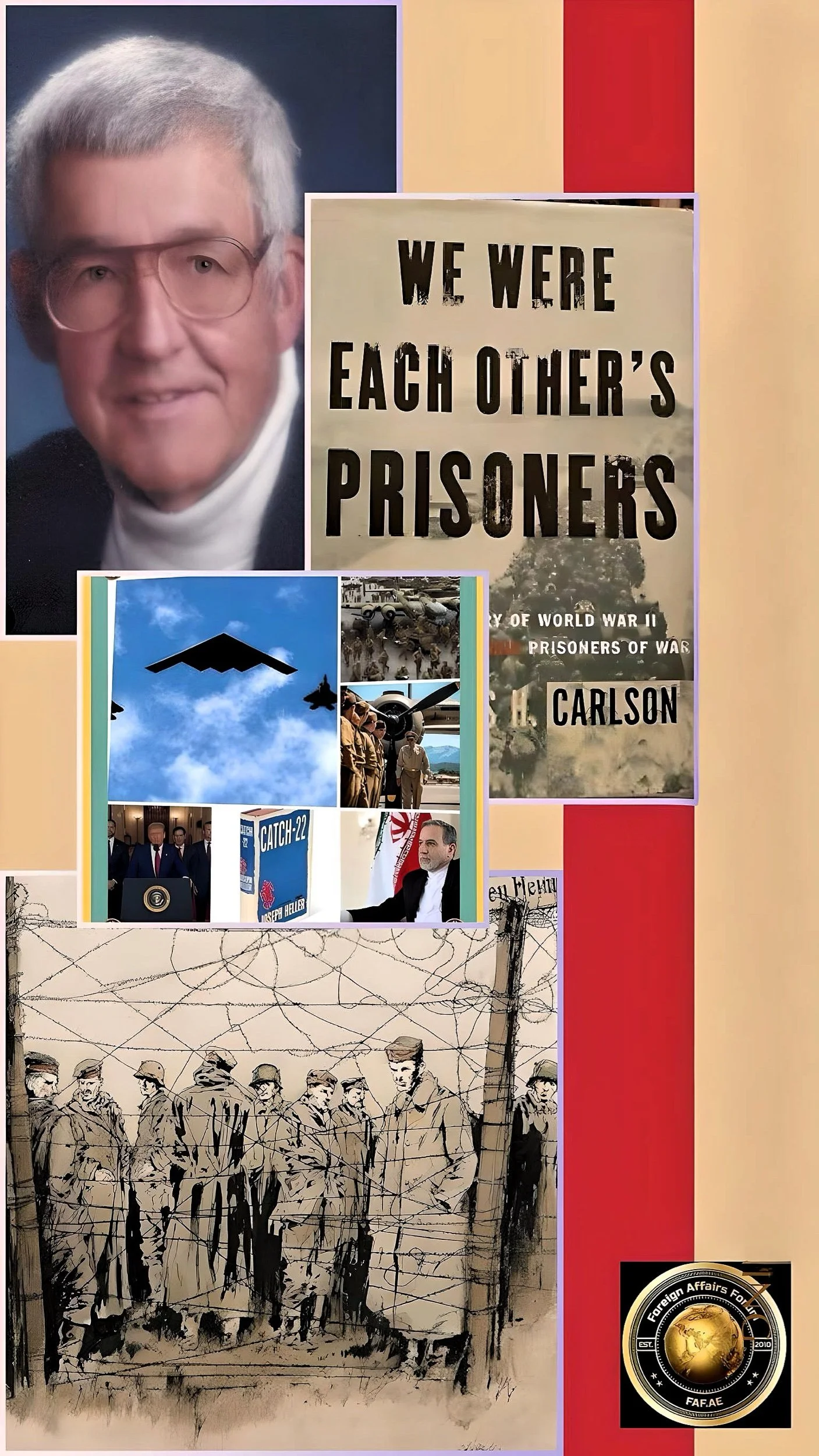
The B-2 Spirit, despite its stealth capabilities and staggering $2.1 billion unit price, embodies the risks of over-reliance on technology.
Factors beyond its design specifications mitigate its ability to bypass advanced air defense systems and deliver substantial ordnance.
Strategic bombing campaigns, particularly in World War II, underscored the shortfalls of technological solutions when detached from overarching strategic frameworks.
For instance, despite intensive bombing that devastated German cities and industrial output, strategic bombardment failed to secure a conclusive victory; the U.S. Strategic Bombing Survey highlighted that German production surged amid heavy bombing, illustrating the resilience of human systems against technological onslaughts.
Complexity of Modern Battlefield Dynamics
Today's warfare occurs across diverse domains—land, sea, air, space, and cyberspace—introducing complexity that technological superiority alone cannot manage.
The ongoing Russian invasion of Ukraine showcases how state-of-the-art military technologies can be countered through agile tactics, decentralized operations, and asymmetric strategies.
Despite initial advantages in technological capability, Russian forces have faced significant challenges from Ukrainian tactics that leverage innovative strategies, international coalition support, and grassroots mobilization.
Modern conflict reflects an exponential increase in battlefield complexity rather than a linear progression of technological enhancements.
The proliferation of sensors, weapons systems, and communication networks fosters interconnected systems susceptible to disruption and manipulation.
As articulated in one analysis, the escalating number of variables on the battlefield, alongside the enhanced range of sensors and weaponry, illustrates a nonlinear escalation in warfare’s complexity.
Historical Perspectives: Lessons from Prisoner of War Experiences
Human Resilience in Warfare
Lewis H. Carlson’s “We Were Each Other’s Prisoners: An Oral History of World War II” provides significant insights into the human elements of conflict that technological frameworks tend to overlook.
The experiences of American and German POWs underscore that psychological resilience, social connectivity, and human adaptability often govern survival and resistance more than technological superiority.
The oral histories collected by Carlson reveal that responses to extreme adversities are often unpredictable and unconstrained by technological means.
American POWs, despite enduring harsh conditions and brutality in German camps, frequently relied on psychological fortitude, mutual solidarity, and inventive adaptation to survive.
These narratives affirm that human variables—morale, leadership, social unity, and cultural values—frequently emerge as more determinative than technological assets in influencing outcomes.
Psychological Warfare and Social Dimensions
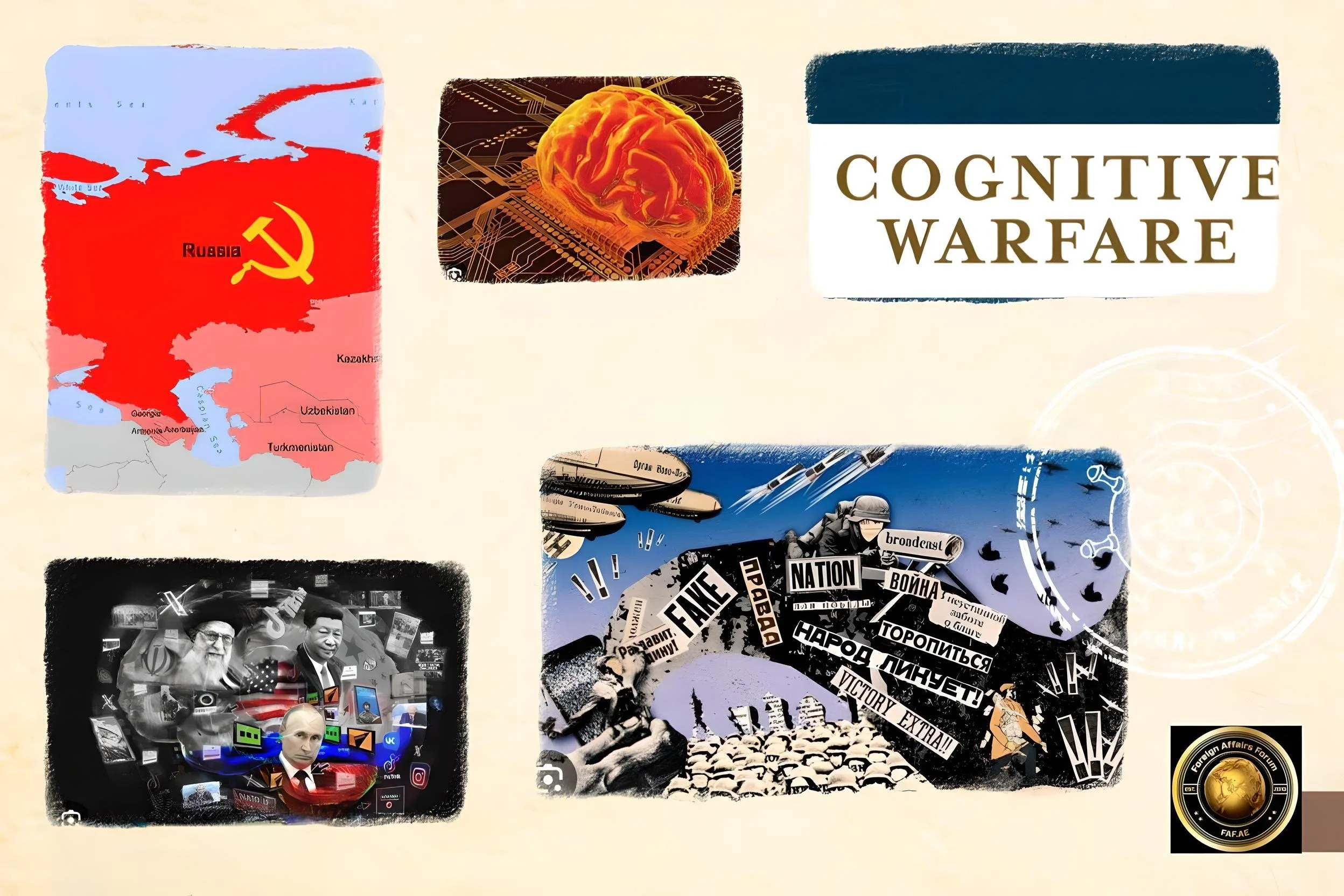
Modern conflicts increasingly hinge on psychological operations that shape perceptions, impact decision-making, and fortify social cohesion.
Contemporary psychological warfare envelops propaganda, information manipulation, and targeted influence campaigns that capitalize on human cognitive biases and social dynamics.
These operations acknowledge the human psyche as the paramount target and the most significant vulnerability in 21st-century warfare.
The effectiveness of psychological strategies elucidates that resolving conflicts heavily relies on human factors that defy resolution through technological solutions alone.
As noted in relevant analyses, psychological warfare aims to “focus on suffering rather than death,” exploiting core human vulnerabilities such as fear, isolation, and uncertainty.
These approaches highlight that the ability to manipulate human behavior and perception often proves more strategically advantageous than the mere destruction of physical assets.
The German Nationalism Parallel: Analyzing Historical Context and Contemporary Implications
Post-WWI Humiliation and the Nationalist Response
The historical analogy between post-World War I German nationalism and contemporary Israeli nationalism, particularly regarding the Gaza conflict, elucidates how national humiliation and collective trauma influence conflict dynamics.
The repercussions of the Treaty of Versailles engendered significant national humiliation, catalyzing the rise of extremist ideologies and militaristic responses within Germany.
Imposing economic reparations and territorial concessions fostered a cycle of revanchism and resentment, which mere advancements in military technology could not mitigate.
Hyperinflation, enforced territorial occupation, and international isolation produced psychological and sociopolitical conditions that rendered peaceful resolutions increasingly elusive.
Germany’s response to these stimuli exemplifies how national humiliation can engender political trajectories that defy rational strategic calculations.
Modern Israeli-Palestinian Dynamics
The ongoing Israeli-Palestinian conflict—especially the Gaza-Israel dimension—mirrors similar patterns of national trauma, territorial claims, and contesting narratives of victimization.
Over the past three decades, the conflict has escalated despite Israel’s considerable technological and military preeminence, highlighting the inadequacies of power-centric conflict resolution methodologies.
The 2023 Gaza war represents a record casualty event in Israeli-Palestinian relations, with fatalities surpassing all previous confrontations combined.
Notwithstanding Israel’s sophisticated military capabilities, including precision-guided munitions and advanced intelligence systems, the conflict continues its trajectory of escalation.
This trend emphasizes that technological superiority alone cannot resolve the deep-seated psychological, sociopolitical, and political dynamics perpetuating the conflict.
Since the 2007 blockade, Gaza has been likened to an “open-air prison,” engendering desperation and resistance, contexts in which military technology proves less effective.
Palestinian factions, including Hamas, have adapted asymmetric tactics that leverage the limitations inherent in technologically driven military approaches.
These tactics employ tunnel networks, improvised weaponry, and strategies designed to achieve political and psychological impact rather than sheer military effectiveness.
Economic Dimensions of Contemporary Warfare
Economic Warfare and Strategic Competition
Modern conflicts increasingly incorporate economic variables beyond traditional military engagement paradigms.
Economic warfare manifests through sanctions, trade restrictions, manipulation of financial systems, and strikes on critical infrastructure aimed at degrading an adversary's economic viability.
The ongoing conflict in Ukraine illustrates how economic attrition can be equally influential as military operations in shaping strategic outcomes.
Russia’s shift to a wartime economy underscores that prolonged conflicts necessitate comprehensive economic resource mobilization that transcends straightforward military capabilities.
The fusion of civilian industrial output with military needs elucidates the interconnectedness inherent in modern warfare, emphasizing that economic considerations often eclipse strictly military factors.
Economic strength influences warfare dynamics through resource accessibility, industrial production capacity, technological advancement, and social stability.
Historical analysis reveals that nations with robust economic foundations are better equipped to sustain prolonged conflicts, innovate technologically, and maintain social cohesion under duress.
Resource Competition and Strategic Vulnerabilities
Contemporary conflicts increasingly center on controlling critical resources such as energy, rare earth minerals, and agricultural commodities.
Modern technological systems' vulnerability to supply chain disruptions engenders new avenues for strategic leverage that circumvent conventional military capabilities.
Cyberattacks targeting infrastructure, disruptions of logistical routes, and manipulation of commodity markets can yield strategic advantages without necessitating direct military confrontation.
The intricate web of global economic interconnections gives rise to cascading vulnerabilities—areas where technologically advanced military forces might falter if their economic underpinnings are undermined through non-military methods.
Beyond Technological Paradigms: Integrated Strategic Approaches
Diplomatic and Intelligence Integration
The complexity of modern conflict demands the integration of diplomatic, intelligence, and military capabilities into coordinated strategies that simultaneously address various dimensions of engagement.
Traditional military frameworks, which often lean heavily on technological advancements, overlook the intricate political and social dynamics underpinning contemporary conflicts.
Grassroots diplomacy has emerged as a vital mechanism for conflict resolution, harnessing the strengths of civil society organizations, cultural exchanges, and person-to-person engagement.
These methods acknowledge that achieving sustainable peace necessitates social and political transformations, which cannot be attained by military coercion alone.
The People-to-People Peace Movement between Japan and China exemplifies how grassroots initiatives can facilitate conflict resolution in ways that formal diplomatic and military interventions struggle to replicate.
Public diplomacy and strategic communication have become indispensable tools for shaping international perceptions and forging coalitions that align with strategic imperatives.
South Korea’s leveraging of cultural exports, educational exchanges, and media programming illustrates how “soft power” approaches can yield strategic influence that complements and occasionally surpasses traditional military capabilities.
Human Factors and Cultural Intelligence
Modern military strategy increasingly prioritizes human factors, such as cultural intelligence, linguistic capabilities, and nuanced understanding of local sociocultural dynamics.
Historical failures of technologically superior forces in Afghanistan and Vietnam highlight that military effectiveness is heavily contingent upon human insight and relationships, elements beyond the purview of technological systems.
Special Operations Forces have pioneered methodologies that balance advanced technological capabilities with competencies in cultural adaptation, relationship building, and local partnership cultivation.
These strategies emphasize that operational success often stems from a deep comprehension of human behavior and social structures rather than sheer technological advantage.
Moreover, despite the advancements in artificial intelligence and autonomous systems, their efficacy in complex operational environments relies on human judgment and ethical decision-making. The "fog of war" introduces uncertainty and ambiguity that necessitate human sense-making—an aspect that automation cannot replicate.
As noted in relevant analyses, "the conditions that enable AI to function effectively in commerce are ironically the same conditions that are most elusive within military contexts due to their inherent unpredictability."
Non-State Proxies and Asymmetric Strategies
Contemporary conflicts are increasingly populated by non-state actors, including terrorist organizations, militias, criminal enterprises, and proxy forces, which operate outside conventional military frameworks.
These entities often utilize asymmetric strategies tailored to exploit the vulnerabilities inherent in technologically advanced military forces.
Non-state proxies leverage flexibility, local knowledge, and adaptive capabilities to counterbalance technological superiority through innovative tactics.
Their capacity to navigate civilian populations, capitalize on social networks, and rapidly adjust to shifting circumstances presents challenges that technology alone cannot effectively mitigate.
The diffusion of advanced technologies among non-state actors introduces new threat vectors, necessitating comprehensive responses integrating intelligence, law enforcement, diplomatic, and societal measures.
State responses that hinge primarily on military technology often falter when confronted with decentralized networks capable of rapid adaptation and reconstruction.
Comprehensive Strategic Framework
Multidomain Integration
Successful contemporary strategy necessitates a holistic integration across multiple domains, including diplomatic, informational, military, and economic (DIME) facets.
This integration must function effectively at strategic, operational, and tactical levels to navigate the complexities of modern conflict environments.
The concept of Multidomain Operations apprises us that modern warfare cannot be adequately executed within the limitations of traditional military paradigms fixated solely on technological supremacy.
Achieving success mandates a synchronized approach across domains, ensuring that capabilities are interconnected to simultaneously address human, technological, and systemic dimensions.
Military strategy must be “a theory of the successful use of military capabilities to attain political goals.”
This perspective emphasizes that military technology and capabilities serve as instruments to achieve political objectives rather than being ends in their own right.
In the absence of a coherent strategy linking tactical maneuvers to political ends, even the most sophisticated military capabilities may fail to yield impactful results
Adaptive and Resilient Approaches in Modern Warfare
Contemporary strategic paradigms highlight the primacy of adaptability and resilience over mere technological dominance.
The accelerating pace of technological advancement and the intricacies of modern threat landscapes necessitate strategies that are flexible and responsive to evolving contexts.
Resilience principles, particularly those articulated by elite military units, underscore the critical roles of psychological preparedness, adaptive leadership, and organizational agility in thriving under extreme conditions.
These principles assert that while technological assets are essential, they cannot ensure operational success without the human capacity to leverage them effectively in high-pressure scenarios.
Strategic frameworks must integrate the “four dimensions of time”: duration, frequency, timing, and opportunity.
This temporal approach acknowledges that military operations exceed simplistic technological rivalries, requiring prolonged political and societal engagement.
Implications for Future Conflict
Moving Beyond Reductive Power Paradigms
Evidence robustly demonstrates that reductive paradigms predicated on technological superiority fail to capture the complexities inherent in modern warfare.
Effective outcomes necessitate a nuanced comprehension of human behaviors, cultural contexts, economic interdependencies, and political dynamics that transcend the confines of military technology.
Emerging conflicts are expected to adopt hybrid methodologies, fusing conventional military assets with cyber capabilities, information warfare, economic coercion, and social influence strategies.
These multifaceted engagements demand holistic responses that merge technological prowess with human-centric approaches.
The trajectory of warfare indicates an escalation in complexity and multidomain operations, suggesting that purely technological solutions will increasingly prove inadequate.
Military institutions that hinge solely on technological advantages may struggle to adapt to the dynamic nature of contemporary conflicts.
Strategic Recommendations
Current military strategy should emphasize integrative frameworks that align diplomatic, intelligence, economic, and grassroots initiatives with military operations.
This integration necessitates organizational reforms that enhance inter-domain coordination and collaboration.
Technological advances must accompany investments in human capital, such as cultural intelligence, language proficiency, and relationship-building.
Military organizations should acknowledge that human elements frequently overshadow technological capabilities in complex conflict environments when determining outcomes.
Long-term strategic planning must encompass conflict's social, economic, and political dimensions, which cannot be adequately addressed through military means alone. Sustainable solutions necessitate tackling fundamental issues like economic disparity, political exclusion, and social fragmentation.
Conclusion
The intricacy of modern warfare calls for a paradigm shift away from reductive power theories that elevate technological supremacy to a comprehensive approach encompassing diverse conflict dimensions.
Historical cases, including those related to prisoner of war experiences, the rise of German nationalism post-WWI, and current Israeli-Palestinian dynamics, alongside the economic facets of ongoing conflicts, indicate that human factors, social issues, and political processes often play a more decisive role than technological capabilities.
The future of military strategy lies not in dismissing technological innovation but in crafting sophisticated frameworks that harmonize technological assets with diplomatic efforts, intelligence operations, economic plans, and grassroots initiatives.
Success in contemporary conflicts requires recognizing that warfare is inherently a human enterprise, far beyond mere technological competition.
Military leaders and policymakers must commit to addressing the underlying human, social, and political drivers of conflict.
This necessitates focusing on human capabilities, cultural intelligence, and comprehensive strategic thinking that transcends traditional military constructs.
Only through these integrative approaches can modern militaries adeptly navigate the complexities of contemporary warfare and realize strategic objectives in an increasingly interconnected and intricate global landscape.