The Multifaceted Nature of Modern Warfare: Beyond Technological Supremacy
Preface
In today’s rapidly evolving geopolitical landscape, the traditional paradigms of warfare that once dominated strategic thinking are proving increasingly inadequate.
The prevailing belief that military superiority can be achieved solely through advanced aerial technology represents a fundamental misunderstanding of contemporary conflict dynamics.
Modern warfare has evolved into a complex, multidimensional phenomenon that transcends the simplistic reliance on technological supremacy alone.
The Complexity Revolution in Warfare
The character of warfare has undergone a profound transformation from the relatively straightforward conventional conflicts of the 20th century.
Today’s conflicts are characterized by exponential increases in complexity rather than linear progression.
The Ukrainian conflict exemplifies this transformation.
New threats from crewless aircraft, loitering munitions, multispectral sensors, satellite imagery, and cyber operations have made traditional warfighting functions far more intricate than on previous battlefields.
Modern warfare is undergoing what experts call a “complex convergence of tactical, operational, and strategic layers,” integrating old and new domains including land, air, sea, cyber, and space.
This complexity stems from the increasing number of variables on the battlefield, the expanding range of sensors and weapons systems, and the accelerating speed of decision-making.
Over time, the exponential growth in weapons systems' range and destructive capacity has fundamentally altered the nature of military engagement.
The Limitations of Technological Supremacy
While advanced military technologies like the B-2 Spirit bomber demonstrate remarkable capabilities—with its stealth characteristics, global strike range of over 6,000 nautical miles, and precision delivery systems—they represent only one dimension of modern military power.
The B-2’s combat effectiveness, demonstrated in operations like Allied Force, which destroyed 33% of Serbian targets while flying less than 1% of total sorties, illustrates the potential and limitations of high-tech warfare.
However, the paradigm that technological superiority alone guarantees victory has proven problematic.
Several factors constrain the effectiveness of advanced systems
Environmental Vulnerabilities
Drones and advanced aircraft systems remain vulnerable to weather conditions, electronic warfare, and countermeasures.
Military surveillance drones face challenges including weather sensitivity, hacking vulnerabilities, and limited flight autonomy.
Economic Constraints
The B-2 bomber program, which cost $2.1 billion per aircraft and produced only 21 units, demonstrates the economic limitations of relying solely on high-end technological solutions.
Such costs make mass deployment prohibitive and create capability gaps.
Asymmetric Responses
Adversaries have developed effective countermeasures to technological advantages. Both sides have demonstrated how inexpensive commercial drones can disrupt sophisticated military operations in Ukraine.
The Human Dimensions of Warfare
The lessons from historical conflicts, particularly those documented in works like Lewis H. Carlson’s “We Were Each Other’s Prisoners”
An Oral History of World War II” reveals the enduring importance of human factors in warfare.
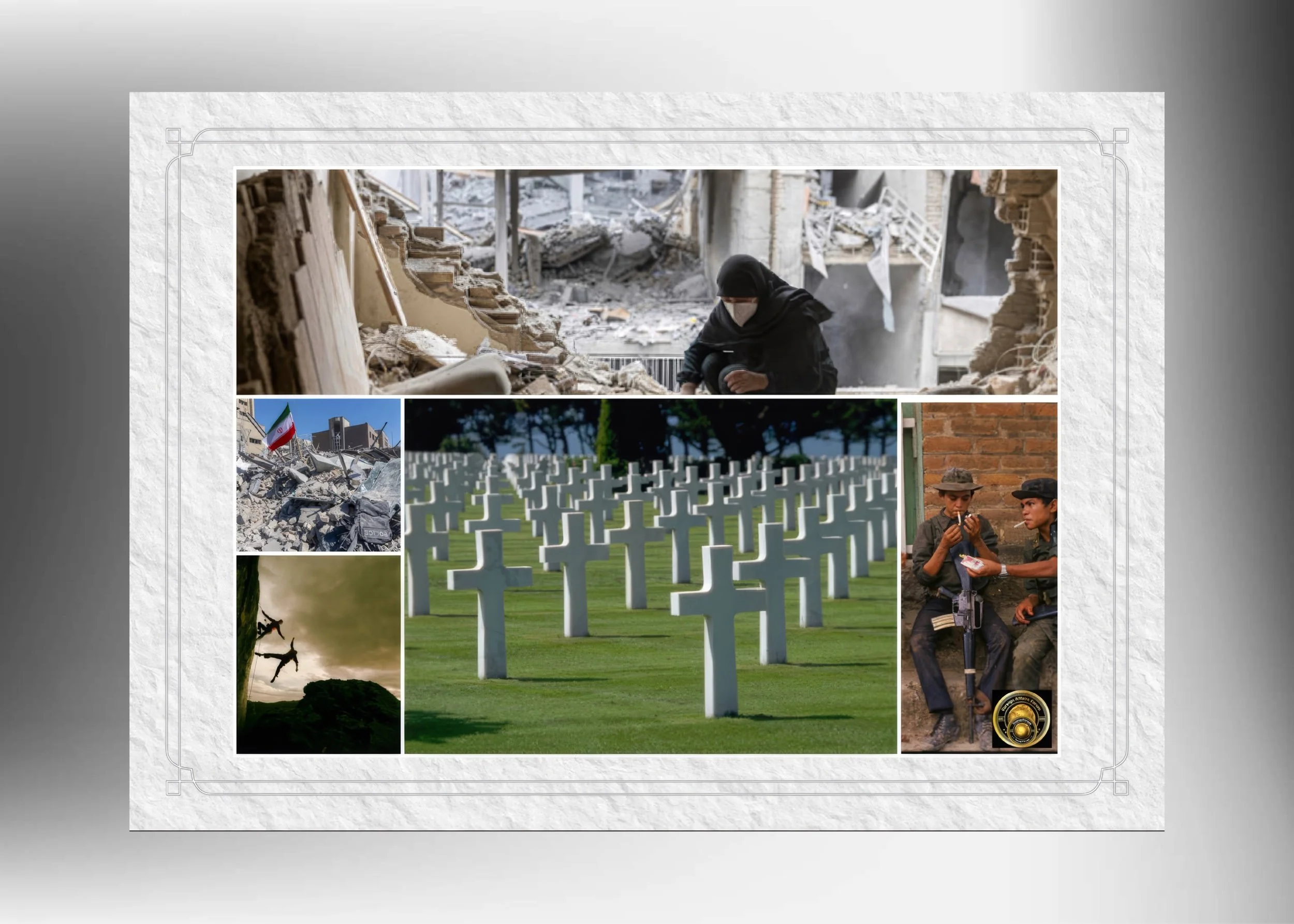
Carlson’s extensive interviews with over 150 American and German prisoners of war illuminate the psychological, social, and human costs that often determine the ultimate outcomes of conflicts.
The POW experiences demonstrate that warfare’s impact extends far beyond immediate tactical outcomes.
Former prisoners of war showed significantly higher rates of post-traumatic stress reactions, psychiatric symptoms, and functional impairments decades after their release.
These psychological dimensions of conflict—including the capacity for endurance, adaptation, and recovery—often prove more decisive than technological advantages alone.
Research on war captivity reveals that “the basic feature of captivity is traumatization directed towards the person, within which the captive is attempted to be humiliated, injured, and broken”.
This understanding emphasizes that warfare fundamentally involves human beings who must cope with extreme psychological and physical stressors, regardless of the technological sophistication of their equipment.
The Rise of Non-State Proxies and Asymmetric Warfare
Contemporary conflicts are increasingly characterized by the participation of non-state actors who operate outside traditional military frameworks.
These proxies, including groups like Hezbollah, Hamas, and transnational militias, have demonstrated their ability to challenge state-centric models of warfare through asymmetric tactics and strategies.
Non-state proxies benefit from several advantages in modern conflicts:
Operational Flexibility
Unlike governments, they are not accountable to civilian populations, national economies, or formal legal systems, allowing for more unrestricted strategic decisions.
Resilience to Conventional Deterrence
These proxies often operate outside the global financial system, making them resistant to economic pressure and lacking a formal diplomatic presence that can be leveraged for negotiations.
Technological Adaptation
Asymmetric warfare involves weaker actors using innovative techniques and technologies to avoid the strengths and exploit the vulnerabilities of technologically superior adversaries.
The Multidomain Nature of Modern Operations
Effective contemporary military operations require integration across multiple domains—land, sea, air, space, and cyber—rather than dominance in any single domain.
Multidomain operations (MDO) emphasize the interconnectedness of these domains and recognize that adversaries can operate across multiple environments simultaneously.
The Ukrainian conflict has demonstrated that connectivity has become an indispensable military resource. Forces without connectivity suffer enormous costs in personnel, equipment, and morale.
This connectivity enables small teams with satellite links to see and strike targets that were once the preserve of higher echelons, fundamentally altering the distribution of military capability.
Information and Psychological Warfare
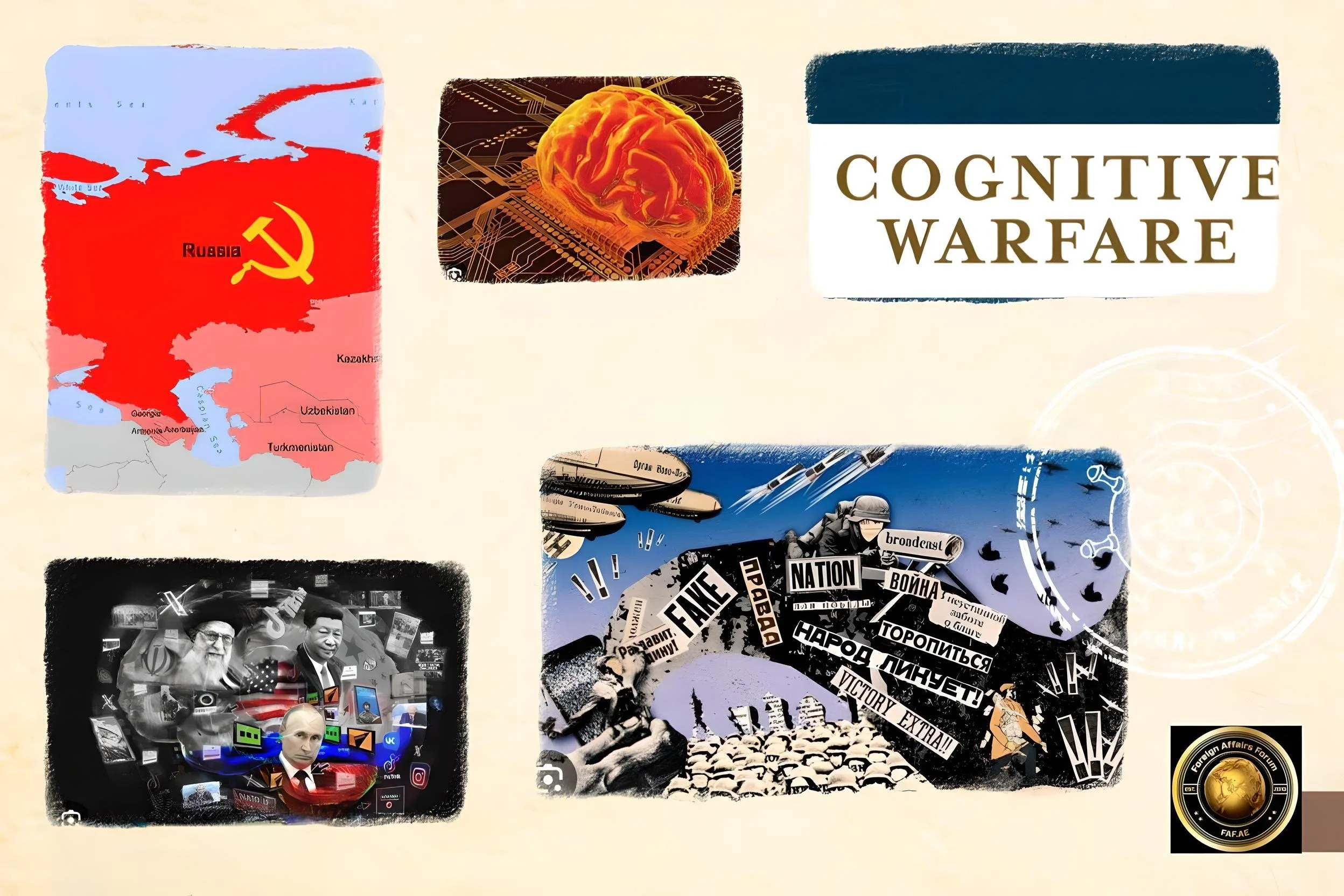
Modern conflicts increasingly involve battles for information dominance and psychological influence. Information warfare encompasses propaganda, misinformation, cyber operations, and psychological operations designed to shape perceptions and behaviors.
Social media platforms have become critical battlegrounds where actors conduct information warfare with unprecedented speed and scope.
The effectiveness of information operations often depends on understanding cultural, social, and psychological factors rather than purely technological capabilities.
One analysis notes that “the primary goal is to make adversary population an unwitting accomplice” in information warfare campaigns.
Economic and Social Dimensions
Economic warfare through sanctions and financial restrictions has become a primary tool of state policy.
However, the effectiveness of economic sanctions is heavily disputed, with success rates between 5% and 35% in achieving their intended goals.
The limitations of economic warfare demonstrate that military conflicts cannot be resolved solely through financial pressure.
Similarly, social warfare involves targeting the social fabric and cohesion of societies through various means, including refugee flows, cultural manipulation, and social media campaigns.
These dimensions of conflict require a comprehensive understanding of societal dynamics rather than purely military considerations.
Towards a Comprehensive Approach
The evidence from contemporary conflicts suggests that effective military strategy requires integration of multiple elements:
Diplomatic Engagement
Military diplomacy has evolved from specialized military-technical cooperation into a sophisticated instrument of international relations encompassing strategic communication, conflict prevention, and trust-building.
Intelligence Integration
Modern warfare requires sophisticated intelligence capabilities to process information from multiple sources and domains, enabling rapid decision-making and precision targeting.
Ground-Level Understanding
Successful military operations require a deep understanding of local conditions, cultural factors, and human dynamics, which technological sensors alone cannot replace.
Adaptive Innovation
Rapid technological change requires military organizations to maintain flexibility and adaptability rather than relying on fixed technological solutions.
Lessons from Current Conflicts
The ongoing conflicts in Ukraine, the Middle East, and other regions provide valuable insights into the limitations of technological approaches to warfare.
Ukraine’s emphasis on technological innovation, including AI-enabled systems and drone warfare, demonstrates the potential and constraints of high-tech solutions.
Despite significant technological investments, the conflict remains fundamentally shaped by human factors, including morale, leadership, and societal resilience.
The collapse of the Assad regime in Syria, despite significant military technology and international support, illustrates how political, social, and economic factors can overwhelm military capabilities.
The rapid collapse surprised observers and demonstrated that technological Advantages could not compensate for underlying political weaknesses.
Conclusion
The belief that military superiority hinges solely on advanced aerial technology, such as B-2 bombers, represents a critical misunderstanding of the complexities of modern warfare.
Contemporary conflicts necessitate a holistic strategy that merges technological prowess with diplomatic engagement, strategic intelligence, psychological assessments, and ground-level cultural insights.
Historical perspectives, particularly those gleaned from Carlson’s oral history of World War II prisoners, underline the significance of human factors in shaping the outcomes of conflicts.
The psychological, social, and economic dimensions of warfare often outweigh mere technological advantages.
As we face an increasingly intricate geopolitical landscape, military leaders and policymakers must reject simplistic views of technological dominance.
Instead, they should embrace nuanced strategies that recognize the interconnectedness of military capability with the underlying human, social, and political factors at play.
Future warfare will not be dictated by the sophistication of individual weapons systems, but rather by the capacity to synthesize capabilities across multiple domains in alignment with well-defined political objectives.
This comprehensive grasp of modern warfare's multifaceted character lays the groundwork for devising more effective strategies to tackle the complex challenges posed by contemporary and future conflicts.
The way forward mandates a departure from the temptation of purely technological solutions towards an enriched understanding of warfare's human dimensions and the intricate interplay of factors that ultimately determine success or failure in modern engagements.