The Echoes of Anne Frank: World War II- Modern Conflicts and the Perpetual Cycle of Violence
Introduction
Anne Frank’s diary serves as one of the most poignant reflections on the human cost of war, particularly highlighting the devastating impacts on innocent civilians.
In the context of the contemporary geopolitical landscape, we must critically assess whether nations engaged in modern conflicts have genuinely assimilated the historical lessons from World War II or whether we are trapped in a repetitive cycle of violence that continues to prey on the most vulnerable demographics.
The Persistent Targeting of Women and Children in Modern Warfare
Current statistics reveal a troubling parallel to the plight that Anne Frank experienced.
The paradigm of warfare has evolved from conventional military engagements to a systematic assault on civilian populations, with women and children disproportionately affected by violence.
In 2023, civilian fatalities in armed conflicts surged by 72%, with women’s fatalities doubling and children’s fatalities tripling compared to the preceding year. Much of this increase is attributable to military actions in Gaza.
The similarities between Anne Frank’s experiences and those of individuals affected by today’s conflicts underscore a grim continuity
Gaza
The UN Women reports that over 28,000 women and girls have been killed since October 2023, averaging one fatality every hour.
The UN’s data indicates that 70% of verified deaths are attributed to women and children, with the youngest recorded victim being merely one day old.
Ukraine
In the wake of Russia’s invasion, over 3,799 women and 289 girls have lost their lives, and more than 1.8 million women have been displaced.
The UN Human Rights Office confirmed 669 children killed and 1,833 injured between February 2022 and December 2024.
Syria
The enduring conflict has resulted in 74% of the 6 million individuals in need of nutritional assistance being women and girls, with 2.3 million women living in displacement.
Female-headed households are twice as likely to report complete inability to meet basic needs.
Yemen
An alarming trend reveals an average of six women killed weekly due to the ongoing conflict, with a woman succumbing to preventable causes every two hours during pregnancy and childbirth.
Additionally, over 65% of girls are married before the age of 18 as a means of survival.
The Failure to Learn from World War II
The evidence indicates that aggressor nations have largely failed to internalize crucial lessons from World War II.
Historian James J. Sheehan identifies two contradictory lessons from this era: the imperative to avoid war and the necessity for democracies to resist aggression.
However, contemporary conflicts reveal a significant disregard for the imperative of avoiding war.
Key historical precedents from World War II that remain unaddressed include
Appeasement fuels further aggression
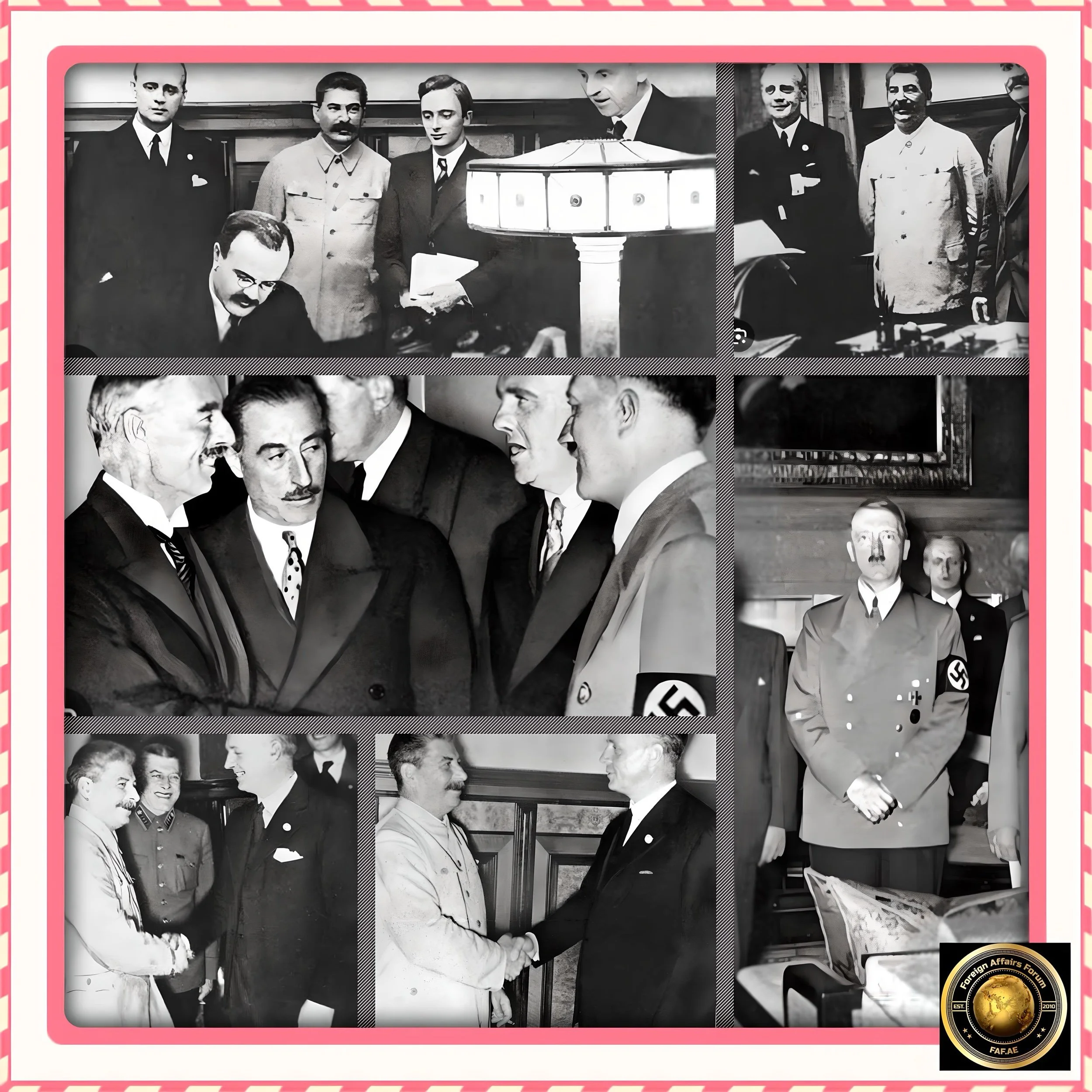
The dismemberment of Czechoslovakia in 1938 intensified Nazi Germany’s ambitions and precipitated global conflict.
Territorial concessions amplify aggression
Yielding to illegal territorial claims perpetuates further hostilities.
Lack of accountability enables cycles of violence
The absence of repercussions for war crimes emboldens aggressors to perpetrate their actions.
Modern conflicts exhibit eerily analogous patterns.
🔁For instance, Russia’s invasion of Ukraine, alongside Israel’s actions against the State of Palestine, Lebanon, Syria, and Iran, exhibits a form of territorial expansionism reminiscent of Nazi Germany.
🔁Simultaneously, the tepid responses from the international community echo the ineffective appeasement strategies of the 1930s.
The Erosion of Democratic Institutions and International Order
The systematic degradation of democratic institutions and international law further exacerbates the persistence of contemporary conflicts.
The International Institute for Democracy and Electoral Assistance reports that nearly half (85 out of 173) of the surveyed countries have encountered declines in democracy-related indicators over the past five years.
This erosion encompasses
Weakening checks and balances
Elections, parliamentary functions, and judicial systems are increasingly undermined.
Restriction of freedoms
Freedoms of expression and assembly are curtailed under the guise of security concerns.
Targeting civilian infrastructure
Systematic violations of international humanitarian law have become a tactical normative strategy in modern conflicts.
These actions represent not mere tactical military decisions but intentional strategies aimed at undermining civilian agency, directly contradicting the Geneva Conventions established post-World War II.
The Trump Nobel Prize Controversy
A Reflection of Systemic Issues in International Accountability
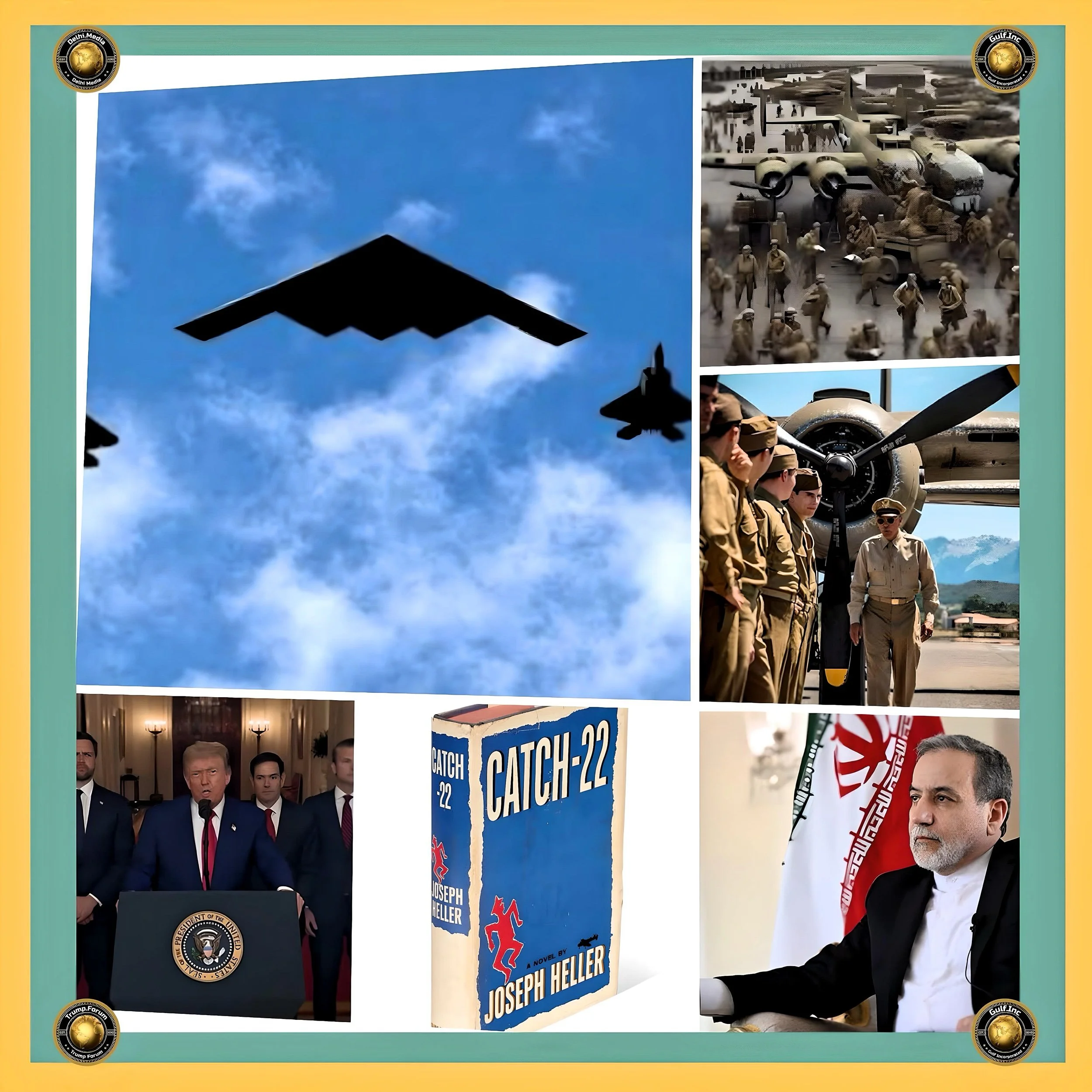
The ongoing debate regarding Donald Trump’s Nobel Peace Prize nominations in 2024-2025 is a microcosm of a more significant crisis in international accountability.
Despite multiple nominations attributed to purported peace efforts, these have faced increasing scrutiny.
For instance
Withdrawal of Nominations
Ukrainian Member of Parliament Oleksandr Merezhko retracted his nomination, expressing a profound disillusionment with Trump’s capacity to facilitate an end to hostilities.
He accused Trump of “appeasing the aggressor,” highlighting the disconnect between the nomination intentions and operational realities.
Reactions from Pakistan
Concurrently, Pakistani political figures have called for the retraction of their government's nomination following Trump’s authorization of airstrikes on Iranian nuclear installations, further complicating claims to diplomatic peacemaking.
The timing of these nominations, aligned with escalated military actions, significantly undermines Trump's narrative as a peacemaker.
This discourse underscores a more profound issue: the manipulation of peace initiatives and international accolades for political expediency rather than genuine commitment to ameliorating protracted conflicts.
Moreover, the Nobel Prize system faces systemic scrutiny, particularly regarding biases and the lack of representation.
Notably, since its inception in 1901, only 64 women have been awarded Nobel Prizes, and no Black scientist has been recognized in the sciences.
Conclusion
The Persistent Cycle of Violence and Its Implications
Contemporary evidence indicates a troubling failure to draw lessons from the catastrophic repercussions of World War II regarding unchecked aggression.
Modern conflicts continue to perpetuate cycles of violence that disproportionately affect civilians, especially women and children, while eroding the foundational principles of international law and democratic governance.
The statistic of a 90% civilian casualty rate in current conflicts, in stark contrast to the mere 5% seen during World War I, exemplifies the evolution of warfare strategies that specifically target non-combatants.
The relevance of Anne Frank’s diary extends beyond its historical value; it serves as a poignant reminder of the dire consequences stemming from the normalization of systematic violence against innocent civilians.
Frank’s narrative of fear, concealment, and victimization by state-sponsored aggression resonates with the experiences of millions of women and girls today facing similar threats in conflict zones such as Gaza, Ukraine, Iran, Syria, and Yemen.
The pressing inquiry is whether nations engaging in aggression have assimilated historical lessons; the evidence suggests they have not.
Instead, aggressors have systematically honed the targeting of civilian populations, demonstrating a deliberate strategy that mirrors early 20th-century fascist aggression patterns.
Simultaneously, the international community shows alarming parallels in its failure of will and coordination reminiscent of responses to the rise of fascism in the 1930s.
In the context of the Gaza conflict, for example, the broader Arab community expresses its concerns through mere opinion pieces devoid of actionable resolutions.
European nations mirror this inertia, with only a few, such as Ireland, Yemen, and Iran, transforming their rhetoric into genuine advocacy for peace.
A sustained climate of fear, rather than one promoting peace, has been weaponized to disrupt social cohesion and undermine democratic resilience, specifically as a show of force against potential aggression from Iran.
To break this cycle of violence that has echoed throughout generations—including the loss of lives like that of Anne Frank—the international community must establish robust mechanisms that impose substantial costs on aggressor nations and effectively safeguard civilian populations.
This requires not only recollecting the lessons of World War II but also implementing decisive measures: rejecting appeasement of aggressors, ensuring accountability for war crimes.
Crimes, strengthening protective measures for civilian populations, and bolstering democratic institutions capable of resisting authoritarian violence.
Without such proactive strategies, the warning embodied in Anne Frank’s experiences—that ordinary individuals can become victims of state-sponsored violence—will regrettably remain relevant in contemporary discourse.