Israel’s Military Campaign in Syria: Current Escalation and International Response
Introduction
Strategic Overview
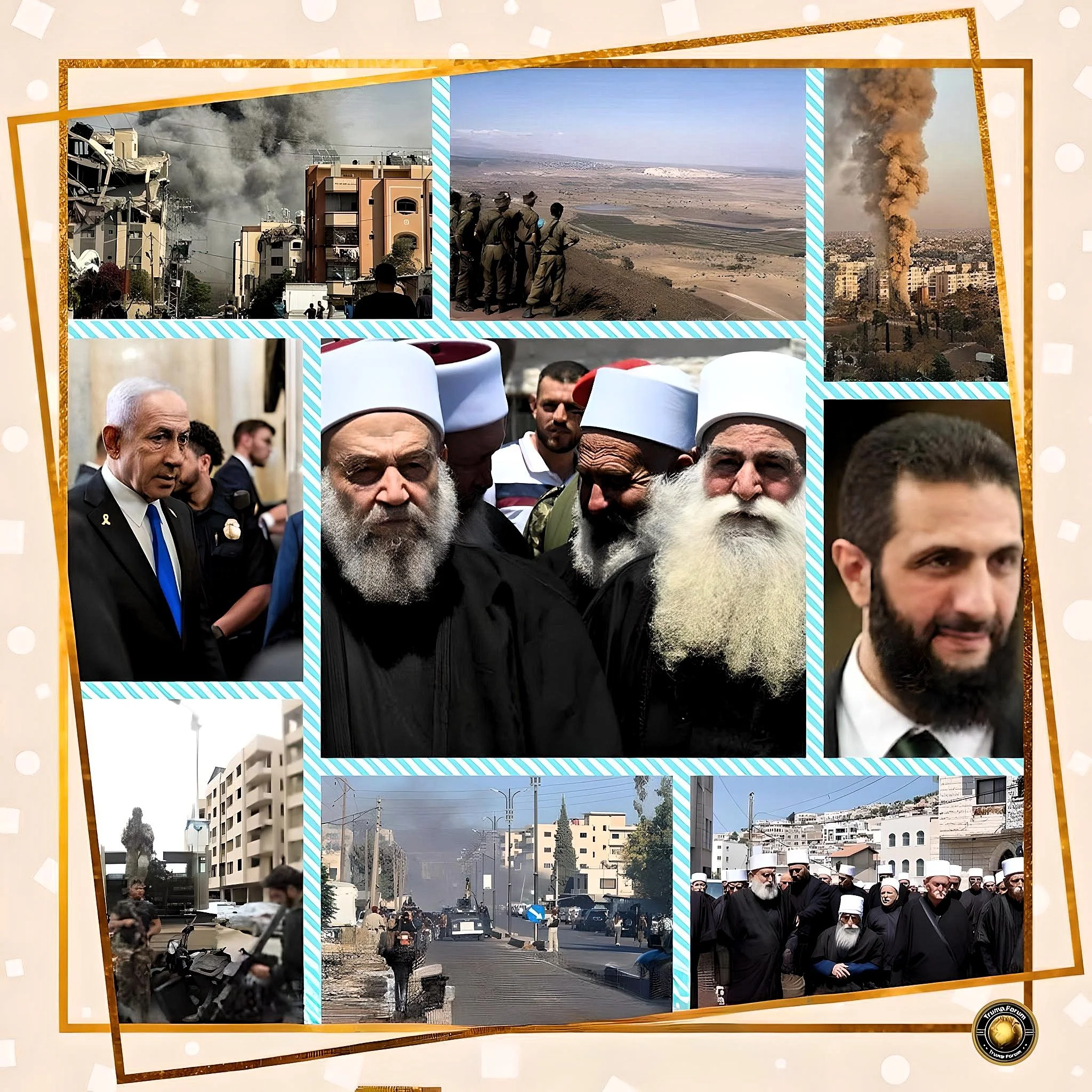
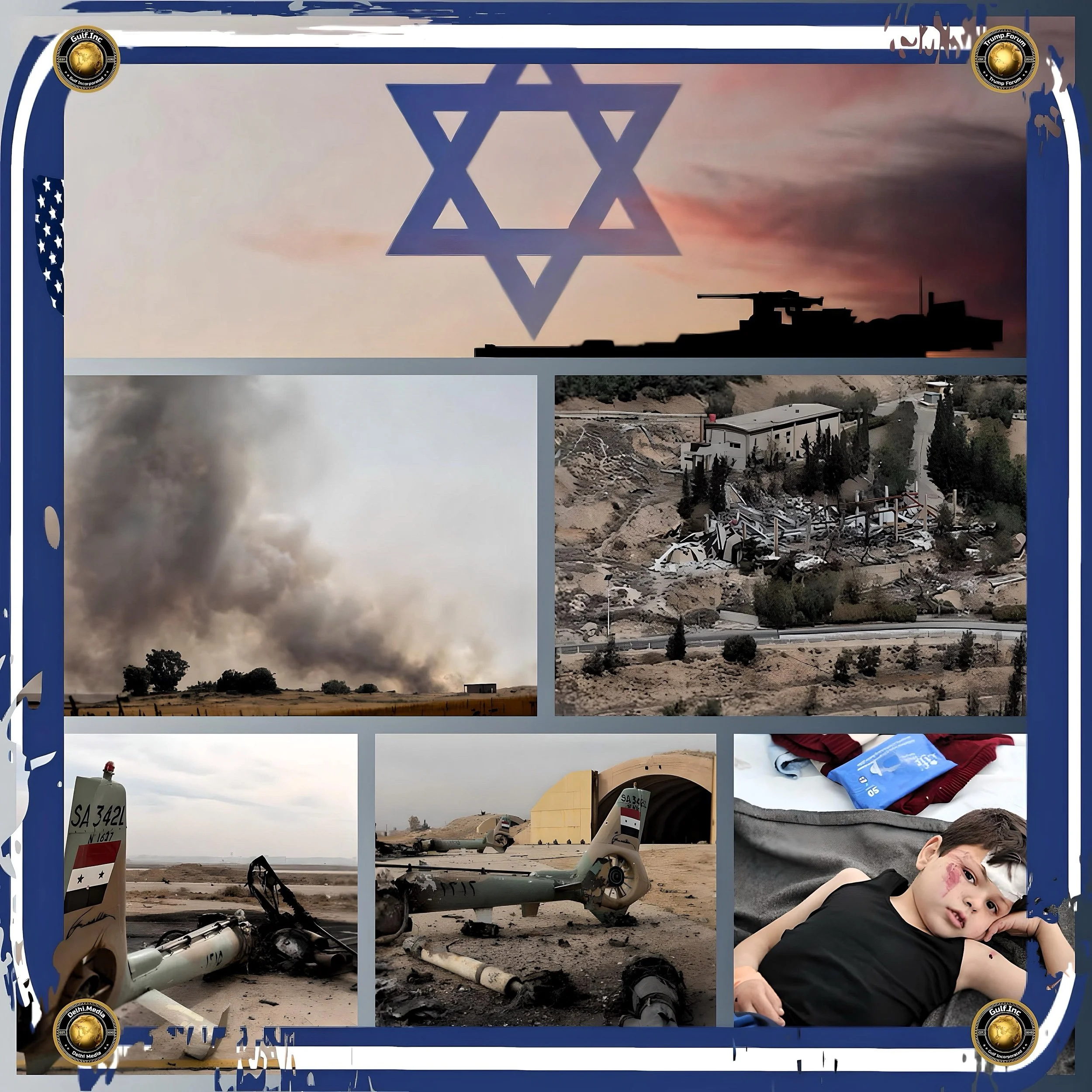
Israel has launched its most extensive military campaign in Syria since the fall of the Assad regime, conducting airstrikes on Damascus and southern Syria while demanding complete demilitarization of the region.
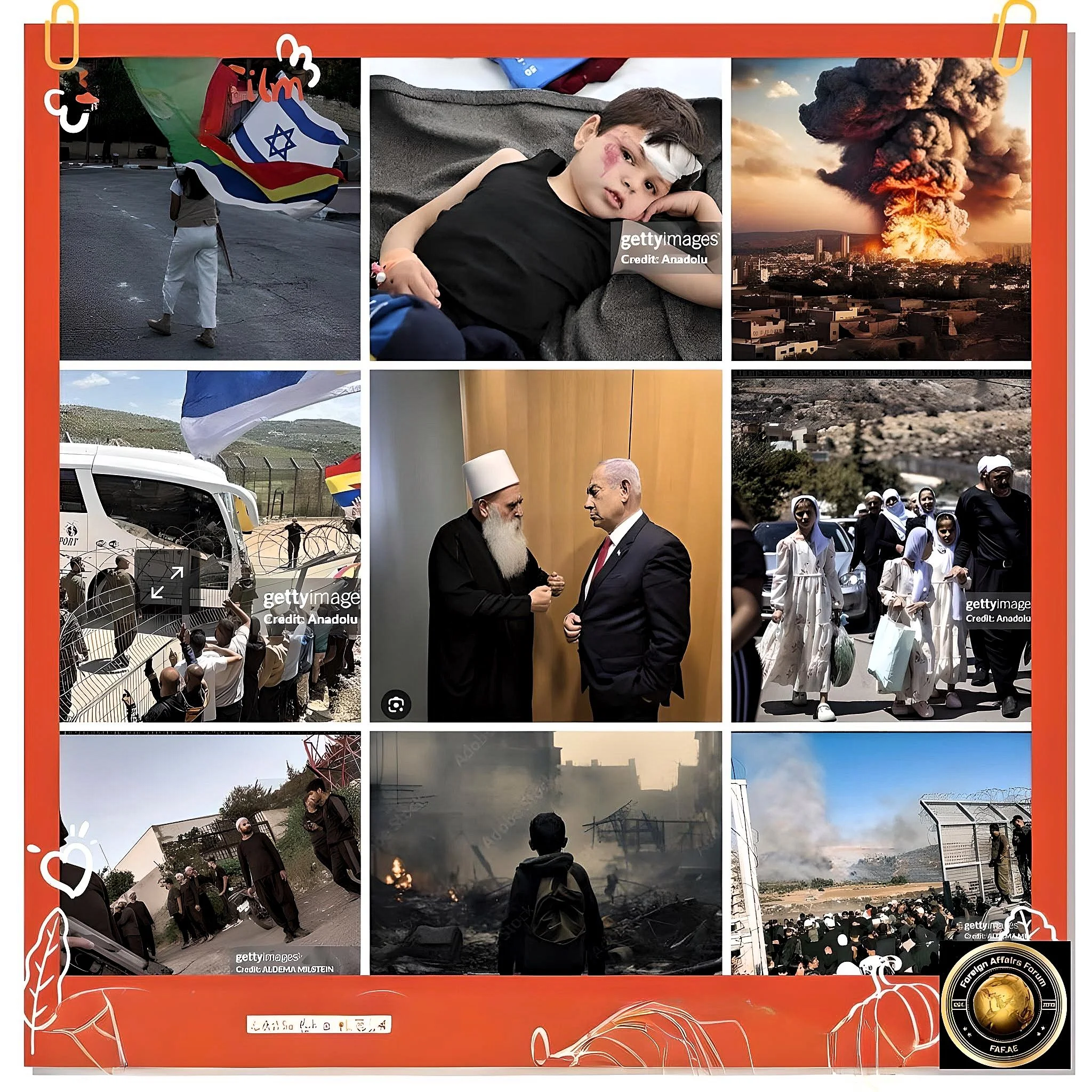
The escalation centers on ongoing sectarian violence in Sweida province between Druze militias and Bedouin tribes, which has resulted in nearly 600 casualties and prompted significant international concern.
The Sweida Crisis: Catalyst for Escalation
Initial Triggers and Violence
The current crisis began on July 11, 2025, when a Druze vegetable merchant was assaulted and robbed by Bedouin gunmen on the Damascus-Sweida highway.
This incident sparked a cycle of retaliatory kidnappings and escalated into armed clashes by July 13, involving Druze militias, Bedouin tribes, and subsequently Syrian government forces.
The violence has been devastating, with the Syrian Observatory for Human Rights reporting 594 fatalities by July 17, including 154 Druze civilians, 79 Druze fighters, 243 Syrian regime fighters, and 18 Bedouin militants.
Among the most disturbing aspects were reports of 83 summary executions, primarily targeting Druze civilians by government forces and their allies.
Syrian Government Intervention
Syrian interim President Ahmed al-Sharaa’s government deployed military forces to Sweida on July 14 to restore order, marking the first time government troops entered the predominantly Druze region since the December 2024 overthrow of Bashar al-Assad.
However, witnesses reported that government forces joined Bedouin fighters in attacking Druze civilians, leading to widespread looting, home destruction, and documented human rights abuses.
Israel’s Military Response
Escalation Timeline
Israel’s military intervention began on July 15 with targeted strikes on Syrian military convoys heading to Sweida.
The campaign dramatically escalated on July 16 when Israeli forces conducted their most significant attack on Damascus in years, striking:
The Syrian Defense Ministry headquarters in central Damascus
Areas near the presidential palace
The General Staff complex
Military installations across four provinces
Strategic Objectives
Israeli Prime Minister Benjamin Netanyahu has articulated a dual-track policy for Syria:
Demilitarization
Complete removal of Syrian military forces from the area south of Damascus, extending from the Golan Heights to the Jabal al-Druze region
Druze Protection
Preventing harm to Syria’s Druze minority, citing Israel’s commitment to its own Druze citizens
Netanyahu emphasized that this ceasefire was “achieved through force—not through requests, not through pleas, but through force”.
Military Operations
The Israeli Defense Forces (IDF) have conducted over 160 airstrikes across Syrian territory, targeting government positions, military convoys, and command centers.
The strikes resulted in at least three civilian deaths and 34 injuries in Damascus alone, with additional casualties from operations in southern Syria.
International Response and Diplomatic Efforts
United Nations Condemnation
The UN Security Council convened an emergency session on July 17, with Assistant Secretary-General Khaled Khiari condemning Israel’s actions as violations of Syria’s sovereignty that “undermine efforts to build a new Syria at peace with itself and the region”.
The UN documented severe humanitarian consequences, including:
Nearly 2,000 displaced families
Overwhelmed hospitals
Disrupted supply routes and aid deliveries
Attacks on critical infrastructure
United States Position
The Trump administration has taken a nuanced stance, with officials confirming they do not support Israel’s strikes and have urged de-escalation. Secretary of State Marco Rubio stated that the U.S. had “made clear its displeasure” with Israeli actions and was working diplomatically to resolve the crisis.
However, the U.S. helped mediate the ceasefire agreement reached on July 16, with Rubio announcing that parties had “agreed on specific steps” to end the violence.
European Union Response
The EU issued a strong statement calling on Israel to “immediately cease its strikes on Syrian territory” and condemning “any violations of Syria’s independence, sovereignty, unity and territorial integrity”. European Council President António Costa expressed being “very concerned” by the Damascus strikes.
Regional Reactions
Turkey has provided the strongest condemnation, with President Erdogan calling Israel a “lawless, unruly, unprincipled, spoiled, pampered, and greedy terrorist state”.
Erdogan accused Israel of using the Druze as a pretext for territorial expansion and warned that continued aggression threatens regional stability.
Arab States issued a joint statement through 11 foreign ministers, including those from Saudi Arabia, Jordan, UAE, and Egypt, condemning Israeli strikes as “blatant violations of international law” and reaffirming support for Syria’s territorial integrity.
Ceasefire Agreements and Ongoing Tensions
Initial Ceasefire Collapse
A ceasefire announced on July 16 quickly collapsed as prominent Druze leader Sheikh Hikmat al-Hijri rejected the agreement and called for continued resistance.
The agreement had included provisions for Syrian force withdrawal and the establishment of joint investigative committees.
Renewed Violence and Humanitarian Crisis
Despite the ceasefire, clashes resumed on July 17 between Druze and Bedouin fighters, with reports of revenge attacks by Druze militants against Bedouin civilians.
Syrian state media documented massacres in the al-Maqwas neighborhood, leading to mass displacement of Bedouin communities.
Limited Syrian Force Re-entry
By July 18, Israel granted 48-hour permission for limited Syrian security forces to re-enter Sweida to restore order, acknowledging the ongoing instability.
This represents a tactical adjustment in Israel’s demilitarization demands while maintaining overall strategic objectives.
Broader Regional Implications
Impact on Syrian Transition
The crisis has exposed the fragility of Syria’s post-Assad transition, highlighting the interim government’s challenges in consolidating control and protecting minority communities.
The violence has undermined confidence in the new administration’s ability to maintain stability and implement inclusive governance
Israel’s Regional Strategy
Analysts view Israel’s actions as part of a broader strategy to prevent Syrian stabilization under al-Sharaa’s government. The campaign serves multiple objectives:
Maintaining military dominance in the region
Preventing the emergence of a unified Syrian state
Demonstrating Israel’s willingness to intervene militarily
Strengthening domestic political support
Humanitarian Consequences
The conflict has created a significant humanitarian crisis with:
Nearly 600 casualties across all parties
Widespread displacement of both Druze and Bedouin populations
Destruction of civilian infrastructure
Disruption of medical services and aid delivery
Conclusion
Israel’s military campaign in Syria represents a significant escalation in regional tensions, driven by sectarian violence in Sweida province and broader strategic objectives regarding Syrian governance.
While Israel frames its actions as protecting the Druze minority, the international community has largely condemned the strikes as violations of Syrian sovereignty that threaten regional stability.
The crisis has exposed the challenges facing Syria’s transitional government and highlighted the complex sectarian dynamics that continue to threaten the country’s post-conflict recovery.
With ongoing violence despite multiple ceasefire attempts and strong international pressure for de-escalation, the situation remains volatile and could have lasting implications for Middle Eastern stability.
The international response has been largely critical, with the UN, EU, and regional powers calling for immediate cessation of hostilities and respect for Syrian sovereignty.
However, the effectiveness of diplomatic pressure remains uncertain as Israel maintains its strategic objectives and the underlying sectarian tensions in Syria persist.