The Future of Workplace Behavior: From Gen Z’s “Stare” to Gen Alpha and Beta’s Digital Expressions
Introduction
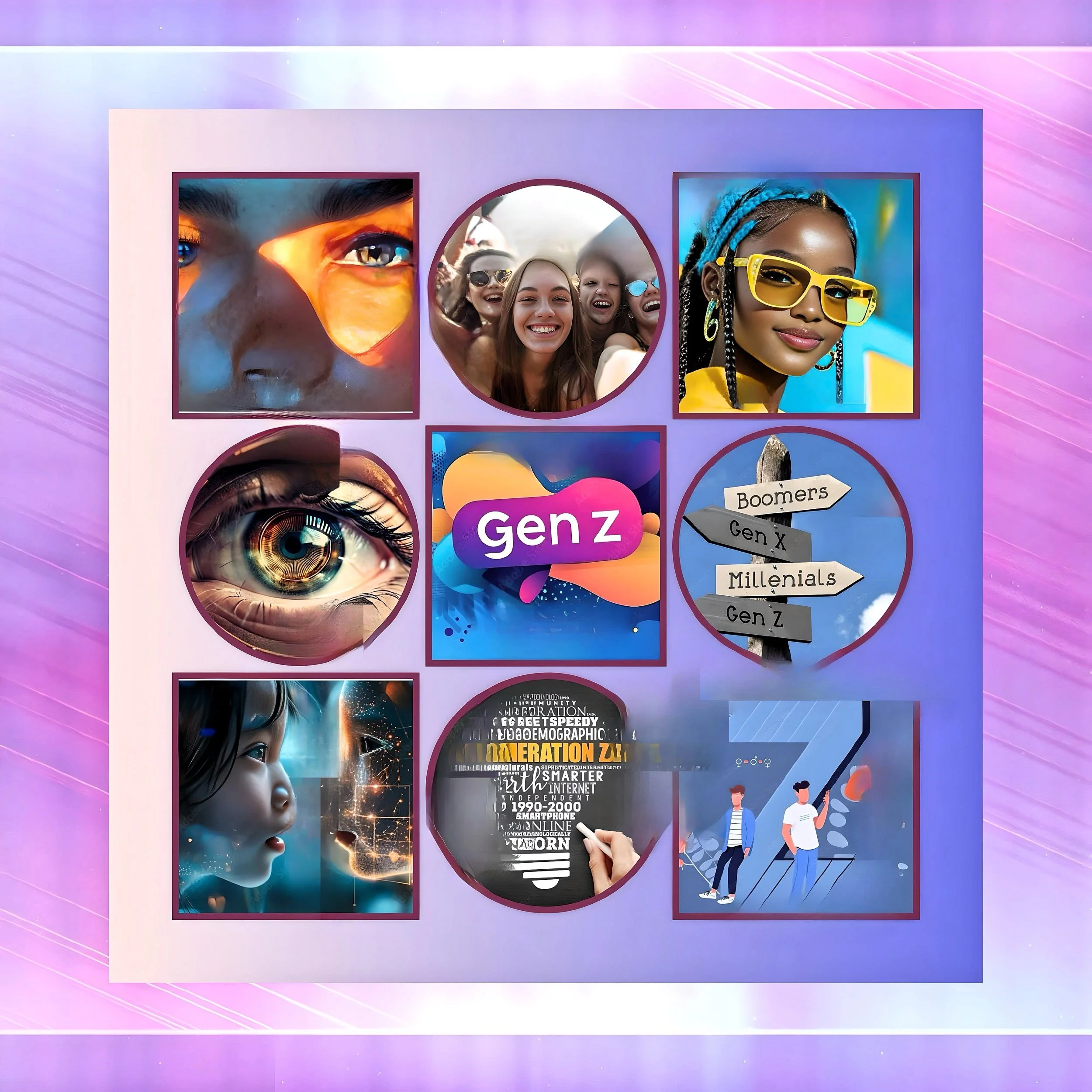
The contemporary workplace is undergoing significant generational transformations, marked notably by the “stare” phenomenon associated with Generation Z.
This behavior illustrates profound shifts in communication styles and stress processing among younger employees.
As Generation Alpha and Beta begin to enter the workforce, we can anticipate the emergence of entirely new workplace behaviors that will further redefine professional interactions.
Generation Z
Psychological Profile and Workplace Behavior
The “Gen Z Stare”: Psychological Context
The “Gen Z stare” refers to a characteristic blank expression observed in situations that typically demand social responsiveness, such as ordering in a café or interacting with superiors.
This phenomenon has gained traction on social media and sparked varied interpretations in workplace discourses, raising questions about whether it indicates deficits in social skills, complex psychological states, or is merely a misinterpretation by older generations.
Manifestations of Social Anxiety and Burnout
Experts highlight that for many in Gen Z, this stare can be symptomatic of pervasive social anxiety, digital burnout, and heightened self-awareness, stemming from an upbringing saturated with social media scrutiny.
The cultural landscape they navigate has entrenched a sense of hyperself-consciousness, complicating in-person interactions.
Natural Developmental Challenges
Psychological experts stress that the stare should not be conflated with rudeness or incompetence.
Instead, it may illustrate Gen Z's developmental challenges and lack of confidence in handling real-world job scenarios, particularly within unfamiliar or high-pressure contexts.
Digital Overload and Dopaminergic Effects
The extensive engagement with digital and social platforms is linked to cognitive overload and impaired emotional regulation, which may contribute to phenomena such as “zoning out.”
Gen Z’s substantial consumption of short-form video content is posited to impact their attention spans and intrinsic motivation.
Establishing Boundaries
Some Gen Z individuals articulate that the stare represents a conscious reaction to uncomfortable or nonsensical interactions, prioritizing authenticity over performativity in customer service engagements.
Workplace Behavior of Gen Z
This generation enters the workforce with distinct attitudes and behaviors, yielding both positive contributions and unique challenges—evident in behaviors like the “Gen Z stare.”
Key Traits and Workplace Dynamics
Preference for Real-Time Feedback
Gen Z favors immediate, transparent feedback over traditional annual reviews, seeking authentic relationships with management.
Digital-First Communication
Highly proficient in technology, they prefer informal digital communication methods (e.g., instant messaging, collaborative platforms) rather than conventional emails or phone conversations.
However, this propensity can hinder their face-to-face interaction skills.
Pursuit of Meaning and Purpose
They prioritize socially responsible roles with palpable impacts and expect alignment between personal values and corporate ethics.
Emphasis on Mental Health Support
Growing up in a high-stress, digitally intertwined environment, Gen Z places significant value on mental health resources, work-life balance, and open discussions regarding anxiety and burnout.
Independent Work Ethic and Competitiveness
While they are amenable to teamwork, many demonstrate a robust desire for individual achievement and thrive in competitive settings.
Reduced Attention Span and Job Mobility
Research indicates that Gen Z exhibits a shorter attention span relative to earlier generations, a trend linked to their digital media consumption.
Additionally, they are more inclined to frequently change jobs if their expectations are unmet.
Advocacy for Diversity and Inclusion
This cohort actively seeks work environments that champion inclusivity and holds employers to high standards of ethical conduct and transparency.
Managerial Challenges
Management often finds Gen Z challenging to oversee due to their expectations regarding communication styles, instant feedback, and their divergent workplace norms—factors sometimes inaccurately associated with the “stare.”
The “Gen Z stare” encapsulates complex intersections of social dynamics, reflecting digital fatigue, evolving social protocols, and transitional phases related to entering the workforce.
Gen Z’s professional identity is characterized by aspirations for meaningful contributions, immediate feedback, adaptability, and digital savviness, alongside challenges with attention retention, job loyalty, and adherence to traditional social conventions.
By acknowledging these intricacies, organizations can foster a more effective and empathetic framework for intergenerational collaboration.
Generation Alpha
The “Certainty Trap” Generation
Psychological Profile and Workplace Behavior
Generation Alpha, born from 2010 to 2024, is developing amidst fundamentally different conditions compared to previous cohorts.
While Generation Z navigated the transition to an interconnected digital realm, Generation Alpha is immersed in what researchers term “The Certainty Trap.”
This generation benefits from pervasive technology, including GPS, digital calendars, and smart assistants, shaping their cognitive and behavioral frameworks in unprecedented ways.
Digital Natives with Social Anxiety: A Deep Dive into Gen Alpha
Current research illuminates troubling trends in the social development of Generation Alpha, despite their adeptness with technology.
Approximately 19% of children in this cohort report having few or no friends, attributed to factors such as shyness (20%), existing social cliques (17%), and experiences of bullying (15%).
This generation is exhibiting diminished competencies in face-to-face communication, pairing that with a marked preference for digital interactions.
“The Anticipated “Alpha Freeze” Phenomenon
As we project forward, the stress response patterns of Gen Alpha in workplace environments will likely evolve into what can be termed the "Alpha Freeze." This behavior could manifest through several key characteristics:
Digital Overwhelm Response
Differing from Gen Z’s characteristic blank stare, Gen Alpha may develop a “screen-lock” behavior. This entails a complete withdrawal from engagement as they internally grapple with information overload.
Algorithmic Thinking Pause
Growing up in an era where AI curates content, Gen Alpha may demonstrate protracted processing delays when faced with unpredictable situations typical in the workplace.
Hyper-Connectivity Anxiety
Notably, this generation may exhibit heightened anxiety when disconnected from digital tools, surpassing the responses observed in previous generations.
Gen Alpha’s Workplace Challenges
Anticipated to enter the workforce between 2028 and 2030, Gen Alpha will bring with them distinct characteristics that will reshape workplace dynamics:
Mental Health Vulnerabilities
Evidence points to unique mental health issues tied to their digital dependencies. For instance, 62% of Gen Alpha show clinical anxiety symptoms when unplugged from social media, indicating a pronounced social isolation correlated with their online habits.
Social Skills Deficits
The reliance on technology for social validation has resulted in significant weaknesses in face-to-face interpersonal skills, impairing their abilities in real-world conflict resolution and problem-solving.
Technology Expectations
Gen Alpha will demand state-of-the-art technological integration in workplaces, including AI-powered applications, virtual reality training modules, and seamless digital ecosystems. There is likely to be an outright rejection of organizations that do not meet these technological benchmarks.
Moving to Gen Beta: The AI-Native Workforce
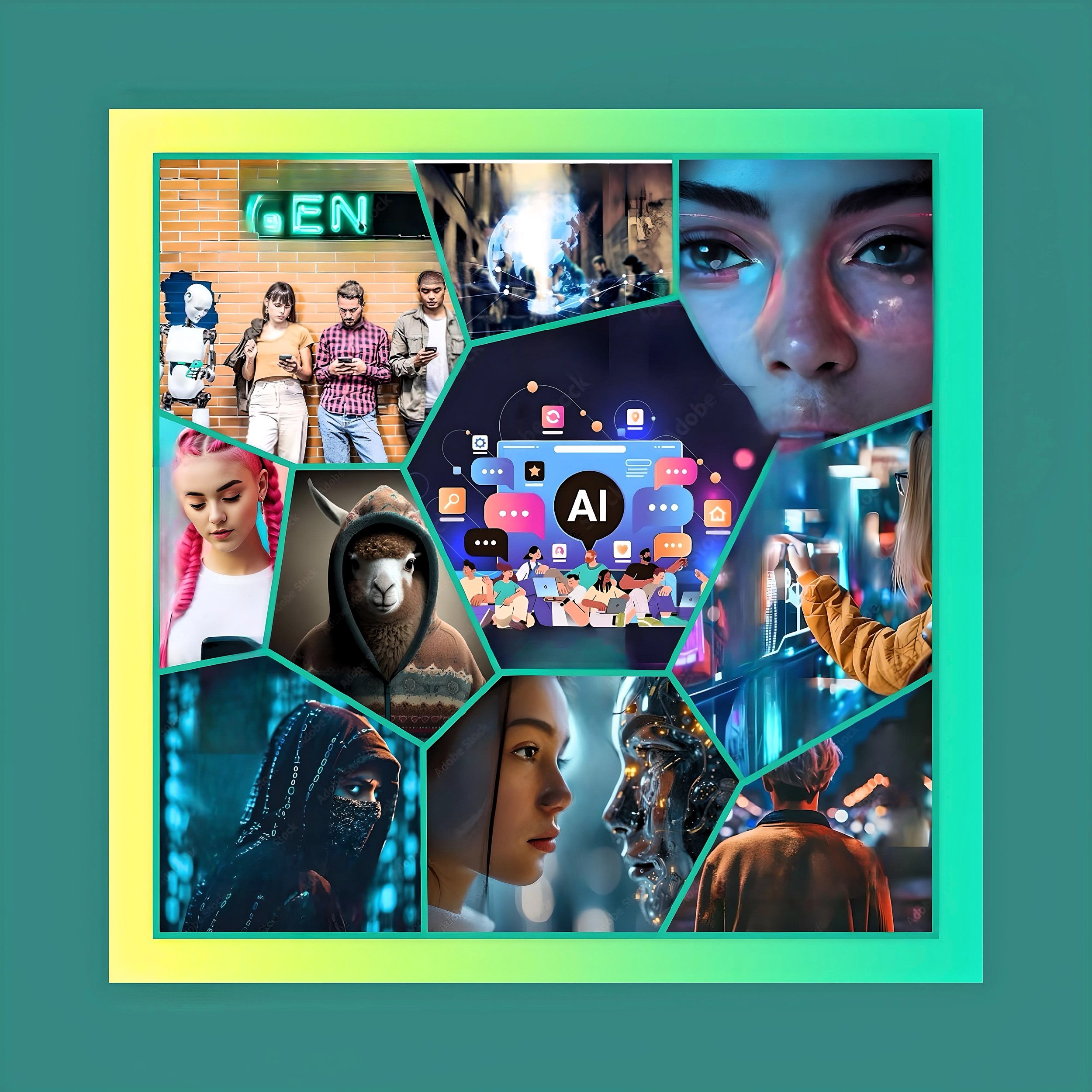
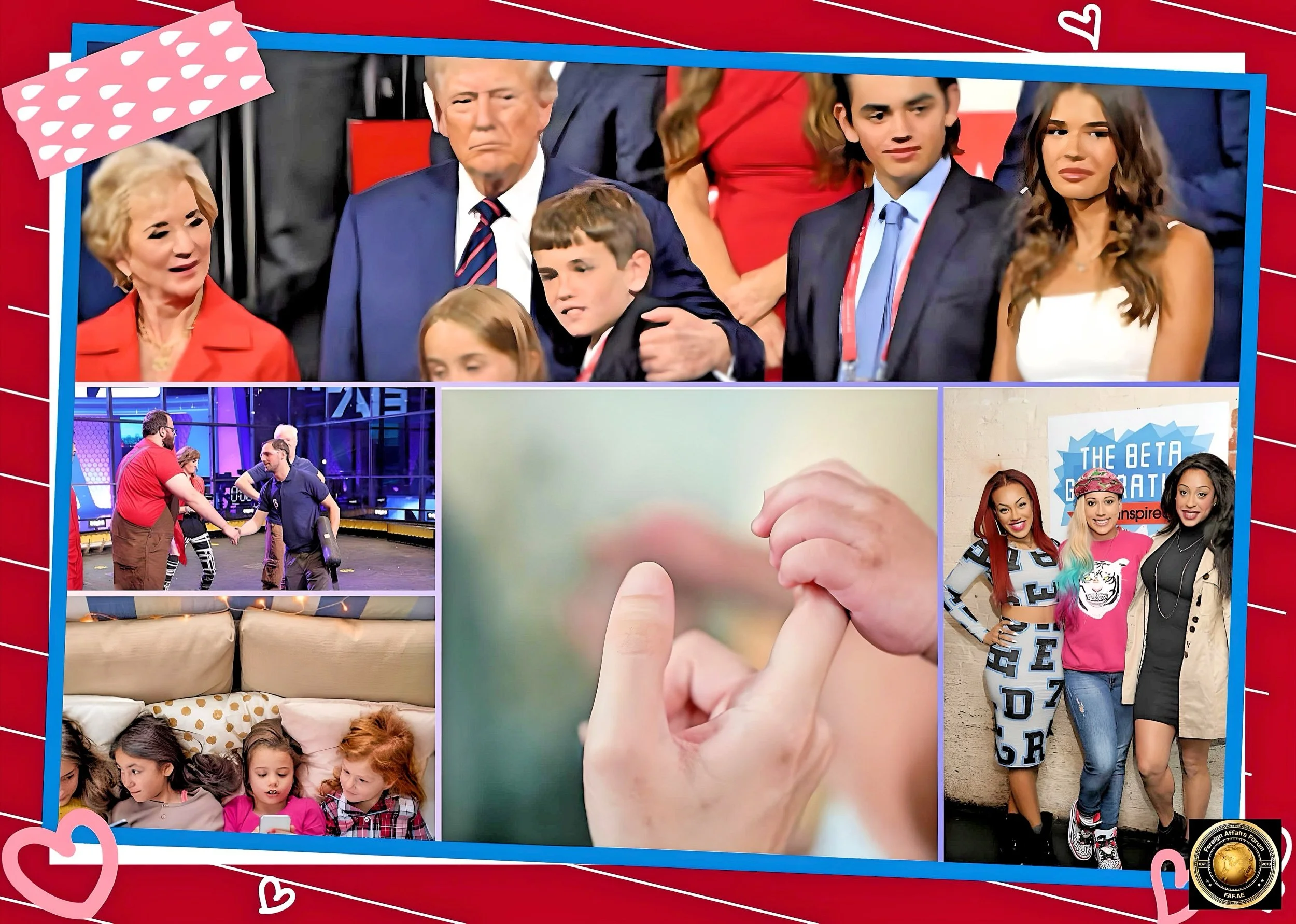
Generation Beta (2025-2039) heralds the first true AI-native cohort, showcasing a complete integration of artificial intelligence, automation, and immersive technologies in daily life.
Unlike Gen Alpha, who observed AI's ascent, Gen Beta will be born into a reality where AI is deeply woven into the fabric of existence.
Predicted Behavioral Patterns of Gen Beta
The “Beta Processing Mode”
Gen Beta's responses to stress may diverge dramatically from their predecessors, likely manifesting as:
Adaptive Scanning
A rapid ocular movement as they leverage multiple AI-assisted processing lanes concurrently.
Collaborative Gesturing
Tentative physical expressions reflecting an instinctual interaction with hypothetical AI interfaces.
Quantum Thinking Pauses
Periods of apparent inactivity that signal multi-scenario processing.
Reality Blur Response
Given their immersion in virtual and augmented realities, Gen Beta might experience stress through moments of dissociation, mentally retreating to constructed mental spaces.
Transformational Workplace Requirements
Holacratic Structures
Gen Beta will favor decentralized, self-organizing work models that eschew traditional hierarchies, favoring AI-enhanced collaborative efforts over conventional meetings.
Continuous Beta Mode
This generation is poised to exist within a framework of constant iteration and adaptation, thus rendering conventional job roles and static responsibilities antiquated.
Mental Health Integration
Firmly embedding integrated mental health support as a workplace standard, alongside AI-driven wellness monitoring and personalized therapeutic interventions, will be essential.
Implications for Workplace Management
The transition from Gen Z’s "stare" to Gen Alpha’s "freeze," ultimately culminating in Gen Beta’s "processing modes," signifies more than mere generational differences; it is indicative of foundational shifts in human-technology interaction and stress management.
Immediate Preparatory Actions for Organizations
To navigate these generational transitions, organizations must proactively engage in:
Technology Infrastructure Enhancements
Invest in AI-driven tools, virtual reality systems, and adaptive digital collaboration frameworks.
Management Training Programs
Develop strategies to recognize and effectively respond to diverse stress patterns and communication preferences across generations.
Workspace Design Innovations
Create environments that balance digital-native work styles with opportunities for authenticity.
Cultural Adaptations Needed
Reconceptualizing Productivity Metrics
There is an imperative to fundamentally reassess traditional productivity and engagement metrics, as emerging workforce demographics exhibit distinct operational modalities.
Digital Communication Standards
It is essential to establish new protocols for digital-centric communication while preserving elements of interpersonal connection and engagement.
Conclusion
Exploring the Evolution of Workplace Interactions: The Transition from Generation Z's Distinct Communication Style to the Digital Modalities of Generations Alpha and Beta**
The contemporary workplace is experiencing a profound transformation, particularly concerning the communication dynamics among different generational cohorts.
Generation Z exhibits a unique combination of nonverbal communication elements, often referred to colloquially as the "stare." Their method of conveying messages is nuanced, relying heavily on the integration of technology with personal engagement.
This cohort has been shaped by a digital landscape rife with social media and instant messaging, leading to a distinctive communicative approach that can sometimes be misconstrued as aloofness or assertiveness, largely influenced by patterns of digital interaction.
As we look to the future, the emergence of Generations Alpha and Beta will likely further revolutionize workplace communication.
These individuals, born into an era of rapid technological advancement, are expected to leverage innovative digital tools and platforms to articulate their thoughts and emotions.
The anticipated integration of augmented reality, virtual environments, and a myriad of multimedia formats will facilitate richer and more immersive forms of expression.
The entry of these digital natives into the workforce signifies not only a redefinition of workplace communication but also a potential shift in organizational culture and collaborative methodologies.
The disparity between Gen Z's communicative strategies and the projected styles of Gen Alpha and Beta underscores a broader evolution in societal norms and professional expectations.
This emphasizes the necessity for adaptability and comprehension to cultivate productive and inclusive work environments.
Organizations would benefit from instituting comprehensive digital wellness initiatives and stress management frameworks tailored to the needs of technology-dependent generations.
The transition from Gen Z’s communicative nuances to the behavioral tendencies of Gen Alpha and Beta signifies a significant shift in human-work interaction paradigms.
Entities that proactively acknowledge and adapt to these emerging trends will likely be better positioned to harness the distinctive strengths of these upcoming generations.
Conversely, organizations that resist such adaptations may struggle to attract and retain future talent.
It is crucial to recognize that these evolving behaviors are not deficiencies; rather, they represent strategic adaptations to an increasingly complex technological landscape, necessitating new approaches to workplace design and management practices.