Boeing’s Illusory Trajectory—Legal Repercussions in the 737 MAX Case: Analyzing the $2.5 Billion Settlement and Its Ethical Ramifications - Part IV
Introduction
Overview of the January 2021 Settlement
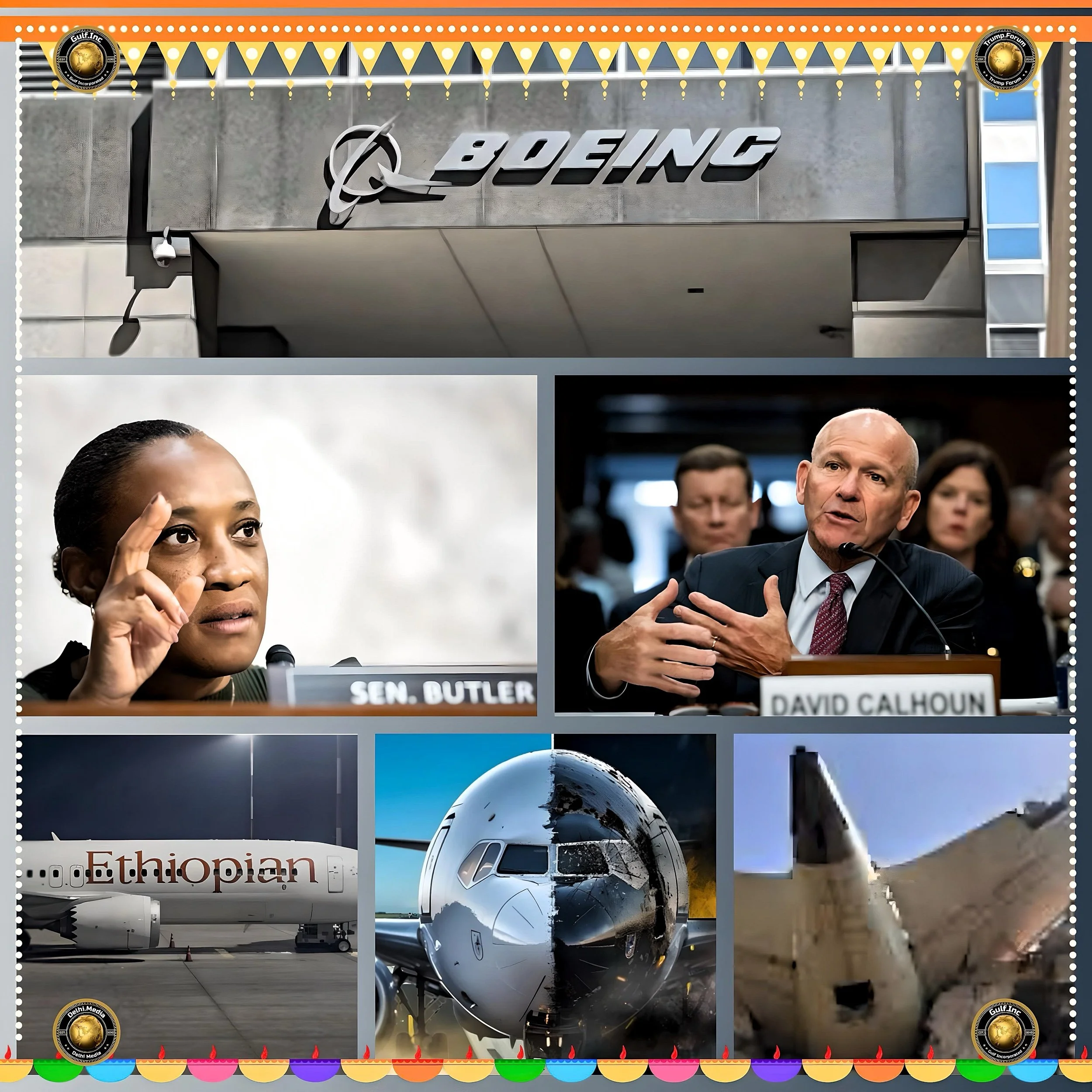
In January 2021, Boeing entered into a $2.5 billion settlement with the U.S. Department of Justice, marking a pivotal moment in corporate accountability within the aviation sector.
This deferred prosecution agreement (DPA) stemmed from Boeing's intricate criminal conspiracy to mislead the Federal Aviation Administration (FAA) during the certification of the 737 MAX aircraft.
The settlement's allocation raises significant concerns: while Boeing accepted a criminal fine of $243.6 million and earmarked $500 million for the families of the victims, the overwhelming majority—$1.77 billion—was designated to compensate airlines for revenue losses incurred during the grounding of the aircraft. Consequently, victims’ families received a mere 20% of the total settlement, while airlines secured over 70%.
The Crashes and Their Human Cost
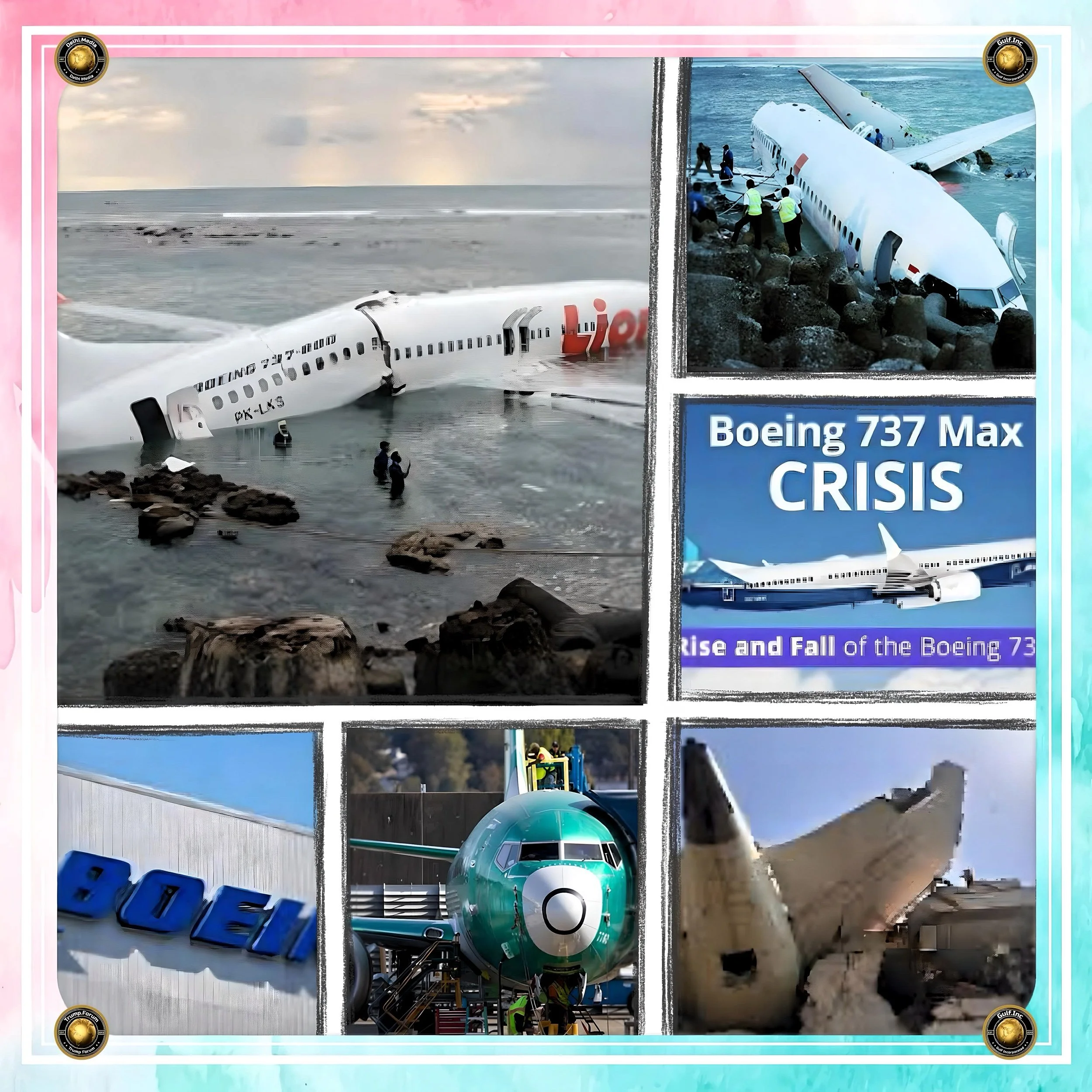
The settlement was propelled by Boeing's involvement in two catastrophic crashes that together resulted in the loss of 346 lives: Lion Air Flight 610, which plunged into the Java Sea on October 29, 2018, claiming all 189 occupants, and Ethiopian Airlines Flight 302, which crashed near Addis Ababa on March 10, 2019, resulting in the deaths of 157 individuals.
Both disasters were linked to the flawed Maneuvering Characteristics Augmentation System (MCAS), a system that Boeing had failed to disclose adequately to pilots and regulators.
Victims’ families received approximately $1.45 million each from the settlement’s compensation fund—an amount widely criticized as insufficient, with Judge Reed O’Connor describing the incidents as “the deadliest corporate crime in U.S. history.”
Corporate Culture and Ethical Failures
The 737 MAX case underscored profound cultural deficiencies within Boeing, highlighting an alarming shift from a former engineering-centric ethos to one that prioritizes cost-cutting and shareholder returns following its merger with McDonnell Douglas in 1997.
Employee reports indicated a pervasive environment of fear and retaliation, which obstructed the reporting of safety issues.
A congressionally mandated investigation revealed that many employees were hesitant to raise concerns due to potential reprisals, a culture that persisted post-crashes. Whistleblowers faced ongoing challenges in advocating for safety.
Boeing's ethical transgressions extended beyond the MCAS system. Internal communications among engineers revealed intentional misrepresentations to regulators and a dismissive attitude toward safety protocols and customer apprehensions.
Notably, Boeing’s decision to charge airlines for fundamental safety warning systems that could have mitigated the crashes starkly illustrated its prioritization of profit over safety.
The Ahmedabad Connection
A Different Boeing Crisis
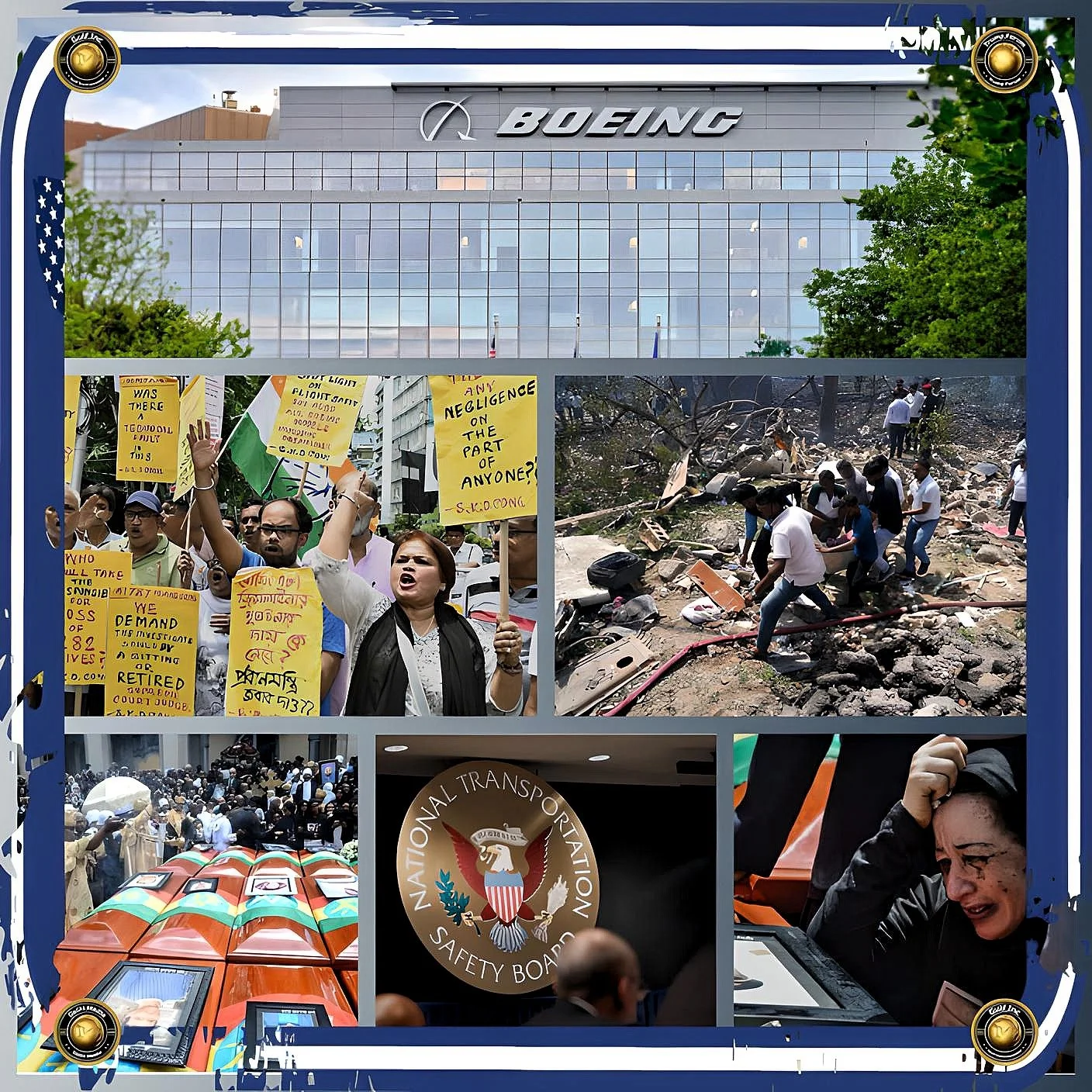
The crash of Air India Flight 171 in Ahmedabad on June 12, 2025, presents another tragic chapter involving Boeing, with a Boeing 787-8 Dreamliner suffering a catastrophic failure shortly after takeoff, resulting in 241 fatalities from the 242 individuals on board, alongside 19 casualties on the ground.
This incident, which did not involve the 737 MAX model, revealed that both engines’ fuel control switches unexpectedly transitioned from the “RUN” to “CUTOFF” positions mere seconds post-takeoff, depriving the engines of fuel.
Cockpit voice recordings captured one pilot querying the other about the cut-off, to which the response indicated no action had been taken by either pilot.
Unlike the earlier crashes, initial findings indicate that the Ahmedabad incident is unrelated to the MCAS system or the matters resolved in the 2021 settlement.
However, it has reignited discourse surrounding Boeing’s overarching safety culture and quality assurance processes.
The Question of Karmic Justice and Corporate Responsibility
The characterization of Boeing’s actions as “karmic” offers a lens through which to examine corporate responsibility and ethical accountability.
Evaluating Boeing's conduct through various ethical frameworks reveals a substantial dereliction of its duty of care to the public.
From a virtue ethics perspective, Boeing's practices transgressed fundamental engineering principles of safety and integrity.
The company's culture evidenced a failure to exercise the “practical wisdom” necessary to reconcile conflicting interests, favoring profit over public safety.
Boeing's actions breached both the National Society of Professional Engineers’ principle to prioritize the safety, health, and welfare of the public, as well as the organization’s own communicated values.
Applying a care ethics framework elucidates Boeing’s shortcomings at every level of moral obligation: a lack of vigilance regarding safety concerns, a failure to accept responsibility for product risks, deficiencies in engineering and manufacturing competencies, and inadequate responsiveness to identified issues.
The ongoing dismissal of employee safety concerns, paired with the prioritization of cost-efficiency over essential safety enhancements, exemplifies a systemic abdication of ethical responsibility.
Victims’ Families and the Pursuit of Justice
The families of the victims from the 737 MAX crash have vocally criticized Boeing's settlements, viewing them as inadequate and ethically deficient.
They assert that these agreements amount to "sweetheart deals" with the Department of Justice, effectively circumventing meaningful criminal accountability for Boeing's actions.
Paul Cassell, a legal representative for numerous victims' families, has argued that these settlements violate the Crime Victims’ Rights Act, pointing out that the families were not consulted prior to the agreements' finalization.
The families contend that Boeing’s misconduct directly contributed to the crashes and believe that senior executives should face criminal prosecution for their roles.
The emotional impact on the families extends far beyond mere financial reparations.
Paul Njoroge, who tragically lost his wife and three children in the Ethiopian Airlines crash, recounted the psychological toll in a Congressional testimony: “I stay up nights thinking of the horror that they must have endured.
The six minutes will forever be embedded in my mind. I was not there to help them. I couldn’t save them.”
Ongoing Legal and Ethical Implications
Boeing's legal difficulties have continued long after the 2021 settlement. In May 2024, the DOJ concluded that Boeing breached the deferred prosecution agreement by failing to establish adequate compliance and ethics programs.
This resulted in a new settlement of $1.1 billion in 2025, once again allowing Boeing to evade criminal prosecution.
The pattern of multiple settlements without criminal convictions has sparked criticism from legal scholars and ethicists, who argue that it does not serve as sufficient deterrence against corporate misconduct.
This approach effectively treats corporate crime as a mere cost of doing business rather than a significant breach of public trust.
The Broader Implications for Corporate Accountability
The Boeing case raises fundamental questions about corporate responsibility in sectors where operational failures can lead to catastrophic outcomes.
The company’s history of ethical breaches spans decades, characterized by scandals followed by empty promises of reform.
This case underscores how corporate cultures can become compromised when short-term financial pressures supersede essential safety obligations.
Boeing’s shift from an engineering-centric organization to one primarily focused on shareholder value illustrates the risks associated with prioritizing financial metrics over core safety responsibilities.
Conclusion
The Limitations of Financial Settlements in Aviation
The recent $2.5 billion settlement, along with various subsequent agreements, signifies a notable financial repercussion for Boeing; however, these monetary penalties fall short of addressing the profound ethical failings that precipitated the tragic accidents.
The settlement's distribution, predominantly favoring airline corporations over the grieving families of victims, underscores a troubling prioritization that seemingly places commercial interests above the sanctity of human life.
The discourse surrounding whether Boeing's actions could be interpreted as "karmic justice" is inherently subjective, varying according to individual ethical perspectives.
Nevertheless, from numerous moral vantage points, the company’s behaviors epitomize a glaring dereliction of duty to safeguard the public.
The recurring pattern of reaching settlements without imposing criminal penalties raises critical concerns regarding the existing legal mechanisms to tackle corporate misconduct of such monumental scale.
This situation exemplifies a significant gap in accountability, highlighting a system that often allows corporations to evade full culpability for their actions.
The Air India crash in Ahmedabad serves as a poignant reminder that the integrity of aviation safety is contingent on cultivating a corporate culture that genuinely prioritizes passenger safety over profit margins.
Incidents like this underscore the necessity for systemic changes within organizations to ensure that safety is not merely a rhetorical commitment but an operational reality.
For Boeing to effectively restore public confidence, it must enact a fundamental transformation in its corporate culture—moving beyond mere financial settlements to provide clear, demonstrable commitments to safety.
Shifting responsibility to pilots' mental health and instituting an 18-month hiatus on findings pertinent to a crucial airworthiness directive underscores the complex socio-economic and political dynamics affecting all stakeholders.
This approach raises concerns that Boeing may be treading a path reminiscent of organizations disconnected from societal welfare, potentially compromising safety and integrity in the aviation sector.
Further, the ongoing struggle of victims’ families for justice transcends the pursuit of mere compensation; it signifies a profound demand for moral accountability that extends far beyond the financial realm.
This relentless pursuit for justice reflects a broader societal expectation that corporations, especially those whose decisions can lead to catastrophic loss of life, adhere to the highest standards of ethical conduct.
We inhabit a complex geopolitical landscape where corporate boardrooms often prioritize profits over people, resulting in a troubling trade-off between human life and highly politicized financial interests.
In this intricate web of power dynamics, we find ourselves increasingly focused on safeguarding our interests against the aggressive maneuvers of political and economic influences.
As lobbying efforts grow stronger, we grapple with a foundational weakness in the ethical frameworks guiding corporate behavior.
This tension gives rise to a new paradigm of “karmic evolution”—one in which ethical considerations are increasingly blurred, creating a distorted perception of the world and challenging our understanding of existence in light of divine creation.