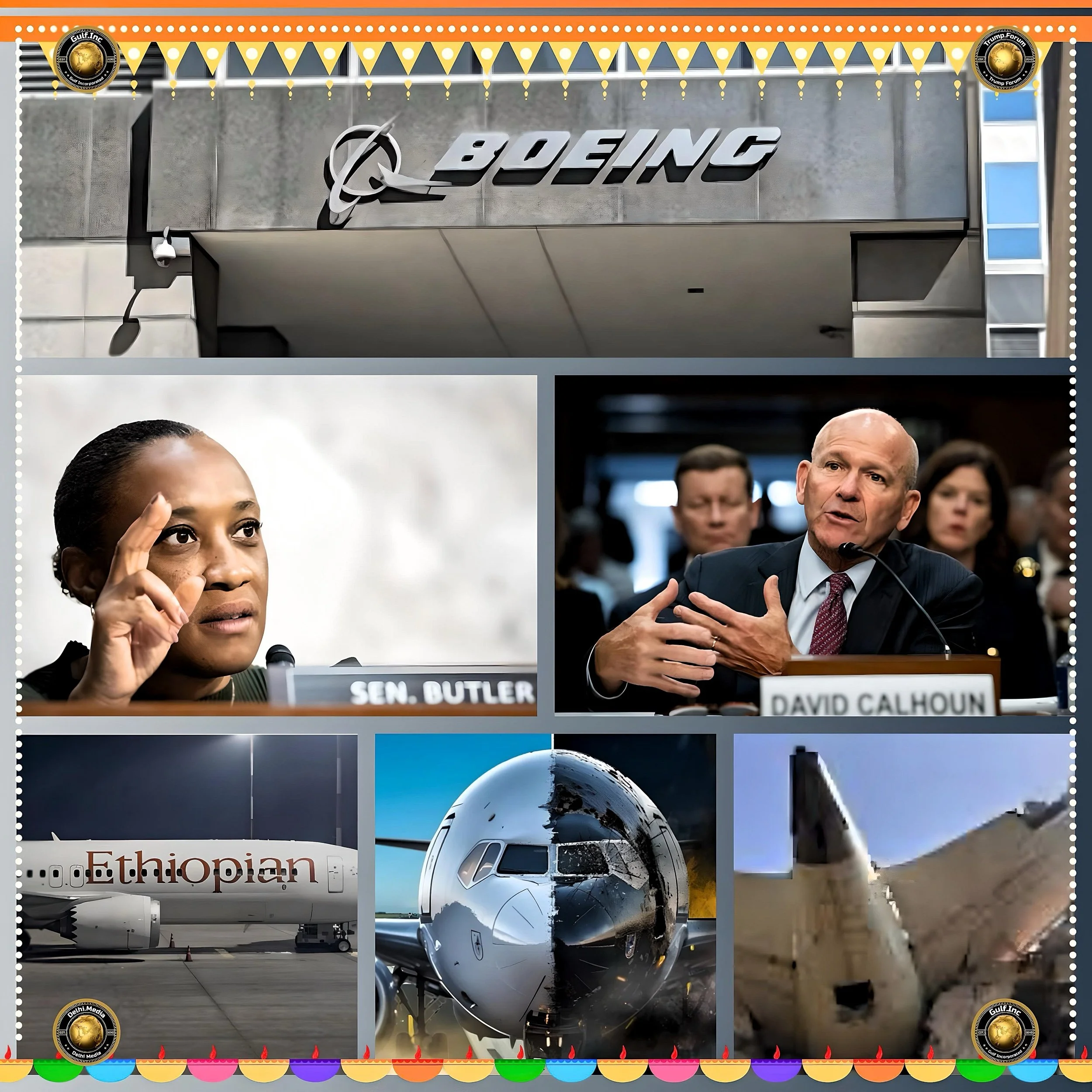
Boeing’s Diplomatic Blame Game: American Economic Politics Behind Global Aviation Disasters - ‘Culture of silence’ - Part I
Introduction
The Strategic Deflection Pattern
Boeing's tactics in managing international aviation disasters reflect a complex diplomatic maneuvering to safeguard American economic interests and maintain the company's preeminence in global aviation markets.
This approach has been consistently employed in scenarios involving Boeing aircraft in international crashes.
It utilizes a multi-tiered strategy to shift culpability onto foreign entities while leveraging U.S. political and economic clout.
The Perfect Blame Game Framework
Foreign Pilot Scapegoating
Boeing has systematically deflected responsibility for its aircraft's failures by implying that foreign pilots lack the requisite training and experience compared to their American counterparts.
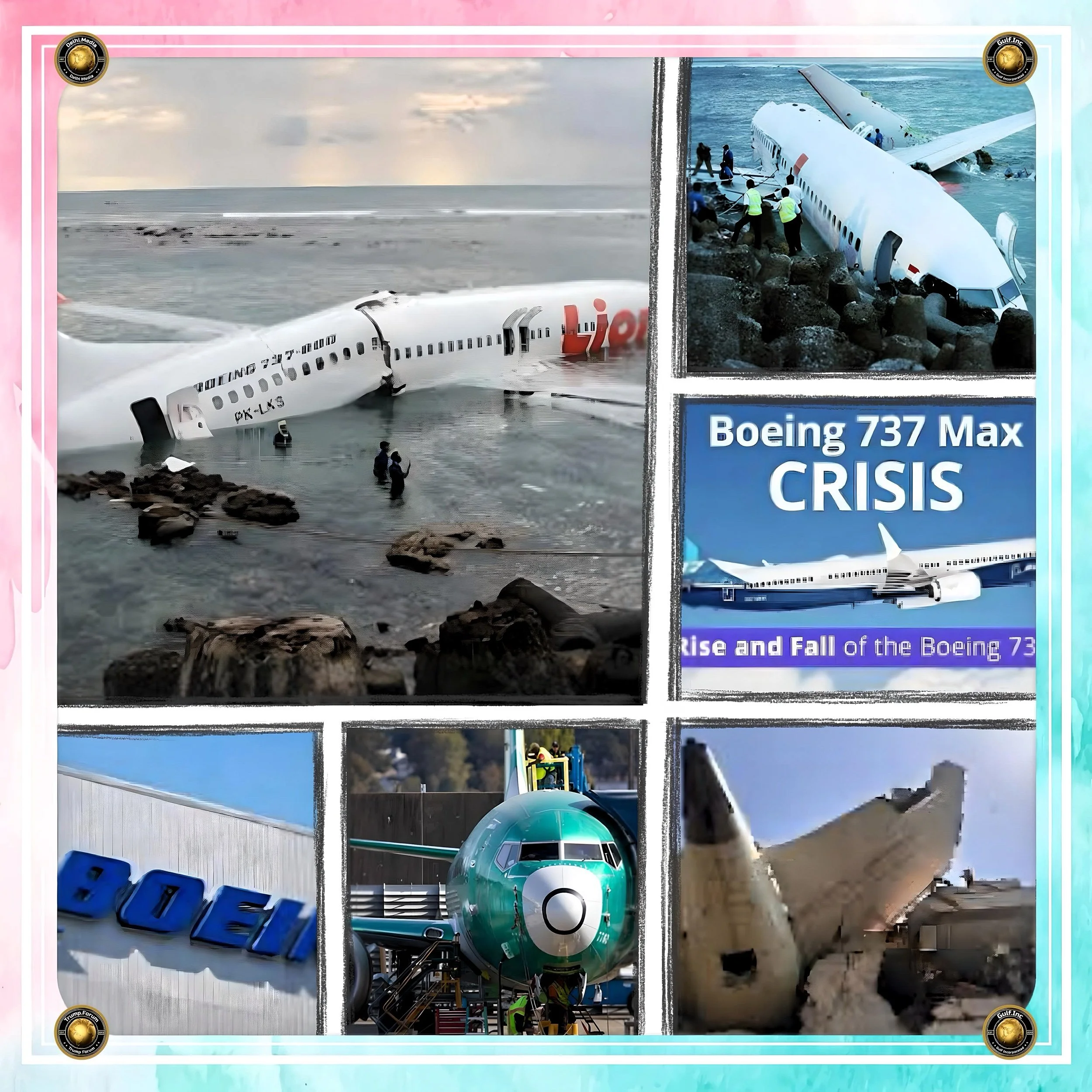
This tactic was particularly prominent in the aftermath of the 737 MAX incidents. Following the crash of Ethiopian Airlines Flight 302 in March 2019, then-CEO Dennis Muilenburg suggested that the pilots did not adhere adequately to Boeing's established protocols.
The strategy became more overt when David Calhoun, Boeing’s new CEO, stated in an interview with *The New York Times* that pilots from Indonesia and Ethiopia "don't have anywhere near the experience that they have here in the U.S."
Such assertions drew sharp criticism, including from Dennis Tajer, a spokesman for the American Airlines pilots union, who labeled Boeing's insinuations as “inexcusable” and representative of a “poisoned, diseased philosophy.”
Furthermore, American Airlines pilots had previously submitted safety system improvement recommendations to Boeing in November 2018, prior to the fatal crashes, which were largely disregarded by the company.
The Ethiopian Airlines Information Denial
An illustrative example of Boeing's discriminatory practices occurred when the chief pilot of Ethiopian Airlines reached out for information—just one month post-Lion Air’s crash—regarding the issues that had led to the earlier disaster.
According to *The New York Times*, Boeing refrained from providing detailed answers, instead directing the inquiry back to a public document released after the Lion Air incident.
Boeing cited its commitment to support the Indonesian investigation as a rationale for withholding more specific guidance.
In contrast, the company was actively briefing American pilots who posed similar questions about responding to the aircraft's software malfunctions.
This differential treatment may have significantly contributed to the Ethiopian Airlines crash three months later, claiming all 157 onboard.
The subsequent investigation by the Ethiopian government established that more comprehensive information from Boeing could have potentially mitigated the crash.
Media Manipulation and Narrative Control
Boeing's deflection strategies extend into the realm of media manipulation, a pattern observable following recent aviation catastrophes.
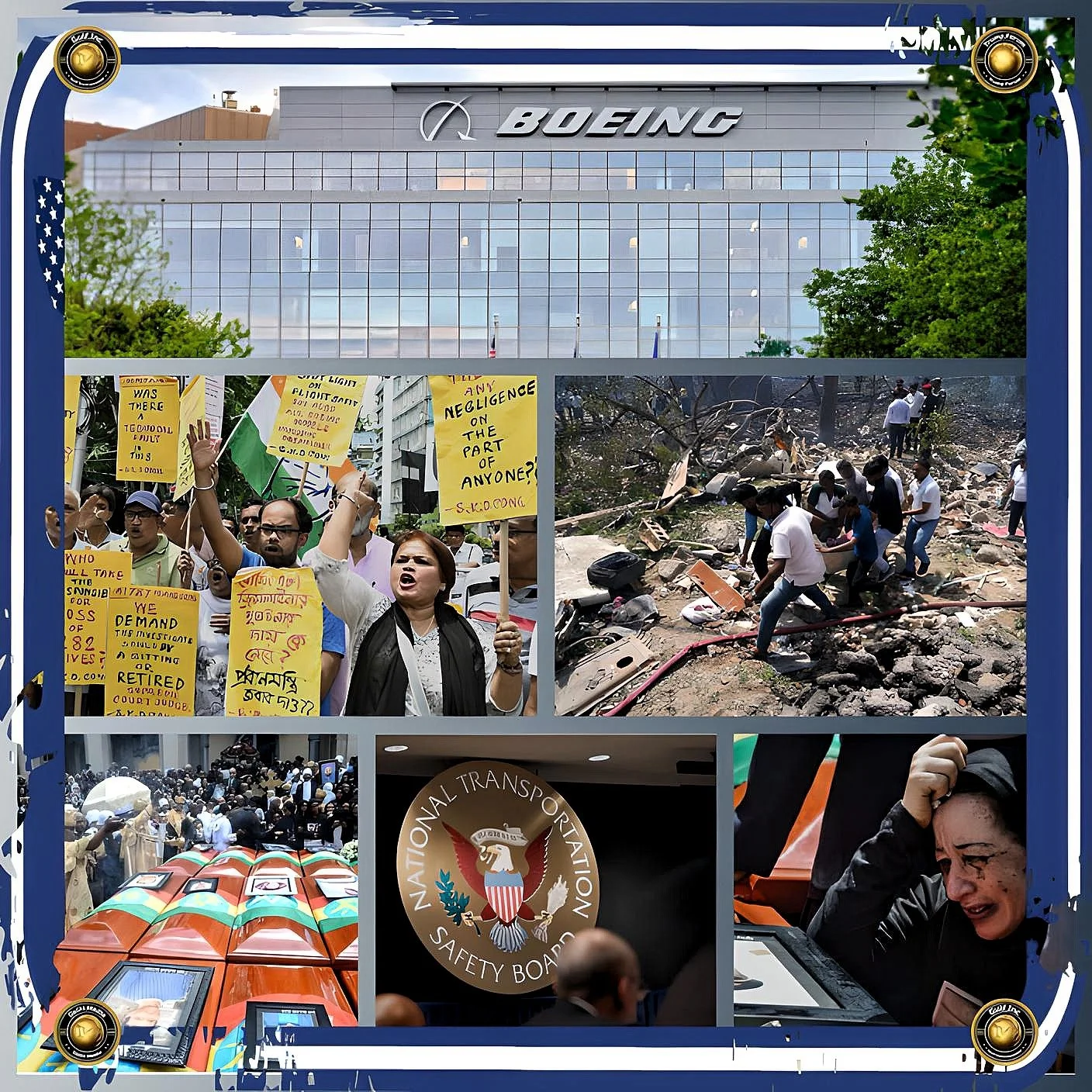
In the wake of the June 2025 Air India crash in Ahmedabad, which resulted in 260 fatalities, American media outlets swiftly shifted the narrative to absolve Boeing of liability. *The Wall Street Journal*, citing anonymous “U.S. officials,” claimed the investigation was concentrating on the actions of the pilots, with no current indications pointing to a malfunction in the Boeing 787 Dreamliner.
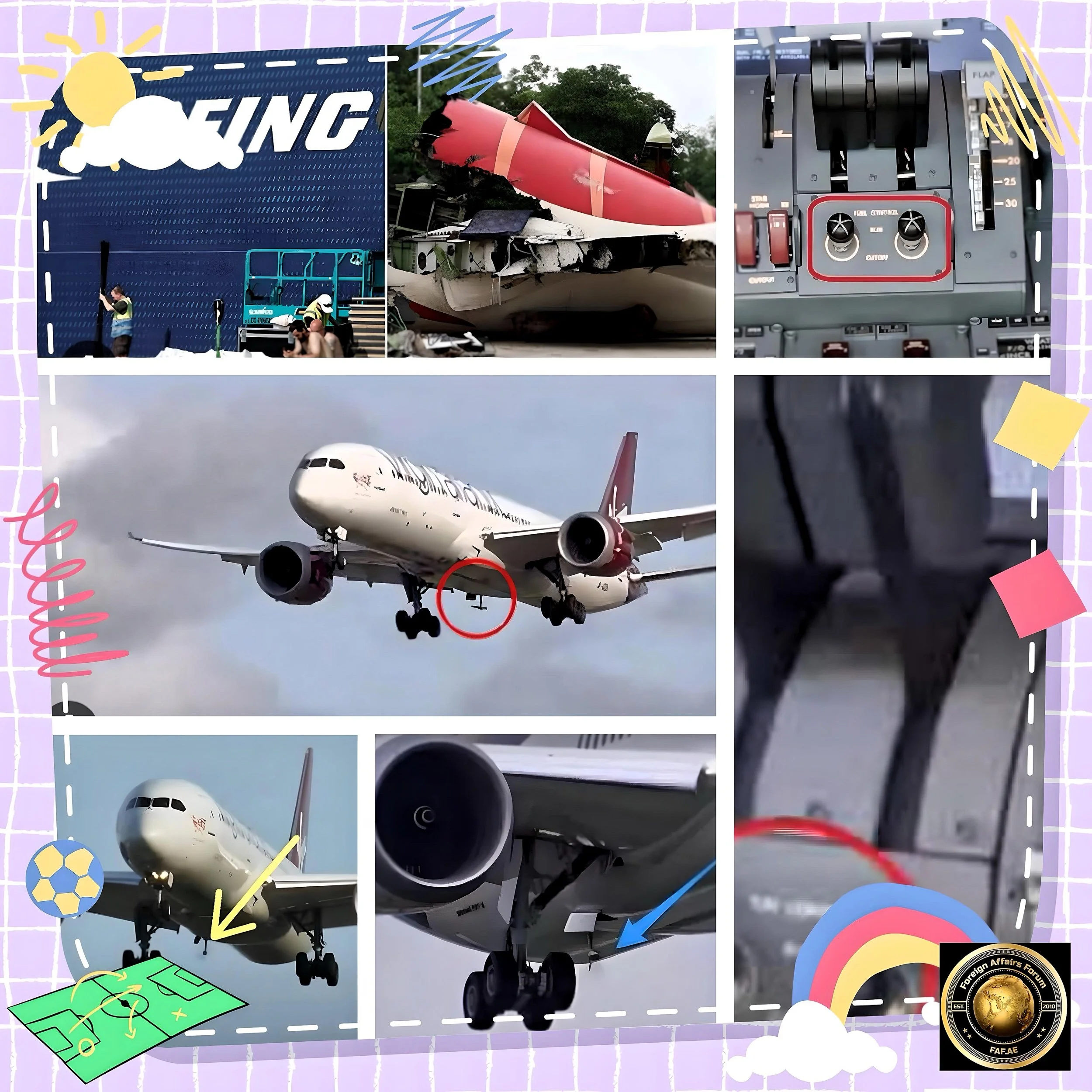
Such narratives emerged despite prior knowledge of issues with Boeing's fuel control switch, which had been flagged by the FAA in 2018.
The timing of these reports—coinciding with the impending preliminary findings from India’s Aircraft Accident Investigation Bureau—suggests a calculated effort to manipulate public perception, simultaneously scapegoating the deceased Indian pilots.
Economic and Political Machinery
The Lobbying Infrastructure
Boeing's ability to divert blame is fortified by substantial political investments.
The company has allocated over $348 million for federal lobbying since 1998, positioning itself as the third-largest corporate lobbying spender in the United States.
In 2018 alone, Boeing’s lobbying expenditures reached $15.1 million.
By the first five months of 2025, the company’s federal political action committee distributed nearly $1 million across nearly 300 political committees.
This substantial lobbying infrastructure enables Boeing to influence regulatory actions and public discourse favorably.
Boeing employs over 100 federal lobbyists, establishing a ratio of one lobbyist for every five members of Congress.
This extensive network is crucial for navigating crises and ensuring regulatory agencies and lawmakers render favorable treatment.
Regulatory Capture and Government Complicity
Boeing’s synergy with the Federal Aviation Administration (FAA) serves as a textbook example of regulatory capture, wherein the regulatory body aligns so closely with industry interests that it fails to exercise independent oversight.
The FAA’s delegation of safety certification responsibilities to Boeing personnel has engendered conflicts of interest that played a role in the 737 MAX disasters.
This “cozy relationship” has allowed Boeing to effectively self-regulate, undermining the FAA’s oversight authority.
Furthermore, the Export-Import Bank, often referred to colloquially as “Boeing’s Bank,” presents an additional layer of financial and political support, reinforcing Boeing's dominant position in the aviation market and complicating accountability measures.
International Diplomatic Consequences
Global Groundings and Trust Erosion
Boeing's strategic blame attribution has resulted in significant diplomatic ramifications. Following the Ethiopian Airlines disaster, numerous countries—such as China, Germany, Ireland, the UK, and Australia—grounded Boeing 737 MAX aircraft even before the United States made a similar decision.
The FAA's delayed response, which only occurred after a majority of the global community had acted, has undermined America's standing as a preeminent authority in aviation safety.
Industry analysts noted that the rapid action by China’s Civil Aviation Administration (CAAC) not only reinforced its regulatory credibility but did so at the expense of the FAA's authority, marking a conspicuous shift in global aviation oversight and resulting in diplomatic repercussions for the United States.
Economic Retaliation and Market Access
China’s countermeasures to Boeing's crisis response exemplify the economic pitfalls of the blame game. China constitutes a substantial market for Boeing, accounting for 20-25% of its global deliveries, valued between $10-12 billion annually.
In response to escalating US-China trade tensions, Beijing directed domestic airlines to suspend deliveries of Boeing aircraft and halt imports of US aviation components, impacting over 179 jets scheduled for delivery up to 2027.
Dissatisfaction from the Chinese government regarding Boeing’s initial assertions of pilot error in various incidents has turned scrutiny towards the design of Boeing’s Maneuvering Characteristics Augmentation System (MCAS).
This technical contention underscores broader diplomatic tensions exacerbated by Boeing's defensive narrative.
The Whistleblower Suppression Campaign
Systematic Intimidation
Boeing's blame strategy also involves the suppression of internal dissent through intimidation tactics against whistleblowers. Multiple employees have reported experiencing threats and retaliatory actions for voicing safety concerns.
For instance, Sam Salehpour, a quality engineer with over three decades at Boeing, testified about a senior executive's warning following his concerns about safety protocols: “I would have killed someone who said what you said in a meeting.”
Moreover, the suspicious deaths of whistleblowers, such as John Barnett—who was found dead in March 2024 while involved in a whistleblower lawsuit—and Joshua Dean, who raised alarms about manufacturing defects and died from a sudden infection in May 2024, raise serious questions about Boeing’s internal culture regarding safety accountability.
Creating a Culture of Silence
Boeing’s systemic suppression of internal criticism aligns with its broader strategy of deflecting blame, thereby shielding damaging information from public scrutiny.
Former employees have described an organizational climate where raising concerns leads to punitive reassignments, fostering a pervasive culture of silence. This environment enables Boeing to sustain its external blame narrative while obfuscating internal shortcomings.
The American Face-Saving Operation
National Security Justifications
Boeing's integral role as a defense contractor creates a layer of insulation from accountability. With defense revenues comprising 40% of its total income, the company is deemed essential to U.S. military operations.
This dual role as both commercial aircraft manufacturer and defense entity intertwines Boeing's financial stability with national security imperatives.
Officials frequently justify Boeing’s protection as a means to maintain U.S. technological preeminence and prevent foreign rivals from encroaching on market share.
Support from the Export-Import Bank is framed as a mechanism to bolster American exports and employment, even when Boeing’s practices bear negative implications for international relations.
The Military-Industrial Complex Shield
Boeing’s entrenchment within the military-industrial complex provides systematic protection from scrutiny and accountability.
Its extensive defense contracts, coupled with significant lobbying efforts and job creation in pivotal congressional districts, form a network of political safeguards that transcend conventional corporate oversight.
This framework enables Boeing to navigate crises that would typically jeopardize other companies by invoking arguments of national security and economic competitiveness
Conclusion
The Systemic Nature of the Blame Game
Boeing's diplomatic blame game transcends mere corporate crisis management; it epitomizes the intersection of American economic power, political influence, and international relations.
The company's persistent pattern of assigning liability to foreign entities while exploiting American political and economic mechanisms to evade accountability demonstrates a disconcerting prioritization of corporate interests over public safety and diplomatic relations.
Boeing’s systematic approach to crisis management has allowed it to maintain its market position despite recurrent safety failures, ultimately jeopardizing America's reputation as a global aviation safety leader and straining relationships with key international partners.
This “perfect blame game” serves the narrow interests of the corporation at a substantial cost to broader diplomatic integrity.