Boeing’s Global Influence and Political Connections: Examining the Claims - Part II
Introduction
The assertion that Boeing employs diplomatic channels and exerts political influence to secure its business interests amidst global aircraft accidents contains kernels of truth.
However, per FAF, a nuanced examination of the data is necessary to differentiate confirmed facts from speculative theories.
Boeing’s Political Influence
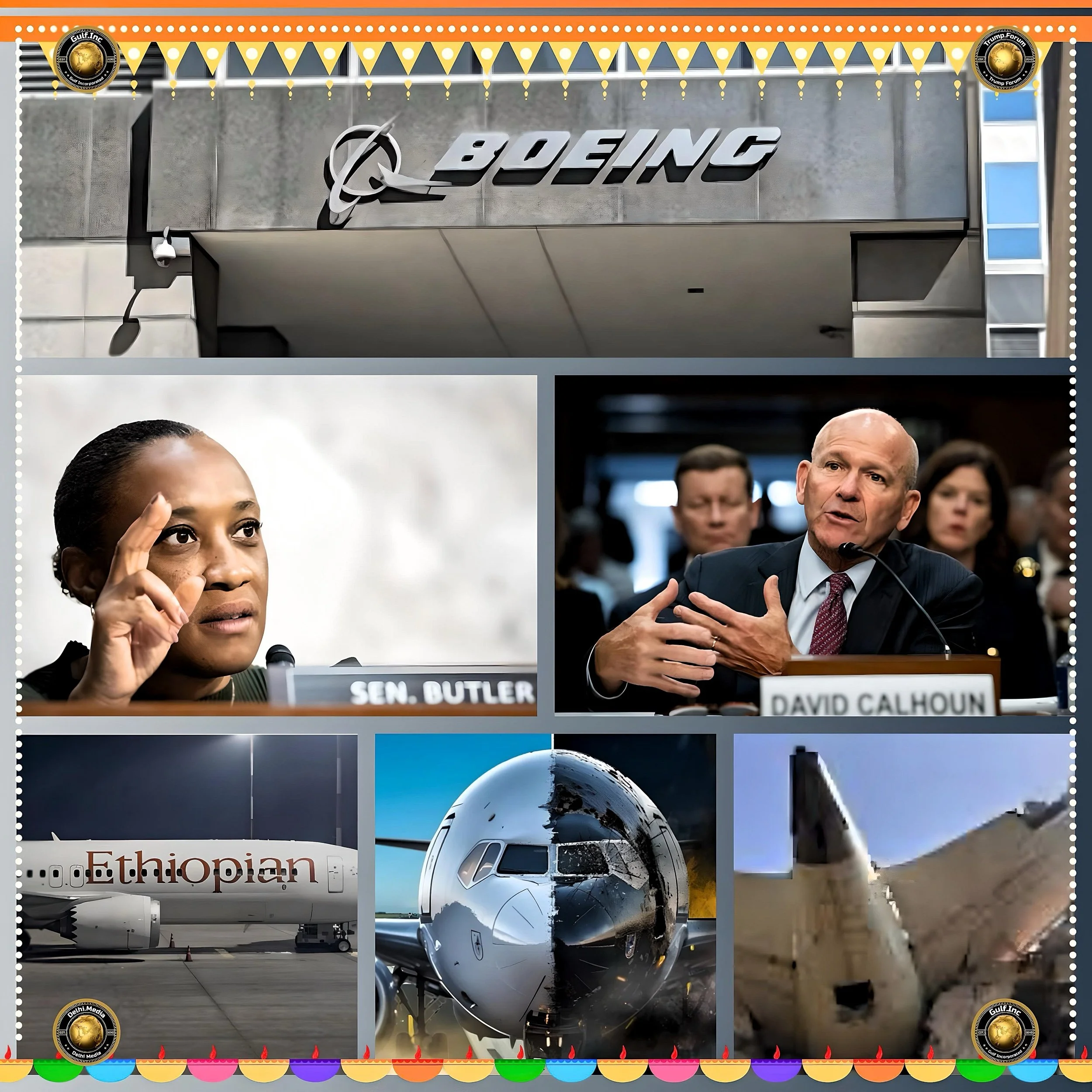
Boeing possesses substantial political connections in Washington, D.C.
In 2018, the company allocated $15.1 million for lobbying efforts, utilizing around 100 lobbyists and consistently ranking as one of the top lobbying entities since 1998.
The Government Operations office, headquartered in Arlington, Virginia, directly engages with federal, state, and local officials to safeguard Boeing's interests, garner support for company initiatives, and influence public policy.
The bond between Boeing and the U.S. government is particularly robust, given Boeing's status as the nation’s largest exporter and a key defense contractor.
Former President Obama quipped about being Boeing’s “top salesman,” and President Trump commended “the United States of America and Boeing” during a factory tour.
This relationship transcends mere rhetoric; the U.S. government actively facilitates Boeing’s international sales through mechanisms like the Export-Import Bank, often referred to informally as “Boeing’s Bank.”
Recent Aircraft Incidents and Boeing’s Responses
The query references incidents involving Boeing aircraft across Ethiopia, South Korea, and India, which merit detailed examination:
Ethiopian Airlines Flight 302 (2019)
This incident involved a Boeing 737 MAX 8 that crashed shortly after takeoff from Addis Ababa, resulting in the loss of 157 lives.
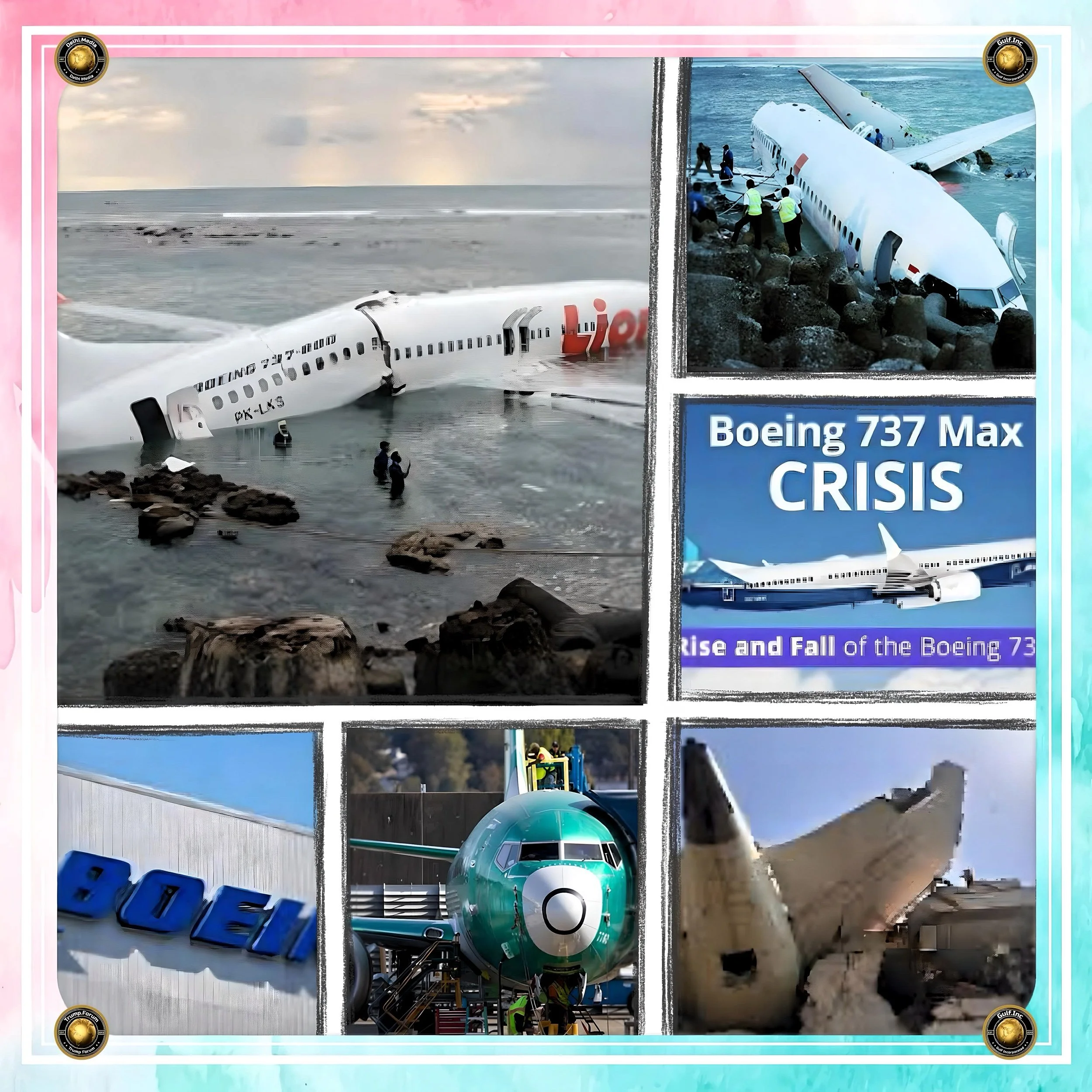
The tragedy, alongside Lion Air Flight 610’s crash in 2018, necessitated the global grounding of the 737 MAX fleet and highlighted critical flaws in Boeing’s MCAS (Maneuvering Characteristics Augmentation System).
South Korean Incident (2024)
A Boeing 737-800 operated by Jeju Air crashed at Muan International Airport, claiming 179 lives.
Preliminary investigations indicated that the pilot encountered complications likely related to a bird strike and a malfunctioning landing gear during approach.
Indian Incident (2025)
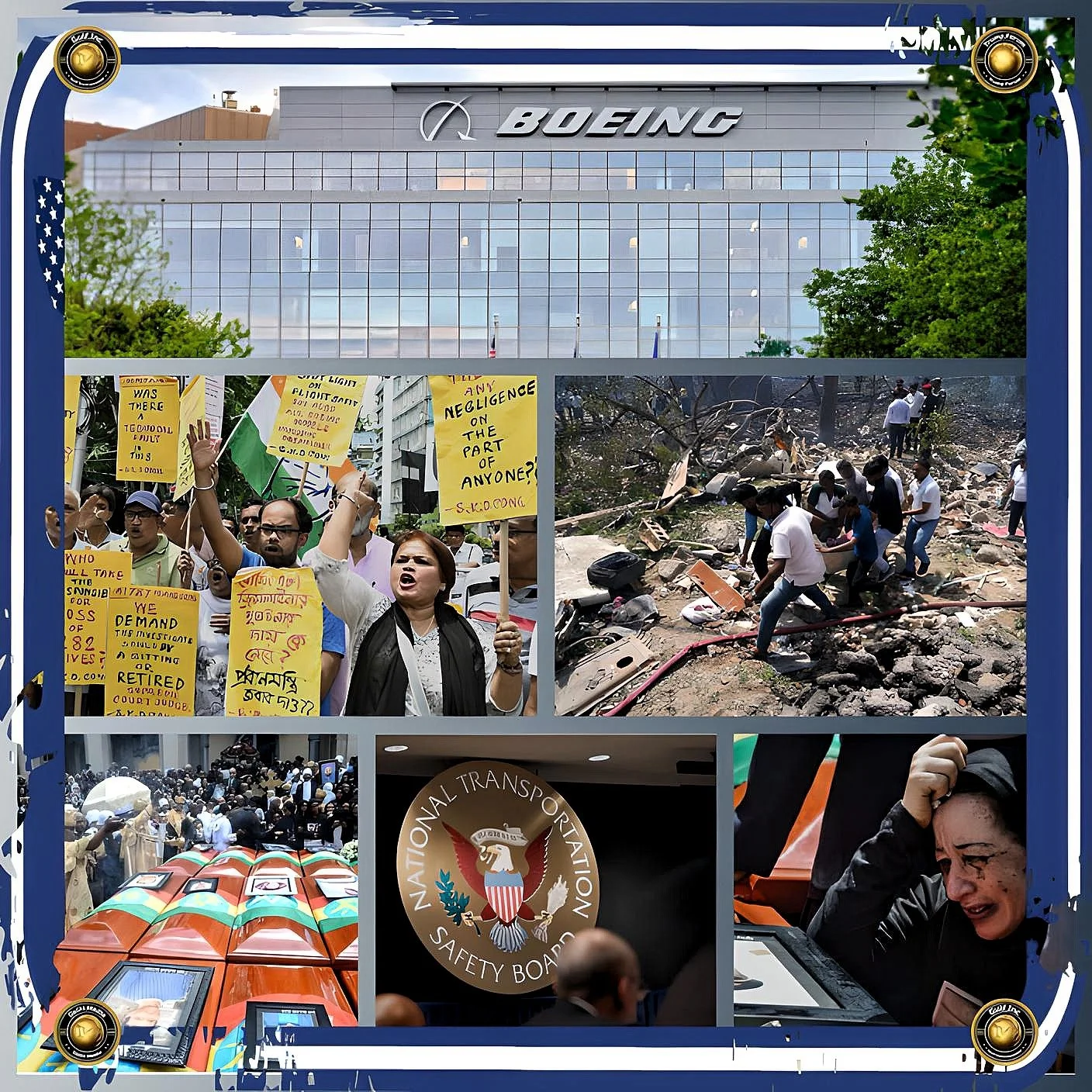
Air India Flight 171, a Boeing 787-8 Dreamliner, crashed shortly after departing from Ahmedabad, resulting in 241 fatalities among 242 occupants.
Early assessments indicated that fuel control switches inadvertently shifted from “RUN” to “CUTOFF” shortly after takeoff, necessitating further investigation.
However, initial reports suggest potential pilot error, despite ongoing concerns regarding persistent technical deficiencies within the aircraft since 2019 or earlier.
The Nature of Boeing’s Political Influence
While Boeing undeniably wields significant political influence, this power is chiefly utilized for several purposes:
Trade Protection
Boeing benefits from political pressure exerted on foreign competitors, particularly Airbus, facilitated through tariff policies and diplomatic interventions.
Regulatory Relationships
Boeing has maintained an unusually close affiliation with the FAA, delegating some certification responsibilities to company employees, a practice under scrutiny.
Defense Contracting
With 37% of its revenue sourced from defense, Boeing’s government interactions are vital for operational continuity.
Foreign Sales Support
The U.S. government plays an instrumental role in supporting Boeing’s international sales through diplomatic engagements and trade agreements.
Scrutiny of Conspiracy Claims
The notion that Boeing's incidents represent an "American conspiracy" lacks substantive evidence; however, the perfect "blame game" needs further review, requiring legitimate concerns that warrant our attention.
Corporate Culture Issues
Investigations indicate that Boeing has historically prioritized profit over safety, particularly after its 1997 merger with McDonnell Douglas.
Numerous whistleblower accounts have surfaced, alleging production quality and safety standards compromises.
Regulatory Capture
The intimate relationship between Boeing and the FAA raises criticisms of "regulatory capture," where the regulator becomes overly aligned with the interests of the regulated entity.
Political Maneuvering for Leniency
Boeing has successfully negotiated various deferred prosecution agreements and settlements, circumventing criminal litigations and suggesting effective political leveraging.
Global Reactions and Trust Erosion
The recent aircraft incidents have prompted international regulatory bodies to reevaluate their reliance on U.S. oversight.
For instance, the European Union’s aviation authority has opted to conduct independent inspections of the 787 Dreamliner, thus distancing itself from FAA assessments.
Moreover, China has halted all pending Boeing certifications, citing ongoing quality control inconsistencies.
This erosion of trust engenders tangible economic fallout.
Once a significant customer for Boeing, China has suspended aircraft deliveries and redirected orders to Airbus, resulting in considerable financial ramifications for Boeing.
Manufacturing and Quality Control Concerns
Boeing's underlying challenges can be traced to documented lapses in quality control rather than conspiratorial frameworks. The company has confronted:
FAA audits have flagged numerous instances of manufacturing non-compliance
Ongoing whistleblower allegations concerning production standards and safety protocols.
In summary, while Boeing's political influence is manifestly significant, the adverse implications stemming from safety and quality control lapses cannot be overlooked and remain central to ongoing discussions surrounding corporate accountability and regulatory integrity.
Conclusions
Boeing, a major player in the aerospace industry, undoubtedly employs political influence as a strategy to safeguard its business interests.
However, an in-depth analysis does not substantiate allegations of a deliberate conspiracy to conceal aircraft accidents. Instead, key observations suggest a more nuanced reality:
Legitimate Political Influence
Boeing actively engages in traditional corporate lobbying and government relations to promote its objectives, a practice consistent with other large corporations in the U.S.
This involves cultivating relationships with lawmakers and regulatory bodies to shape policies that align with its business goals. While vigorous, these efforts do not imply covert collusion or deceitful practices.
Systemic Quality Issues
The challenges faced by Boeing can be traced back to well-documented manufacturing defects and design shortcomings evident in its products.
Investigations have revealed specific instances where engineering flaws and quality control lapses have led to safety concerns, rather than suggesting any overt attempts to undermine safety protocols or intentionally deceive regulators
Regulatory Failures
Boeing’s interactions with aviation regulators appear to have fostered a regulatory environment that may lack the rigorous oversight necessary for ensuring the highest safety standards
An overly cozy relationship between the company and its oversight bodies.
Such relationships can open the door to compromises in safety assessments, but do not suggest a premeditated effort to obscure risks
International Consequences
While Boeing's political maneuvering is predominantly effective within the United States, its influence does not extend as far on the international stage.
This is evidenced by the proactive measures taken by foreign aviation authorities, which often act independently to scrutinize Boeing’s aircraft, showcasing the limited impact of Boeing's lobbying efforts beyond its home turf.
Overall, the narrative surrounding Boeing is not a vast conspiracy but rather a complex interplay of corporate mismanagement, limitations in regulatory oversight, and the challenges posed by a rapidly globalizing industry.
Boeing's extensive network of political connections has certainly helped the company navigate crises and mitigate more severe repercussions.
However, these connections cannot mask the fundamental safety and quality issues that have tarnished Boeing’s international reputation and weakened its position in the global market.
These incidents serve not as a simple case of shifting blame but illuminate the inherent tension between corporate profitability and public safety, alongside the formidable challenges in achieving effective regulatory oversight in sectors where the economic and political stakes are exceedingly high.