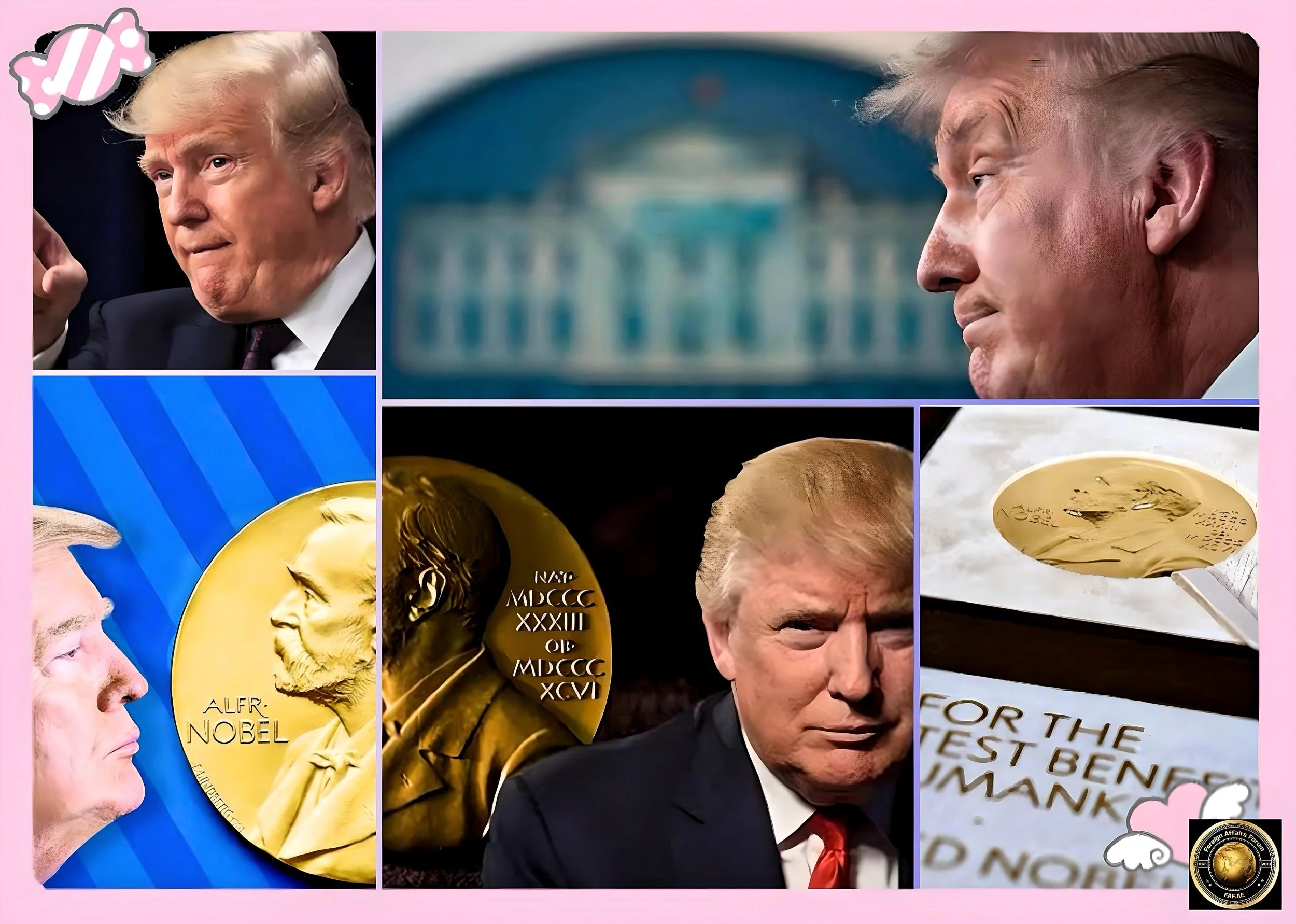
Washington.Media - Trump’s Nobel Prize Obsession Is About More Than World Peace
Introduction
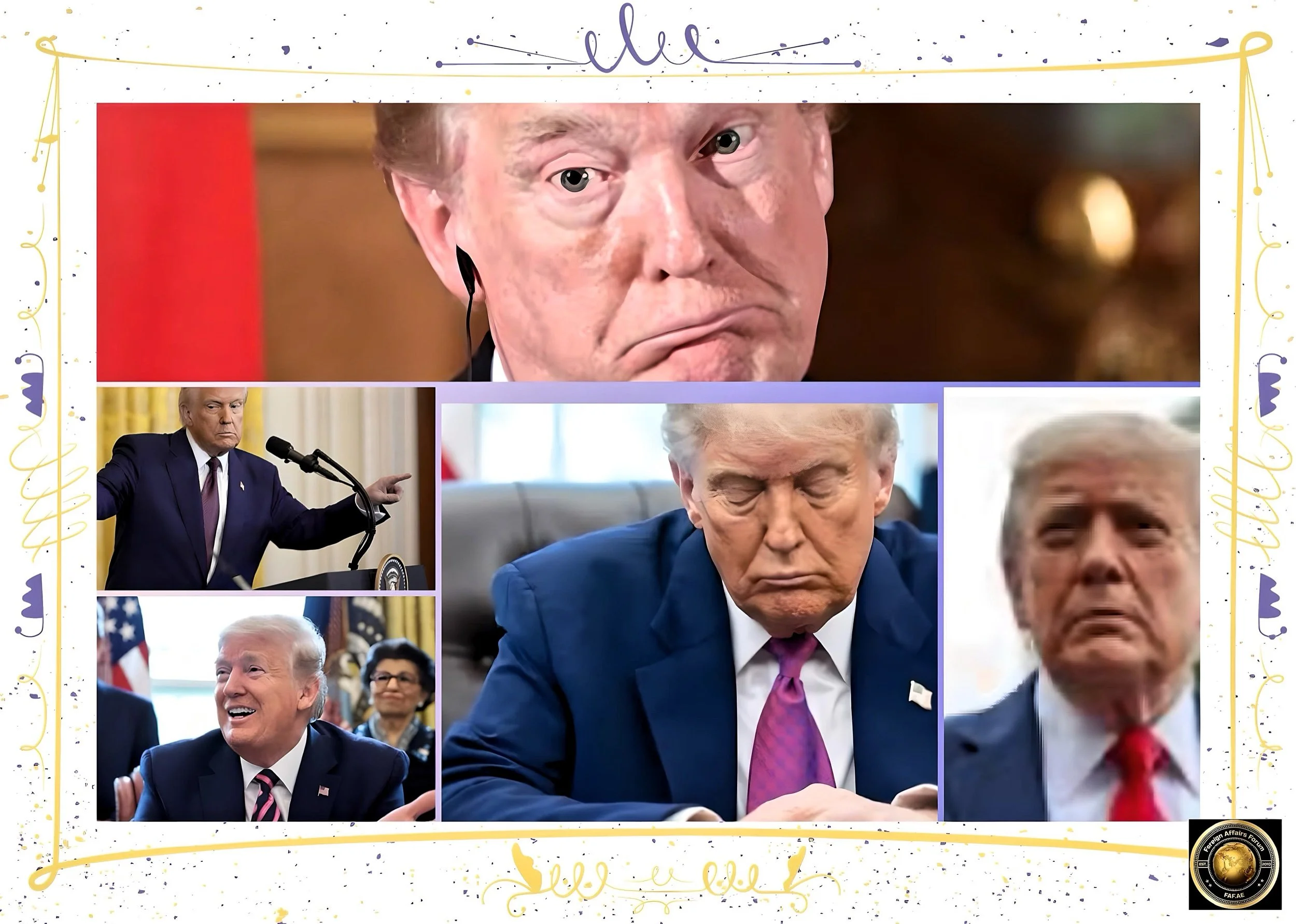
Trump’s declaration that his “proudest legacy will be that of a peacemaker and unifier” reveals the deep psychology behind his long-standing fixation on winning the Nobel Peace Prize.
This obsession extends beyond genuine peace efforts and into questions of validation, legacy, and his complex relationship with predecessors.
The Inaugural Promise and Peace Credentials
In his January 2025 inaugural address, President Trump positioned himself as a peace-focused leader, declaring his desire to be remembered as “a peacemaker and unifier”.
He highlighted the Gaza ceasefire that took effect just before his inauguration, stating, “I’m pleased to say that, as of yesterday, one day before I assumed office, the hostages in the Middle East are coming back home to their families”.
Trump emphasized that the nation would “measure our success not only by the battles we win, but also by the wars that we end, and, perhaps most importantly, the wars we never get into”.
This rhetoric directly relates to Trump’s Nobel Prize aspirations, as his administration actively promotes him for the award.
Treasury Secretary Scott Bessent told Fox News that Trump “deserves a Nobel for his work in trying to end the Russia-Ukraine war,” adding, “If it were fairly awarded, I think in a year, he should get it”.
National Security Adviser Mike Waltz declared, “By the end of this, we’re going to have the Nobel Prize sitting next to the name of Donald J. Trump.”
The Obama Fixation
Central to Trump’s Nobel obsession is his persistent resentment over Barack Obama’s 2009 Nobel Peace Prize.
Obama received the award “for his extraordinary efforts to strengthen international diplomacy and cooperation between peoples,” with the Norwegian Nobel Committee citing his promotion of nuclear nonproliferation and creating a “new climate” in international relations.
The award was given just months into Obama’s presidency, causing mixed reactions globally.
Trump has repeatedly criticized Obama’s prize, claiming unfair selection. “If my name were Obama, I’d have the Nobel Prize,” he said in October 2024. “He didn’t even know why the hell he got it”.
Trump has made similar comments dozens of times, stating, “He got the Nobel Prize for doing nothing, for getting elected, but I got elected too”. In recent months, Trump has mentioned the Nobel Prize six times in a single social media post, complaining that he “won’t get a Nobel Peace Prize no matter what I do”.
Multiple Nominations Without Success
Trump has been nominated for the Nobel Peace Prize multiple times across both terms.
His nominations include recognition for the Abraham Accords—peace agreements between Israel and several Arab nations signed in 2020.
Republican congresswoman Claudia Tenney nominated him in 2024, emphasizing Trump’s role in brokering these historic Middle East agreements.
He was also nominated for various diplomatic efforts in 2018, 2020, and 2021.
Most recently, Pakistan announced it was nominating Trump for his alleged role in mediating a ceasefire between India and Pakistan in May 2025, praising his “decisive diplomatic intervention and pivotal leadership”.
However, India has denied that Trump was mediating in their conflict resolution.
The Russia-Ukraine Contradiction
Trump’s peacemaker claims face significant scrutiny regarding his approach to the Russia-Ukraine conflict.
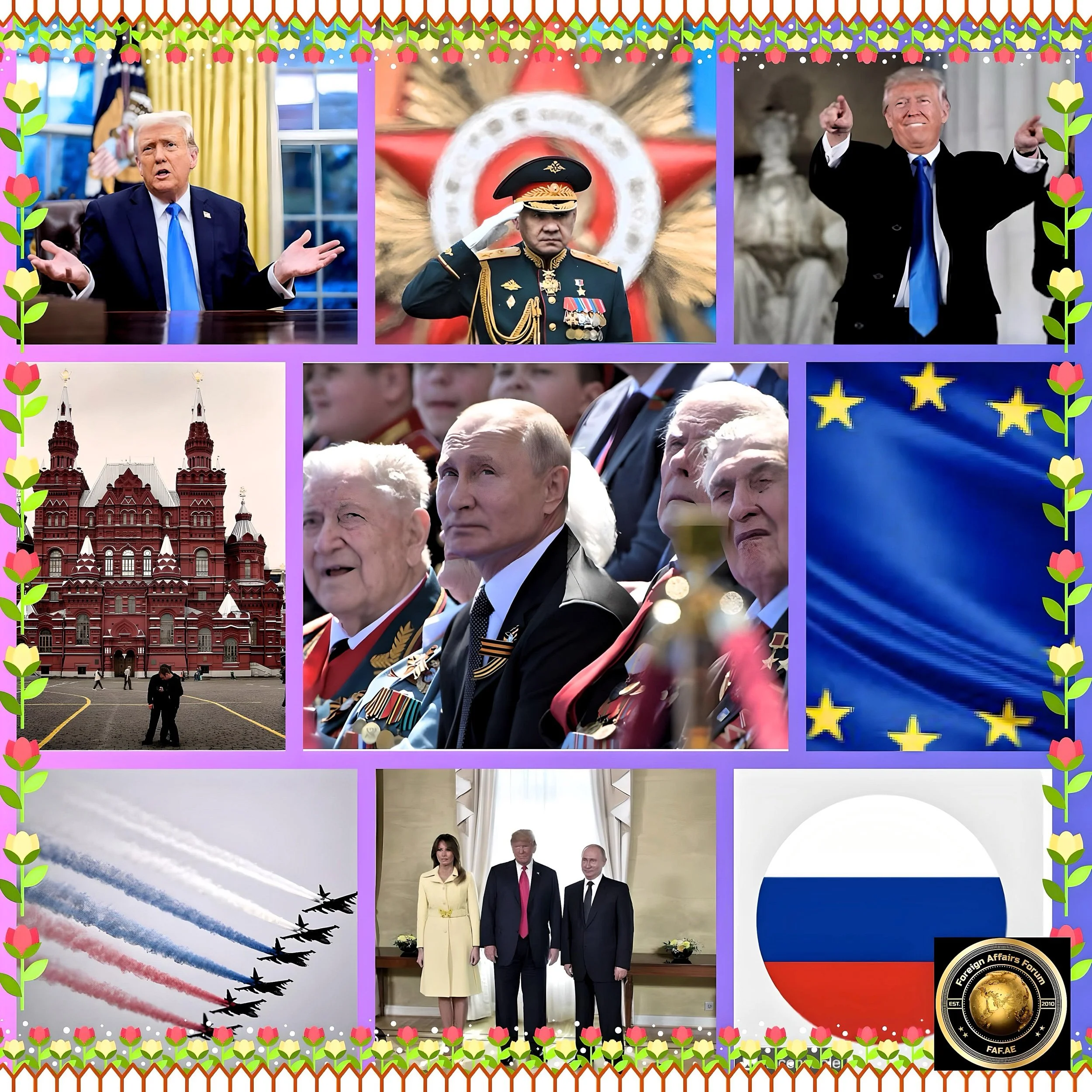
Critics have accused him of “siding with the aggressor” by repeatedly blaming Ukrainian President Volodymyr Zelensky for the war’s origins.
In April 2025, Trump stated, “You don’t start a war against someone 20 times your size and then hope that people give you some missiles,” attributing “millions of people dead” to “three people”: Putin, Biden, and Zelensky.
European leaders have pushed back against this framing. NATO Secretary General Mark Rutte emphasized, “Russia is the aggressor, Russia started this war, there’s no doubt”.
French President Emmanuel Macron stressed the importance of recognizing “one aggressor: Russia and one aggressed: Ukraine”.
Even Trump’s administration faced internal tensions, with his February 2025 Oval Office meeting with Zelensky described as “an unprecedented public confrontation between an American president and a foreign head of state”.
Paradoxically, Trump has also criticized Putin when Russian attacks escalated. In May 2025, following massive Russian bombardments, Trump posted, “I am not happy with the Russian strikes on KYIV.
Not necessary, and very bad timing. Vladimir, STOP!” He called Putin’s actions “absolutely crazy” while acknowledging their long-standing relationship.
The Administration’s Nobel Campaign
The Trump administration has made Nobel Prize advocacy a central theme. Multiple officials have publicly promoted Trump’s candidacy, treating it as a campaign objective rather than a natural consequence of peace efforts.
This includes statements from Cabinet members and organized efforts to highlight various diplomatic initiatives.
Trump’s recent social media posts reveal the extent of his fixation.
He lists numerous peace efforts—from Congo-Rwanda mediation to claims about Serbia-Kosovo relations—while repeatedly lamenting that he “won’t get a Nobel Peace Prize no matter what I do.”
This pattern suggests the pursuit of the prize itself has become as important as, if not more than, the actual peace work.
Beyond World Peace: Validation and Legacy
Trump's preoccupation with securing a Nobel Prize appears to stem from multiple motivations that extend beyond a genuine commitment to peace.
Firstly, the Nobel Prize symbolizes a form of ultimate approval from the international community, something that has consistently eluded him despite his political achievements.
His frequent comparisons to Barack Obama indicate a deep-seated resentment regarding what he perceives as inequitable recognition of accomplishments.
Furthermore, this fixation on the Nobel Prize underscores Trump’s broader concerns related to his historical legacy.
The emphasis during his inauguration on being a “peacemaker and unifier” suggests an effort to redefine the narrative surrounding his presidency, striving to be remembered more as a statesman rather than a figure mired in controversy.
Trump's pursuit of the Nobel Prize illustrates a profound tension: a sincere desire for achievements in peace juxtaposed against a critical need for external validation.
While he has facilitated legitimate diplomatic advances, such as the Abraham Accords, his aggressive public campaign for the Nobel Prize and his contentious stances on international conflicts—such as the Russia-Ukraine situation—imply that the quest for the award has become integral to his political identity and legacy ambitions.
The crux of Trump's narrative remains whether his enduring aspiration as a peacemaker will ultimately be evaluated through the lens of tangible conflict resolution or the international recognition he seeks so fervently.
His administration's active promotion of his Nobel candidacy, coupled with ongoing criticism of past laureates, underscores that for Trump, the prize transcends mere acknowledgment of peace efforts; it signifies vindication, validation, and an attempt to secure a favorable position within historical discourse.